Build Report
About This Build
Dual Build Comparison — Eduard ProfiPack vs. Airfix 1/72
The Subject
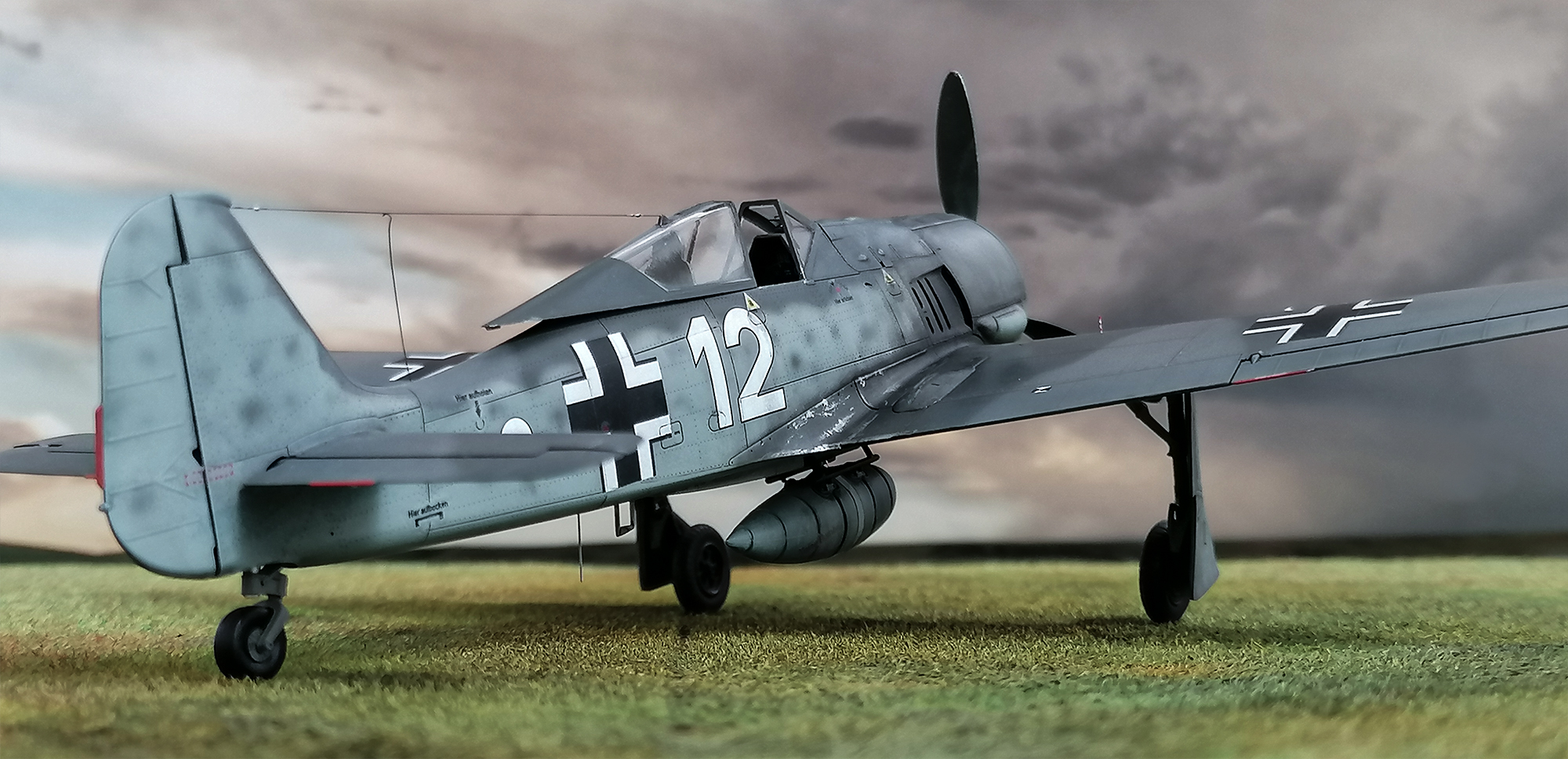
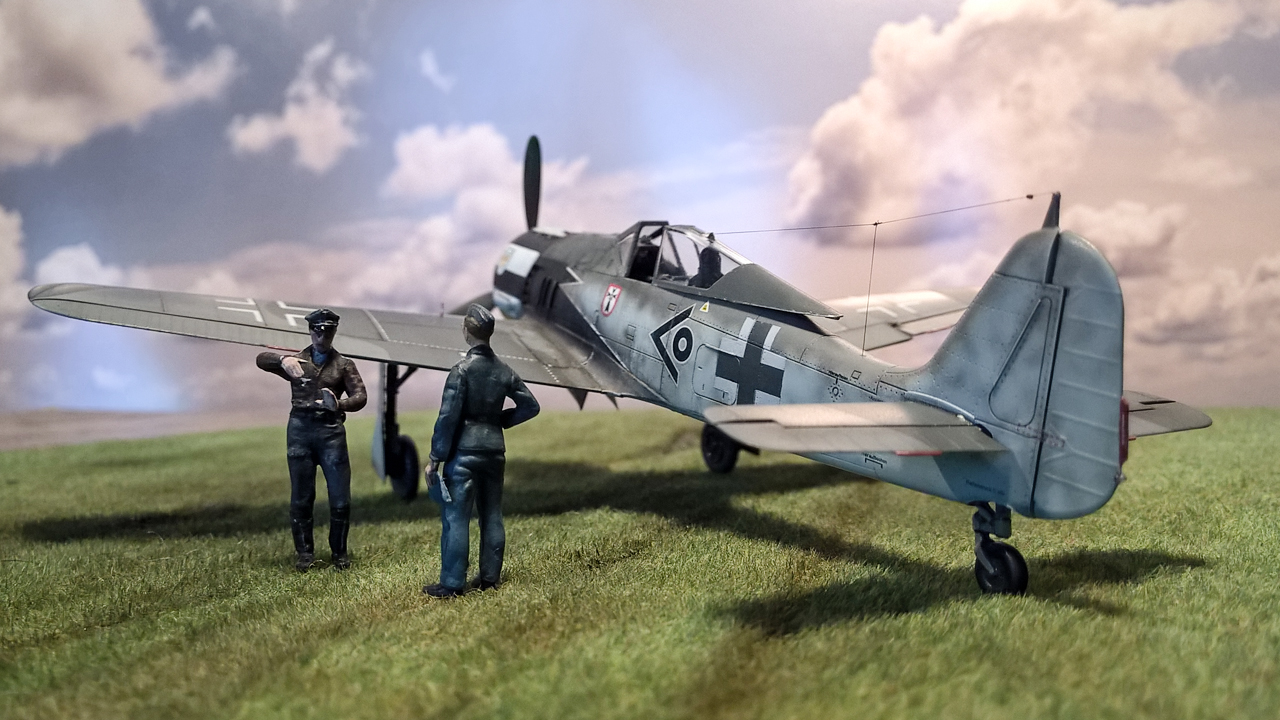
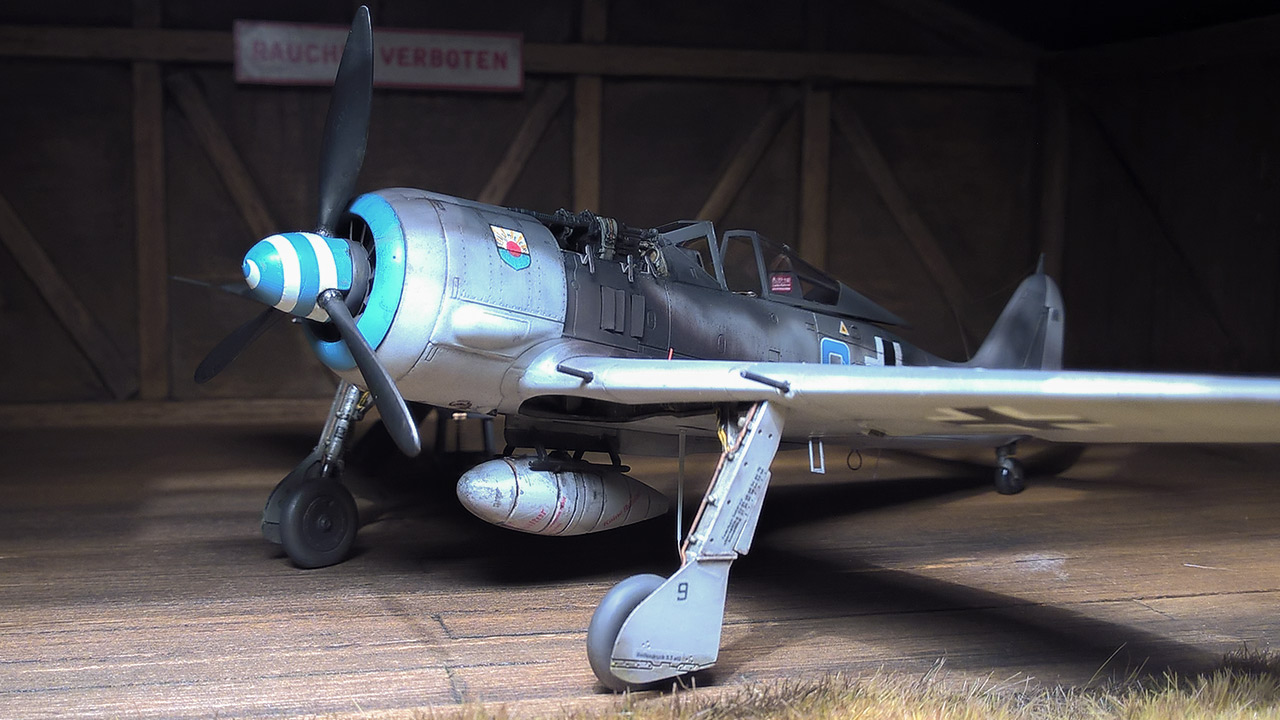
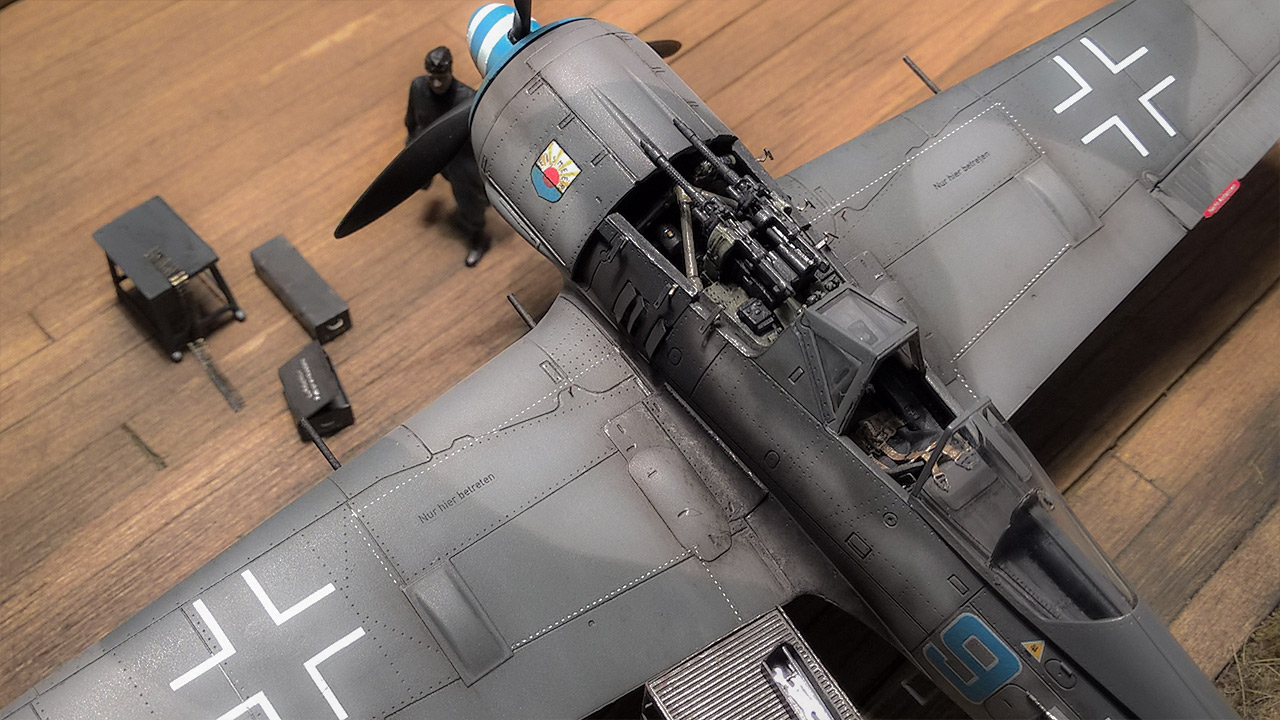
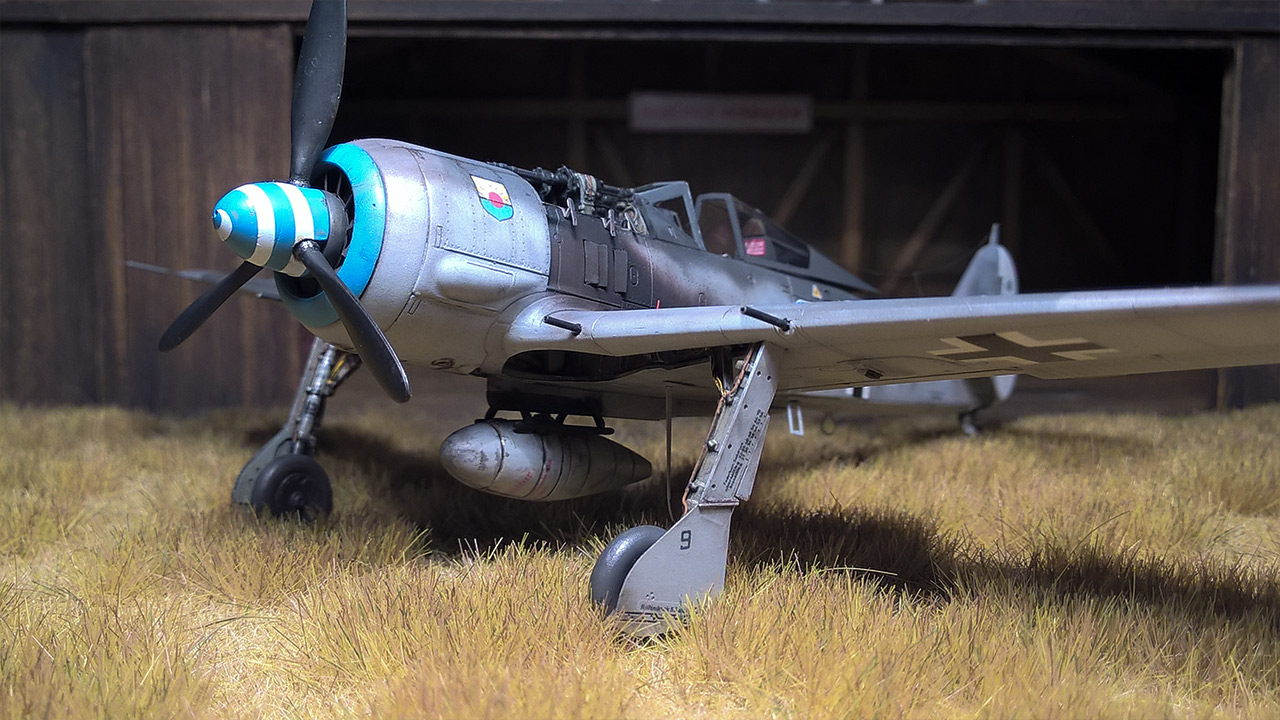
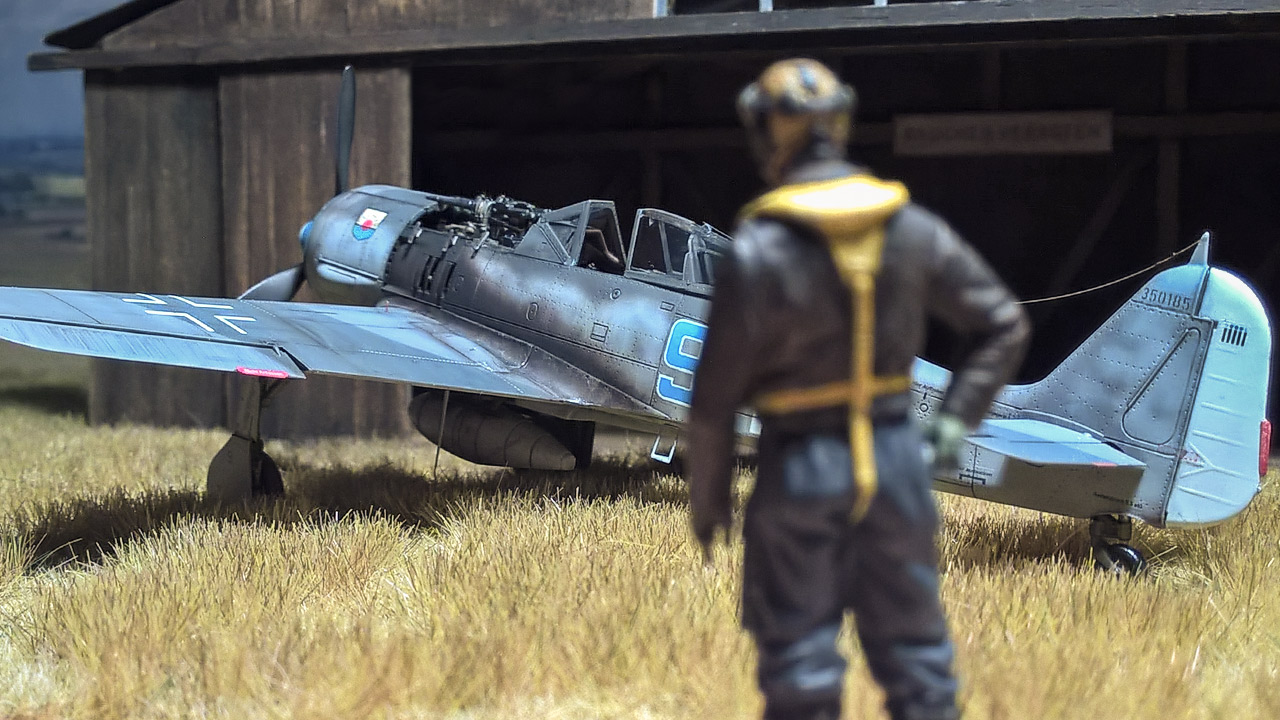
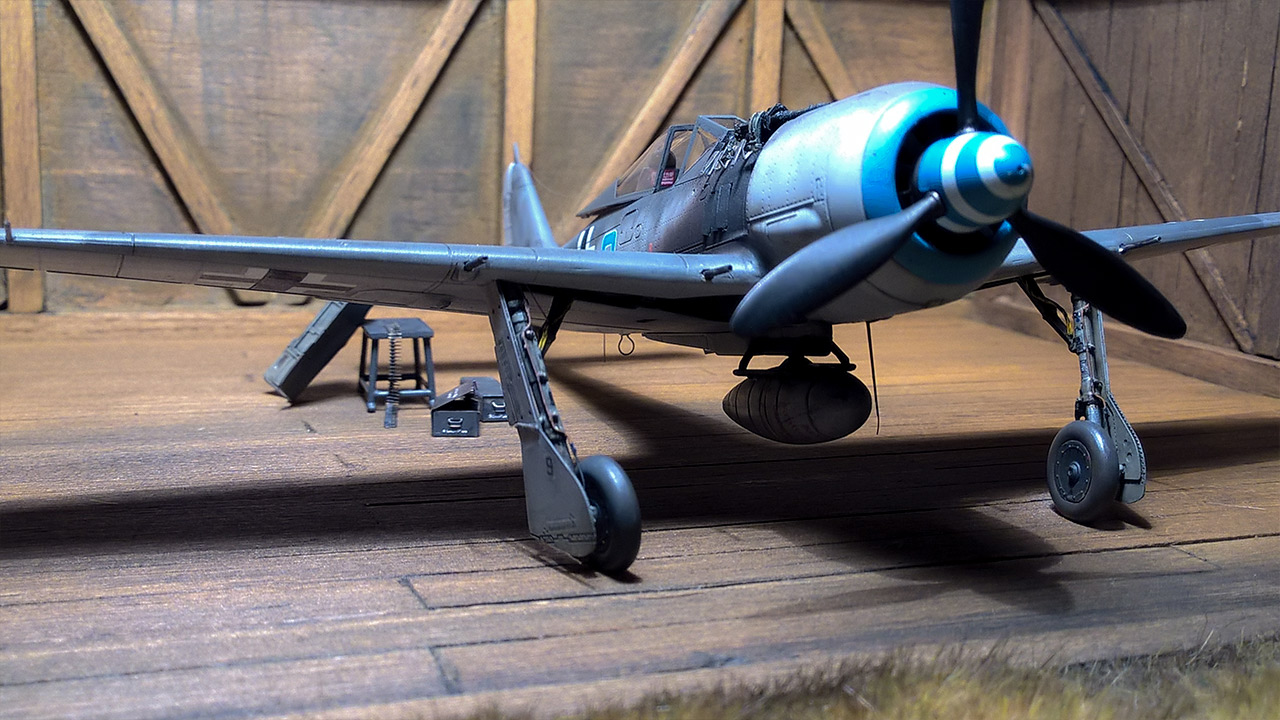
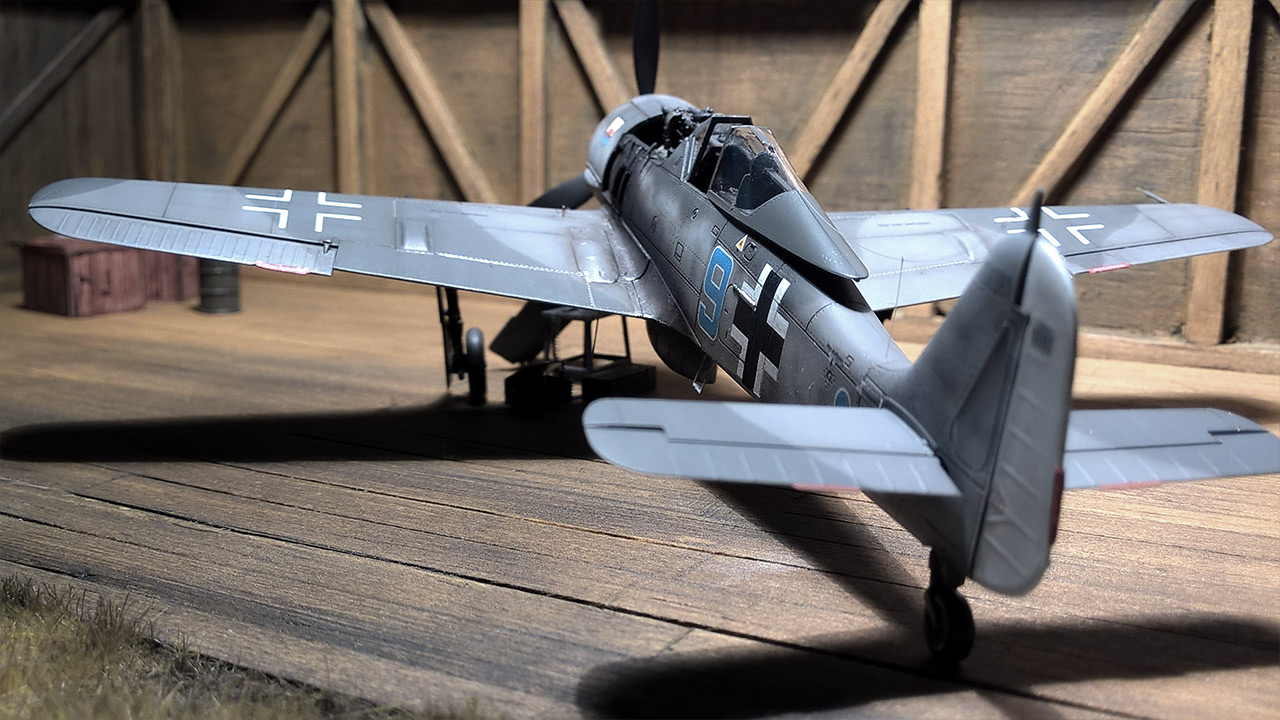
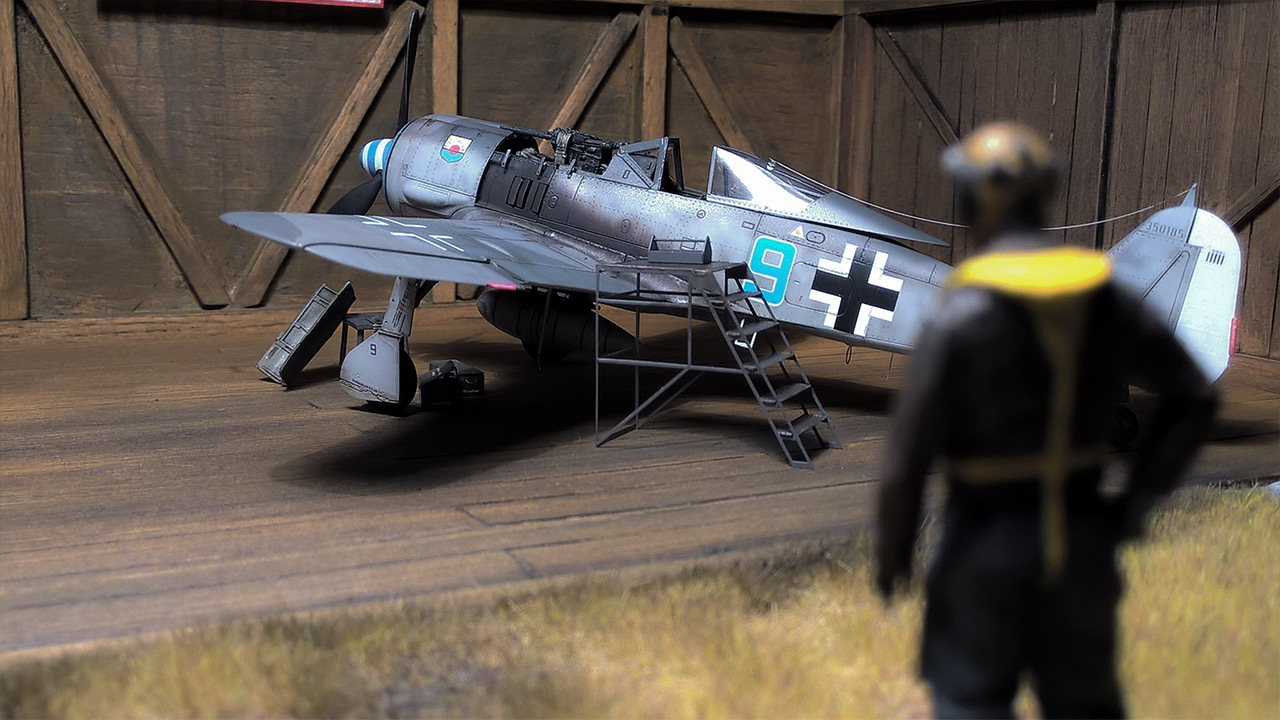
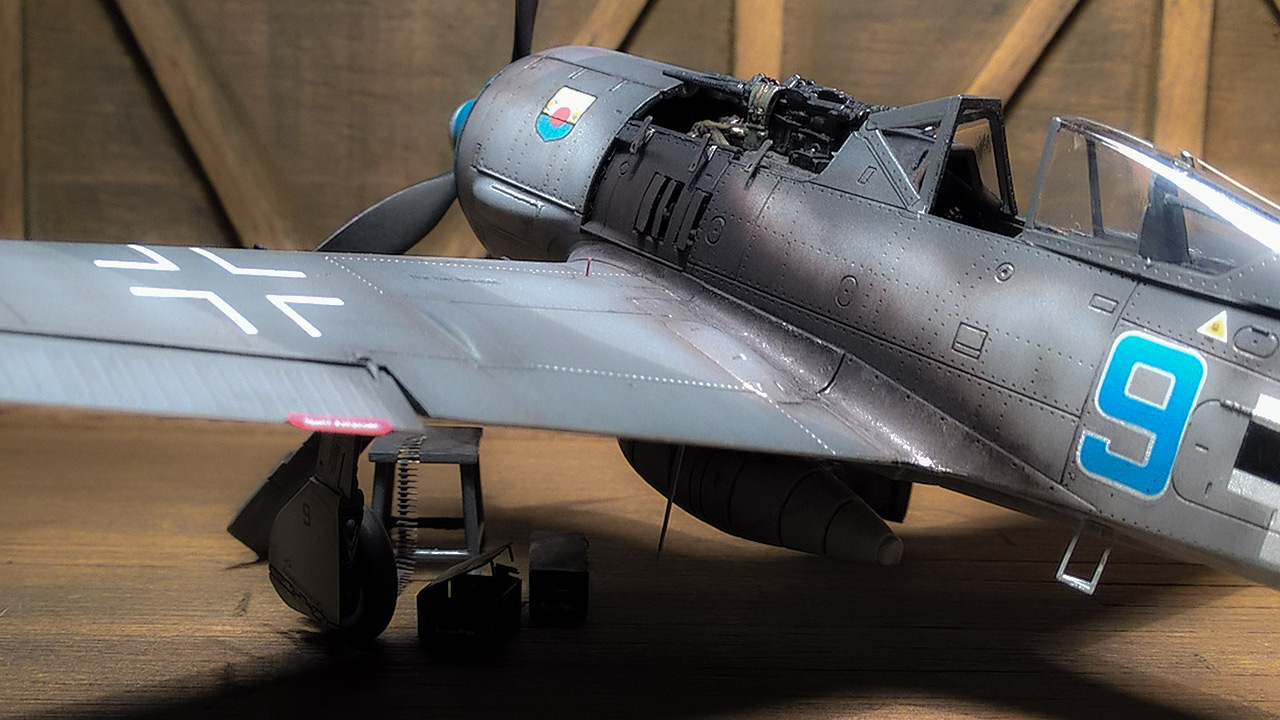
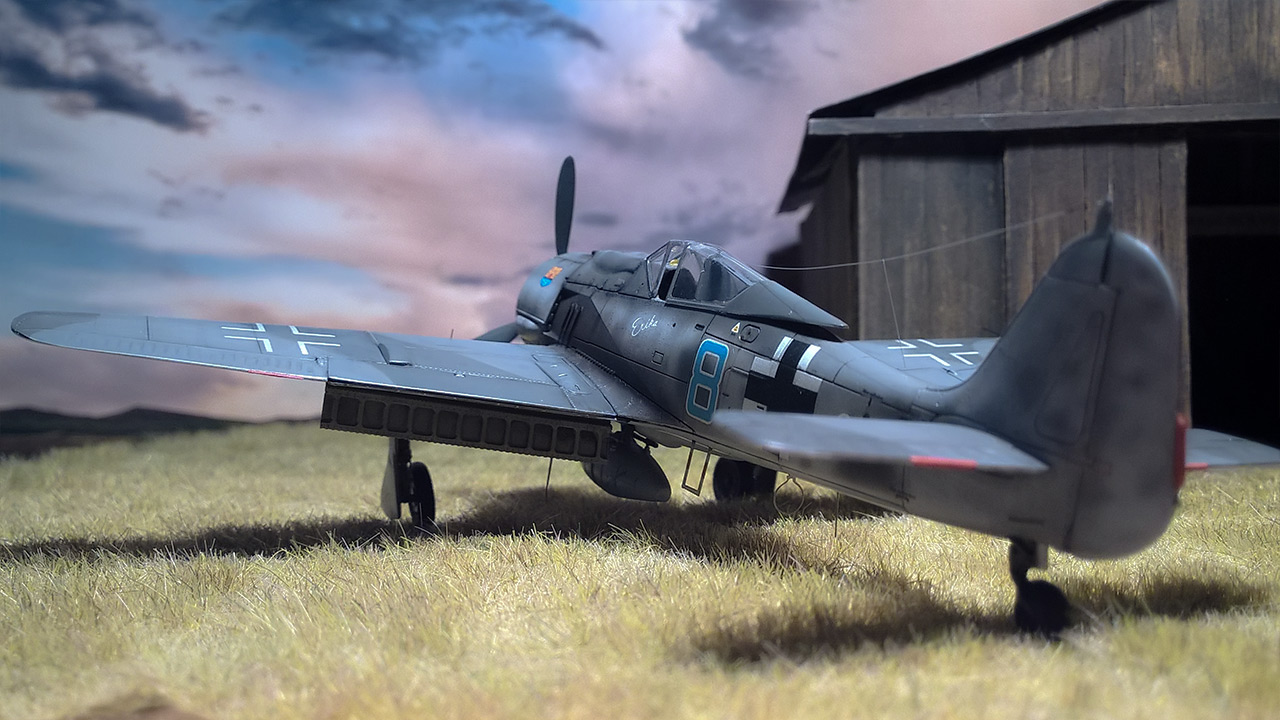
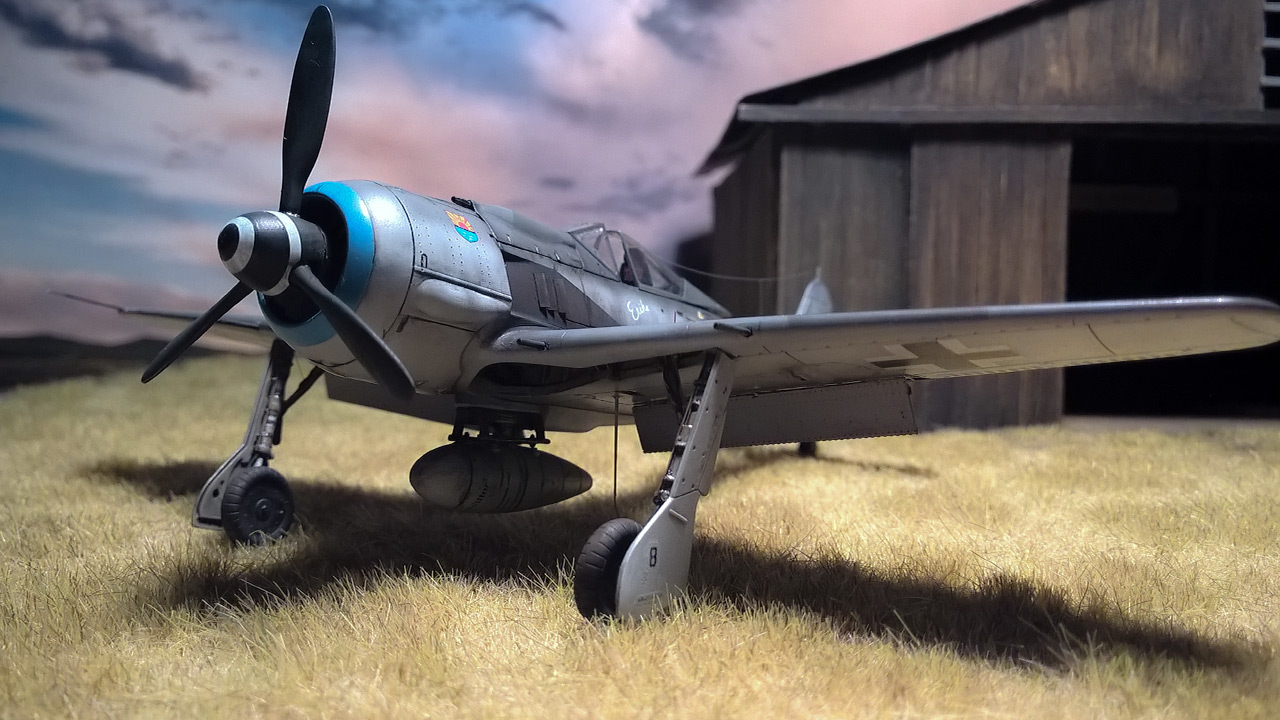
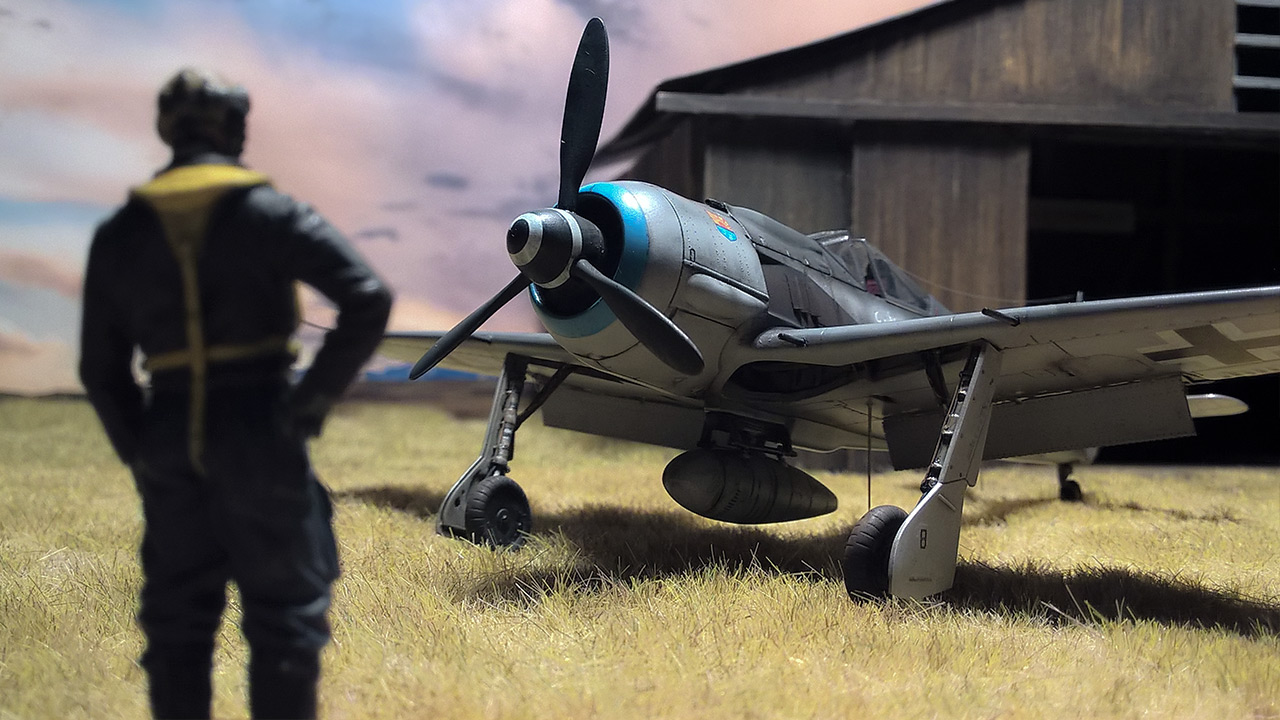
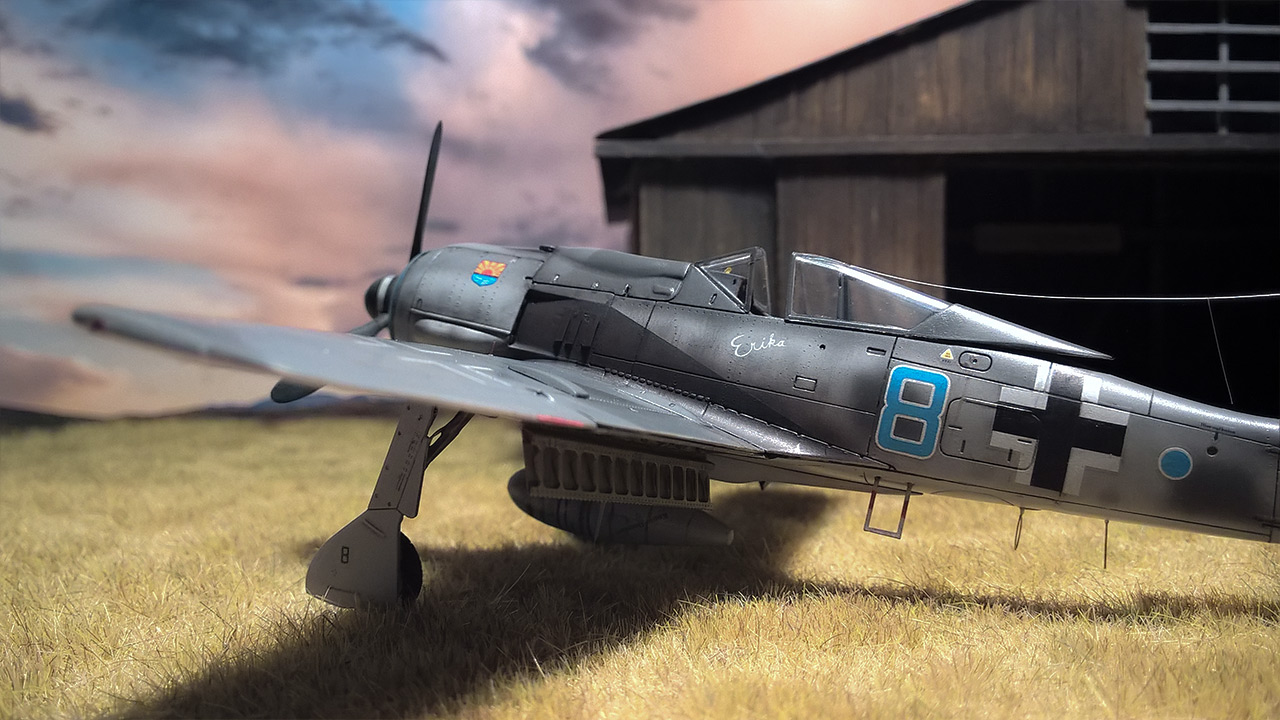
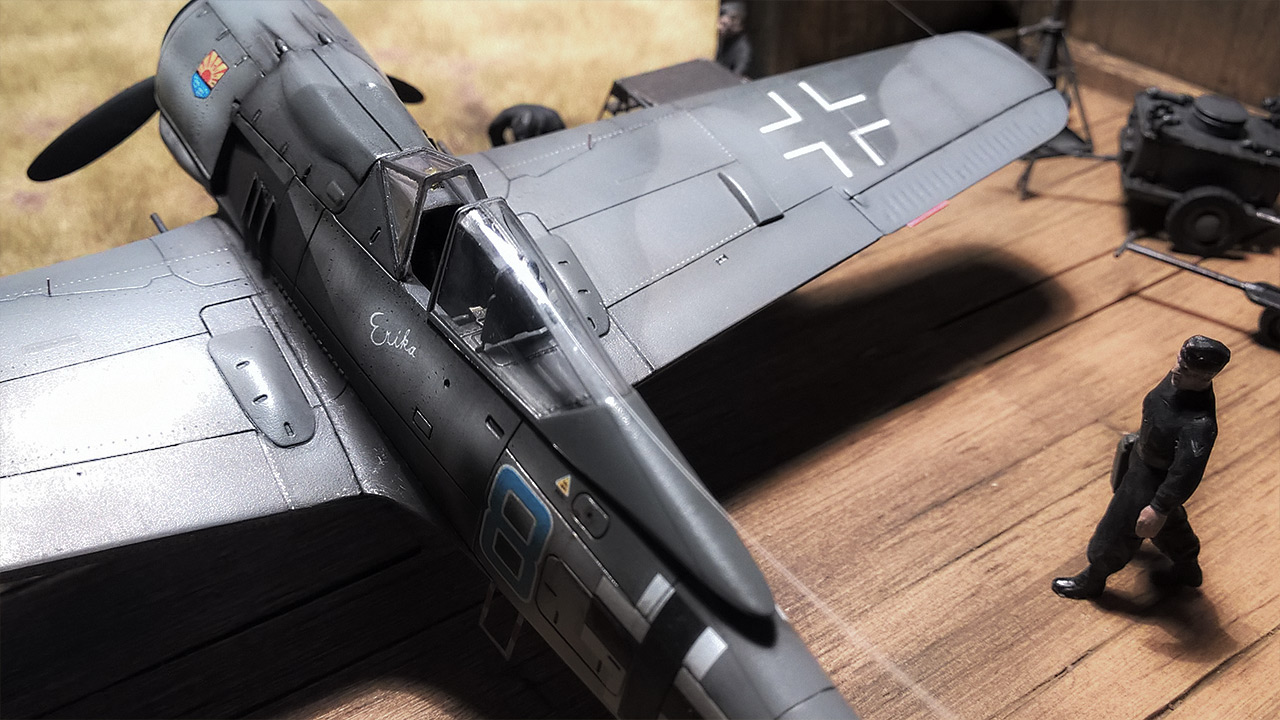
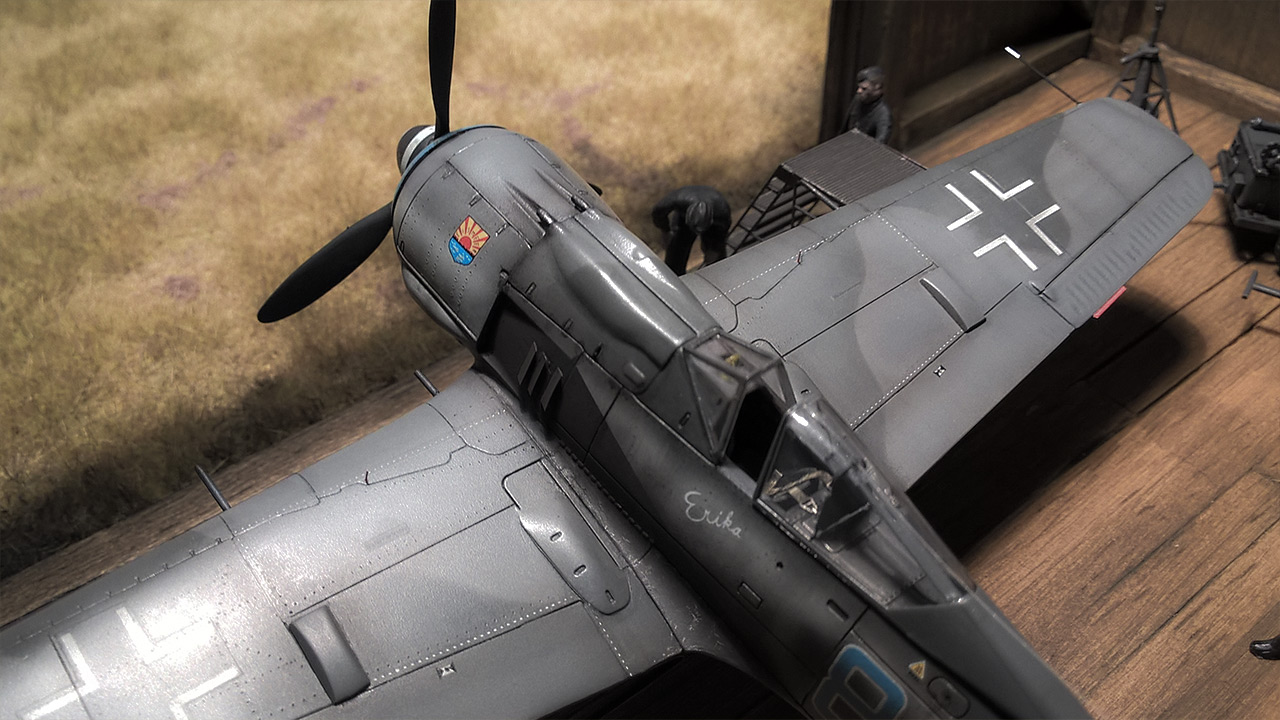
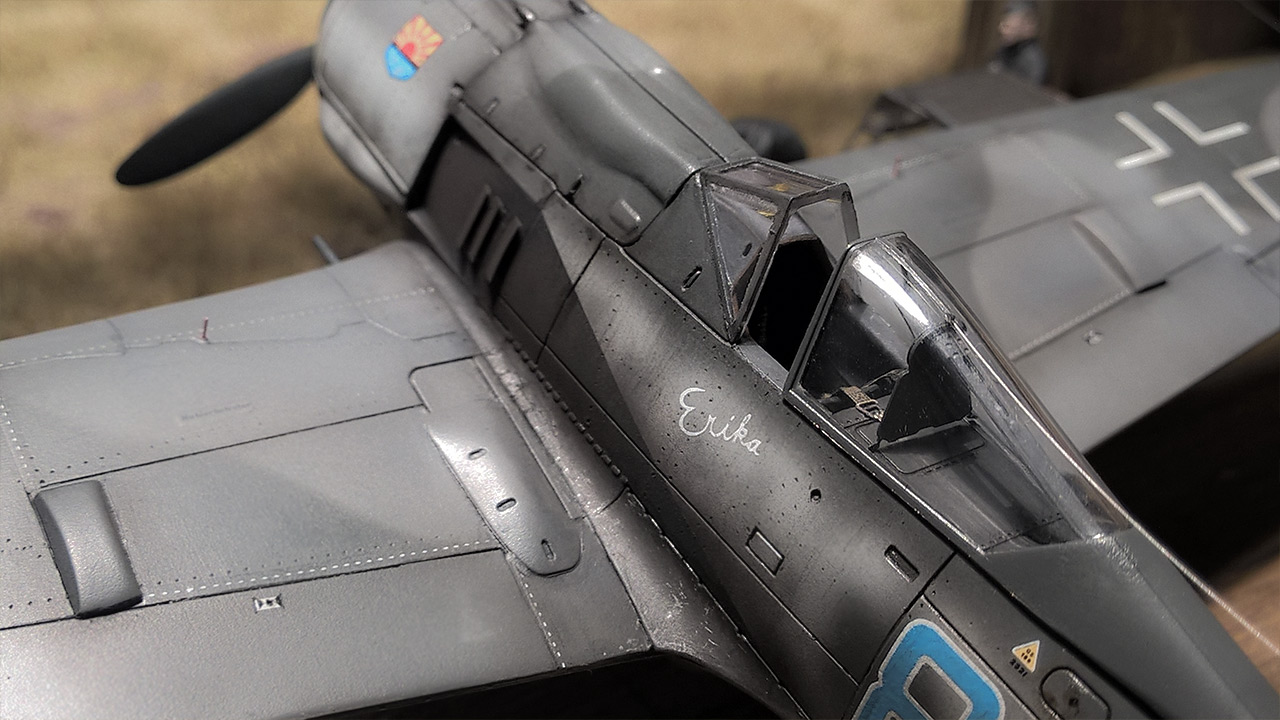
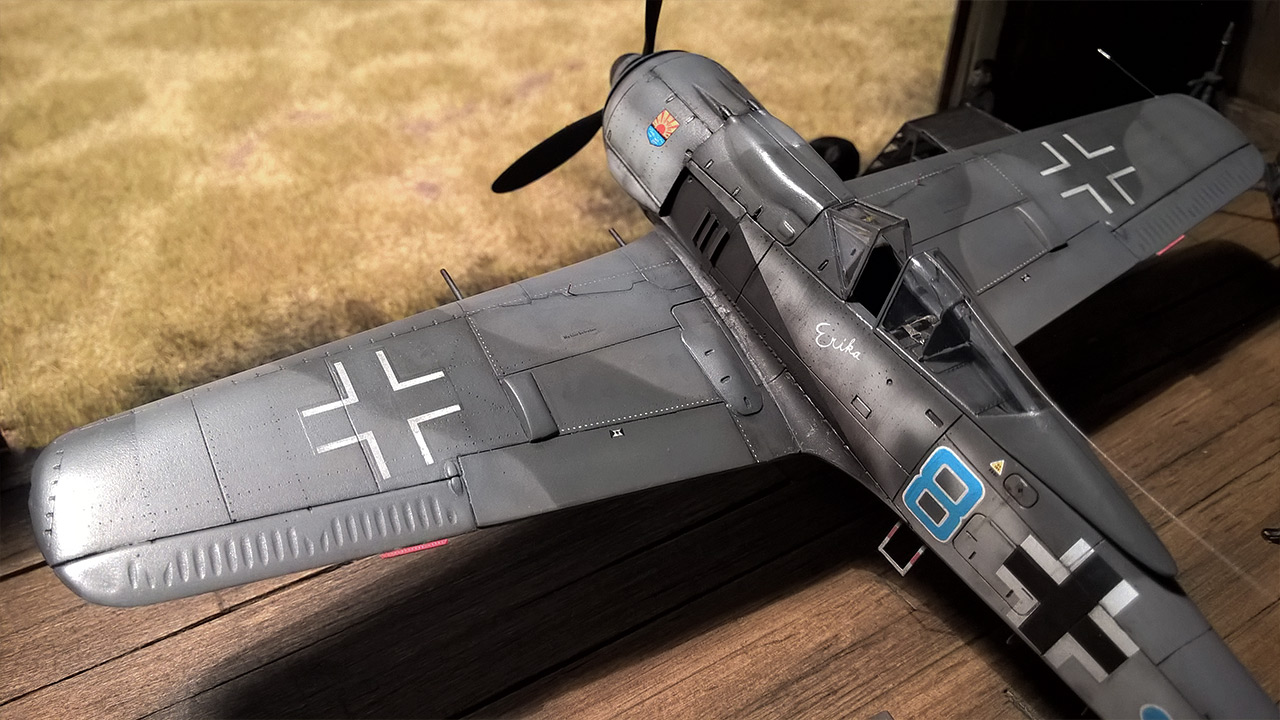
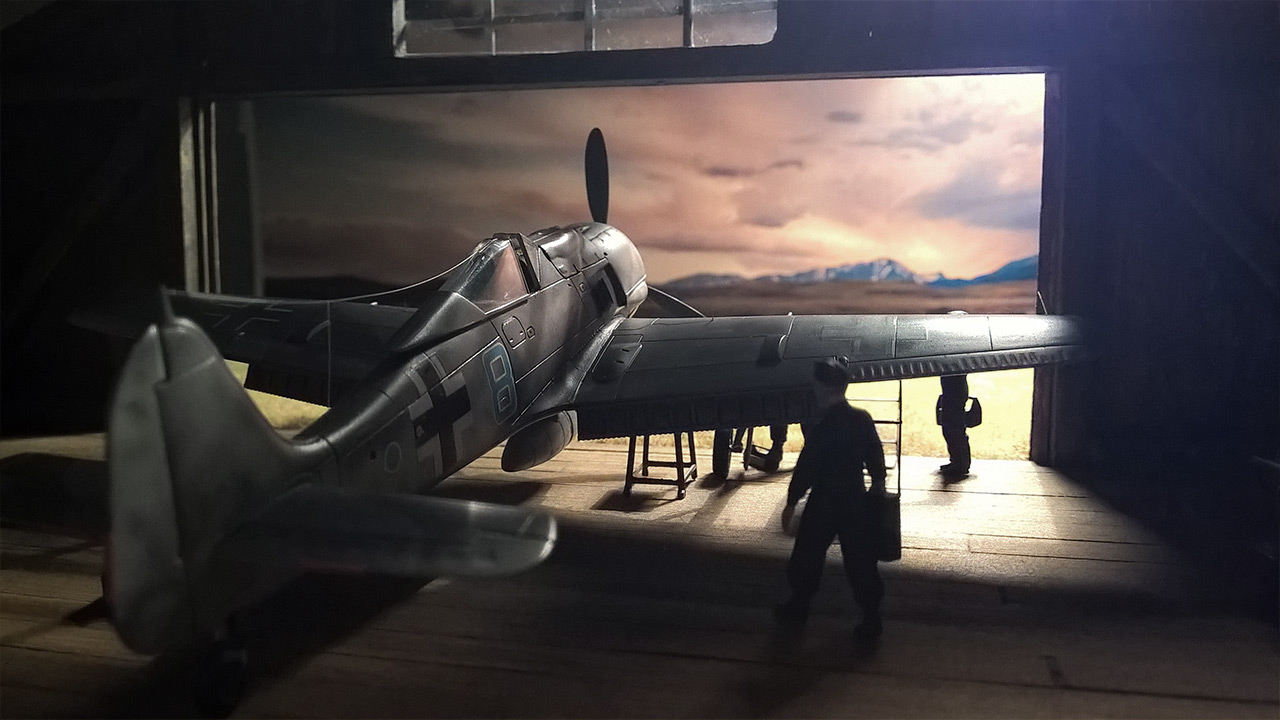
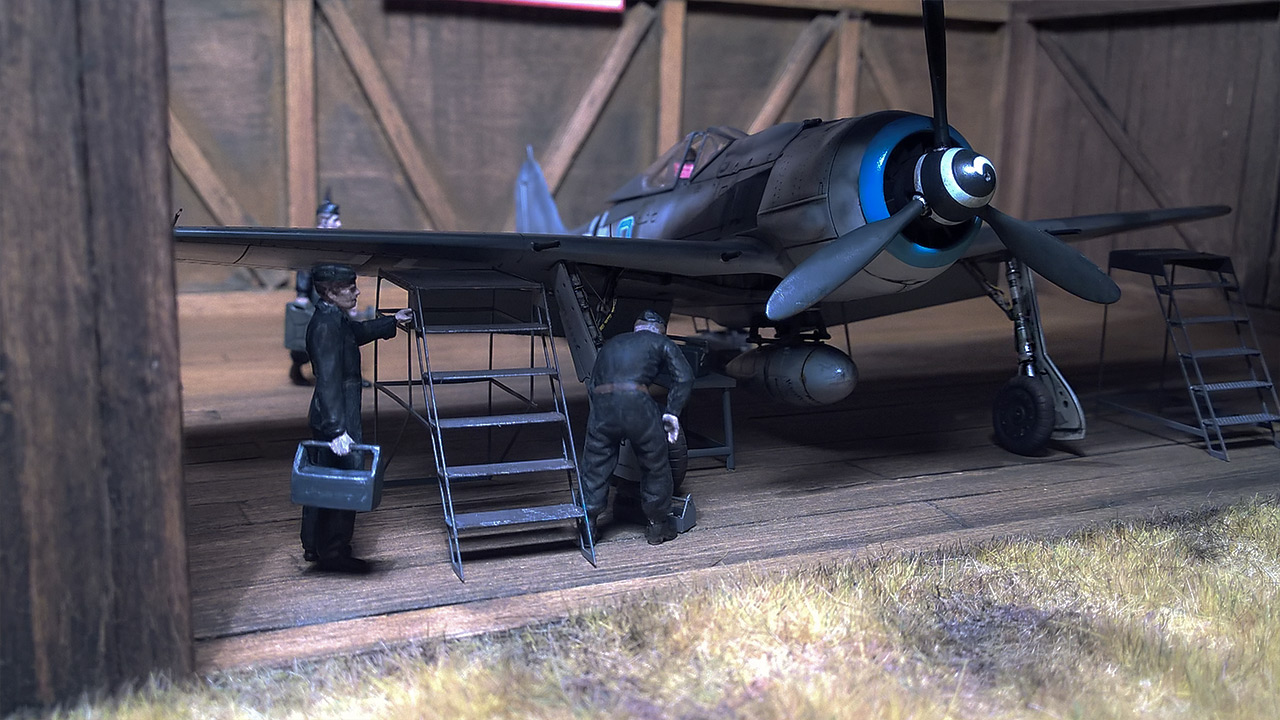
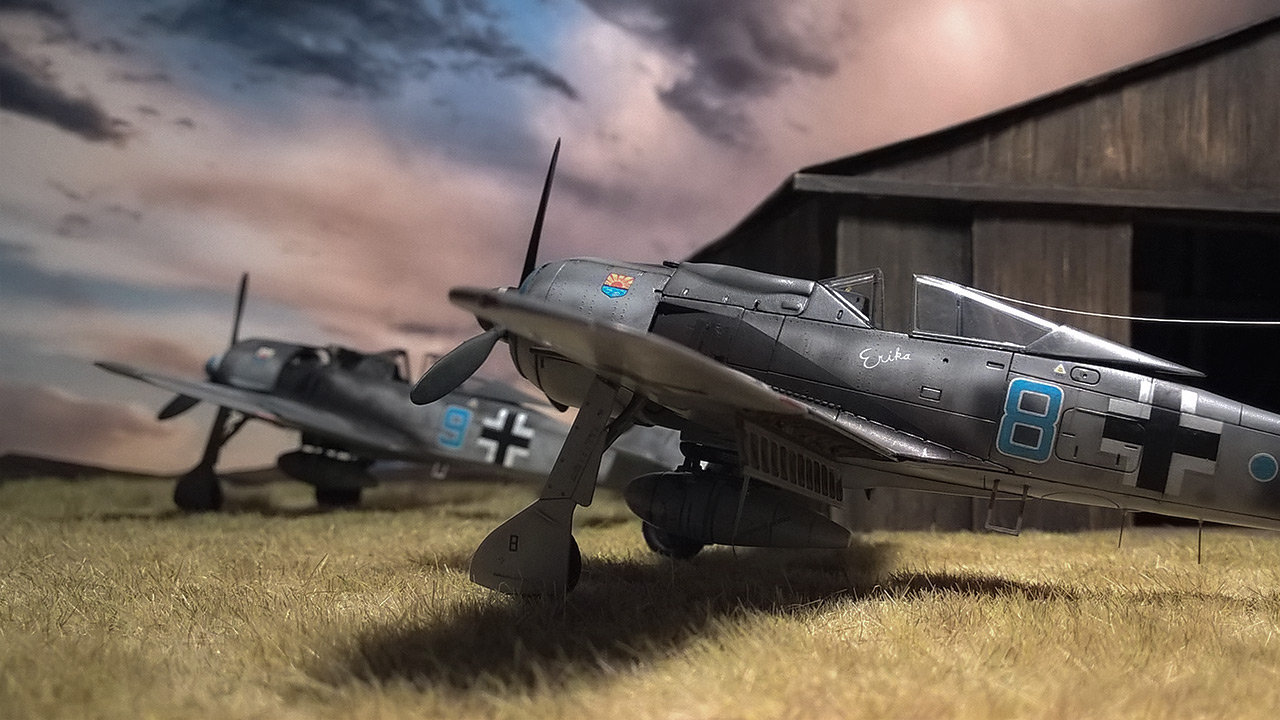
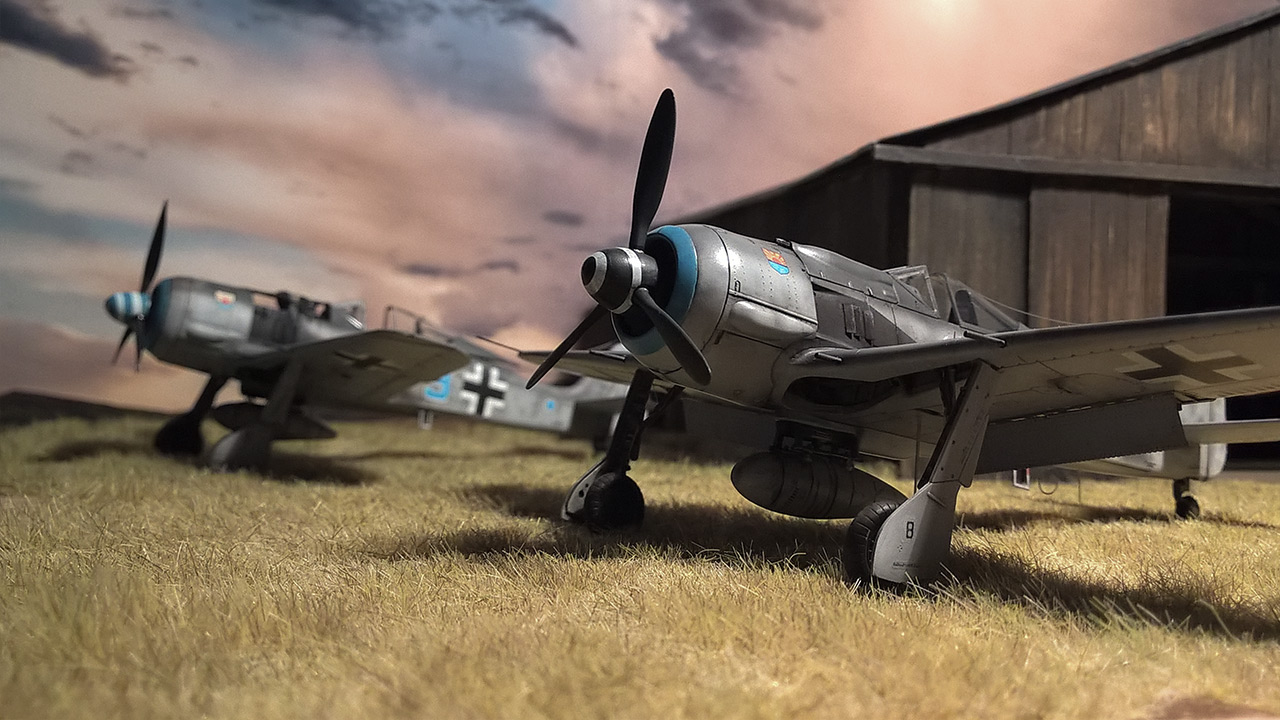
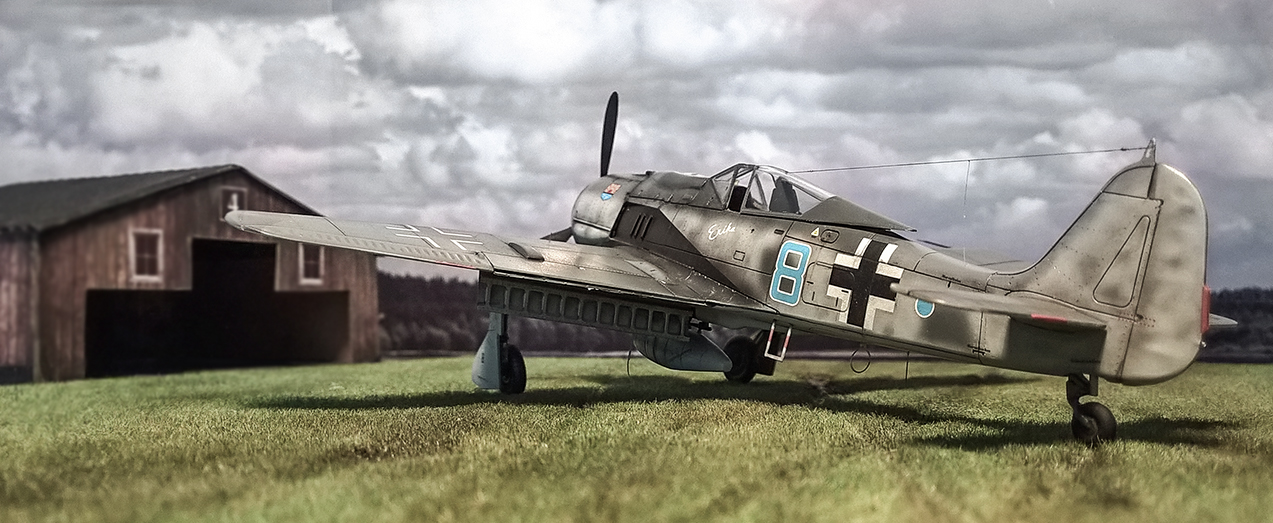
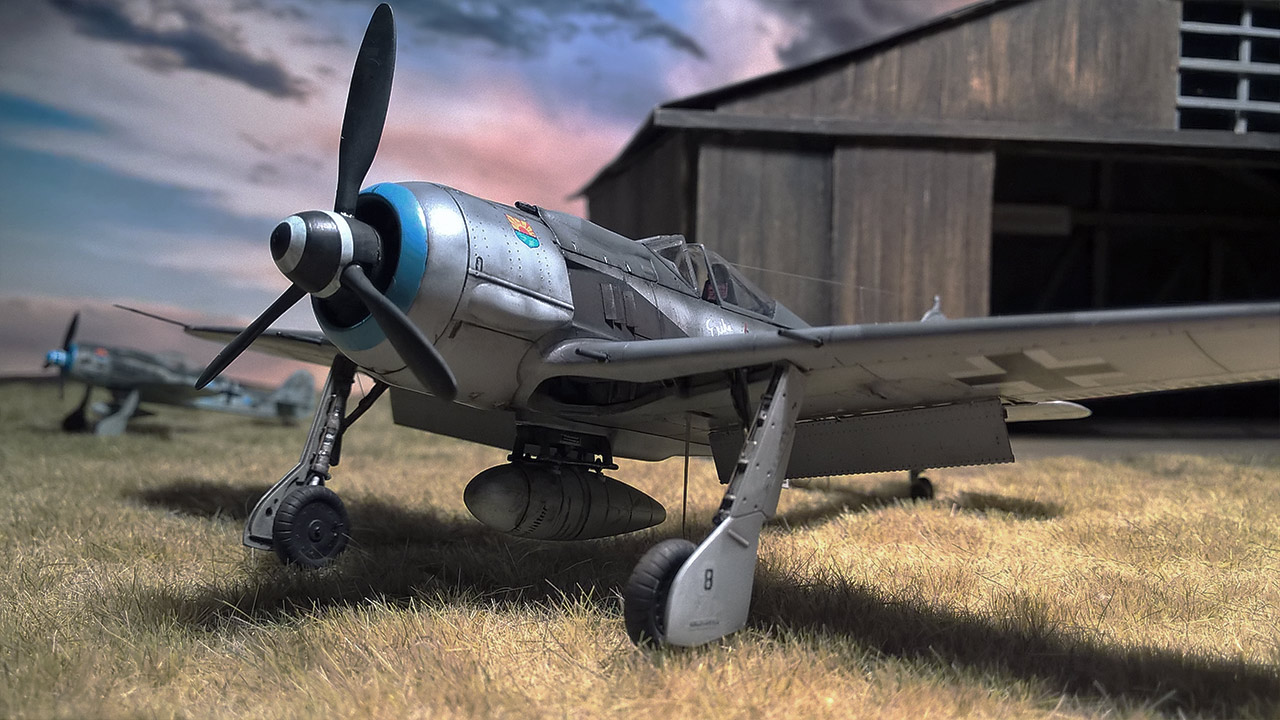
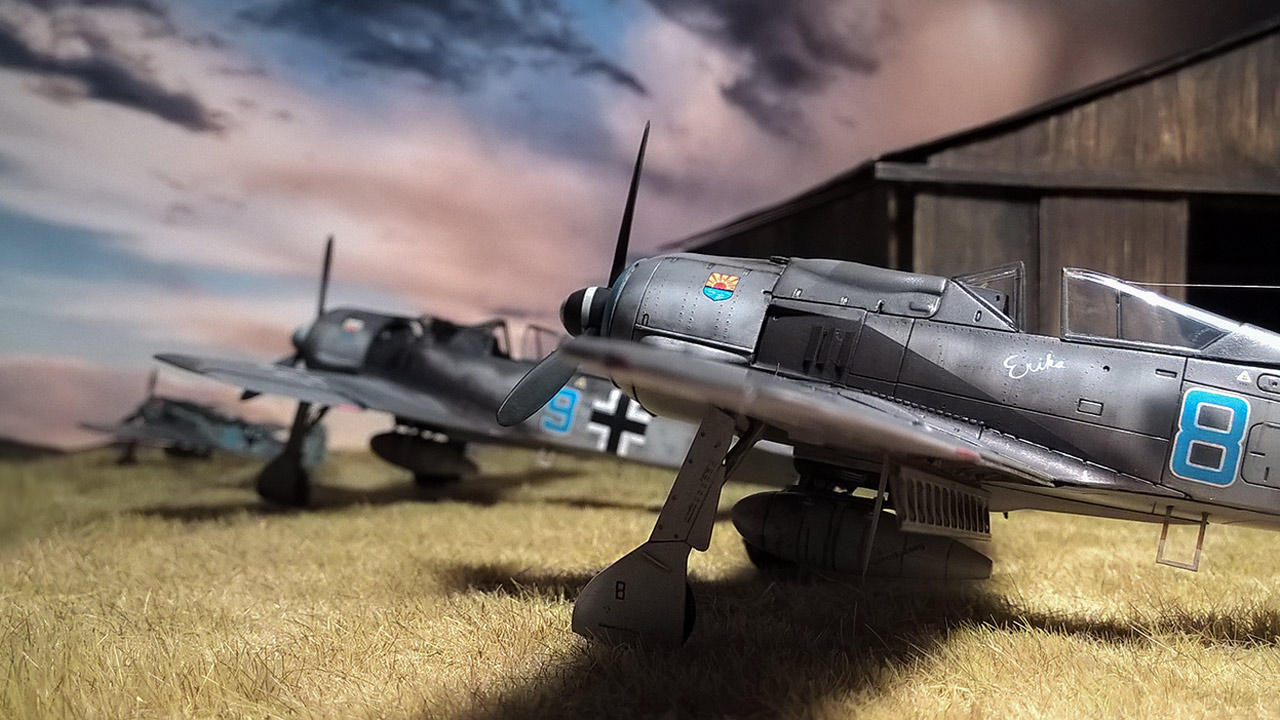
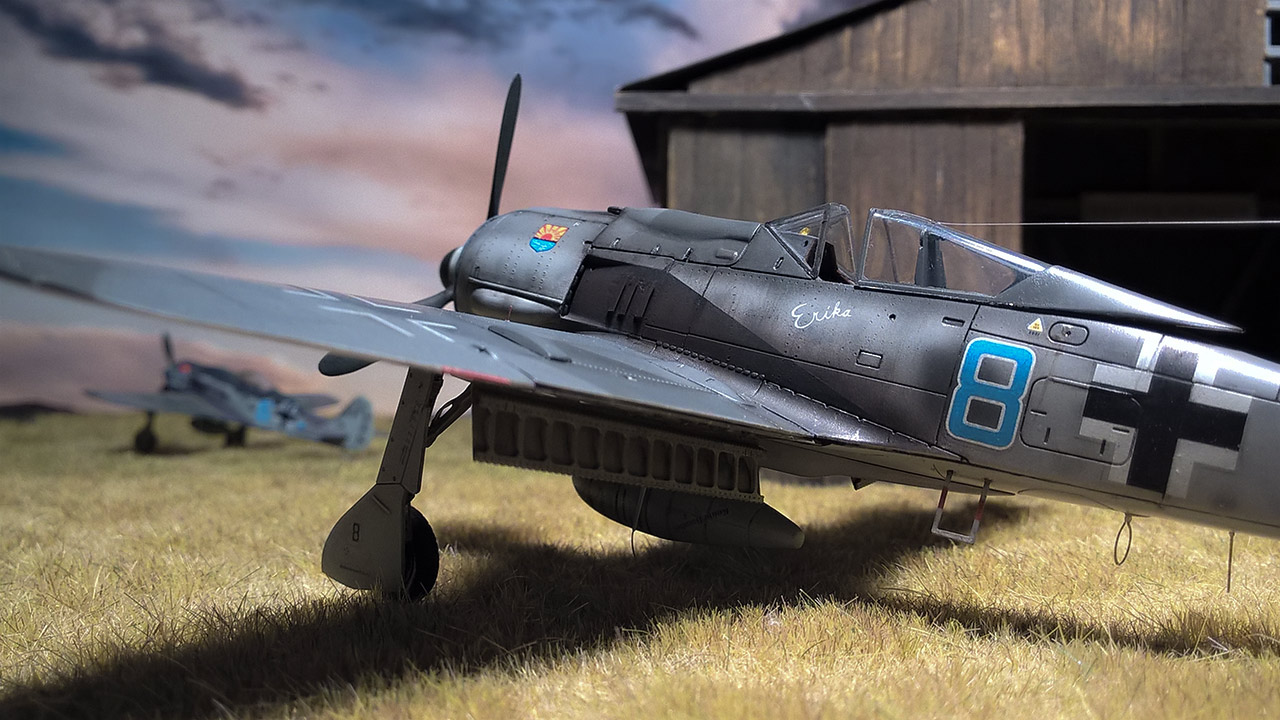
Jagdgeschwader 5 "Eismeer" — the Ice Sea wing — held one of the most gruelling postings of the entire war. Stationed along the Norwegian coastline from Bardufoss in the far north down to bases like Herdla near Bergen, JG 5 flew patrols over Arctic waters, escorted convoy-interdiction strikes, and tangled with Soviet aircraft above the Murmansk front in conditions that tested men and machines alike. By early 1945 the unit was equipped with the A-8 variant of the Focke-Wulf 190, the most heavily armed Butcherbird in frontline Luftwaffe service, mounting four 20 mm cannon and two 13 mm heavy machine guns. Among the pilots flying out of Herdla was Leutnant Karl Heinz Koch of 12. Staffel. On the morning of 9 February 1945, Koch's aircraft "Blue 9" suffered damage during operations and was brought back to Herdla in a crash-landing. The aircraft was assessed as beyond repair and struck off strength — the kind of quiet ending that came to so many machines in the last months of the war.
The Kit
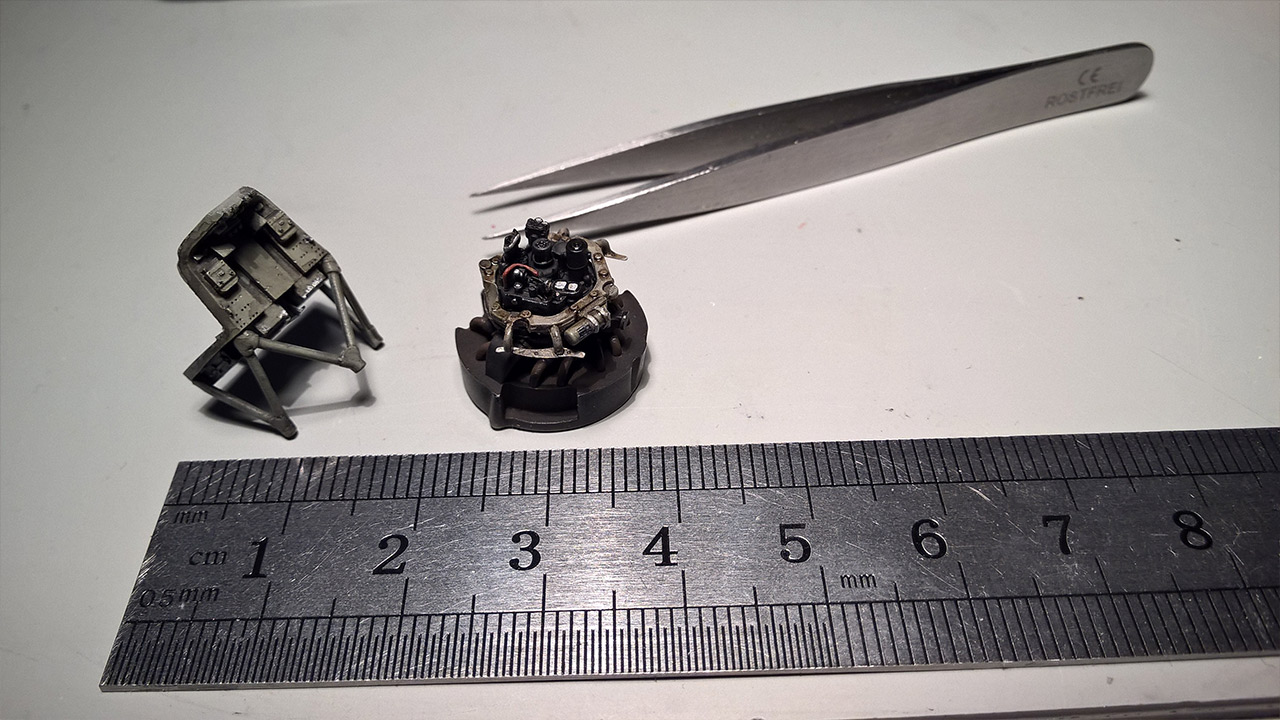
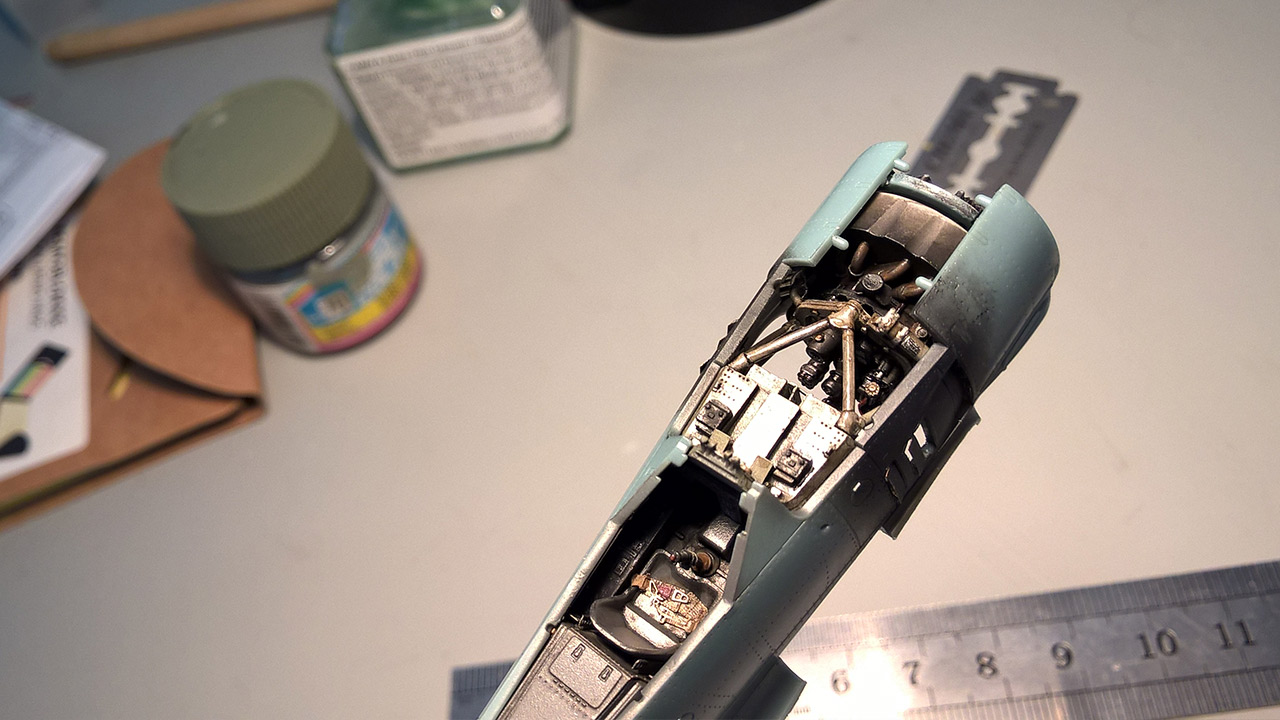
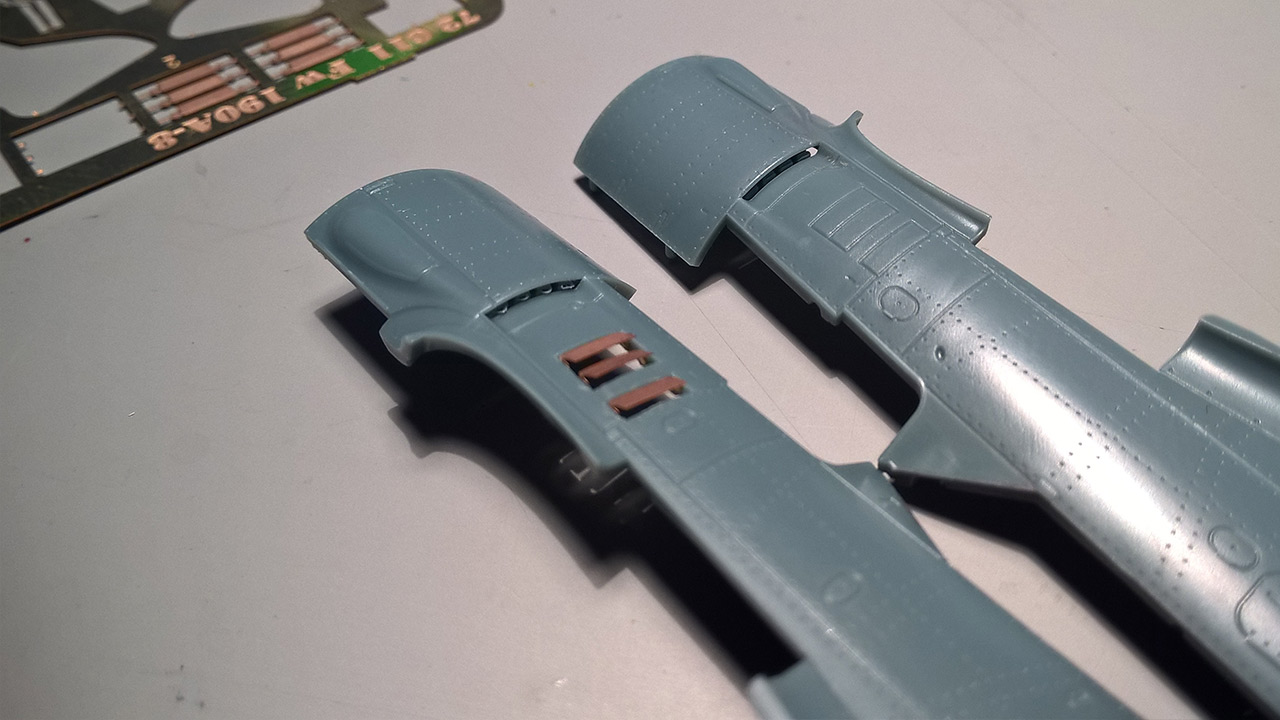
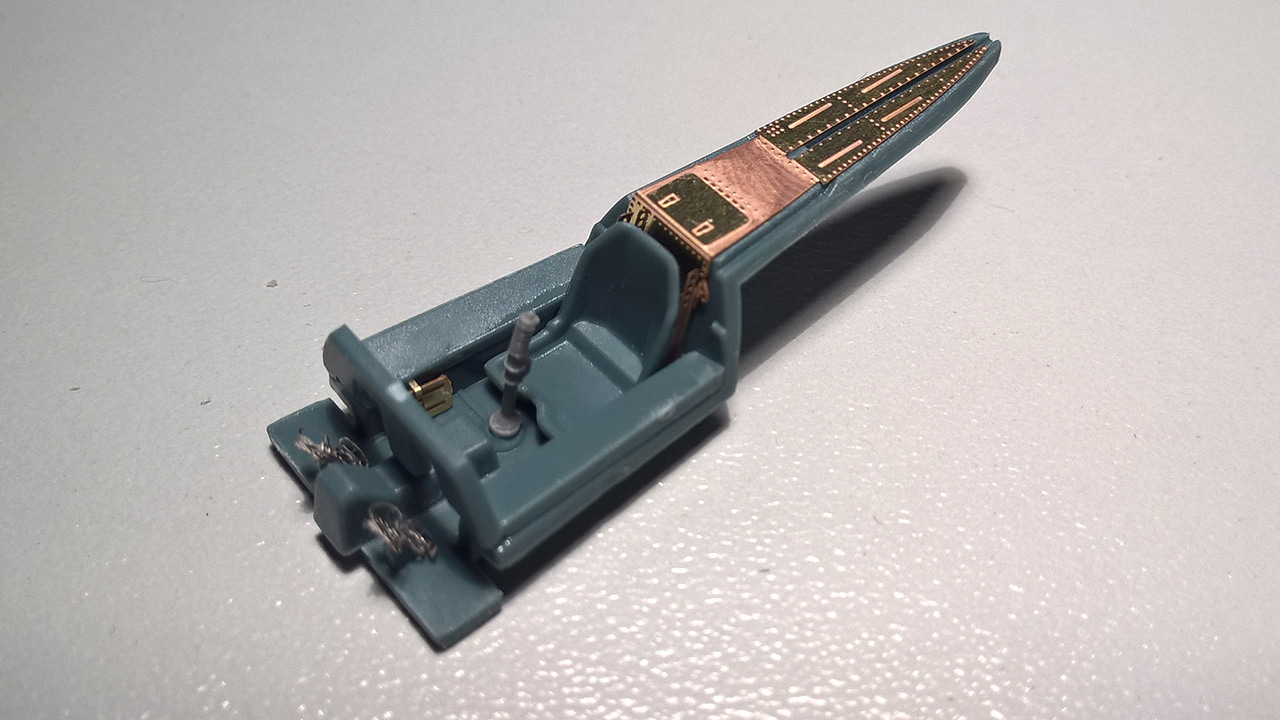
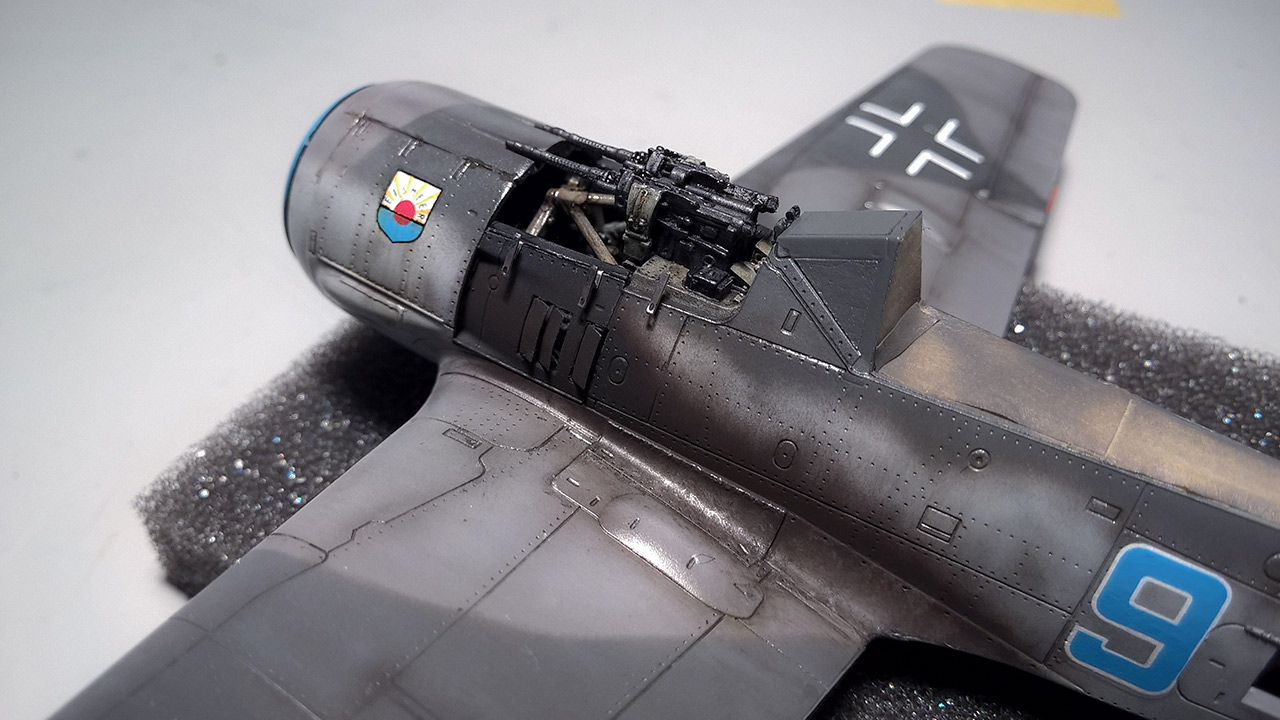
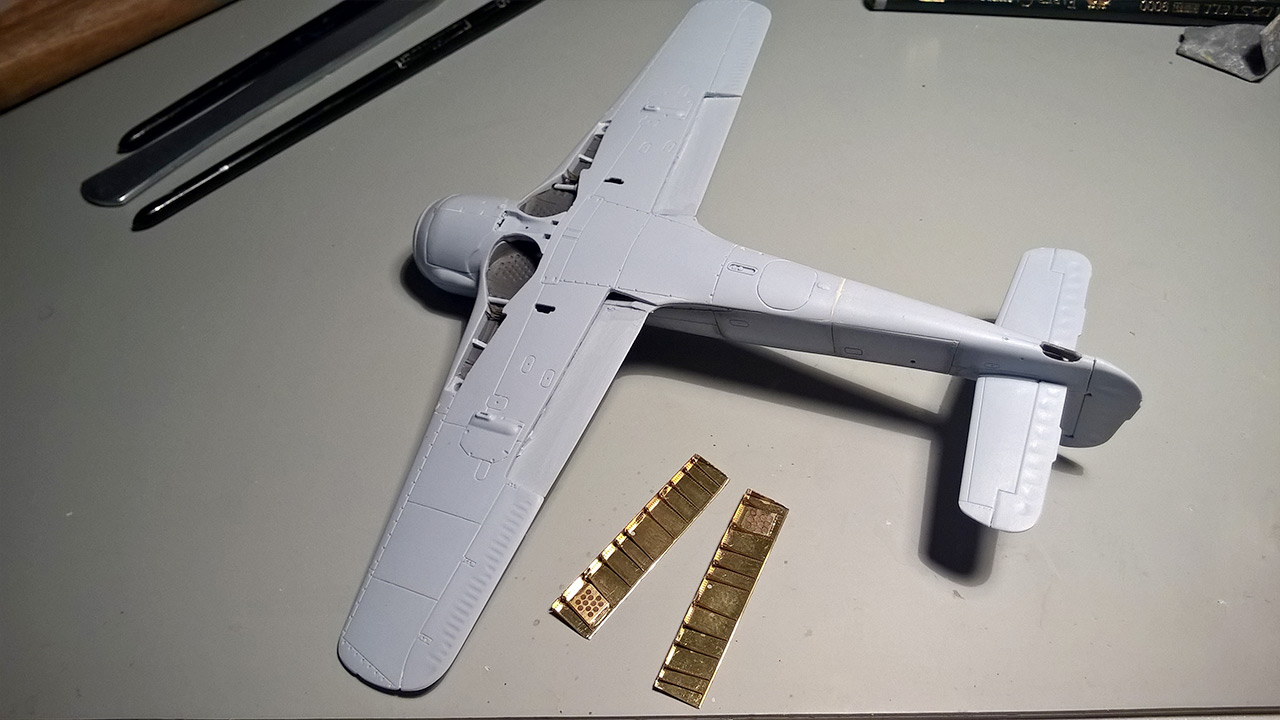
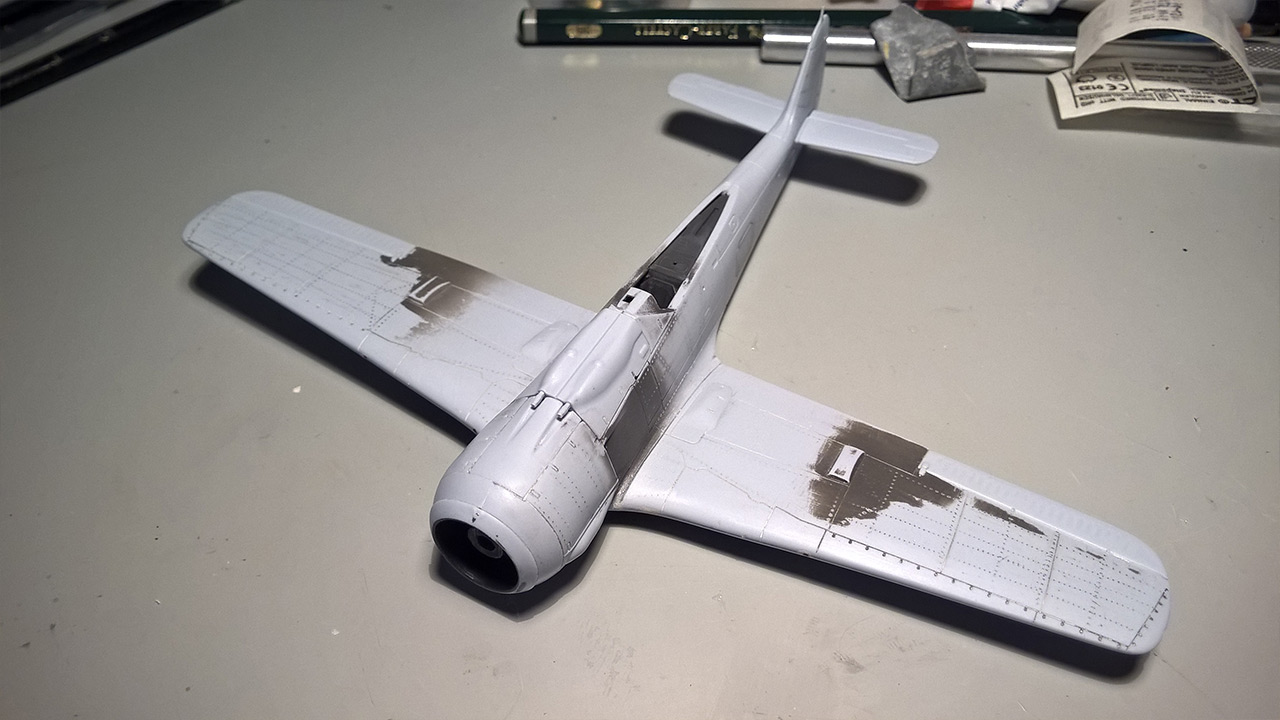
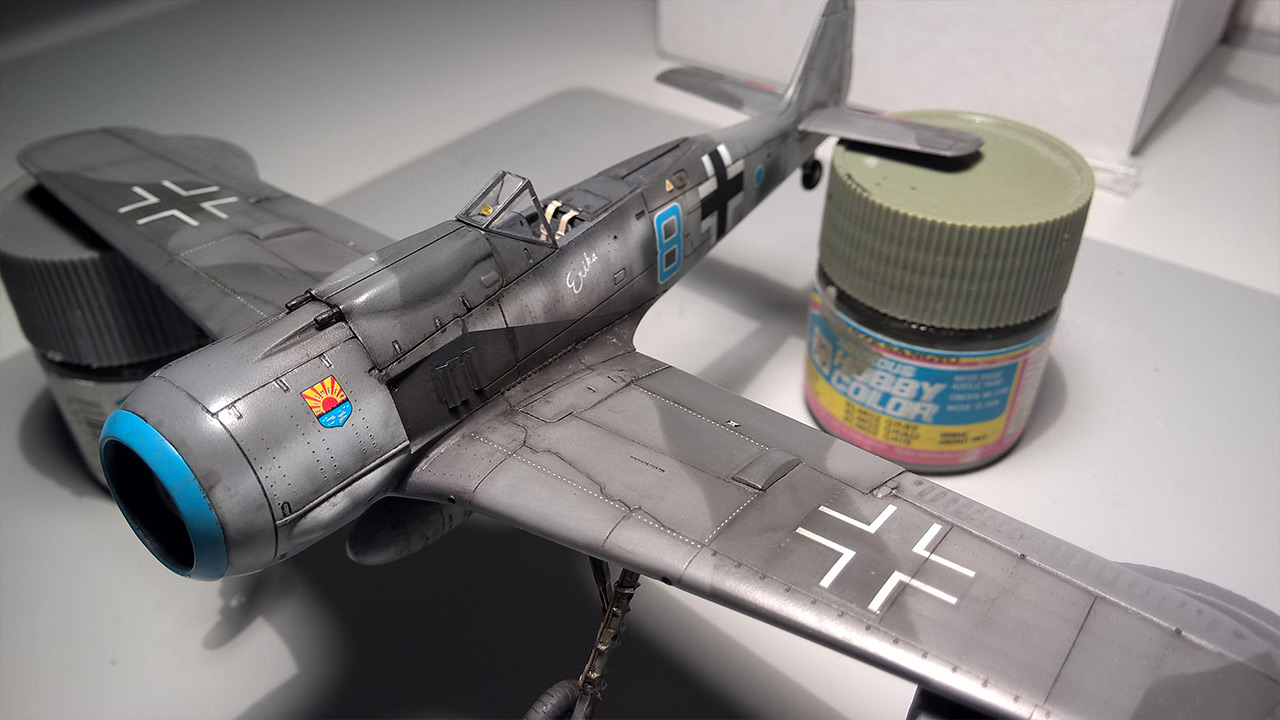
This rollout documents the Eduard ProfiPack #70111 — the kit Eduard themselves promoted as a "1/72 Revolution," and the claim is not entirely immodest. The ProfiPack includes pre-coloured photo-etched parts, a Brassin resin cockpit insert, and masks for the canopy and wheel hubs, making it arguably the most complete out-of-the-box 1/72 fighter kit available at the time of release. The build is demanding: the resin cockpit requires careful dry-fitting before the fuselage halves are brought together, and the photo-etch seatbelts and instrument faces, while superb, need patience and a steady hand. Surface detail across the kit is exquisite — the fasteners on the cowling panels are among the finest rivet details found in 1/72 scale. Decals from the EagleCals JG 5 Eismeer set (EC#9) were used throughout; they are printed by Cartograf and settle beautifully with a single application of Microsol. The three-tone camouflage — RLM 74, RLM 75, and RLM 76 — was sprayed freehand, and the mottling on the fuselage sides was built up in thin successive coats to achieve the soft-edged look characteristic of late-war Luftwaffe field application.
Colours & Markings
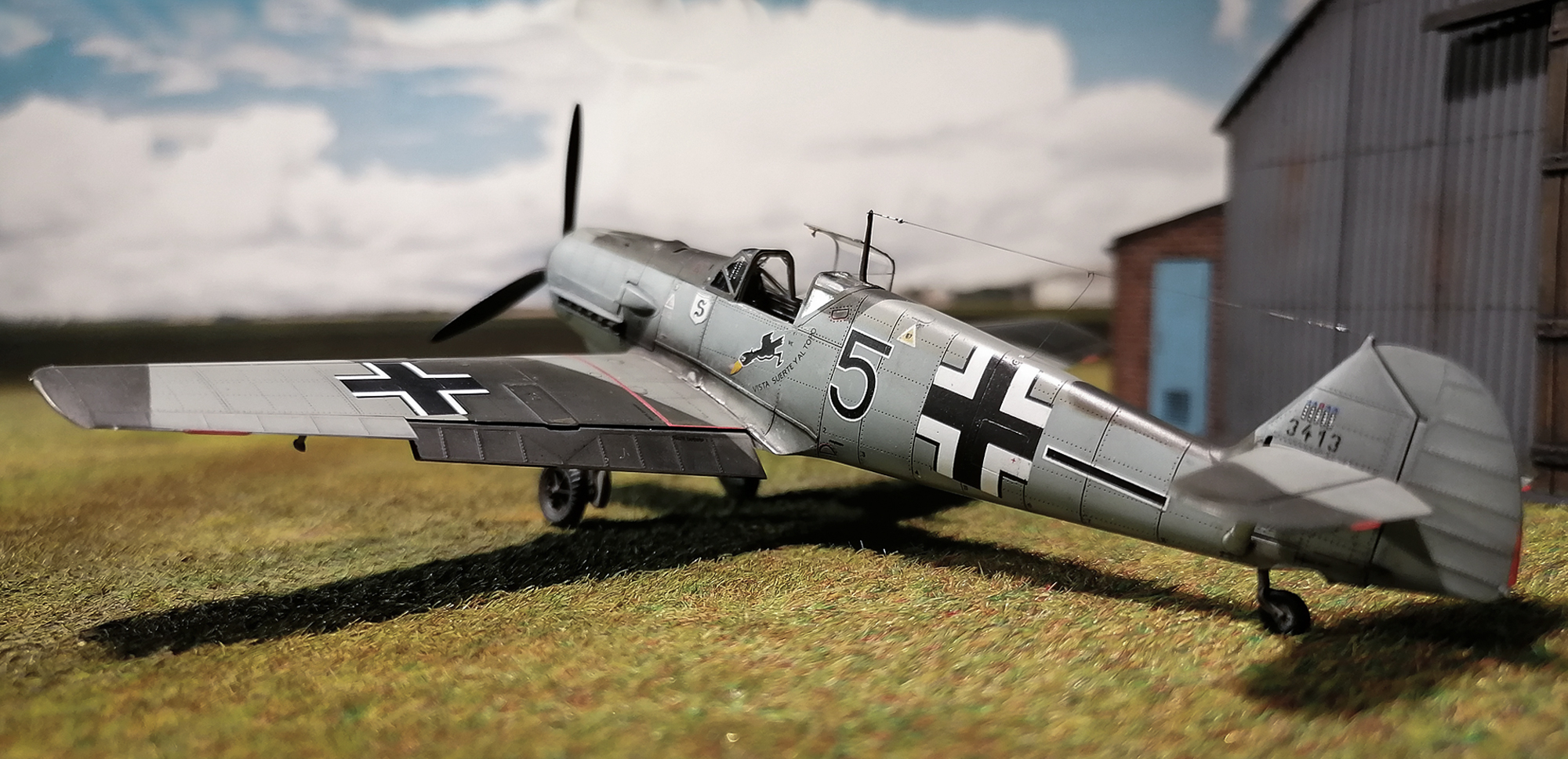
The Airfix Fw-190 A-8 in 1/72 arrived in 2014 from all-new tooling and retails for around €7, making it one of the most affordable gateway kits for the subject. Placed next to the Eduard build, it holds up remarkably well in overall outline and planform accuracy — Airfix clearly invested in correct geometry. Where it trails is surface texture: the engraved panel lines are notably coarser and required careful sanding and rescribing before painting. The cockpit is basic, and the undercarriage geometry differs subtly from the Eduard tool. The EagleCals EC#9 decal set was used on both models to ensure a fair marking comparison, and the finished pair makes for a compelling display — the sister machines demonstrating what a price differential of nearly a factor of ten actually buys in 1/72. One unresolved question hangs over both builds: the tail fin colour of Koch's "Blue 9." Period sources and profile references disagree, citing either white or yellow, and the debate remains genuinely open among JG 5 researchers. The white interpretation was chosen here, but the uncertainty is acknowledged.
 E01
E01
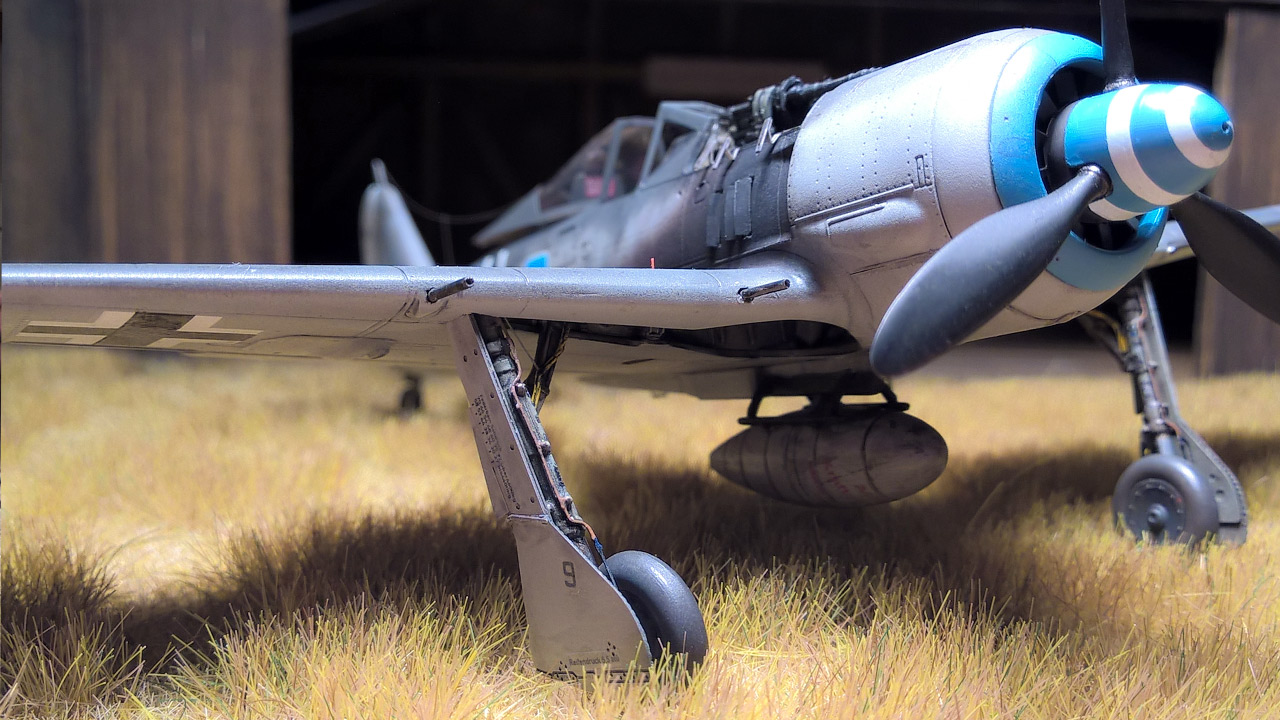 E02
E02
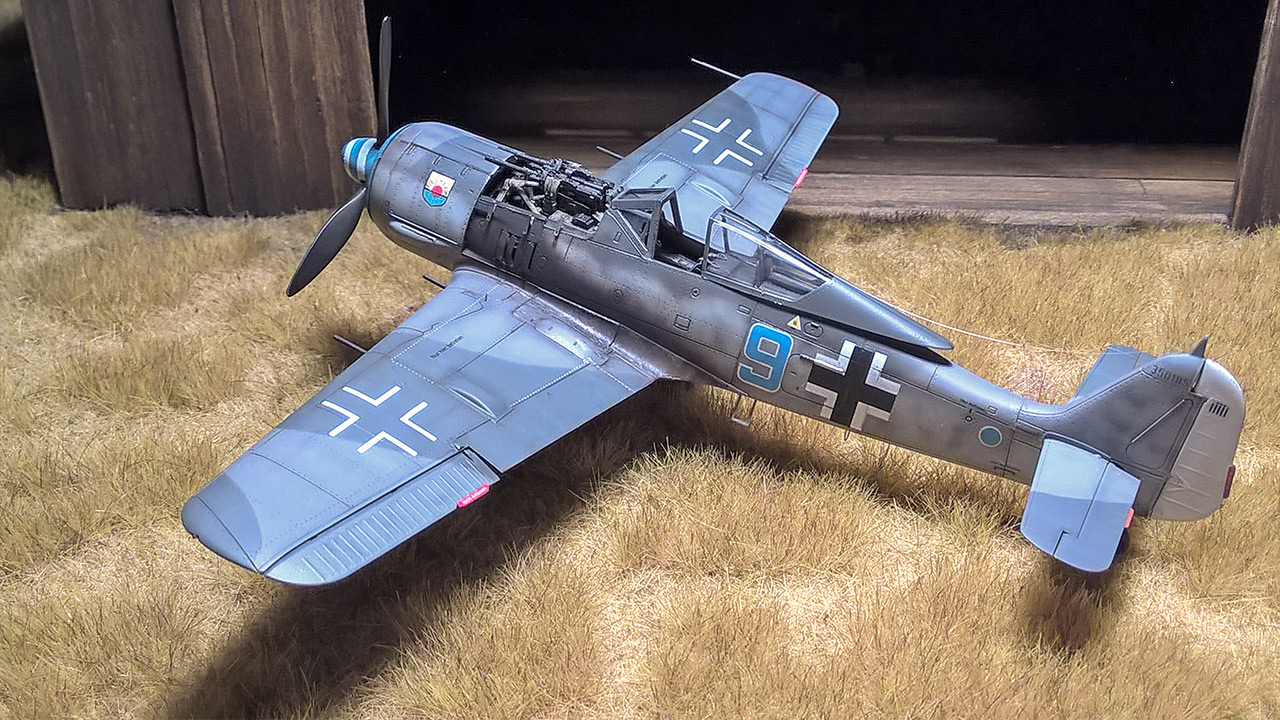 E03
E03
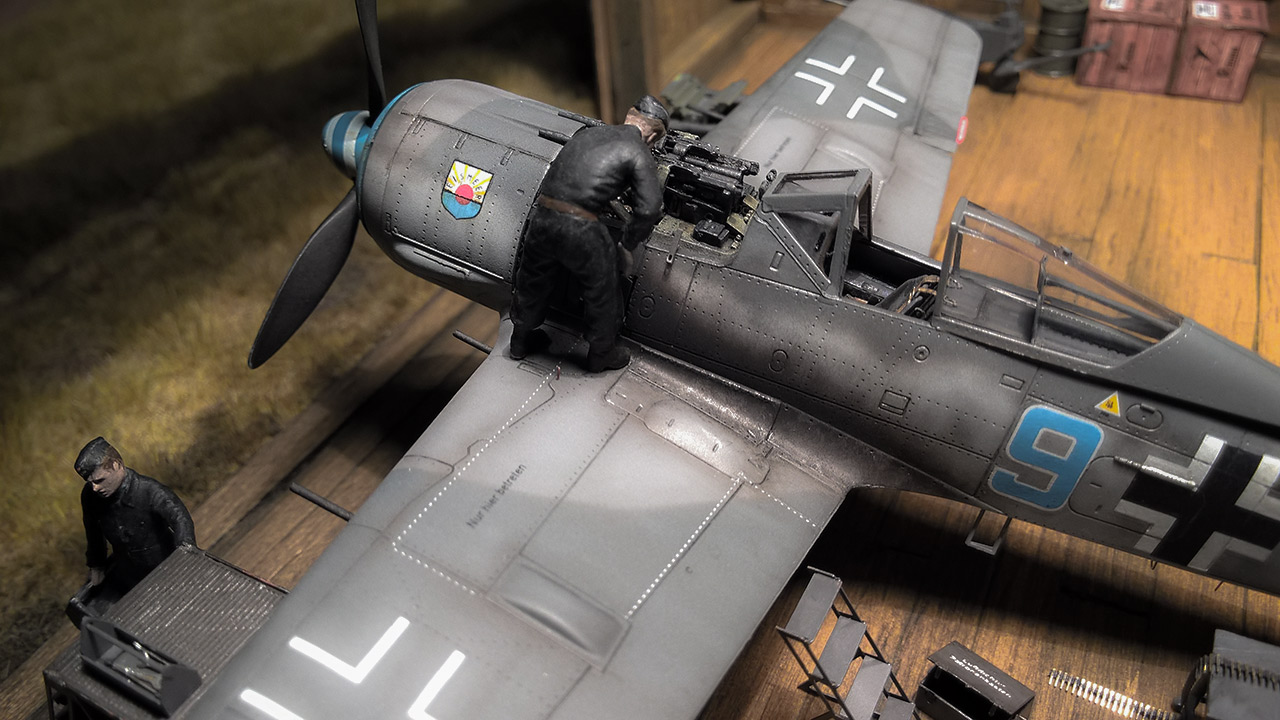 E04
E04
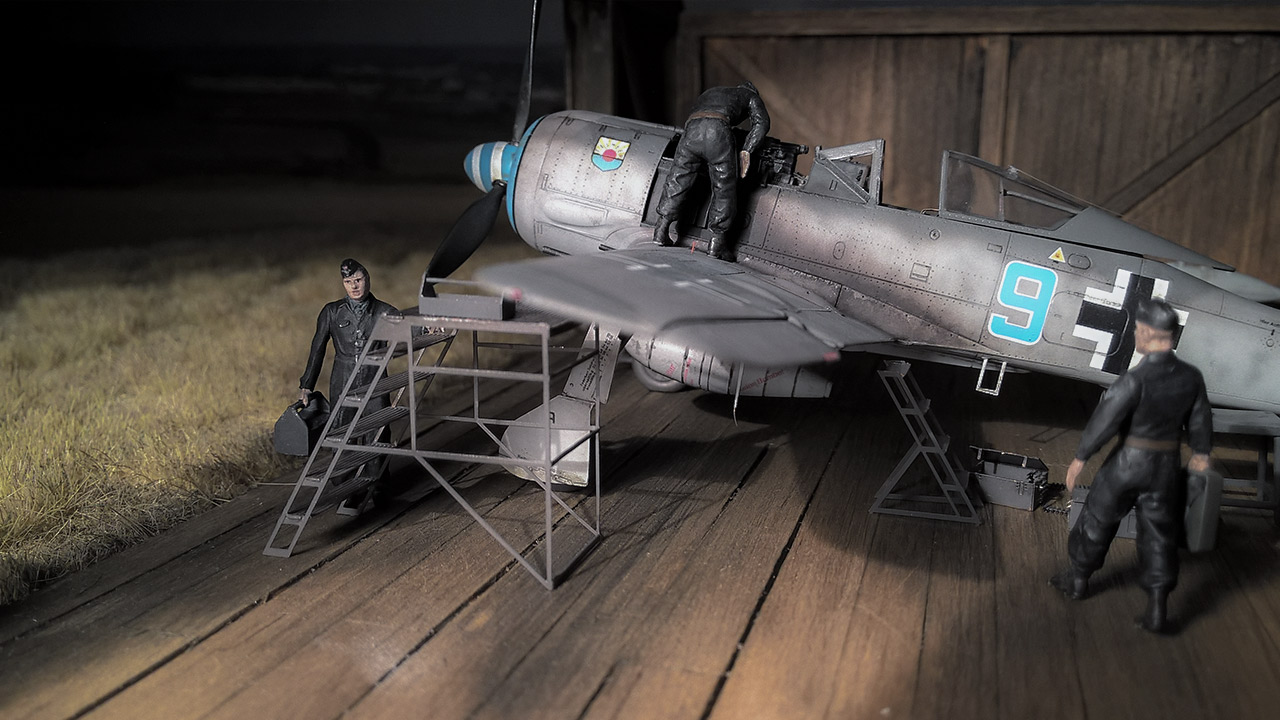 E05
E05
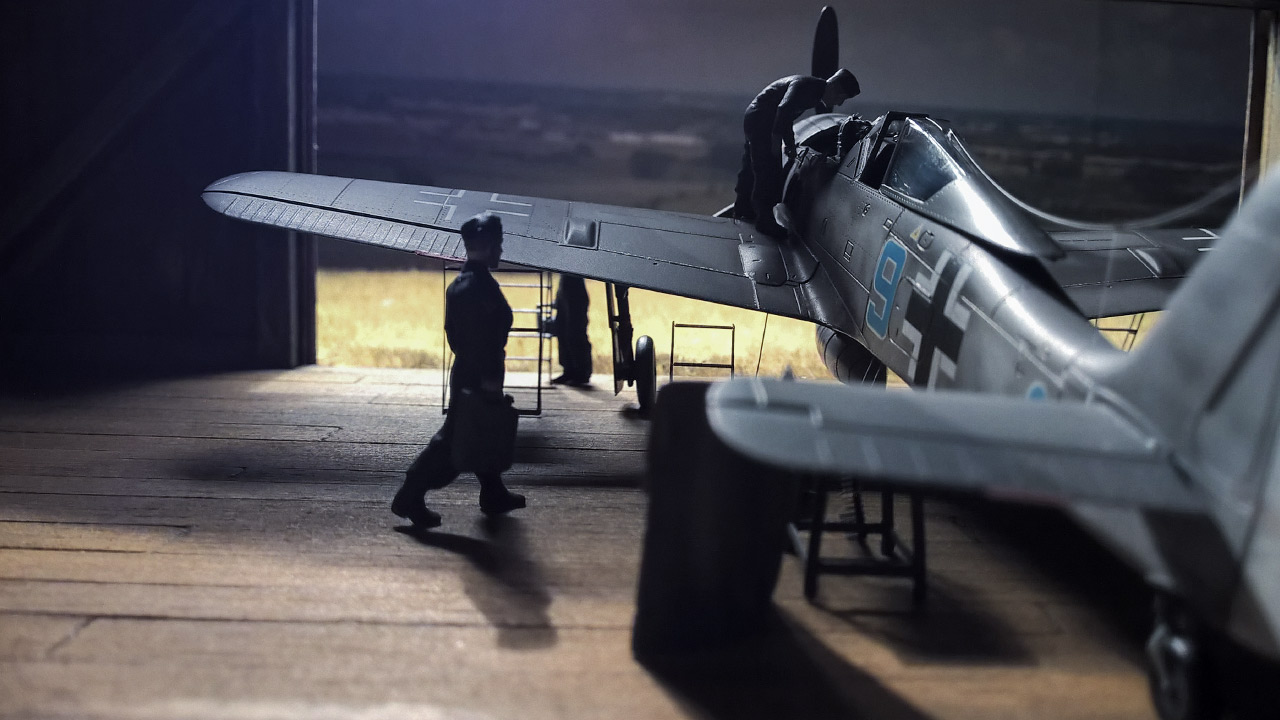 E06
E06
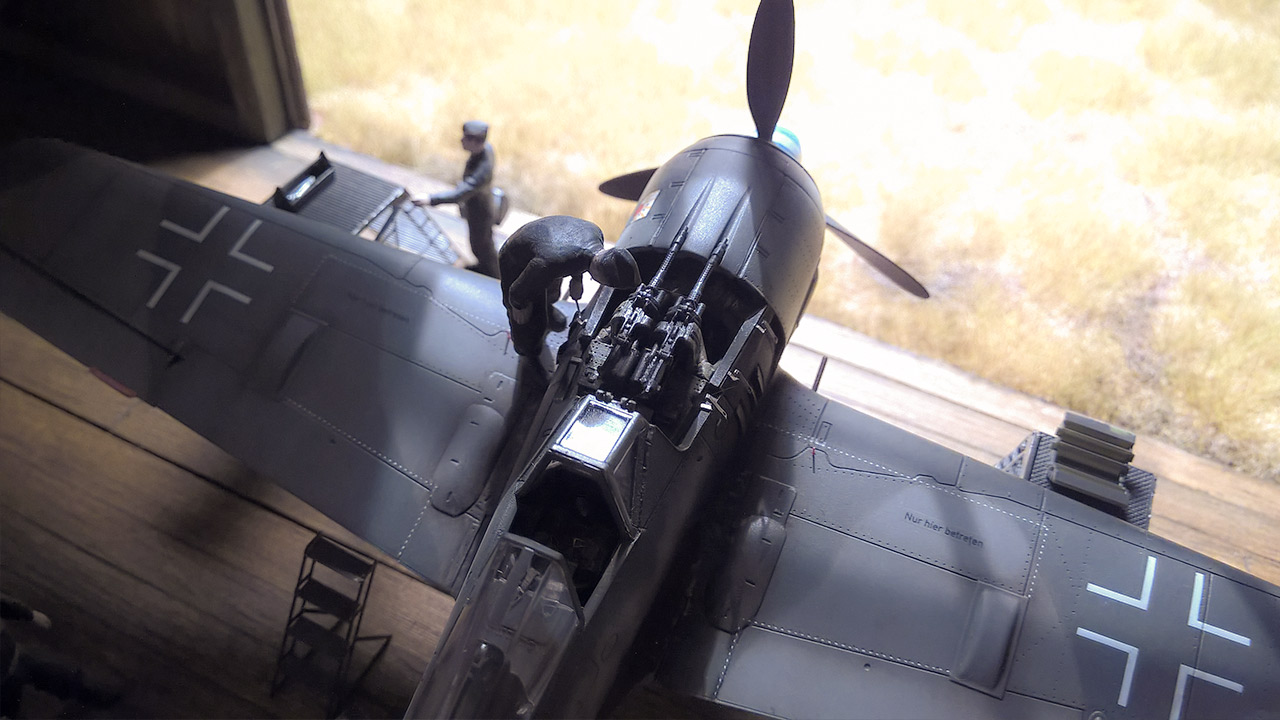 E07
E07
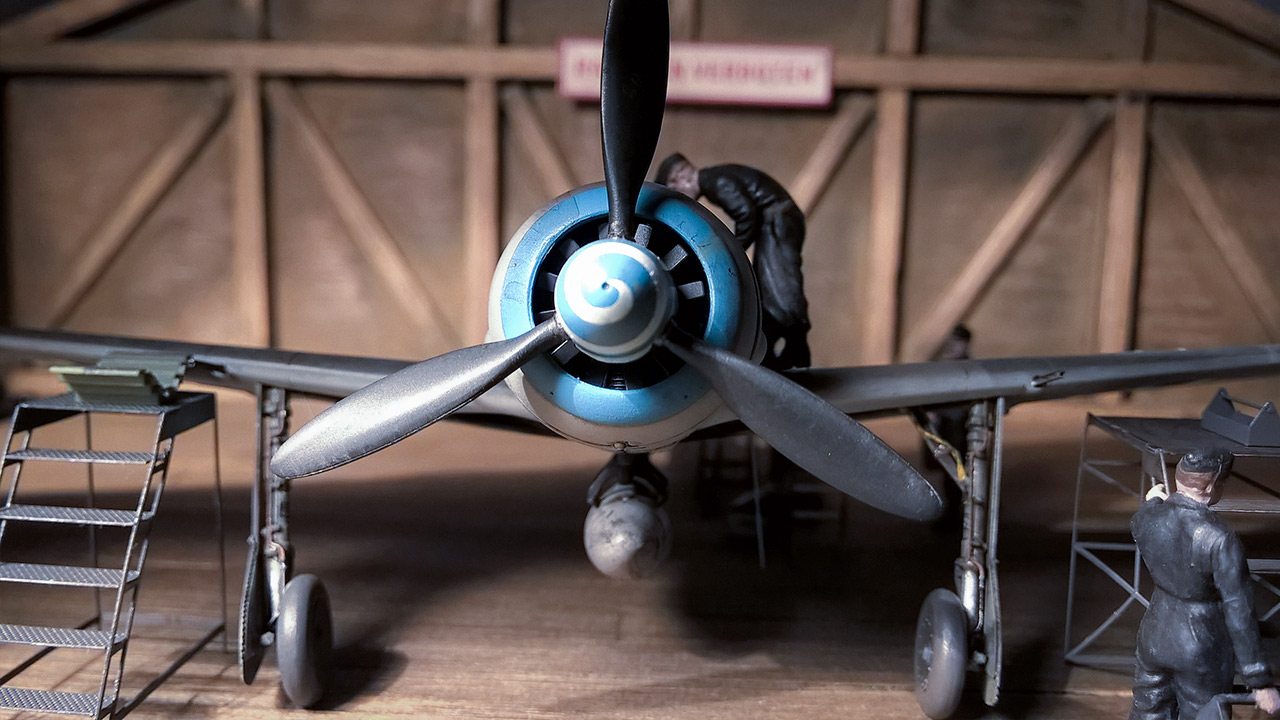 E08
E08
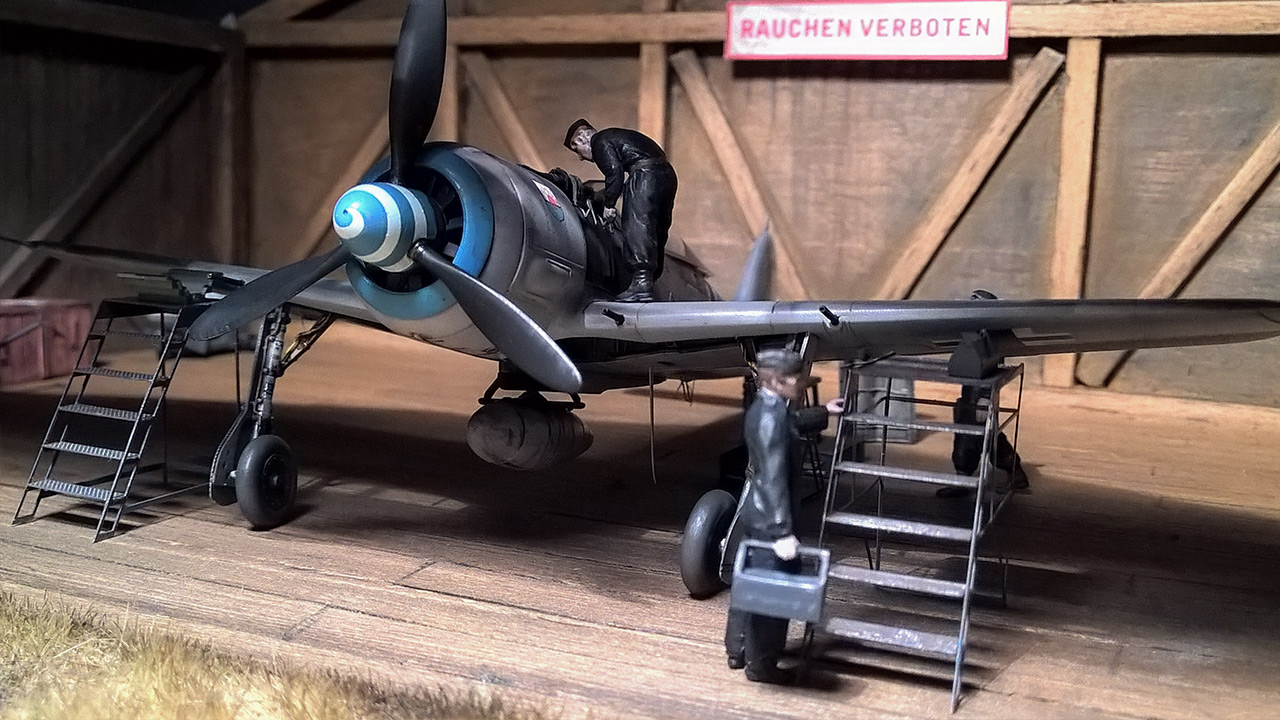 E09
E09
 E10
E10
 E11
E11
 E12
E12
 E13
E13
 E14
E14
 E15
E15
 E16
E16
 E17
E17
 E18
E18
 E19
E19
 E20
E20
 E21
E21
 A01
A01
 A02
A02
 A03
A03
 A04
A04
 A05
A05
 A06
A06
 A07
A07
 A08
A08
 A09
A09
 A10
A10
 C01
C01
 C02
C02
 C03
C03
 B01
B01
 B02
B02
 B03
B03
 F01
F01
 F02
F02
 F03
F03