Photography
Rollout Gallery
 01
01
 02
02
 03
03
 04
04
 05
05
 06
06
 07
07
 08
08
 09
09
 10
10
 11
11
 12
12
 13
13
 14
14
 15
15
 16
16
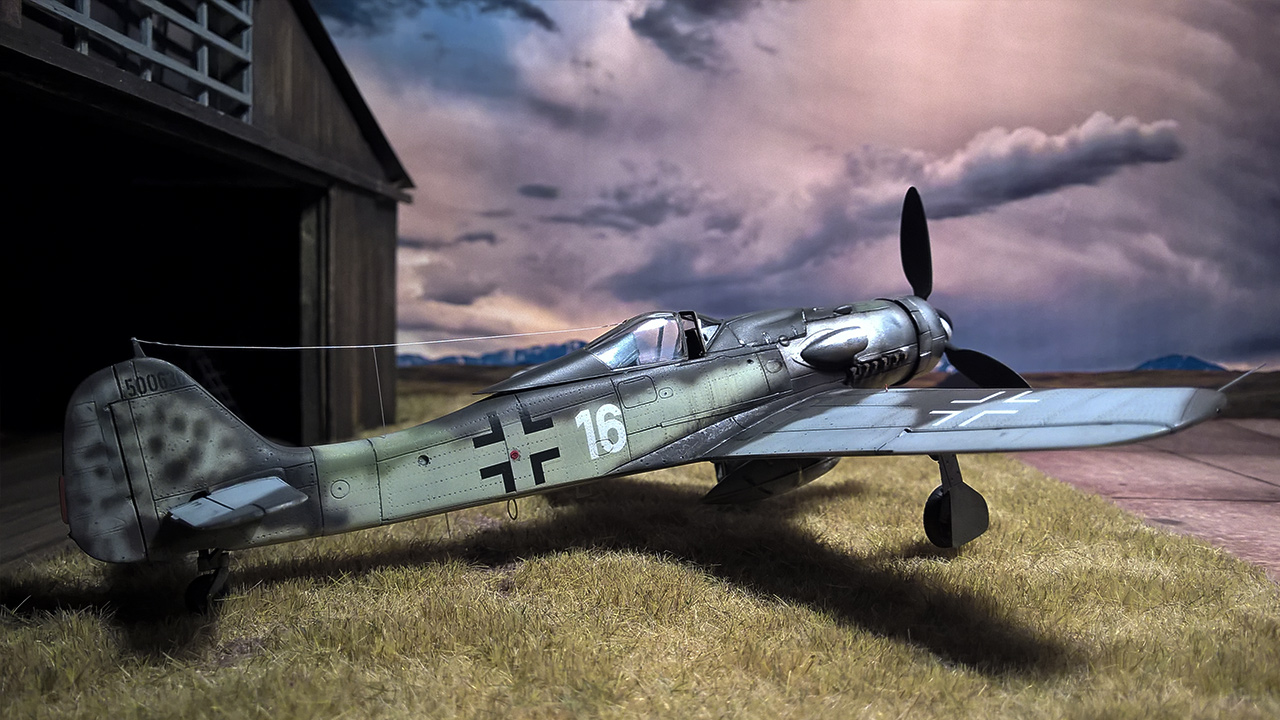
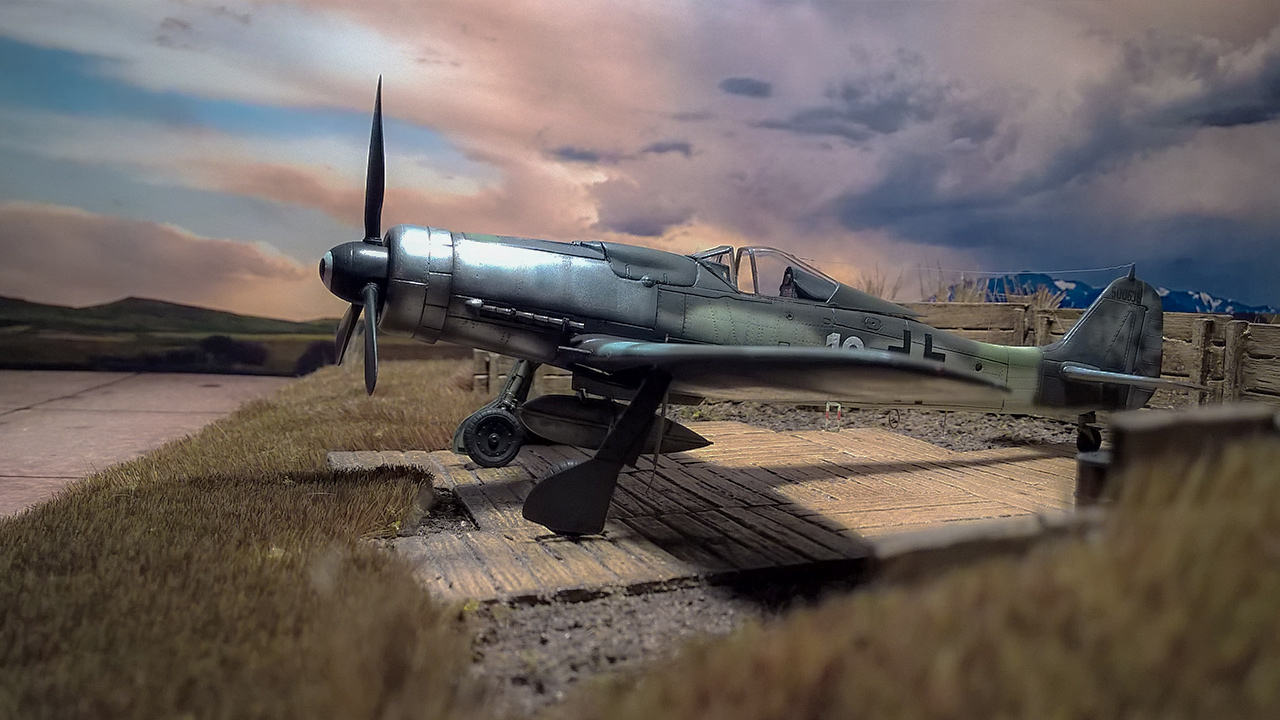
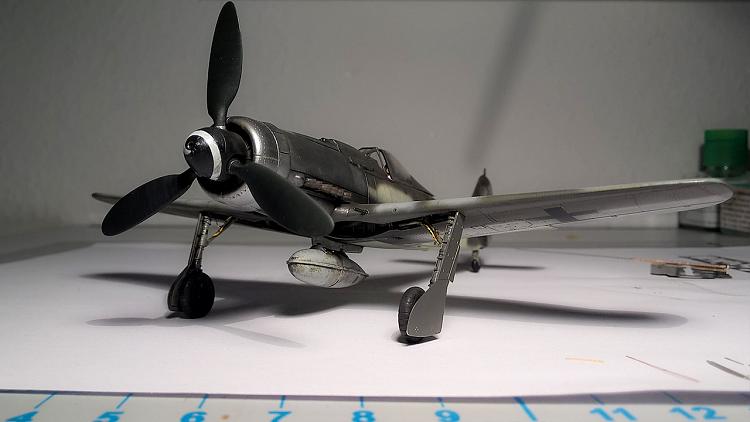
By the autumn of 1944 the radial-engined Focke-Wulf Fw 190 was struggling at altitude against the latest Allied fighters — the P-51D and Spitfire Mk.XIV in particular. The answer was the D-9, known to its pilots as the "Dora-9" or simply "Langnasen-Dora" — the long-nosed Dora. Replacing the BMW 801 with a Junkers Jumo 213 A-1 twelve-cylinder inline engine transformed the aircraft's high-altitude performance while retaining the excellent low-level characteristics that had made its predecessors so feared. Producing around 1,750 hp with MW-50 methanol-water injection, the Jumo 213 gave the D-9 a top speed of roughly 686 km/h at 6,600 metres — competitive with anything the Allies could field at that stage of the war. Entering service with III./JG 54 in September 1944, the Dora went on to equip JG 2, JG 4, JG 26, and several other units tasked with defending German airspace during the final desperate months of the conflict.
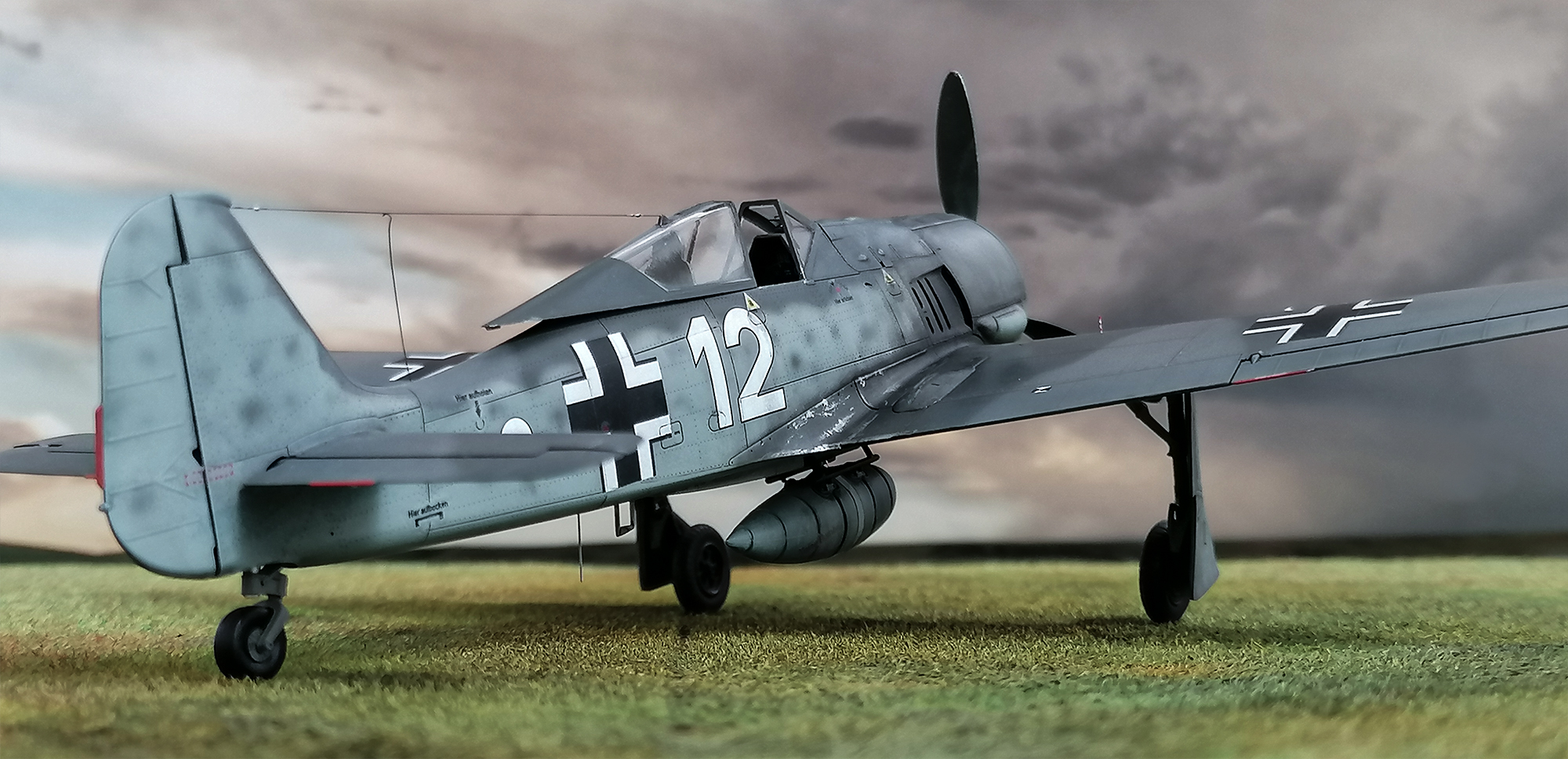
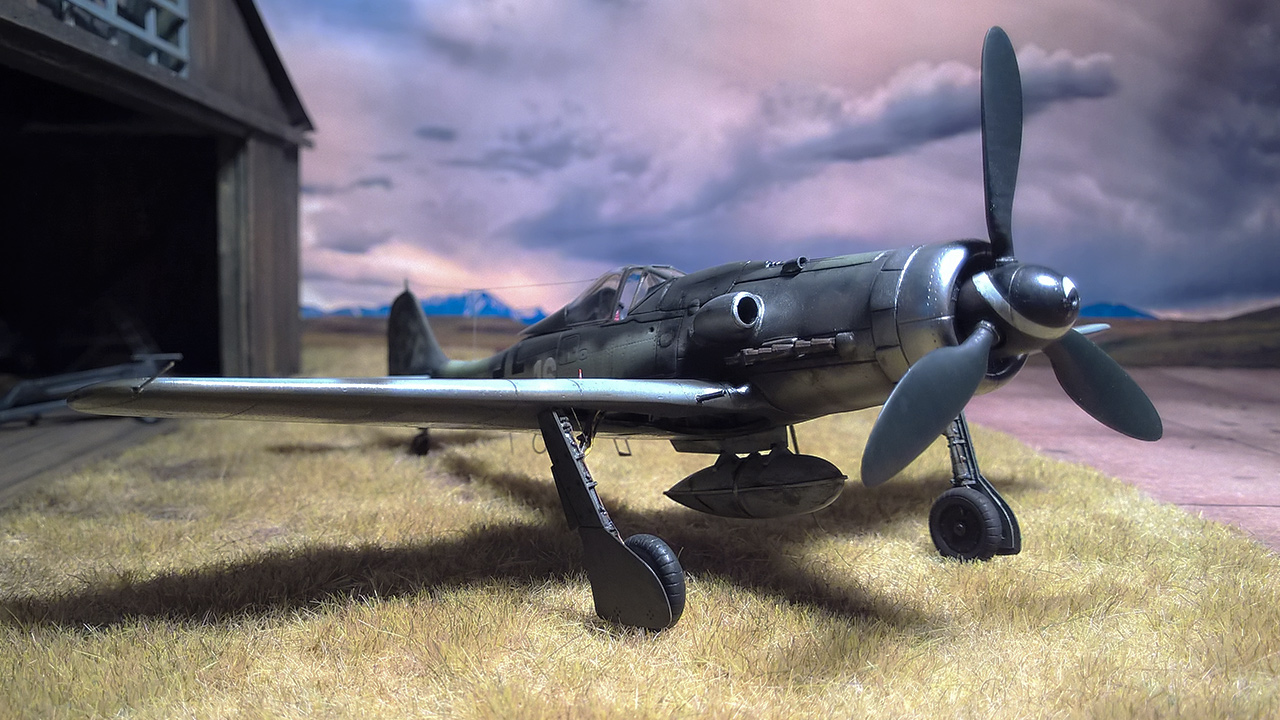
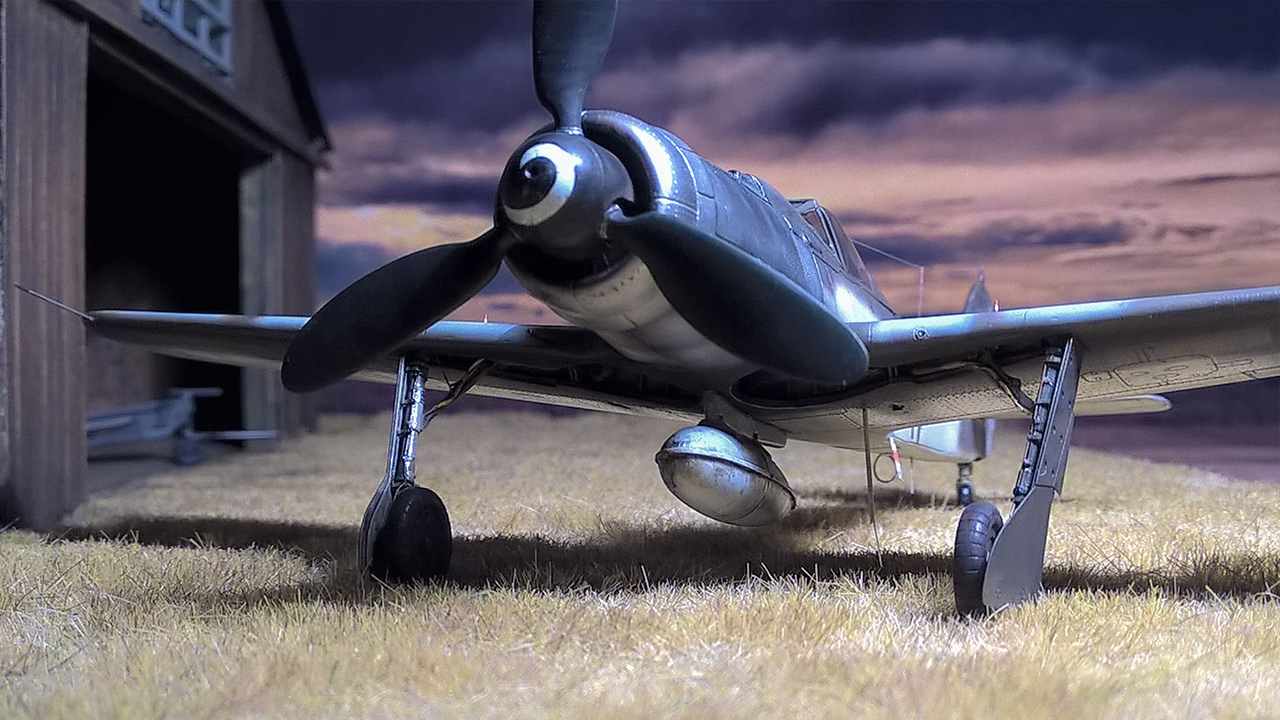
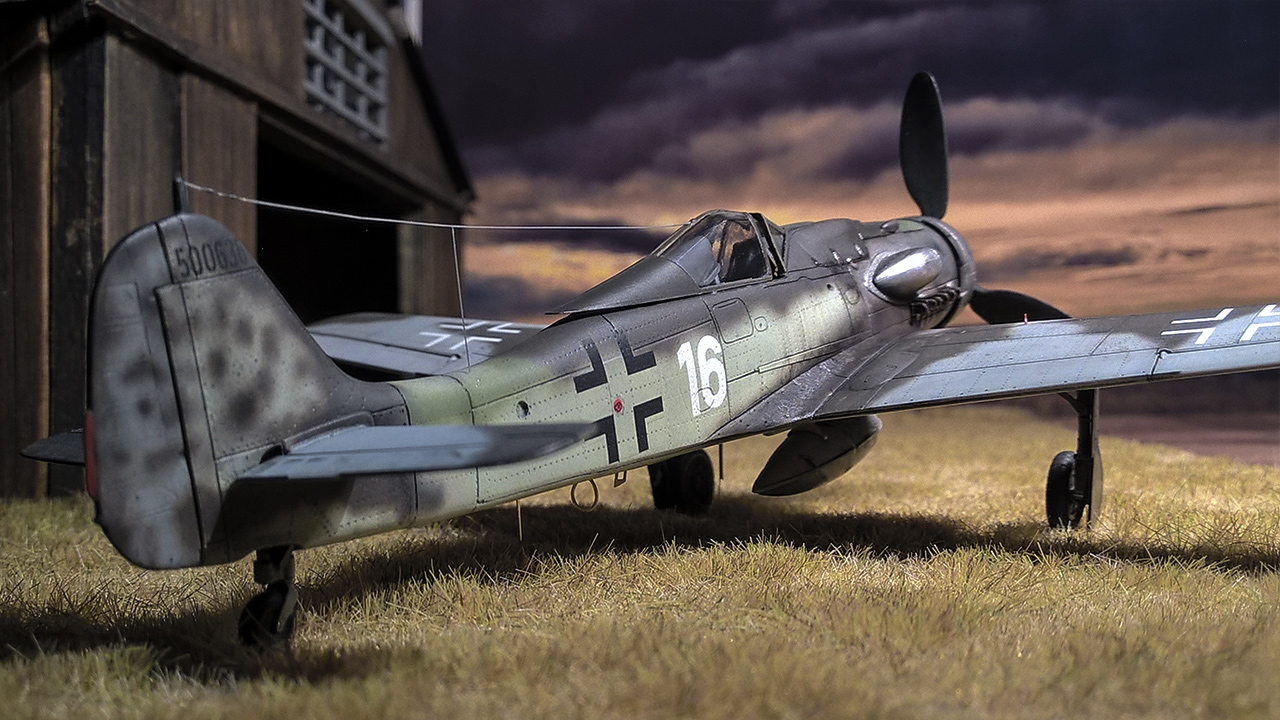
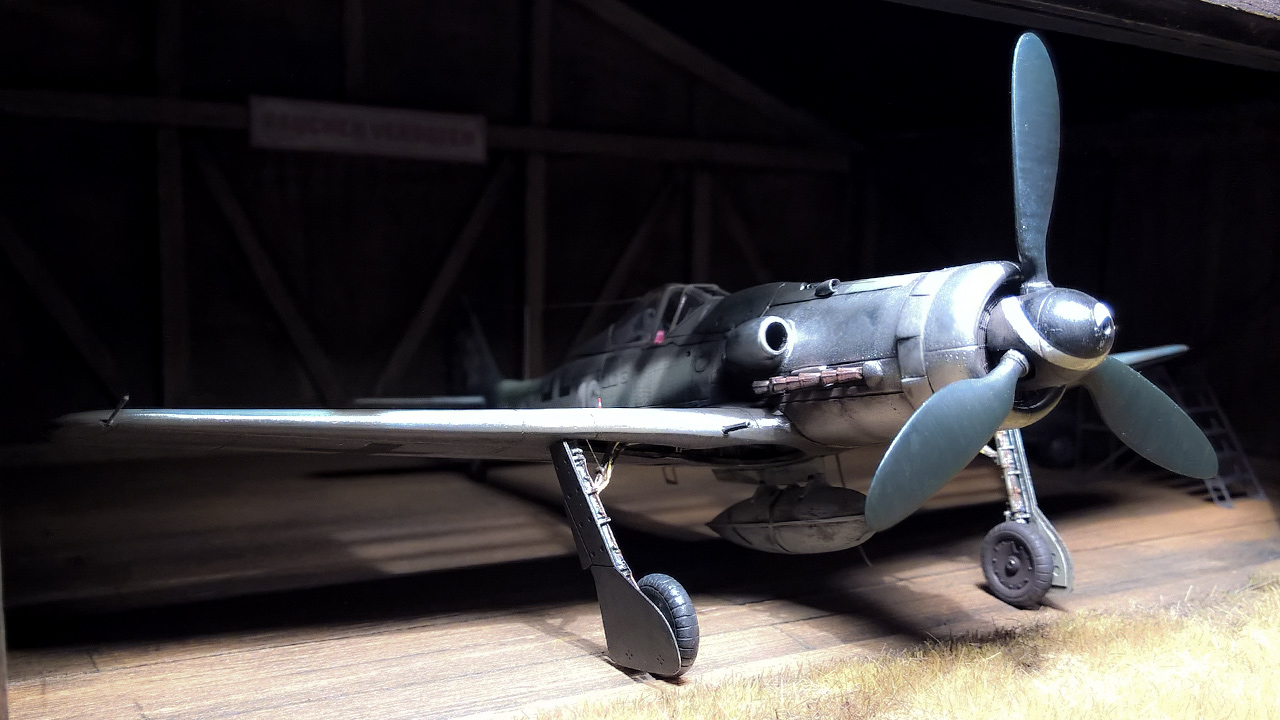
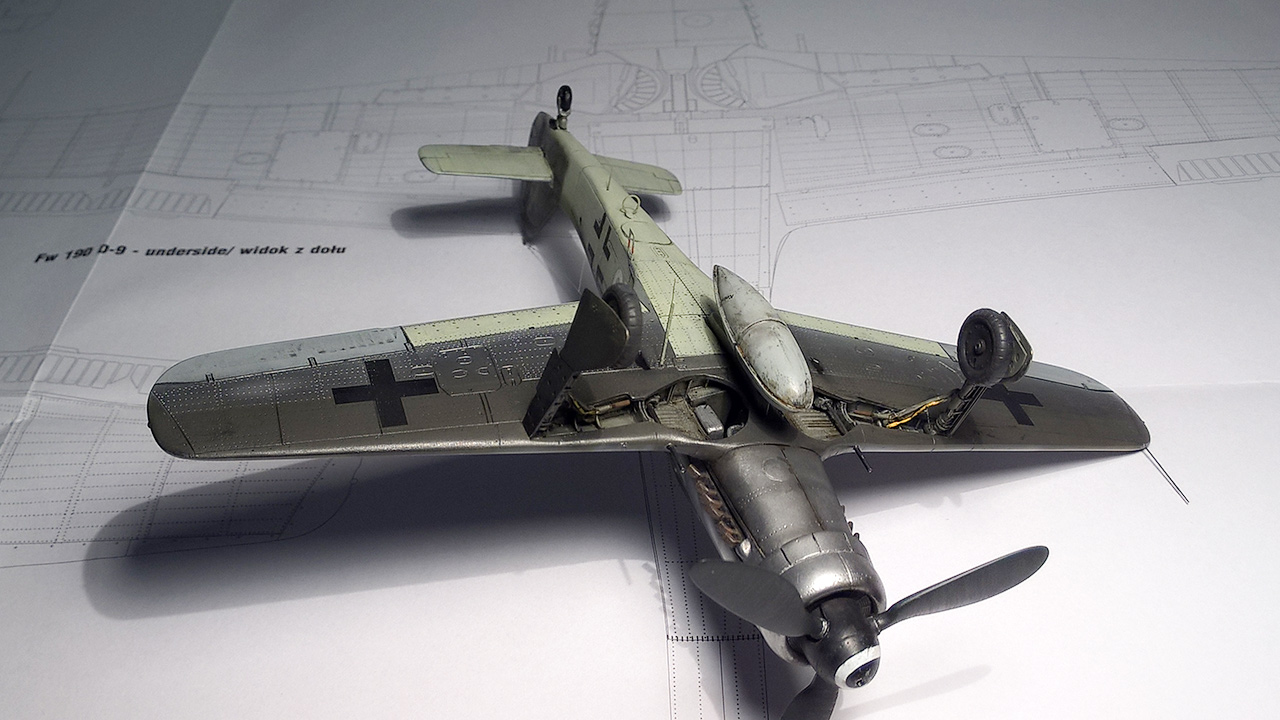
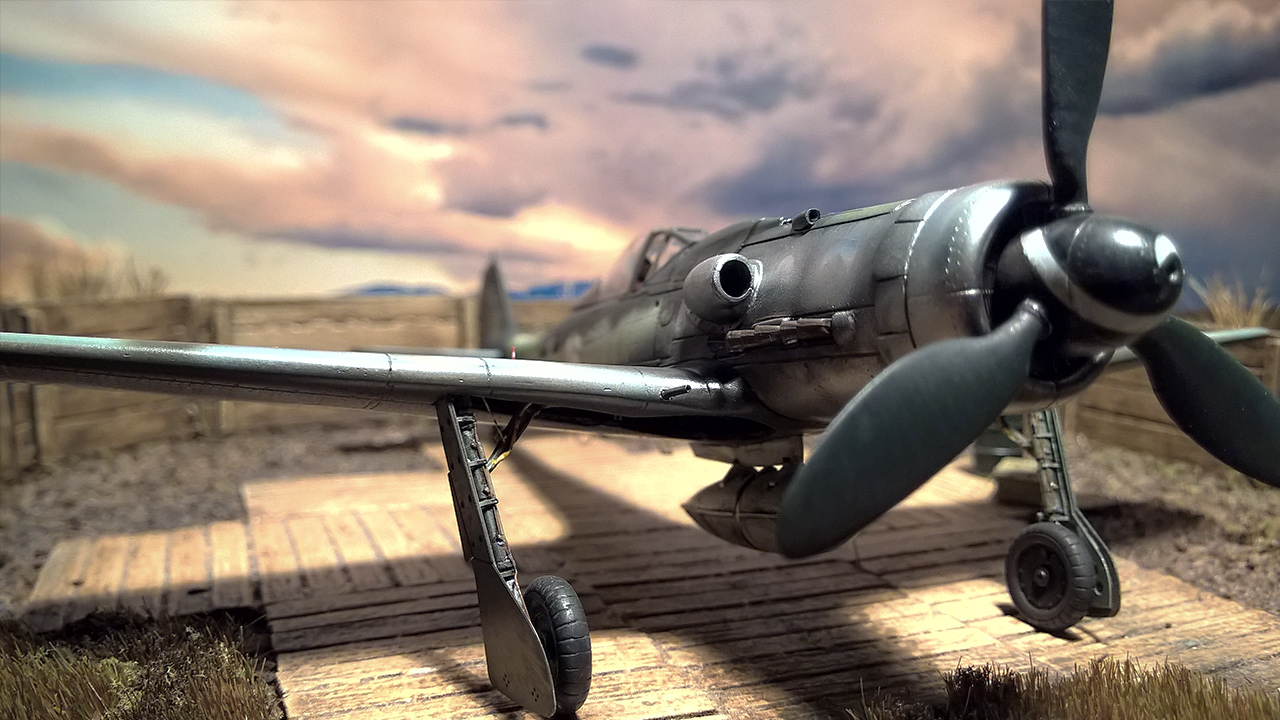
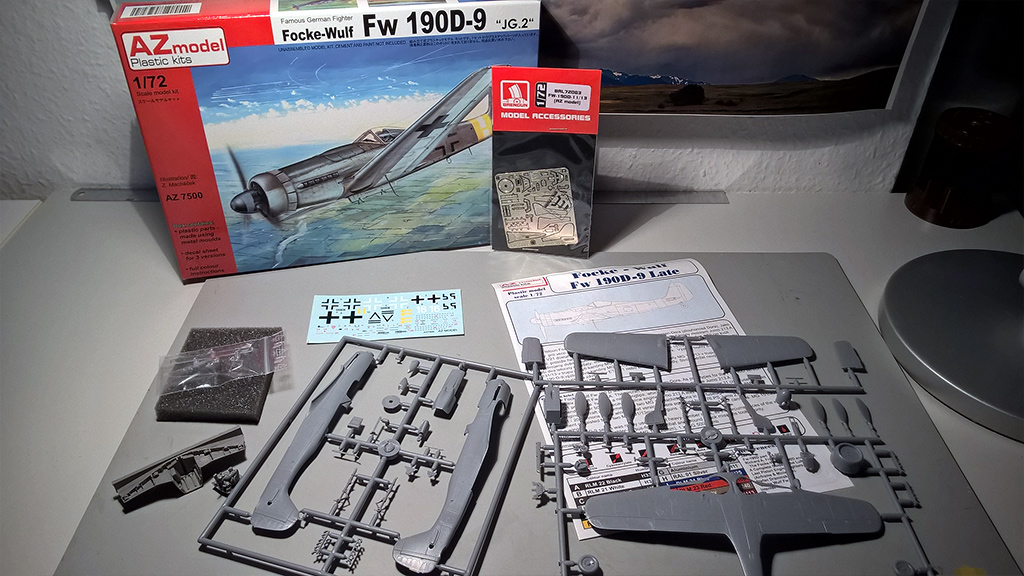
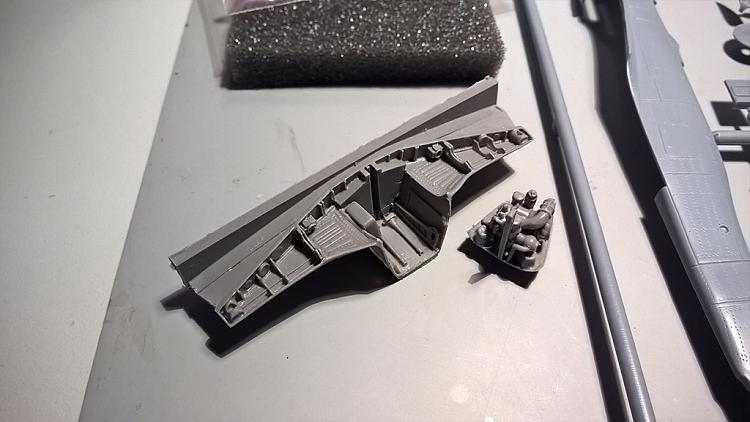
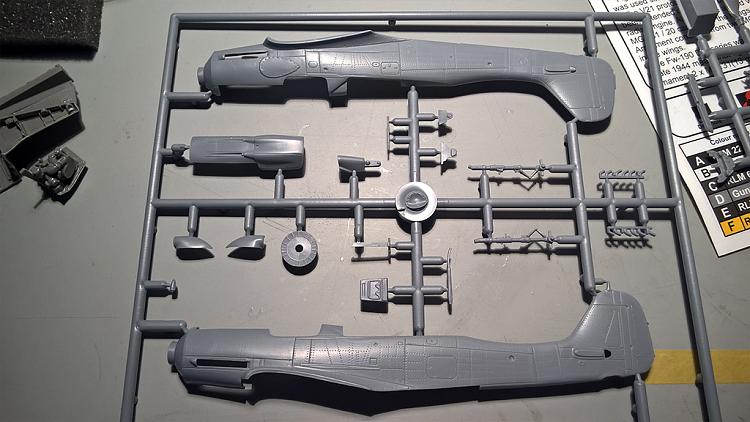
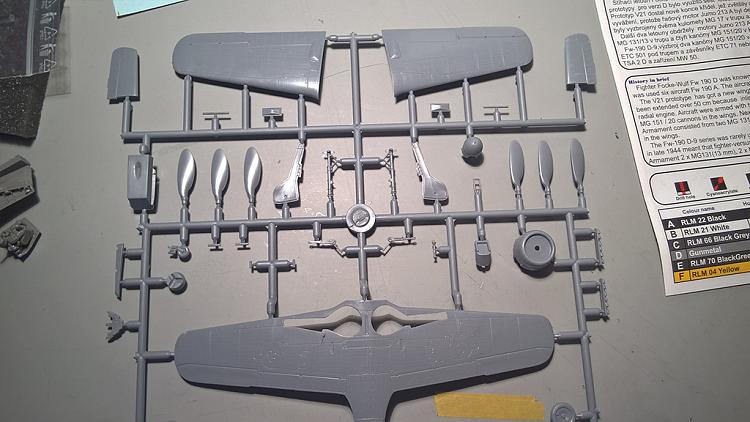
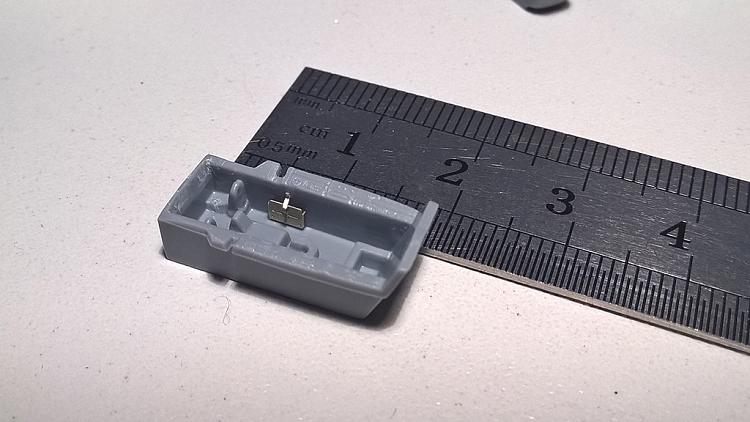
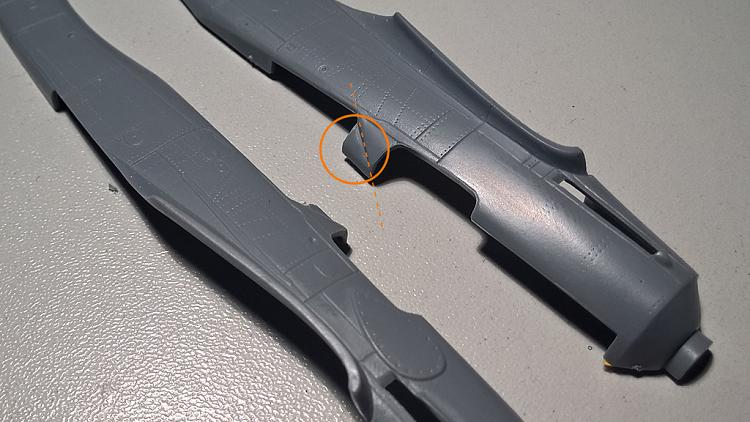
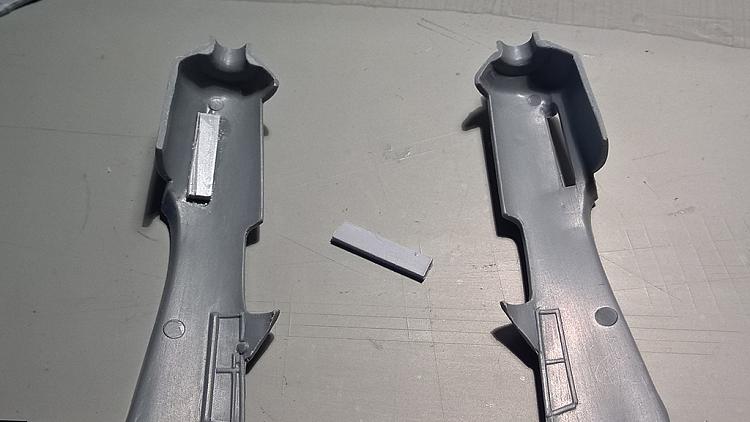
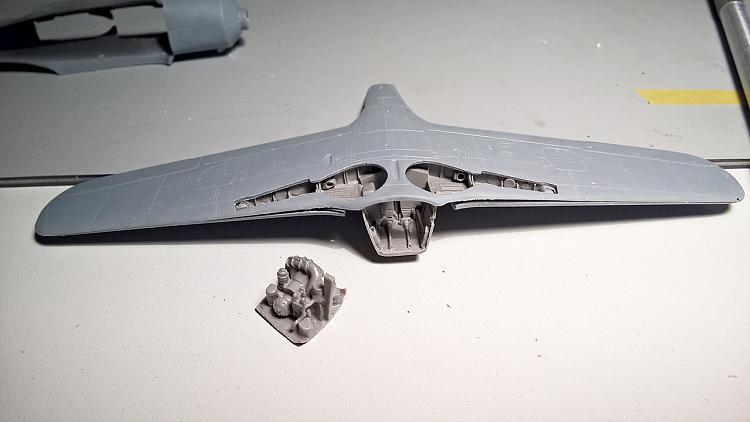
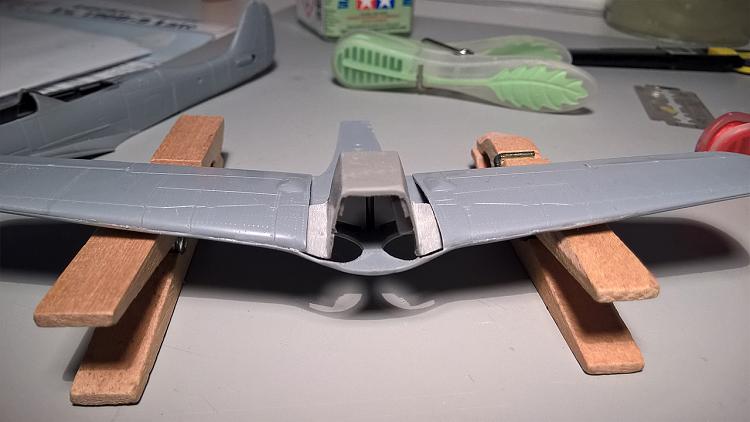
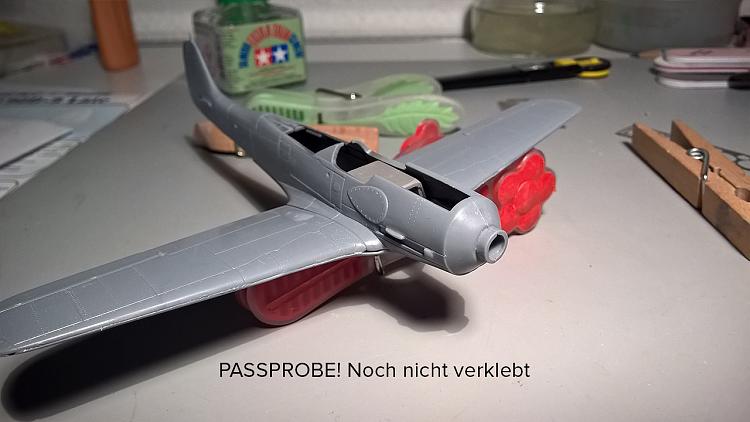
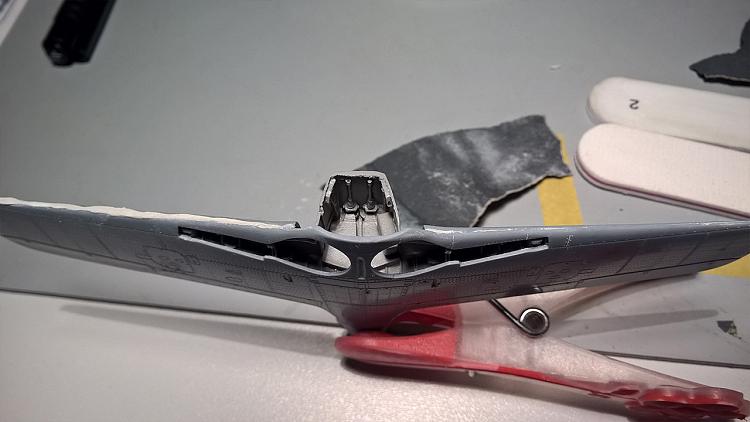
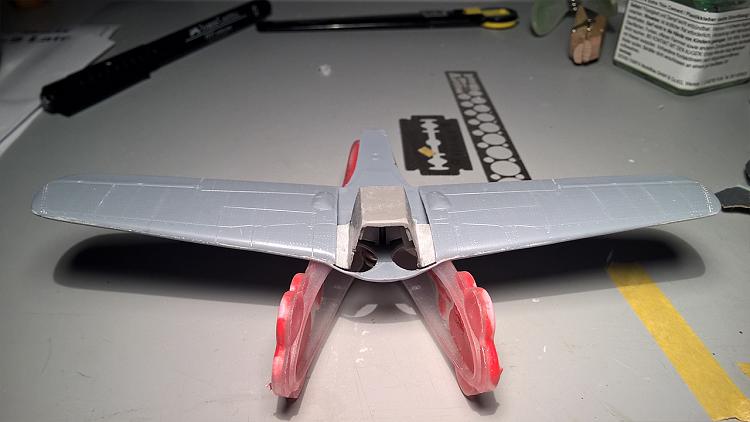
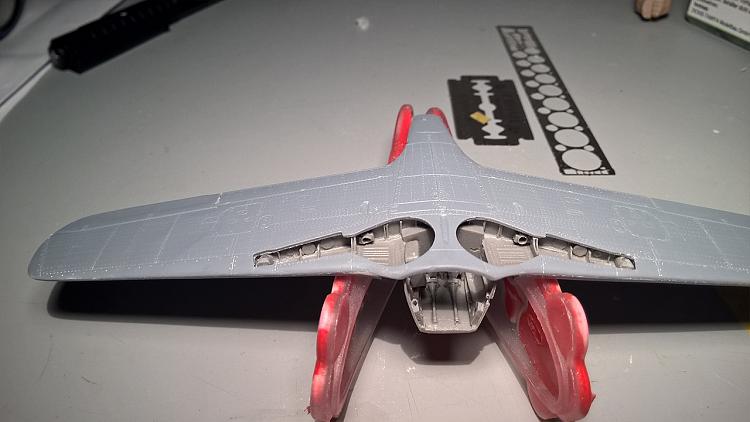
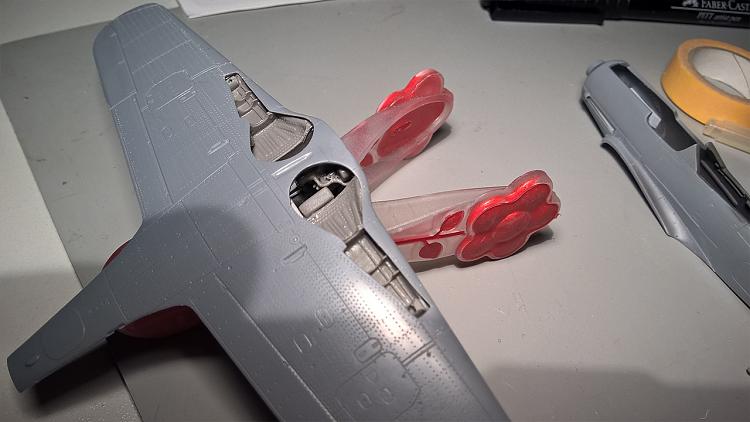
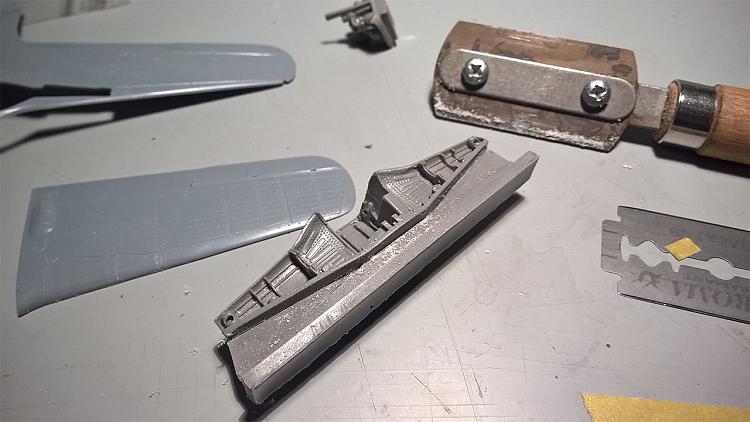
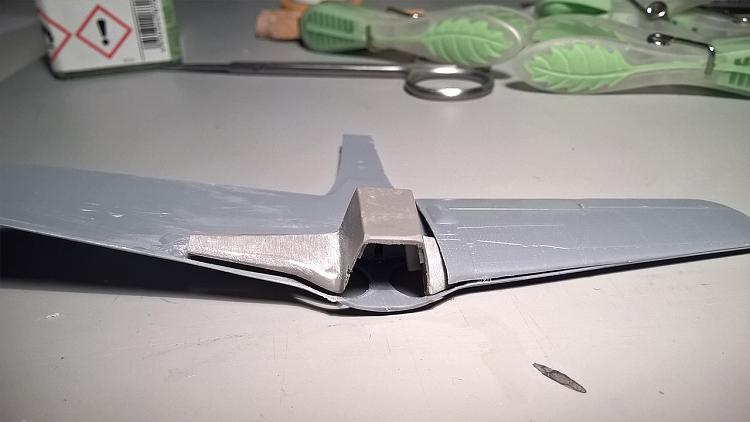
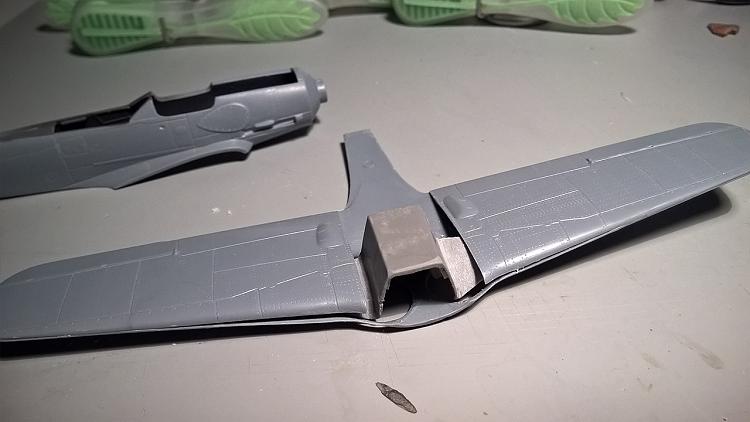
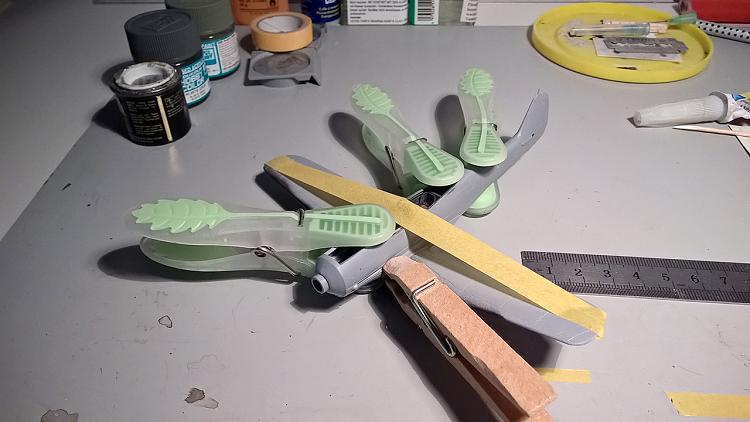
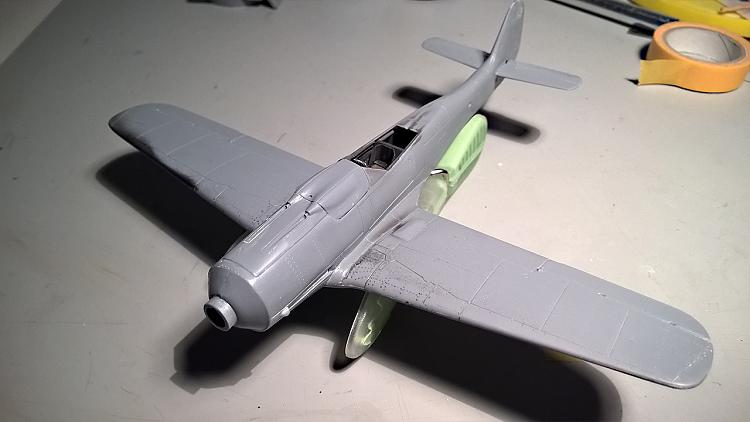
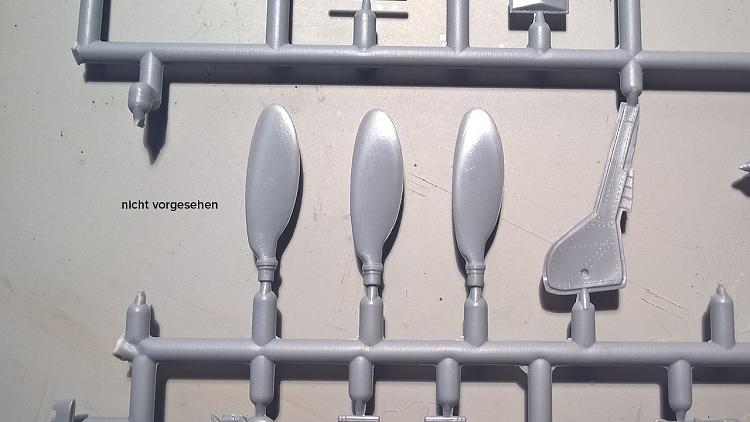
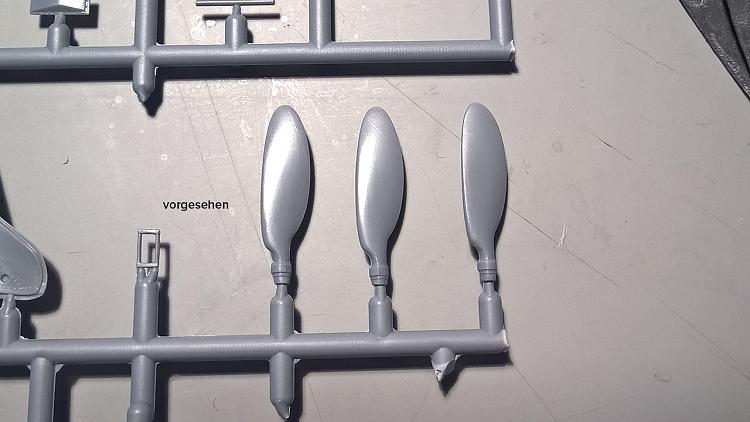
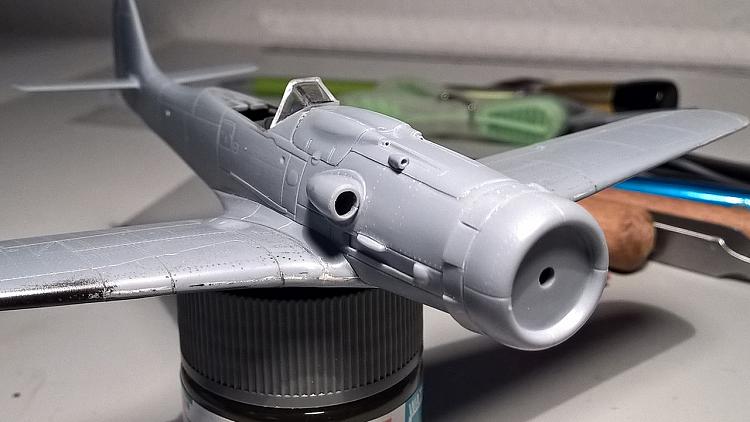
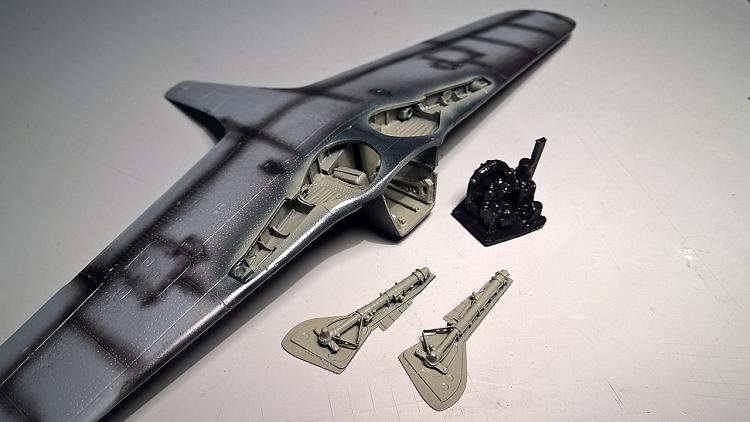
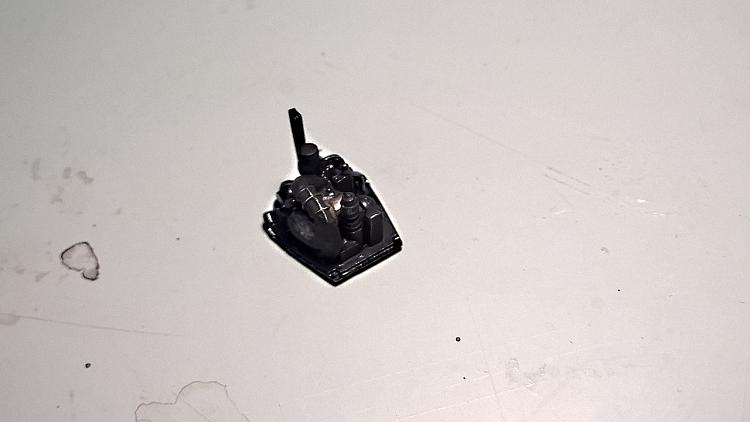
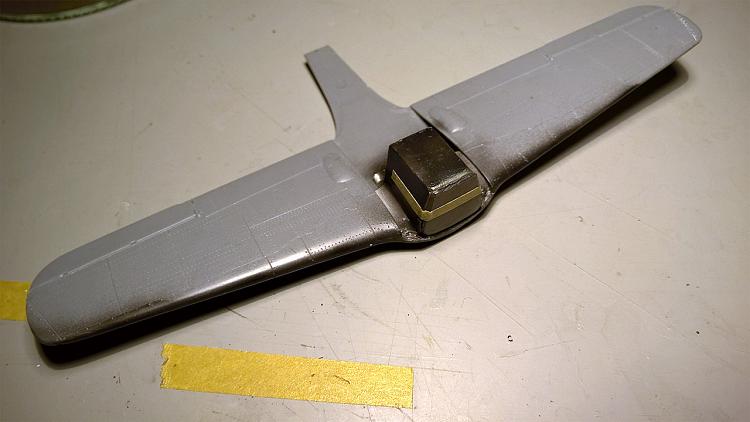
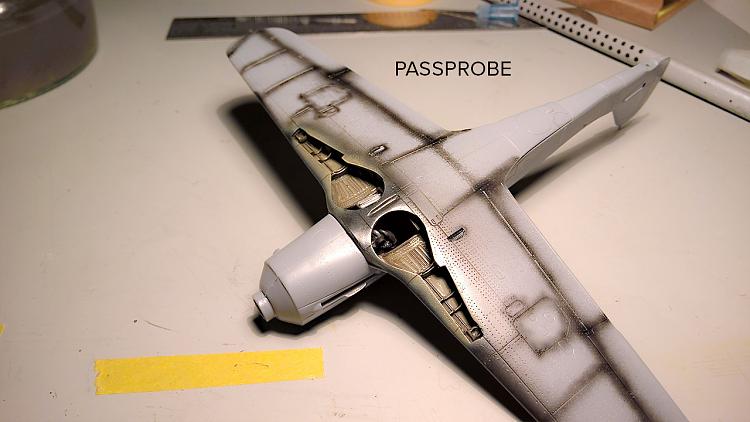
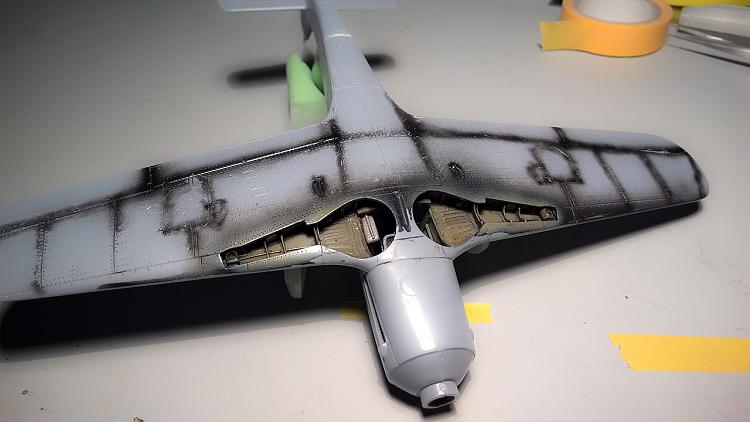
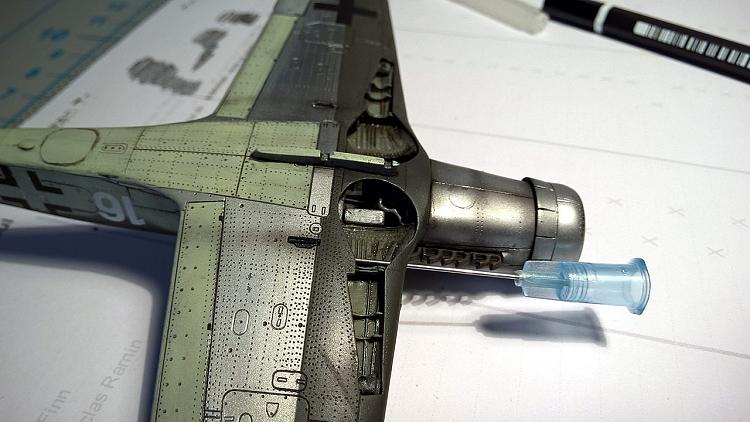
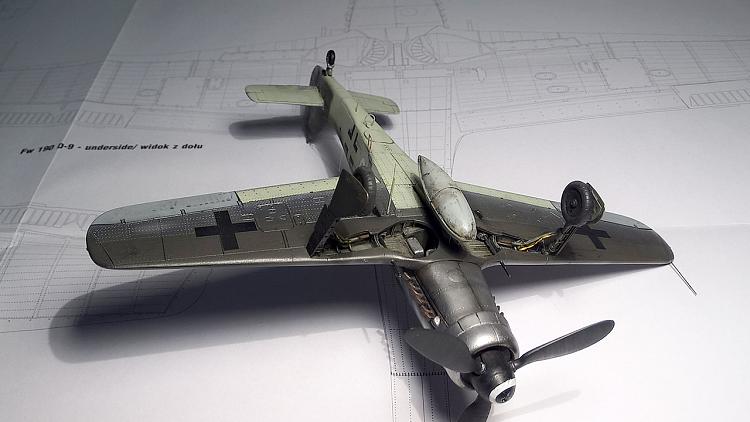
AZ Model's 1/72 Fw 190 D-9 belongs firmly in the short-run category, and that classification carries real meaning at the workbench. The injection-moulded plastic has the slightly waxy feel typical of Czech short-run producers: softer than mainstream toolings, with raised ejector pin marks inside the fuselage halves, inconsistent sprue attachment points, and a wing join that required careful dry-fitting, judicious application of sprue cement, and a full evening of clamping before it was anywhere near acceptable. The resin landing gear bay insert — which provides partial Jumo 213 engine detail visible through the open bays — is the kit's genuine selling point, but it comes with its own demands: resin dust demands a mask and careful sanding, and mating the insert to the styrene fuselage floor meant addressing a step of nearly half a millimetre. For builders accustomed to Hasegawa or Tamiya toolings of the D-9, both of which offer markedly superior fit and refined surface detail out of the box, the AZ Model kit will feel like a significant step backward. That comparison is honest and worth making — superior alternatives exist. The choice to build this kit was deliberate.
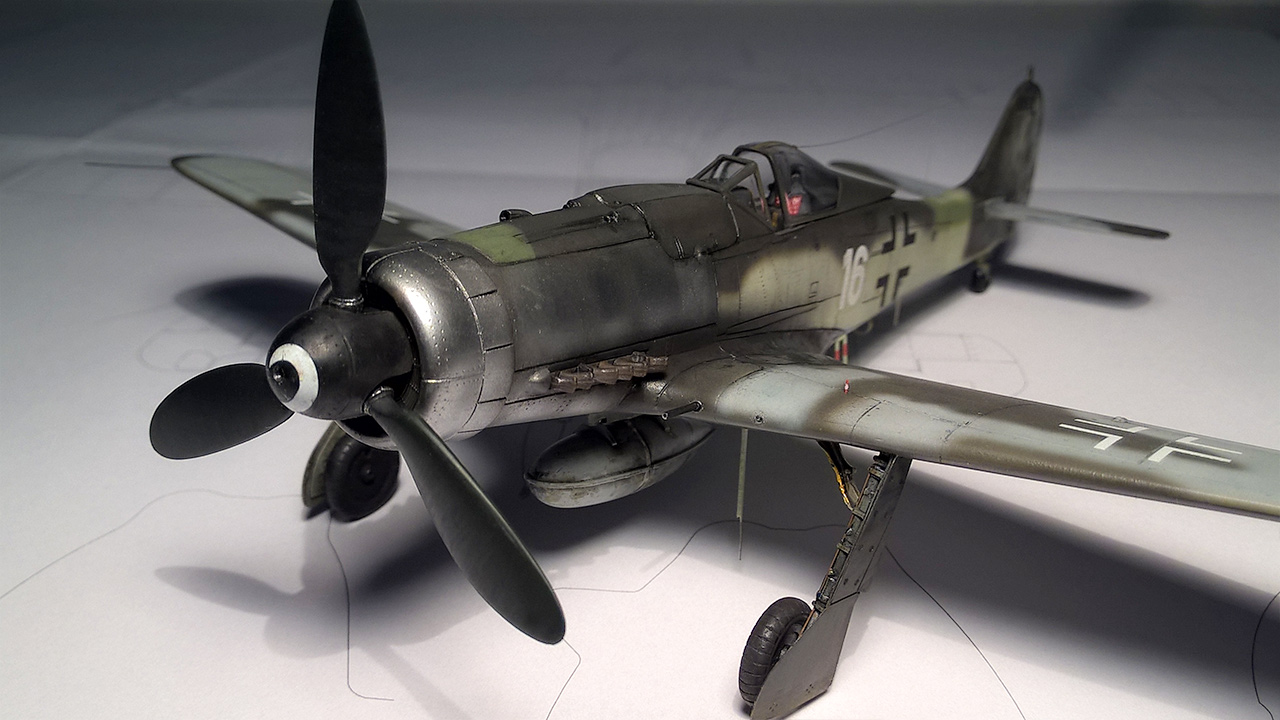
Approximately forty hours spread across three weeks went into this build — a figure that reflects not complexity of parts count but the patience demanded by short-run construction. There is a particular kind of attention required when nothing quite aligns on the first attempt: the willingness to stop, assess, fill, sand, prime, check, and begin again. Short-run kits teach modelling more thoroughly than their mainstream counterparts precisely because they refuse to do the work for you. The resin engine bay detail, once properly integrated and painted, rewards the effort with something no mainstream kit offers at this scale: visible Jumo 213 components framed by the open gear bays, lending the finished model a mechanical depth that reads clearly in photographs. The builder went into this project deliberately seeking the challenge the kit presented, and came away satisfied — not despite the difficulties, but because of what resolving them produced. A short-run kit from a specialist producer, built with care, rewards builders who are willing to view construction difficulties as opportunities rather than obstacles.
01
02
03
04
05
06
07
08
09
10
11
12
13
14
15
16
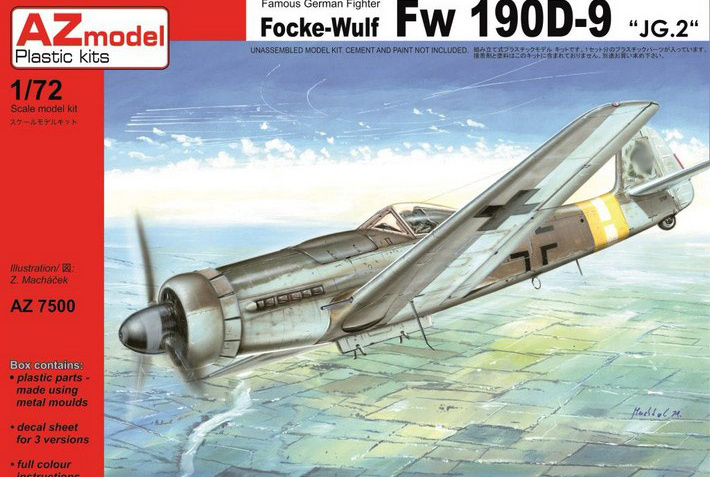
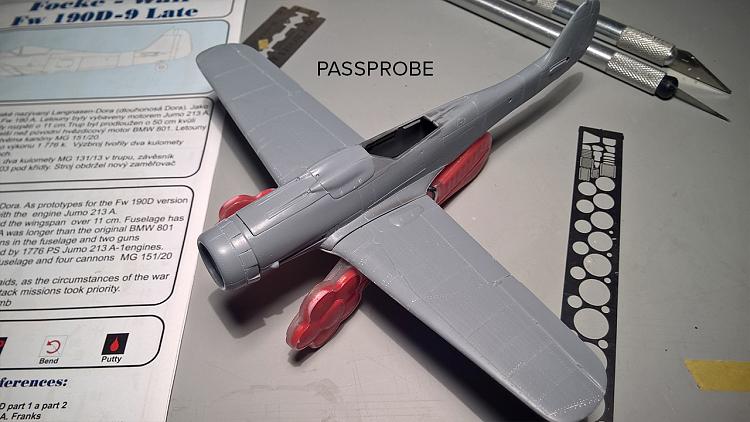
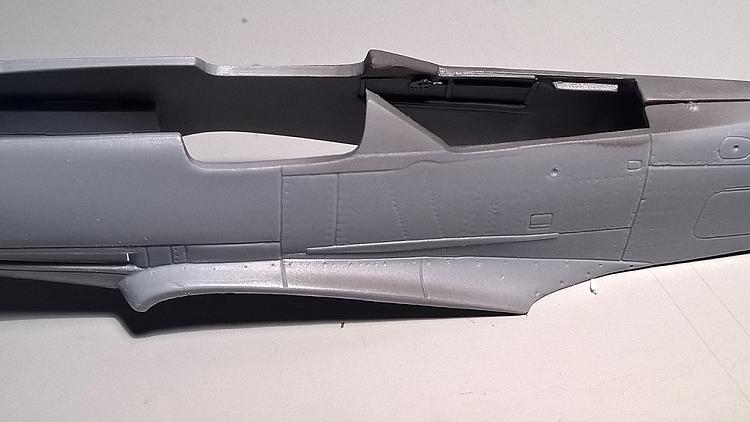
The AZ Model kit belongs firmly in the short-run category. The plastic has the waxy feel typical of Czech short-run producers: raised ejector pin marks, inconsistent sprue attachment points, and a wing join that required careful dry-fitting and an evening of clamping.
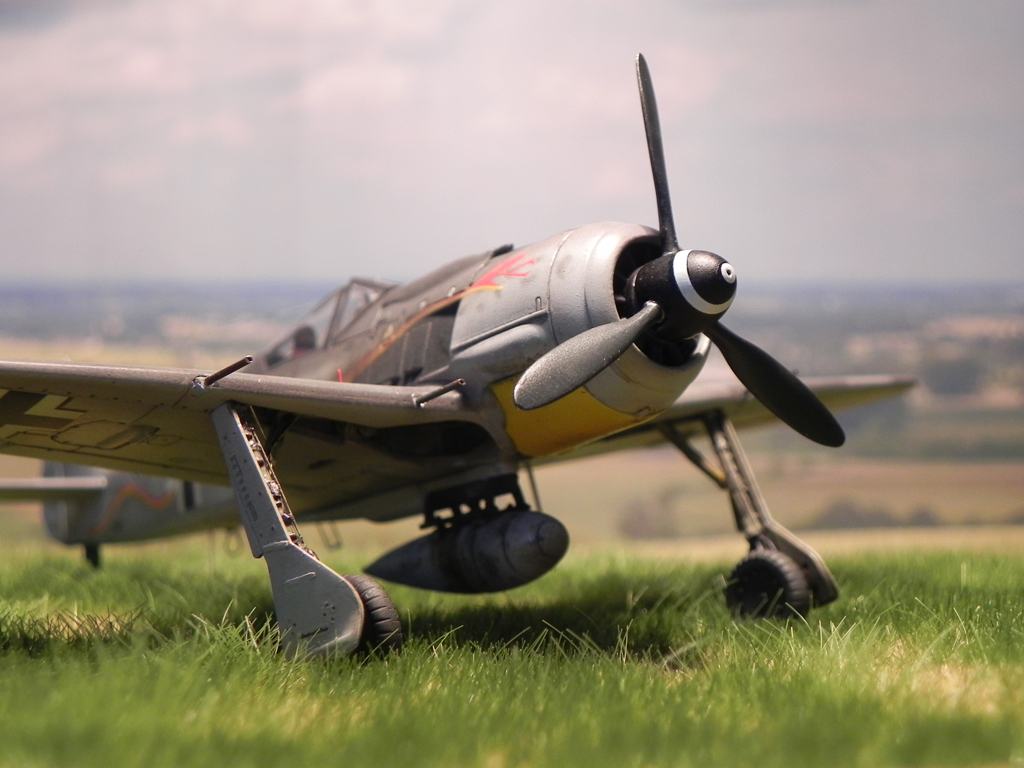
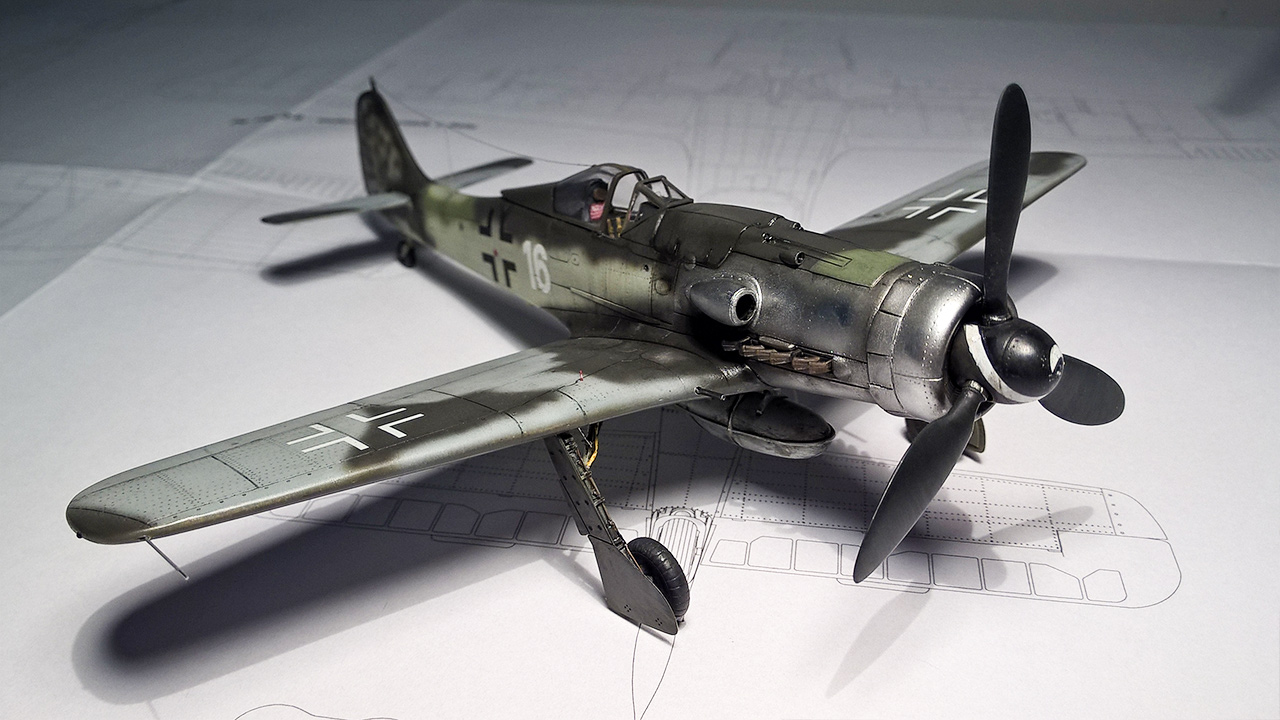
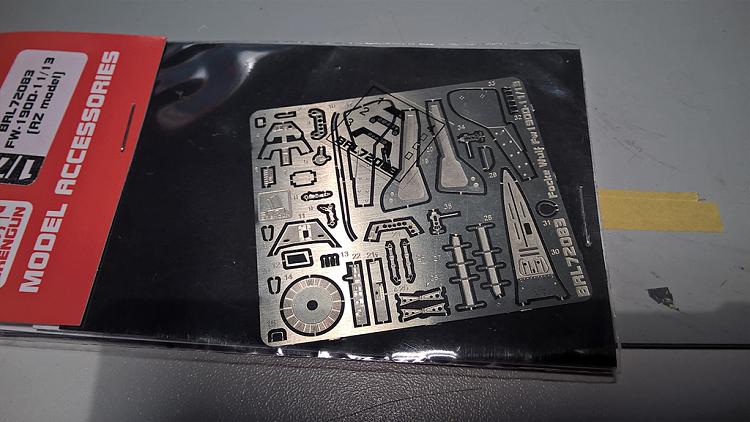
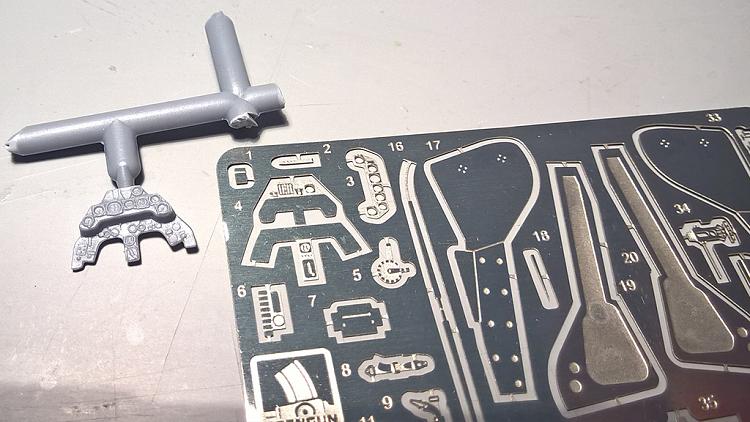
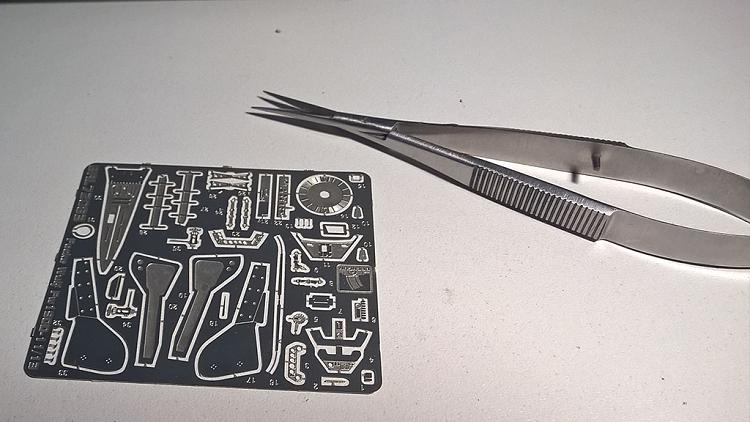
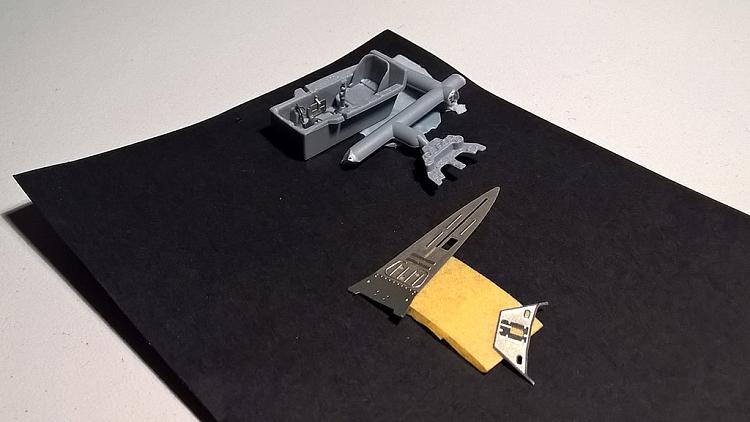
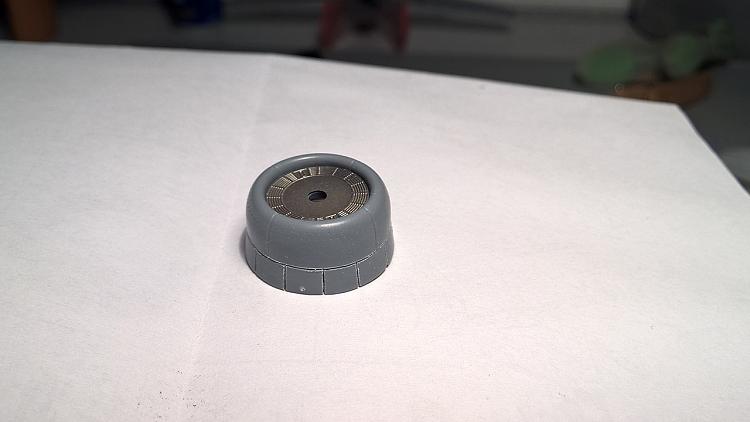
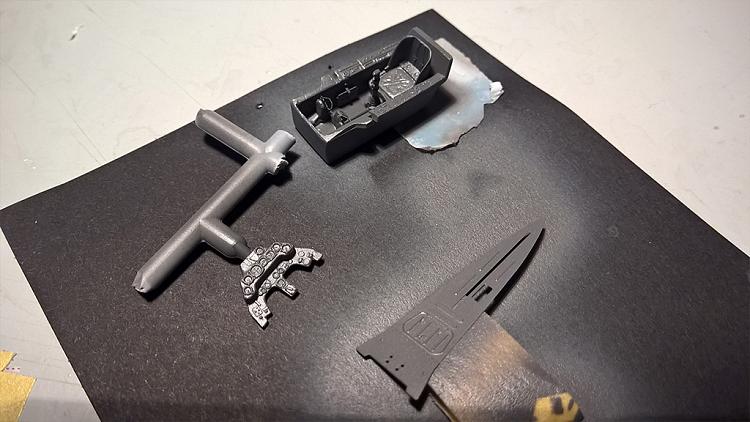
The kit's genuine selling point is the resin landing-gear-bay insert exposing partial Jumo 213 engine detail through the open bays. A Brengun photo-etch set (ref. 72083, ~€8) was added for airframe and cockpit detail.
01
 02
02
 03
03
 04
04
 05
05
 06
06
 07
07
 08
08
 09
09
 10
10
 11
11
 12
12
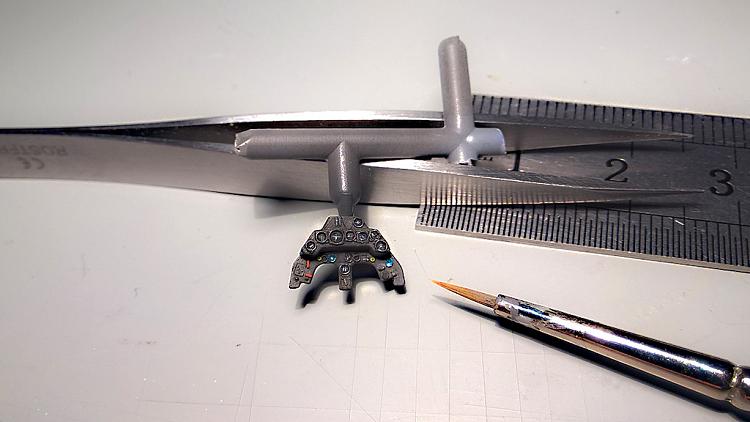
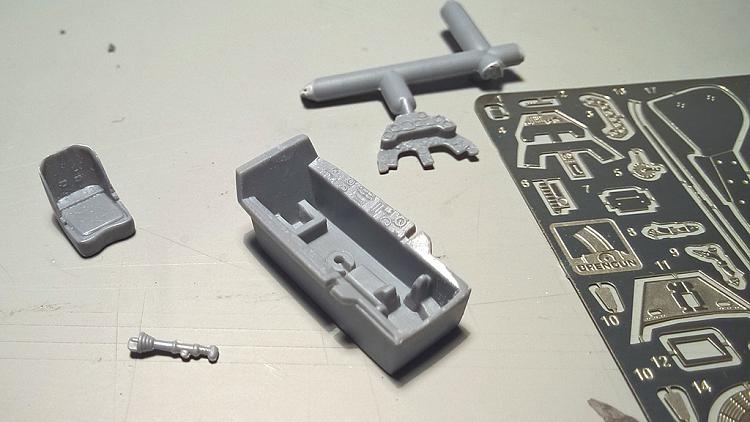
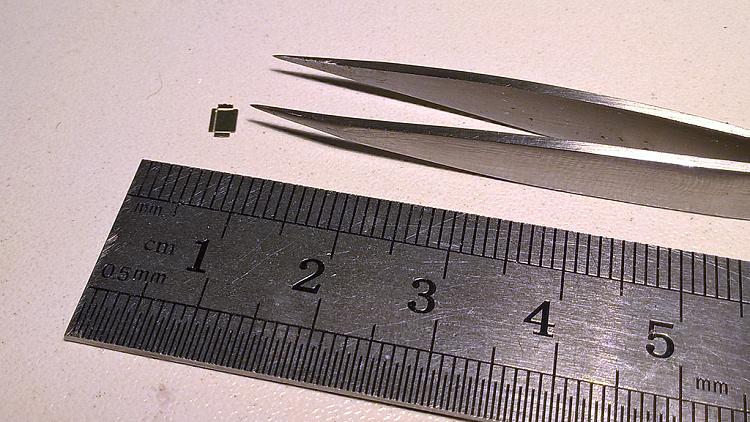
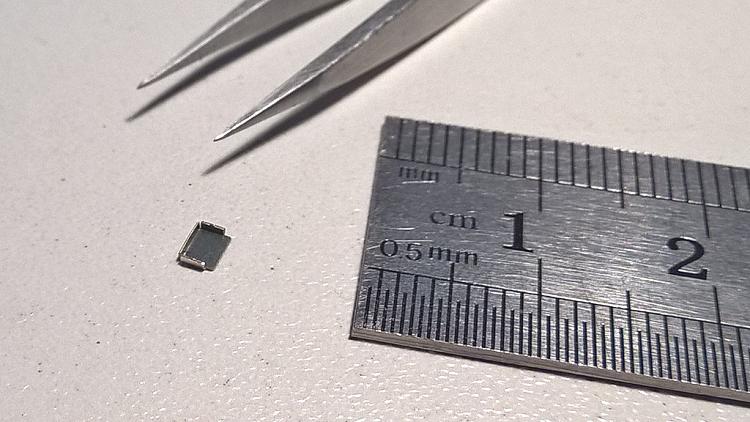
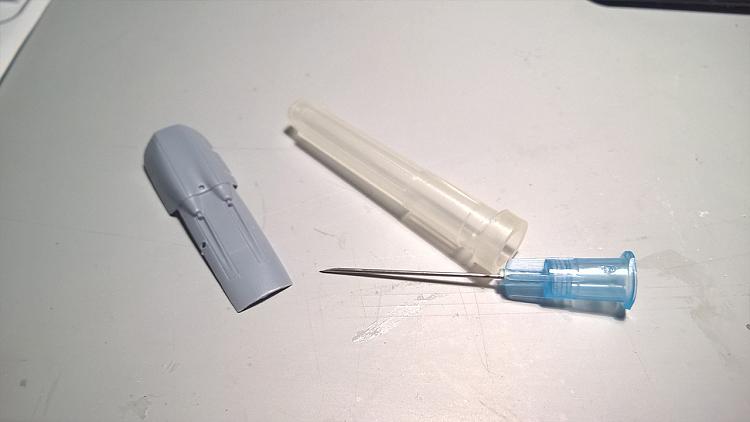
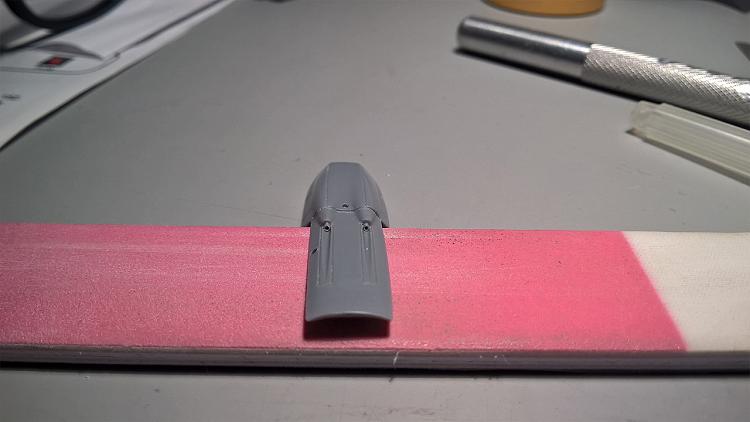
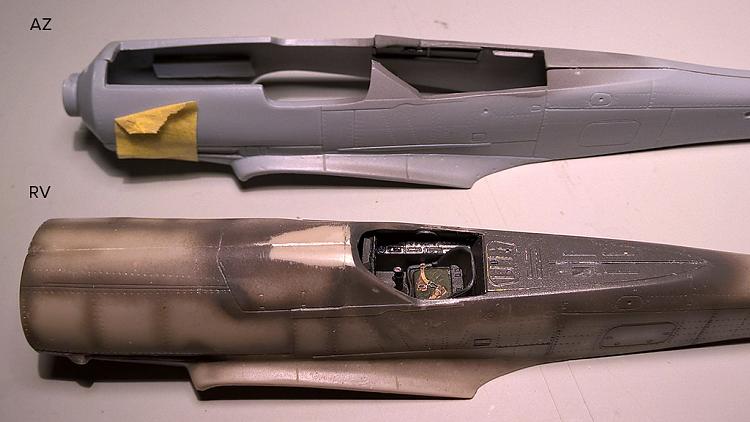
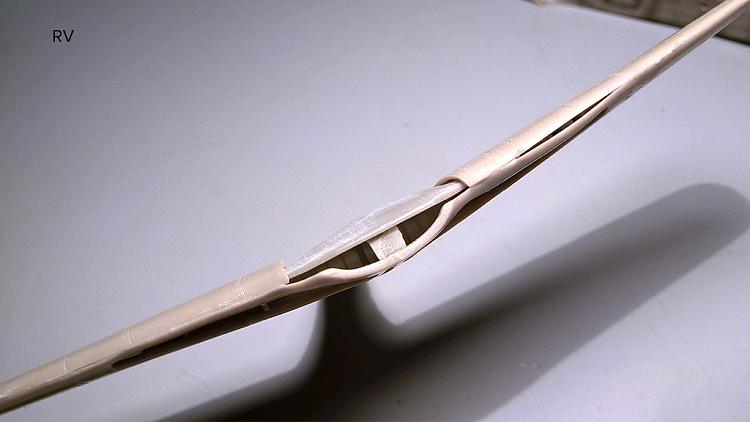
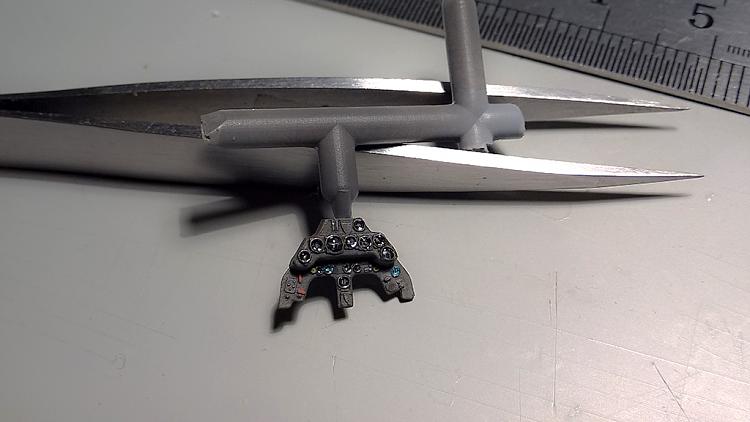
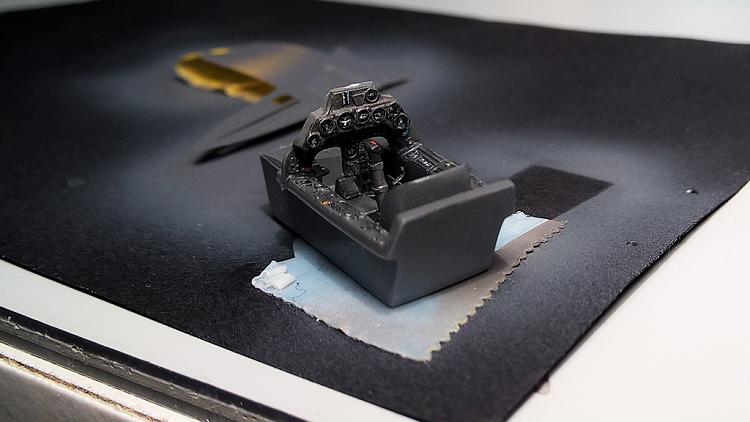
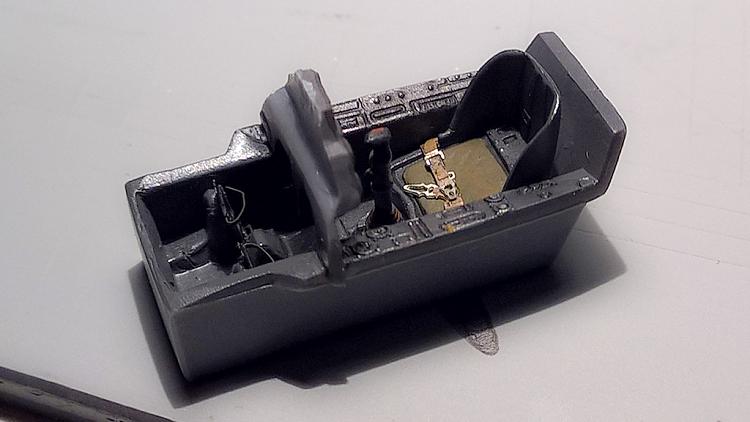
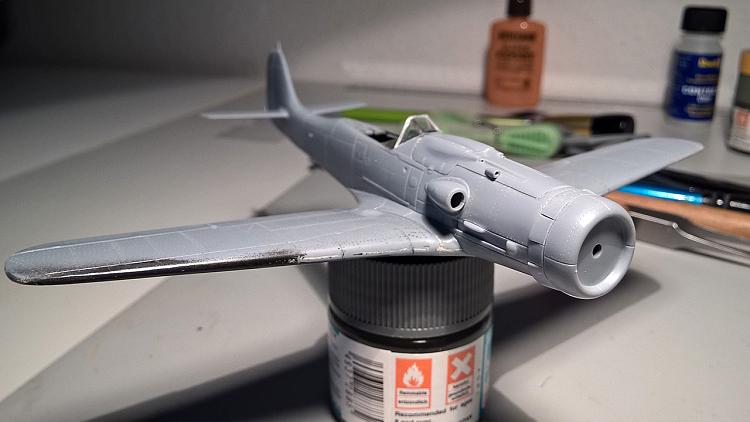
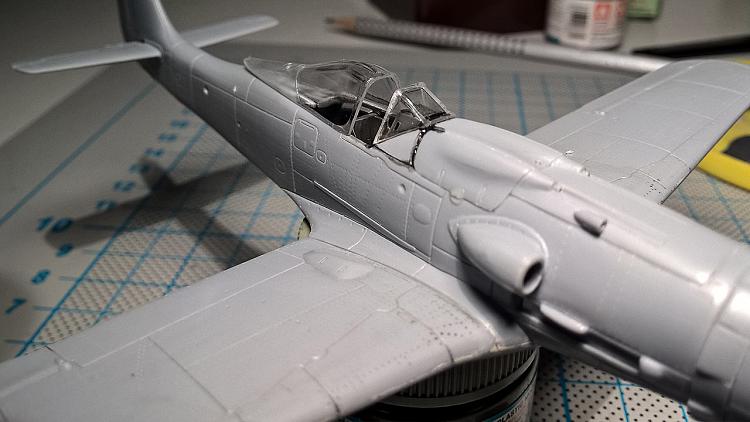
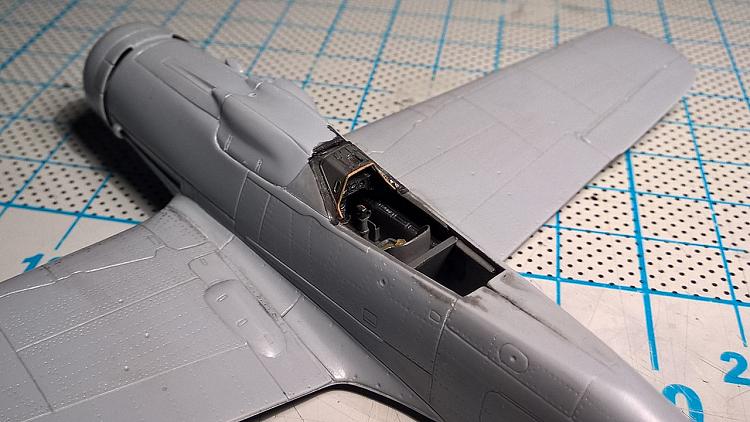
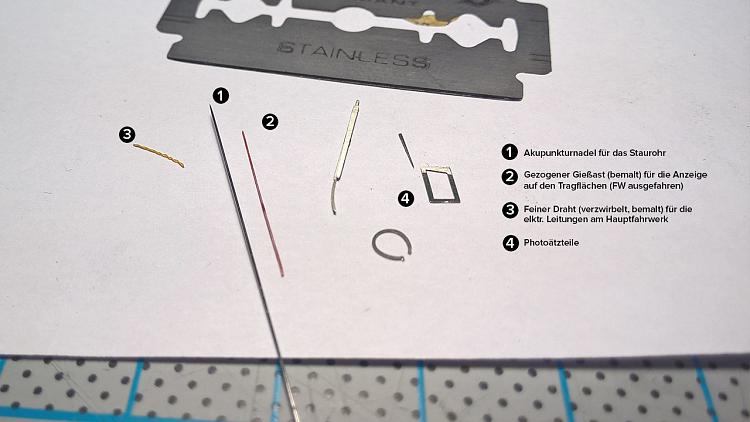
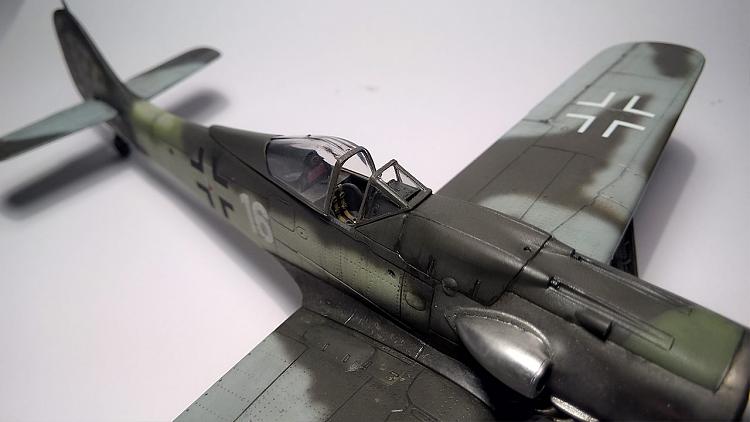
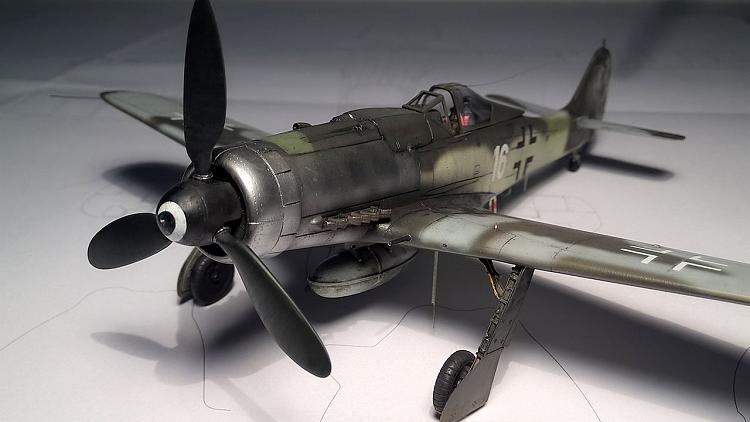
The cockpit was built using the plastic instrument panel — at 1/72 the moulded detail reads better under the closed canopy. Smaller details benefited from the Brengun etch: radiator flap hinges, underwing spoilers, and tail-plane attachment points.
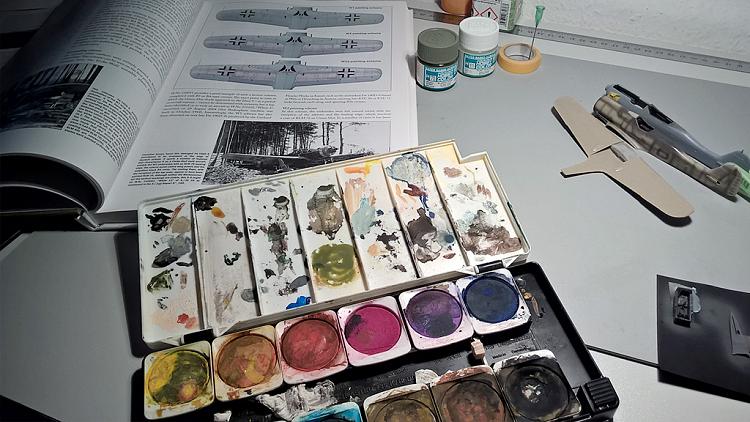
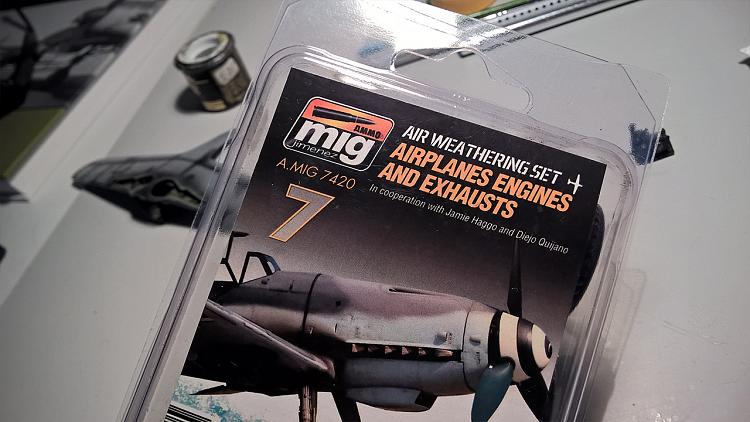
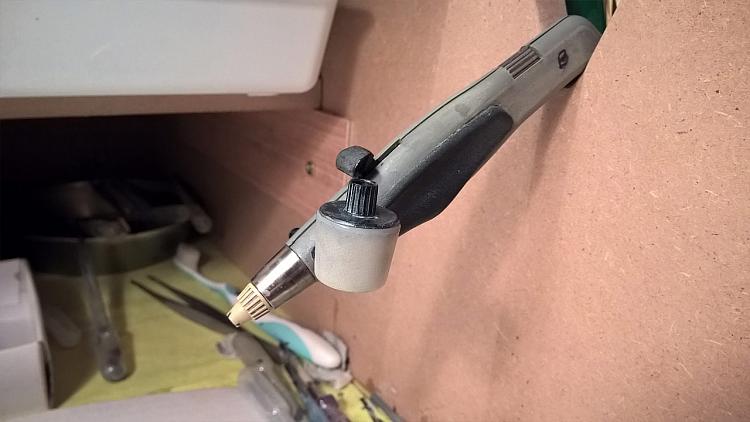
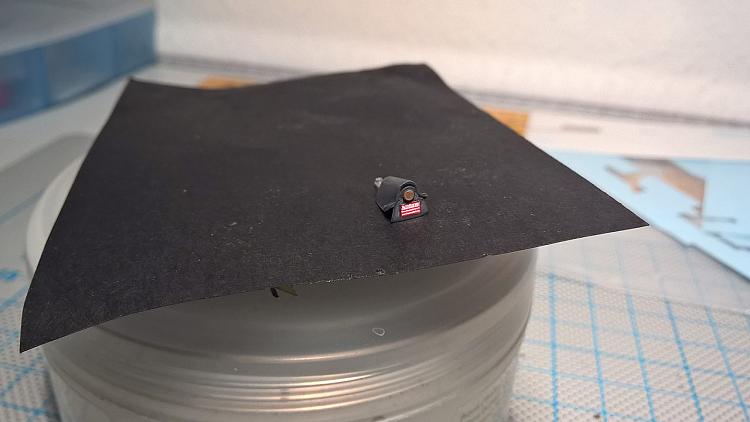
Pelikan ink was used for small-part painting, where its high-pigment formula allows thin, even coverage over both resin and brass without obscuring detail. The resin engine bay required careful sanding and a respiratory mask.
 01
01
 02
02
 03
03
 04
04
 05
05
 06
06
 07
07
 08
08
 09
09
 10
10
 11
11
 12
12
 13
13
 14
14
 15
15
 16
16
 17
17
 18
18
 19
19
 20
20
 21
22
21
22
 23
23
 24
24
 25
25
 26
26
 27
27
 28
28
 29
29
 30
30
 31
31
 32
32
 33
33
 34
34
 35
35
 36
36
 37
37
 38
38
 39
39
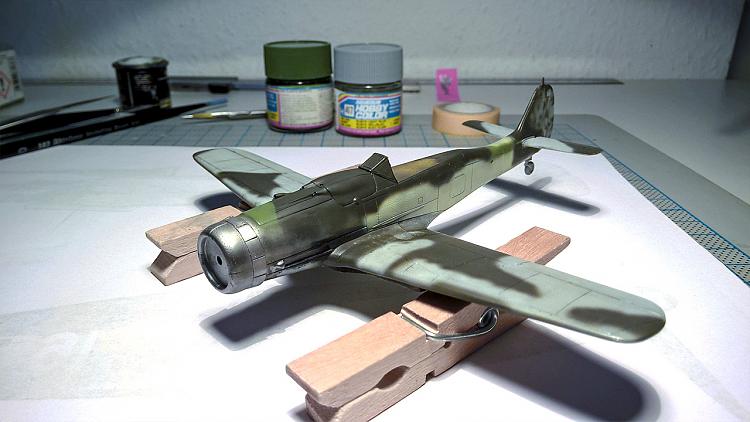
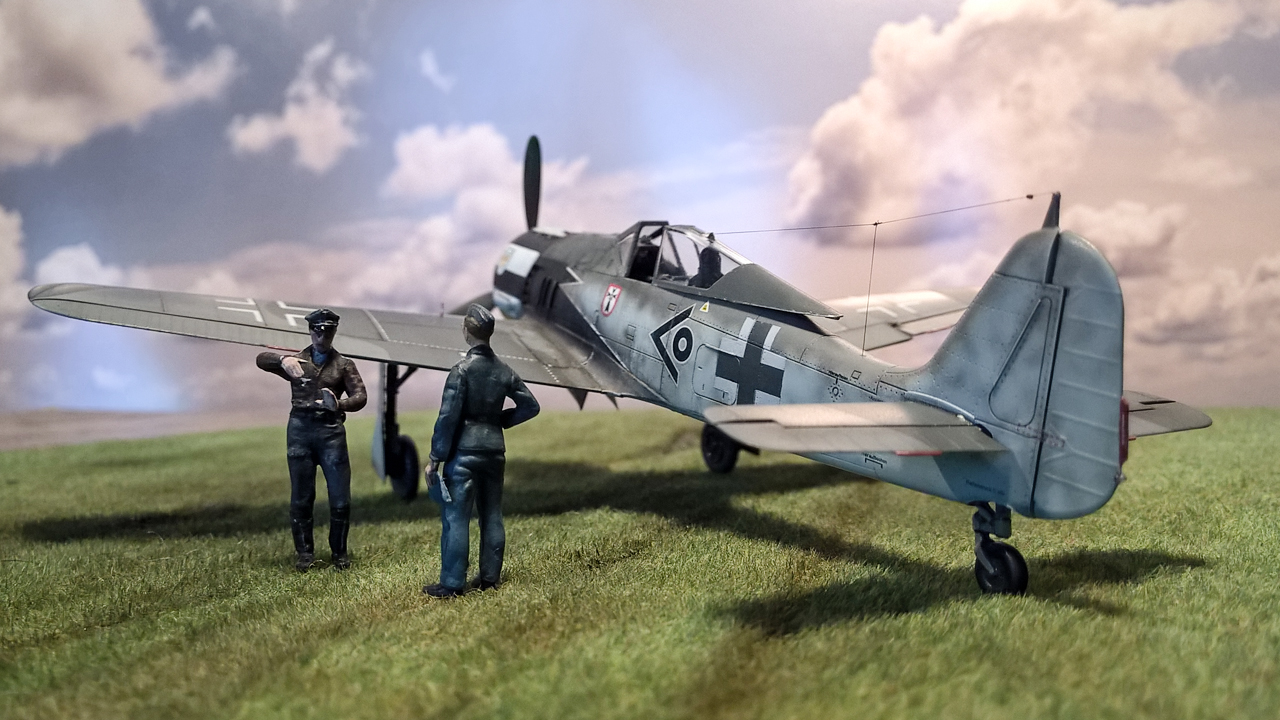
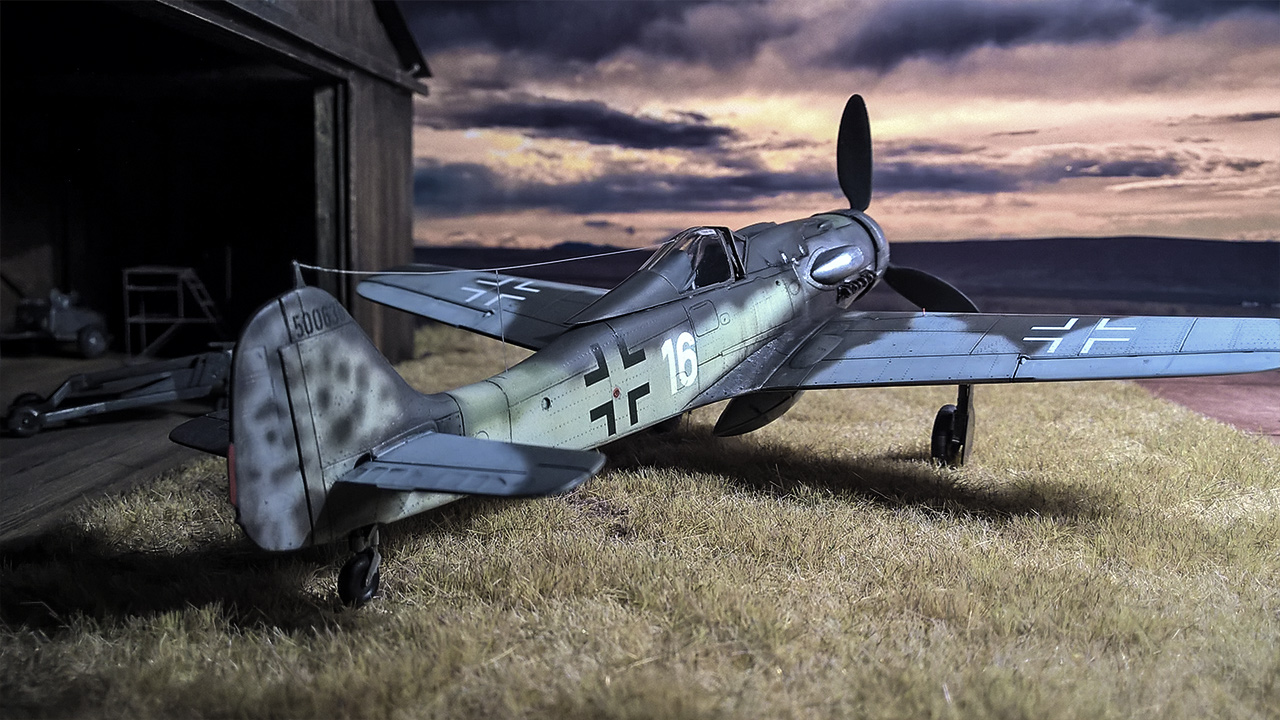
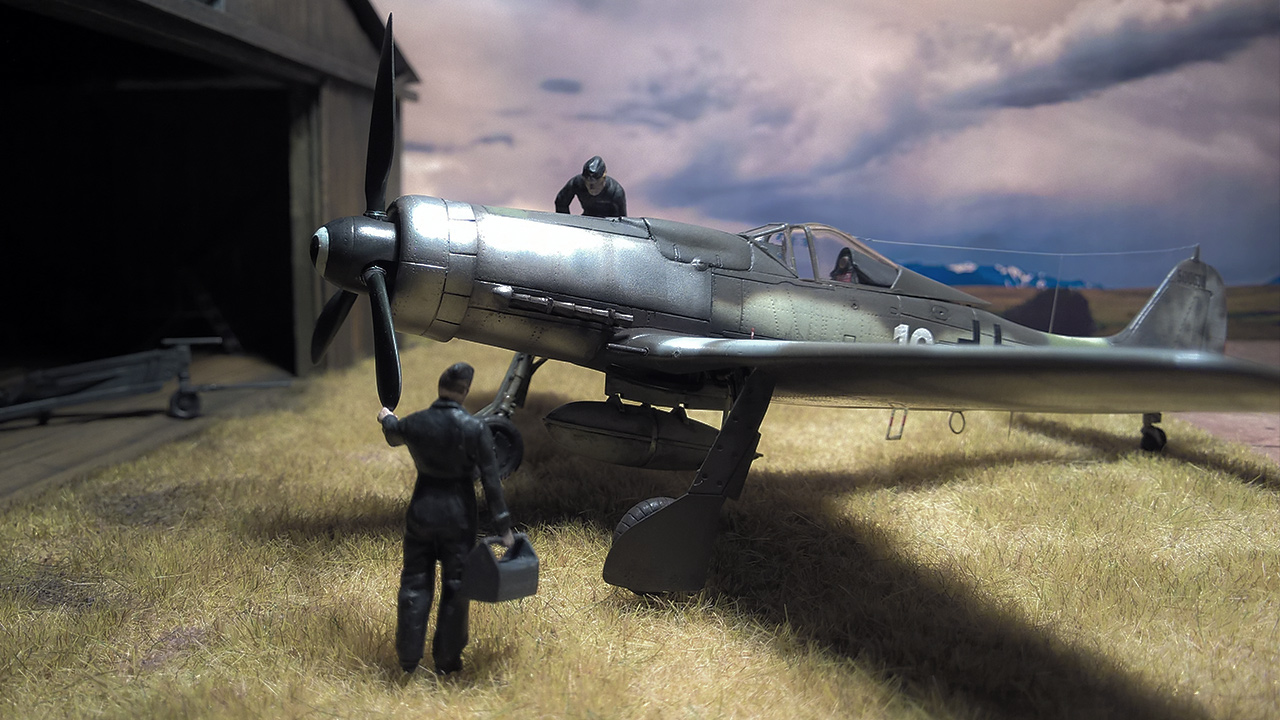
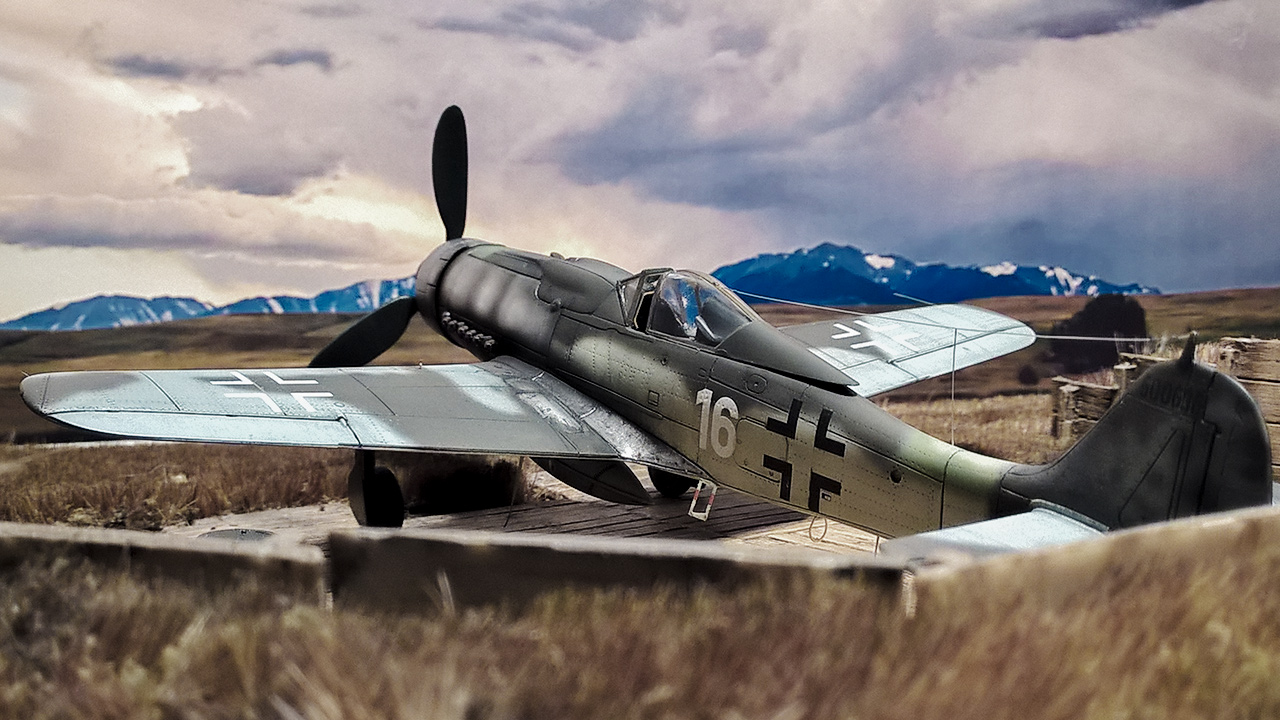
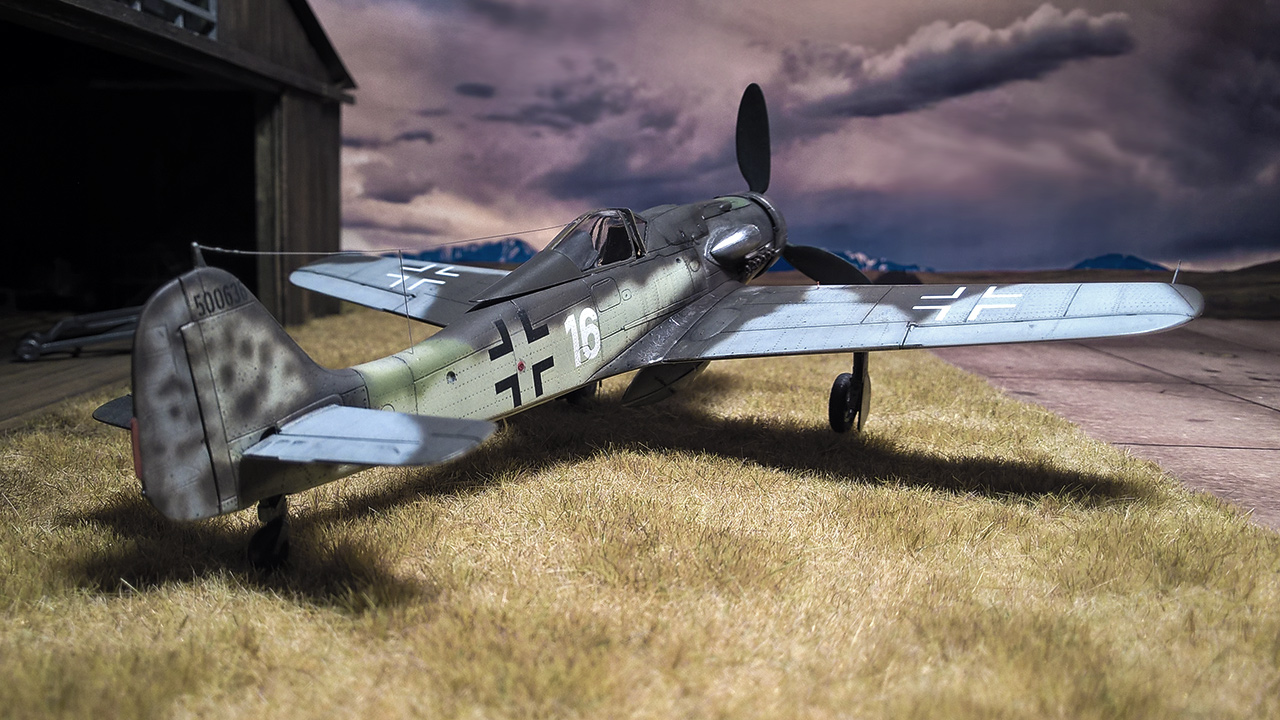
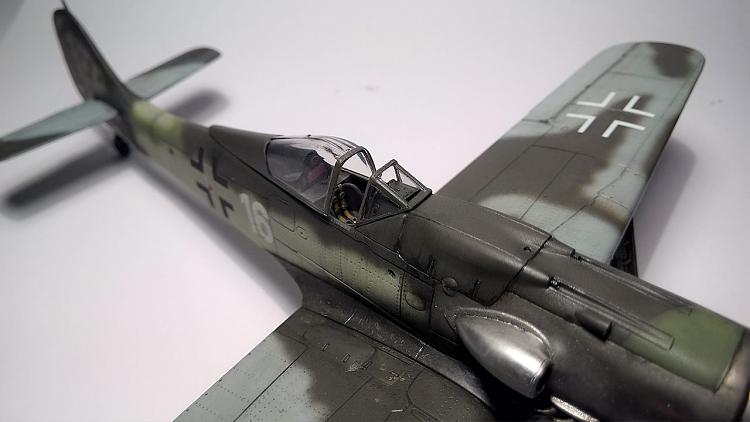
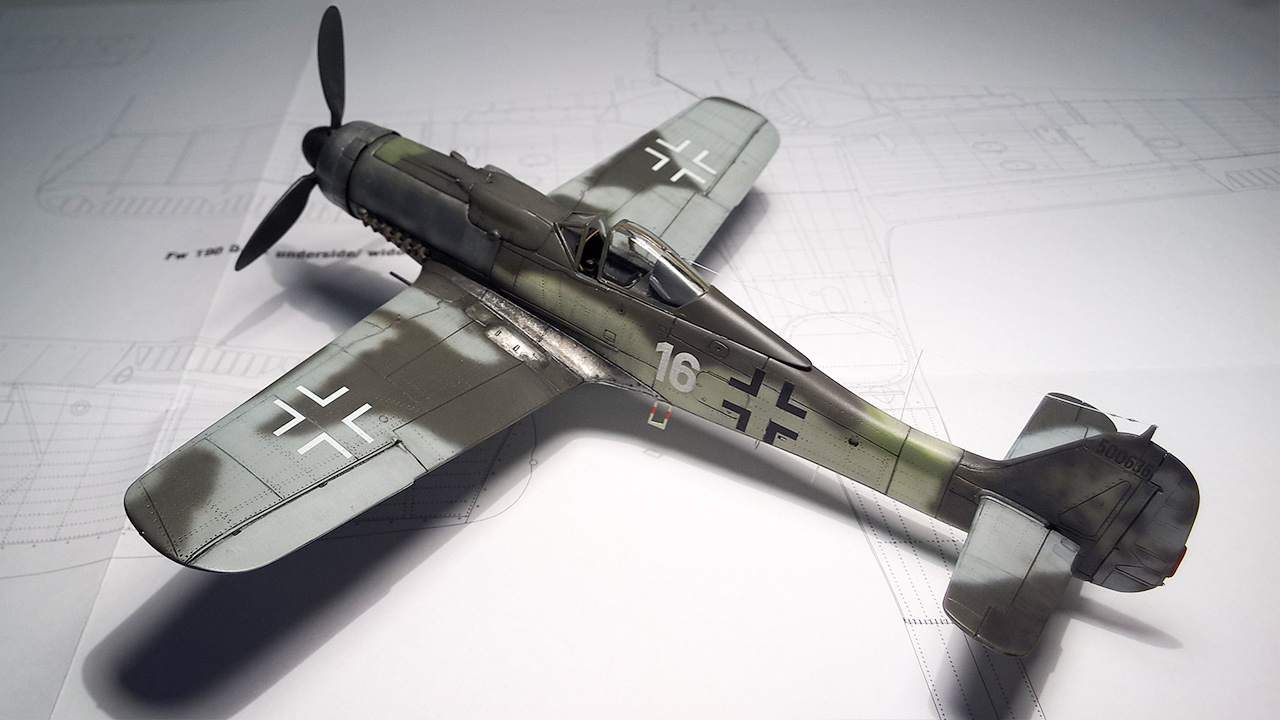
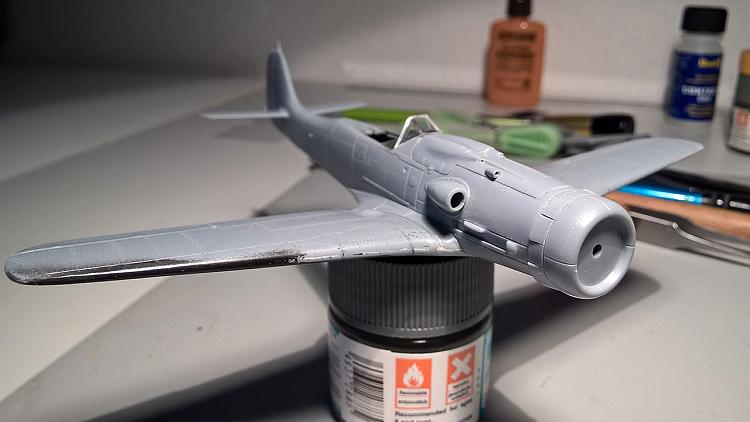
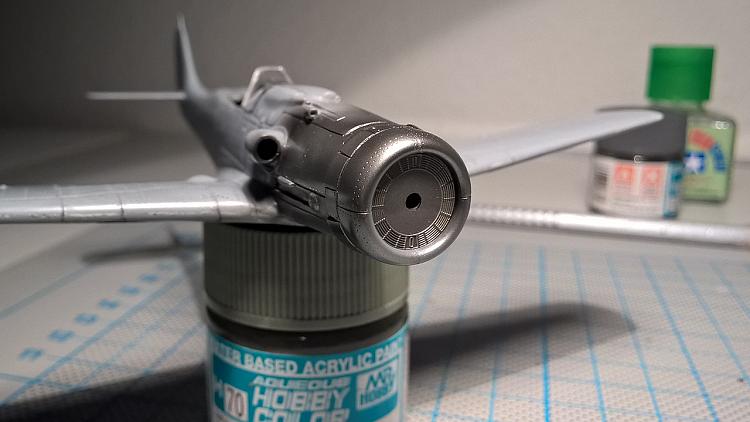
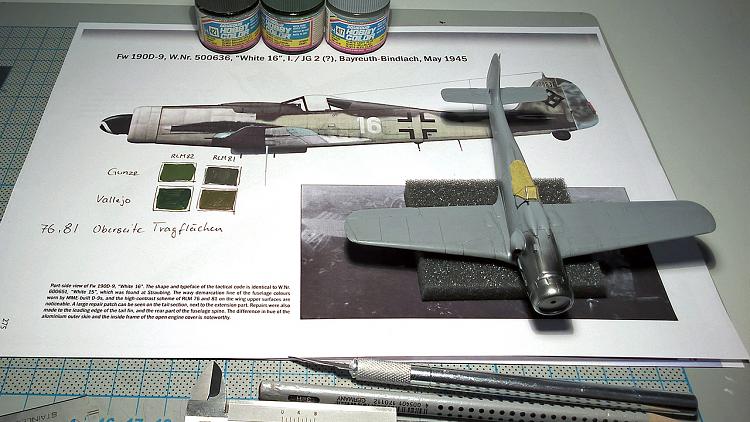
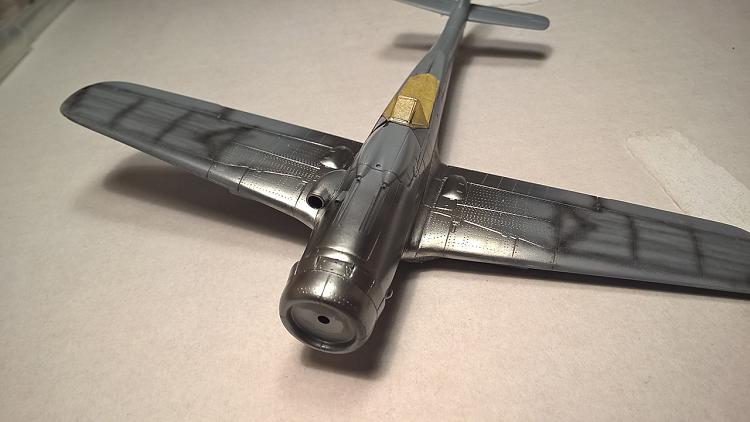
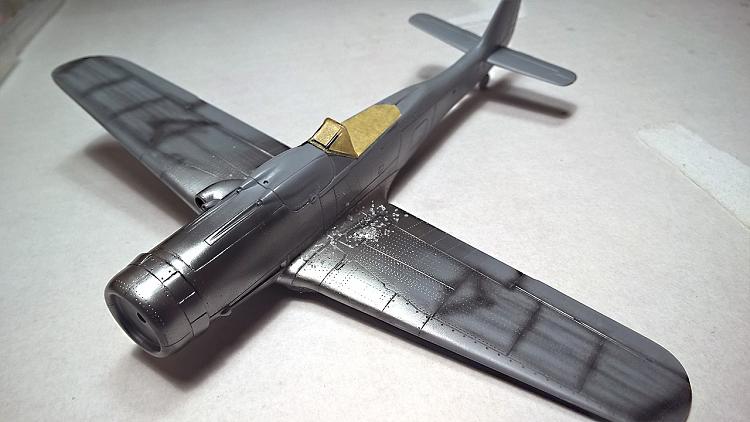
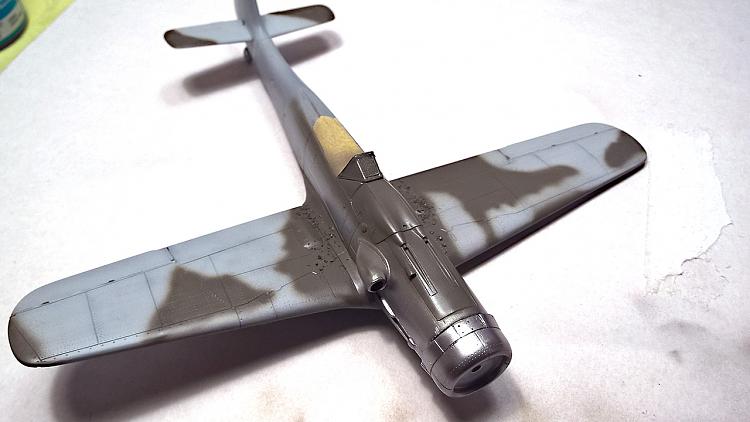
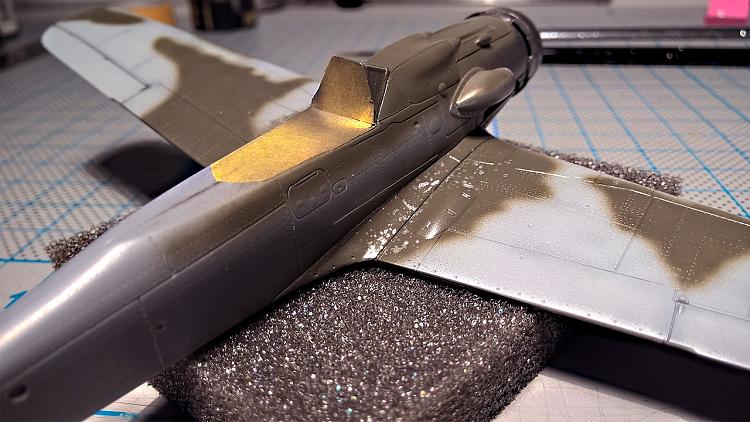
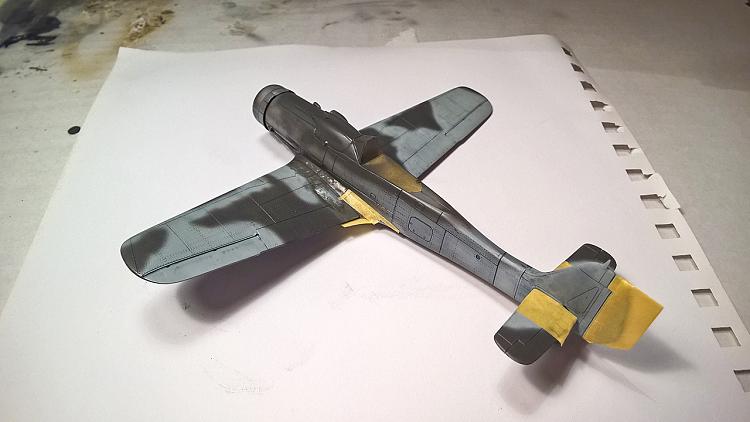
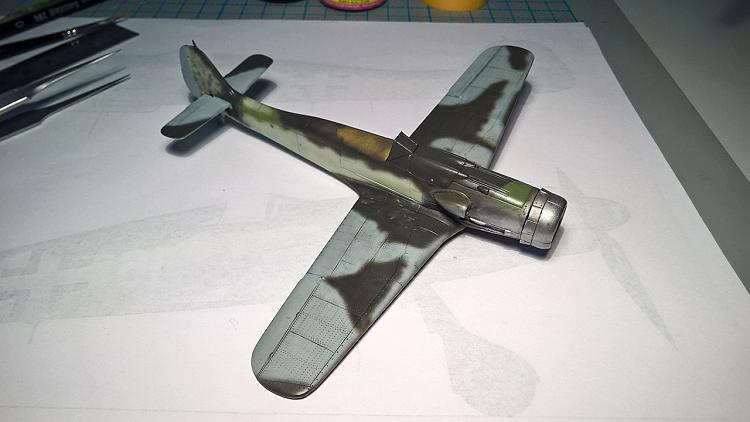
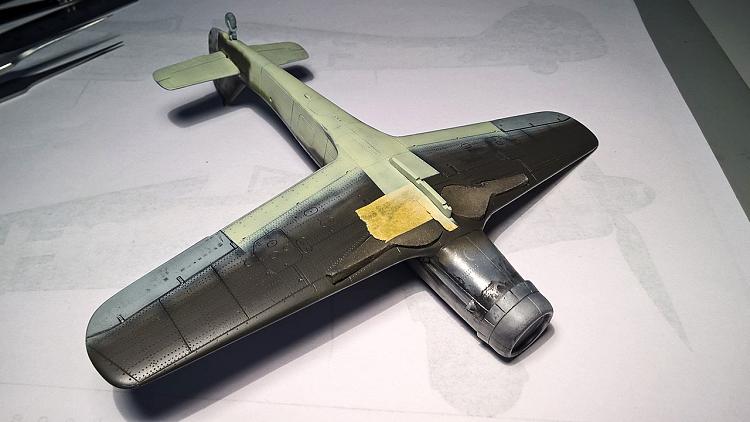
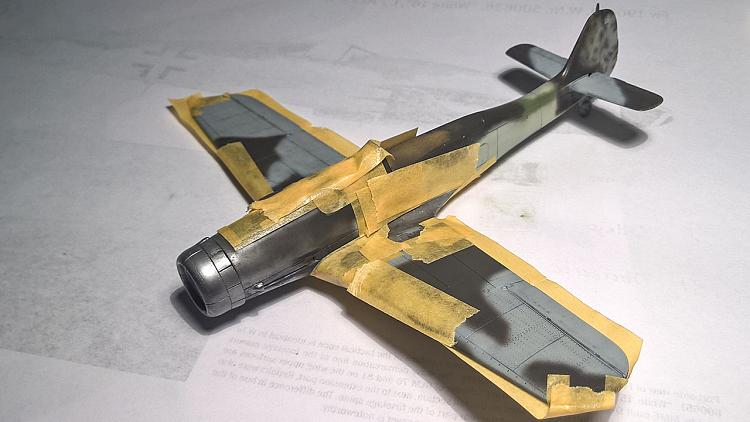
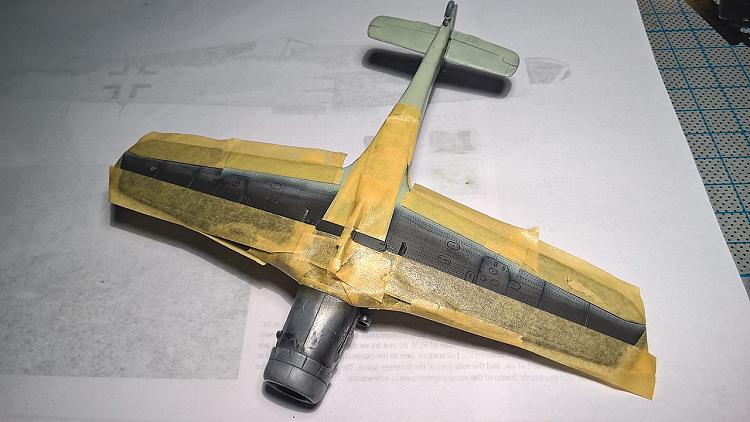
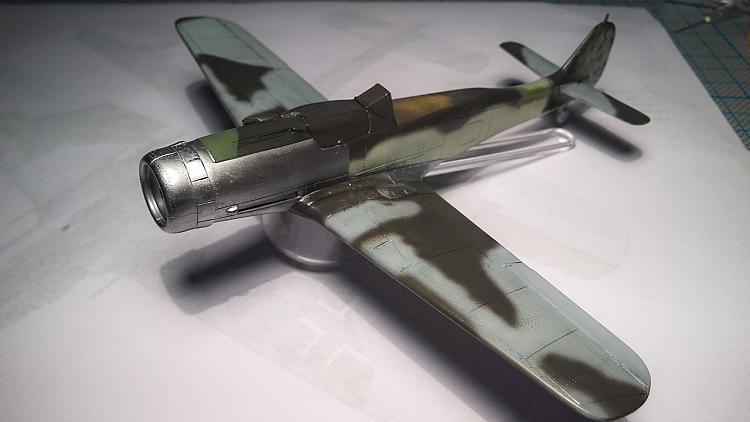
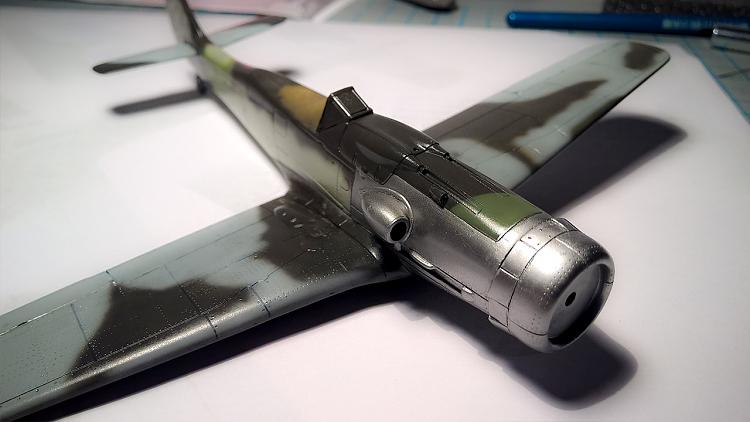
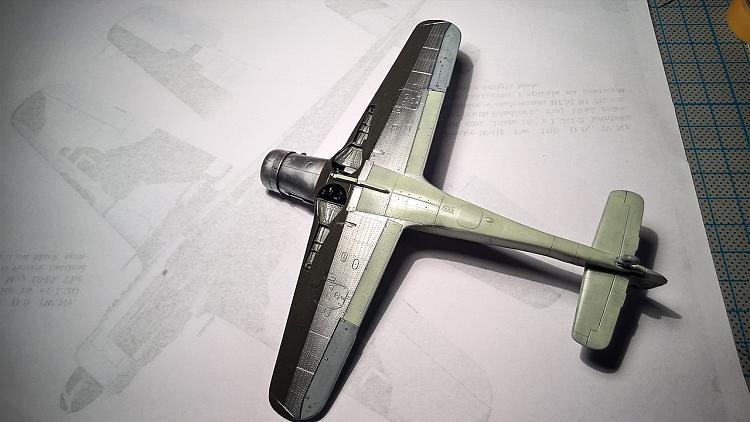
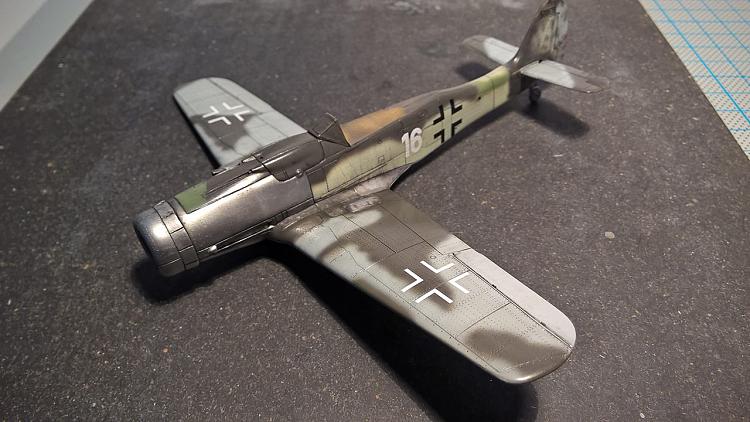
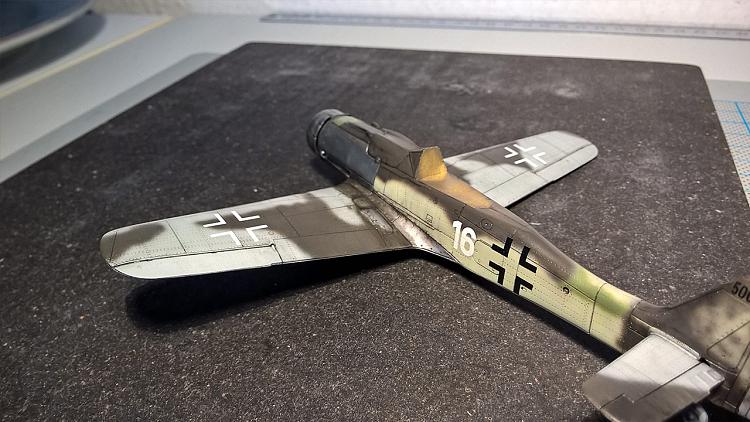
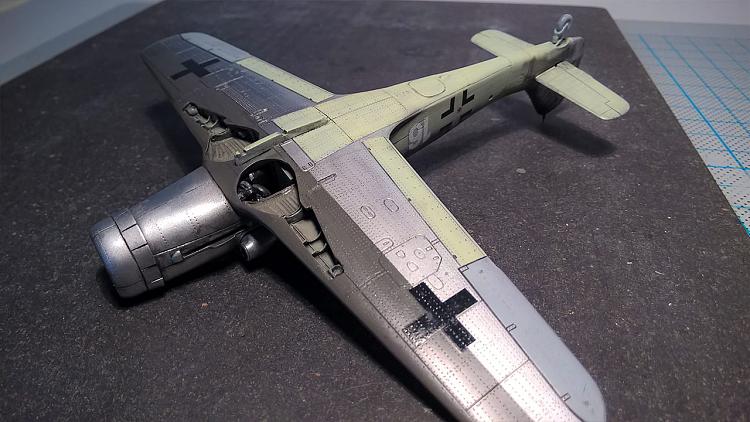
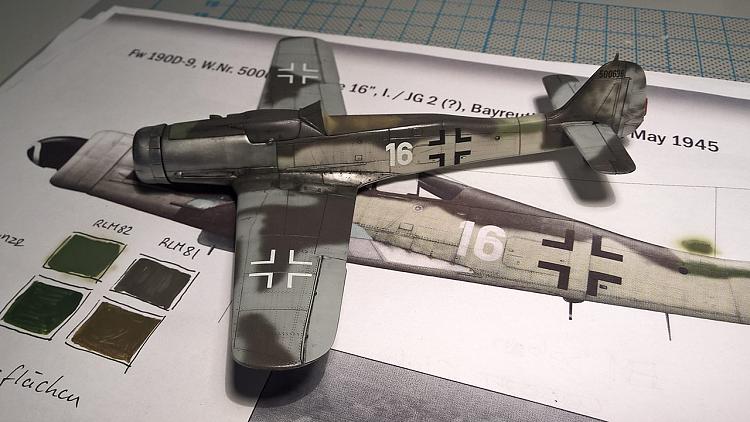
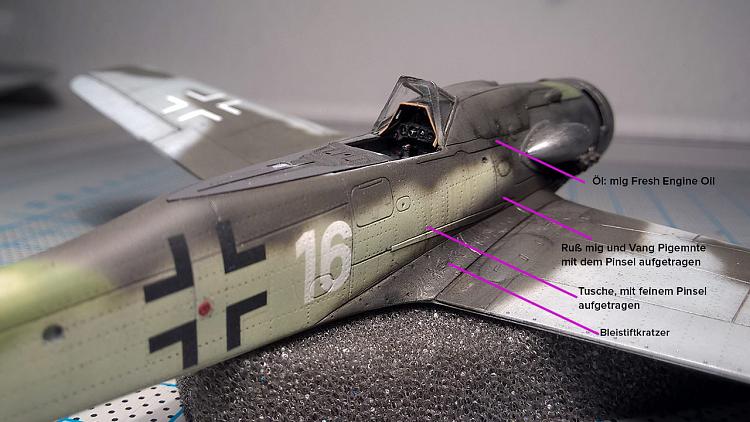
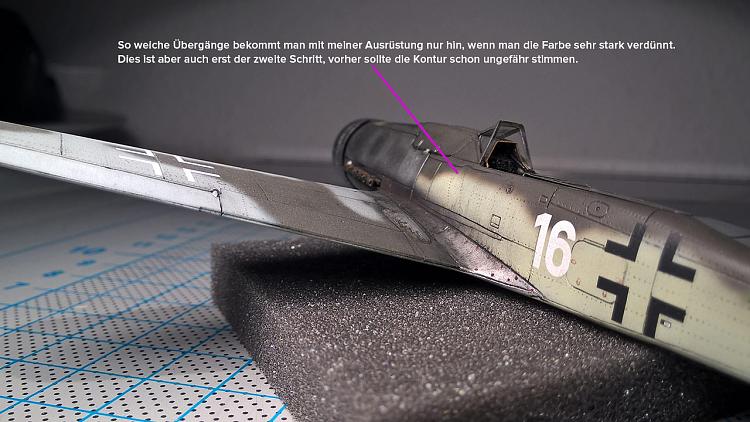
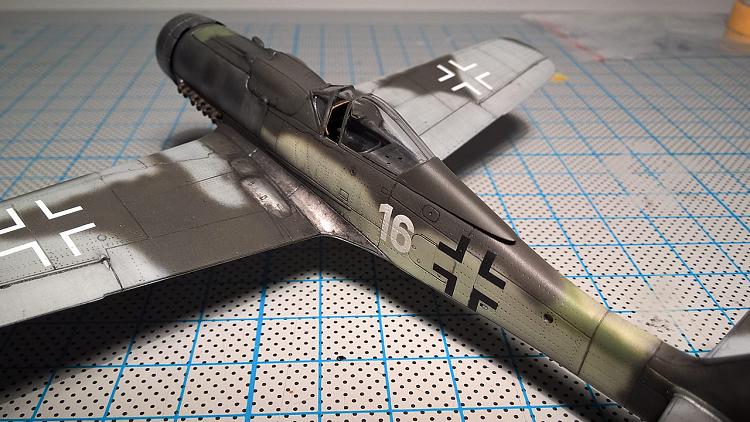
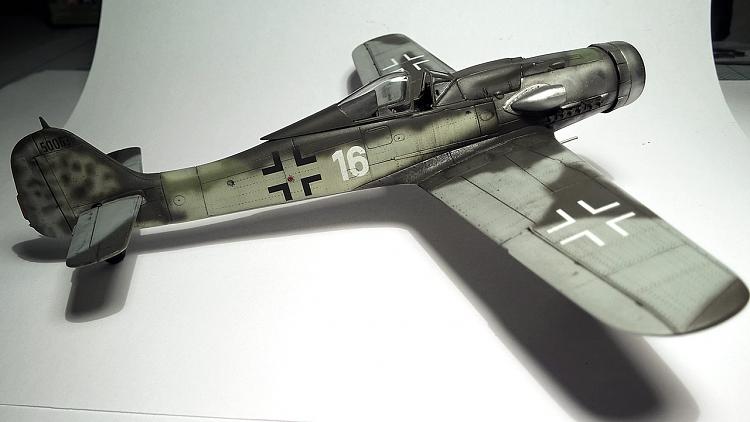
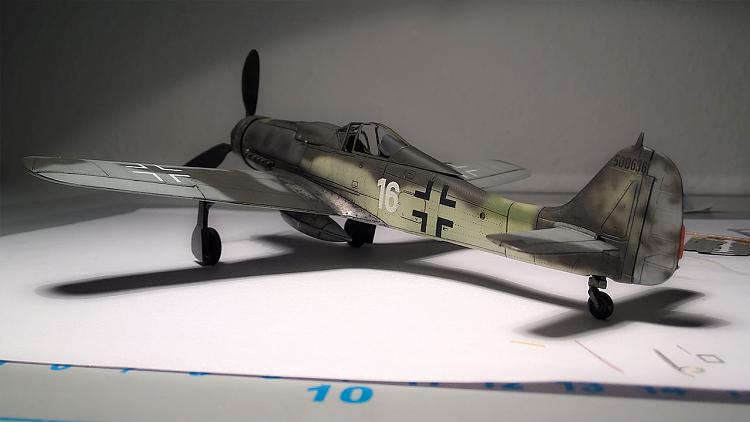
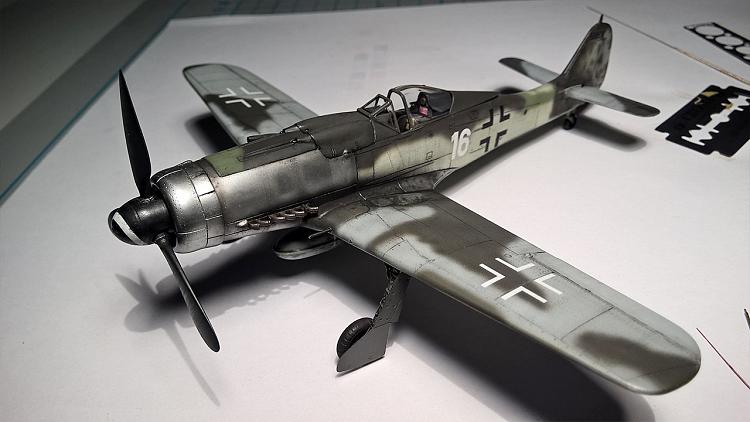
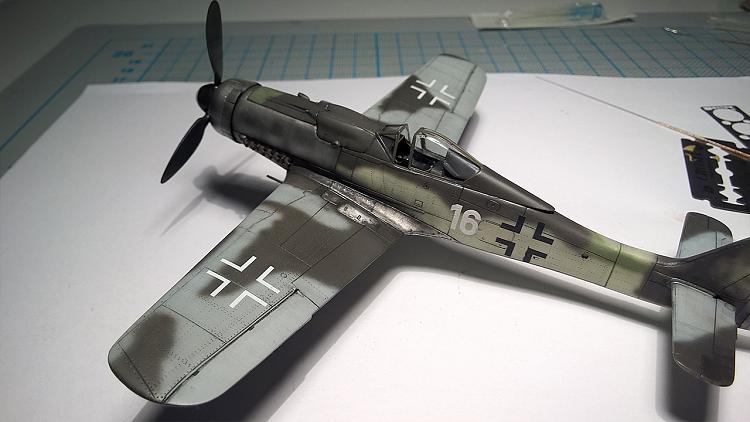
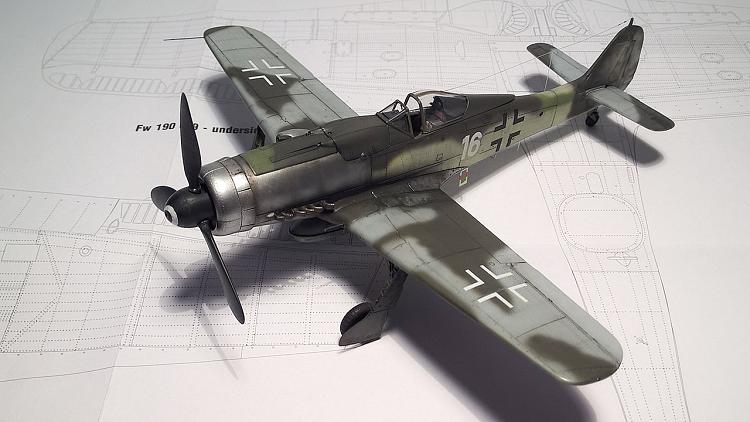
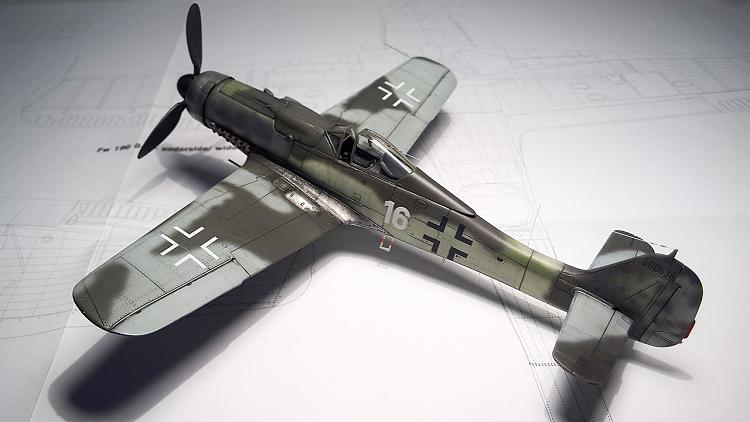
Lower surfaces in RLM 76, upper surfaces in the standard late-war mottling of RLM 81 over RLM 82. Bare-metal cowling panels were finished with Alclad aluminium over a gloss-black base. Salt weathering was applied before the mottling — coarse salt masked the underlying colour, then dissolved to reveal a natural worn-through appearance.
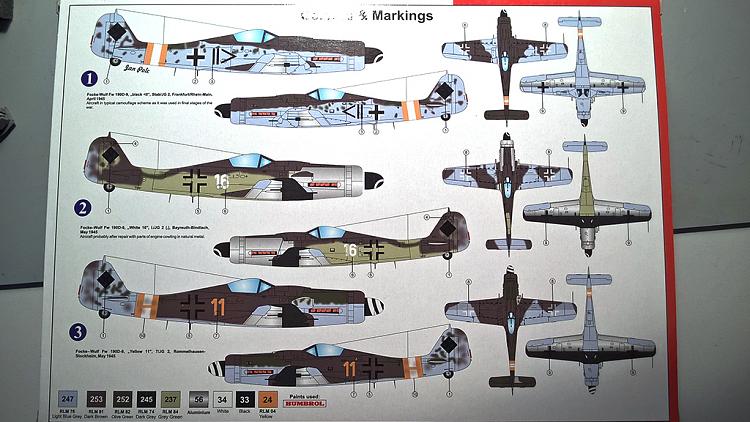
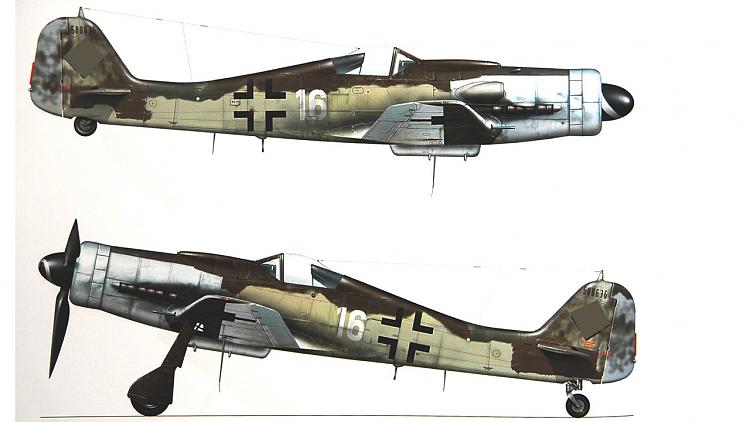
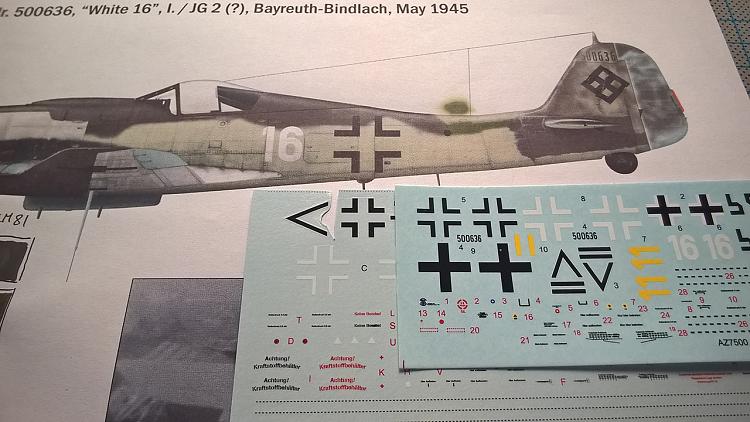
Markings are the kit's "Weisse 16". Balkenkreuze and maintenance stencils from EagleCals settled flat with Micro Sol over a gloss-varnish base.
 01
01
 02
02
 03
03
 04
04
 05
05
 06
06
 07
07
 08
08
 09
09
 10
10
 11
11
 12
12
 13
13
 14
14
 15
15
 16
16
 17
18
17
18
 19
19
 20
20
 21
21
 22
22
 23
23
 24
24
 25
25
 26
26
 27
27
 28
28
 29
29
 30
30
 31
31
 32
32
 33
33
 34
34
 35
35
 36
36
 37
37
 38
38
 39
39
 40
40
 41
41
 42
42
 43
43
 44
44
 45
45