Photography
Rollout Gallery
 01
01
 02
02
 03
03
 04
04
 05
05
 06
06
 07
07
 08
08
 09
09
 10
10
 11
11
 12
12
 13
13
 14
14
 15
15
 16
16
 17
17
 18
18
 19
19
 20
20
 21
21
 22
22
 23
23
 24
24
 25
25
 26
26
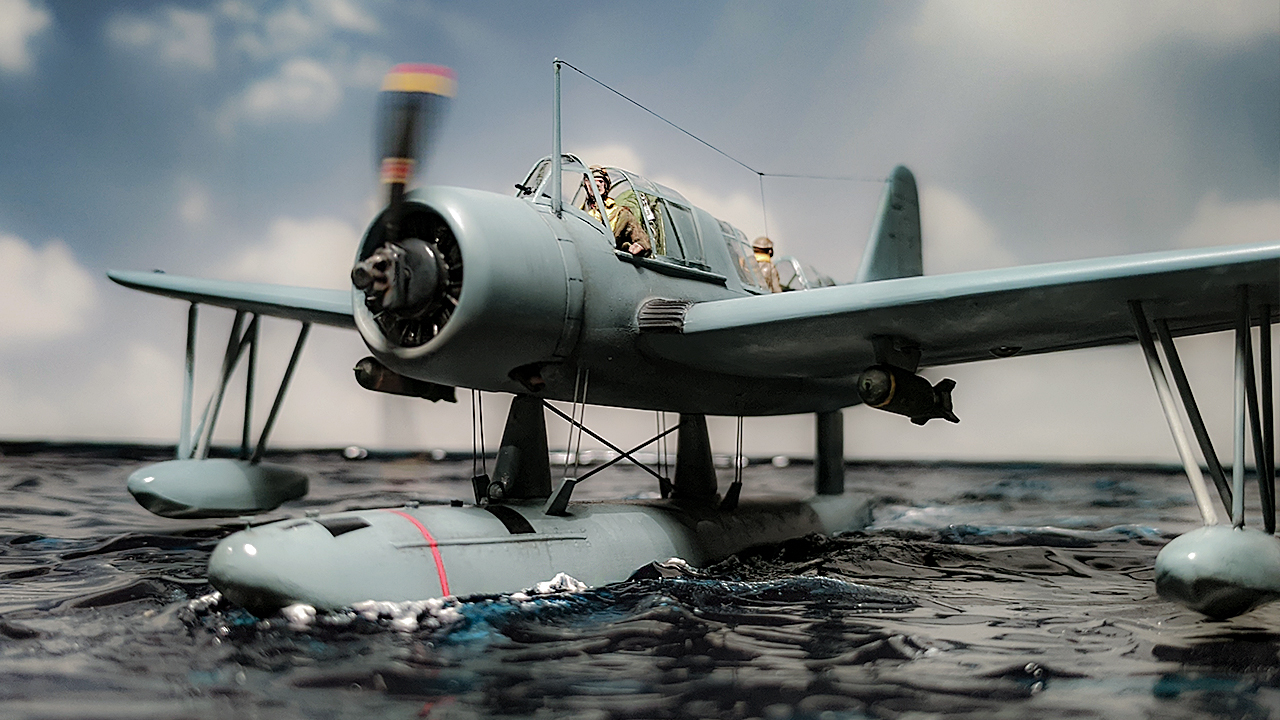
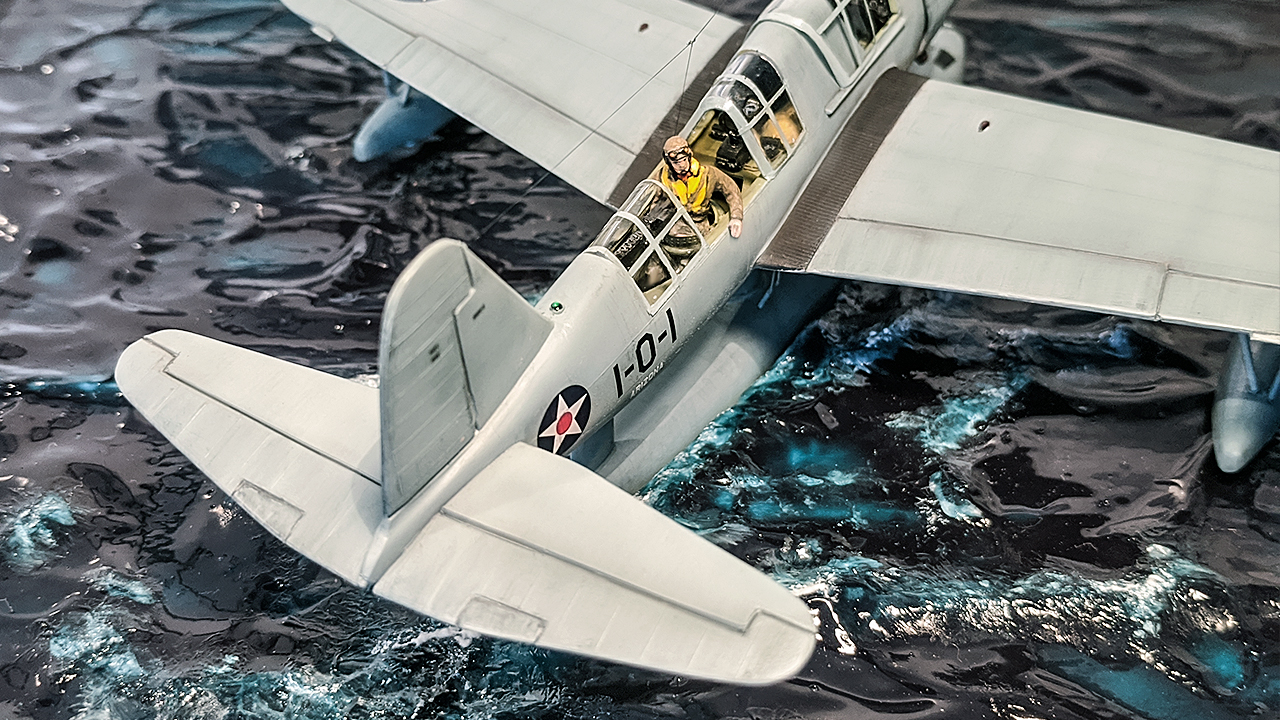
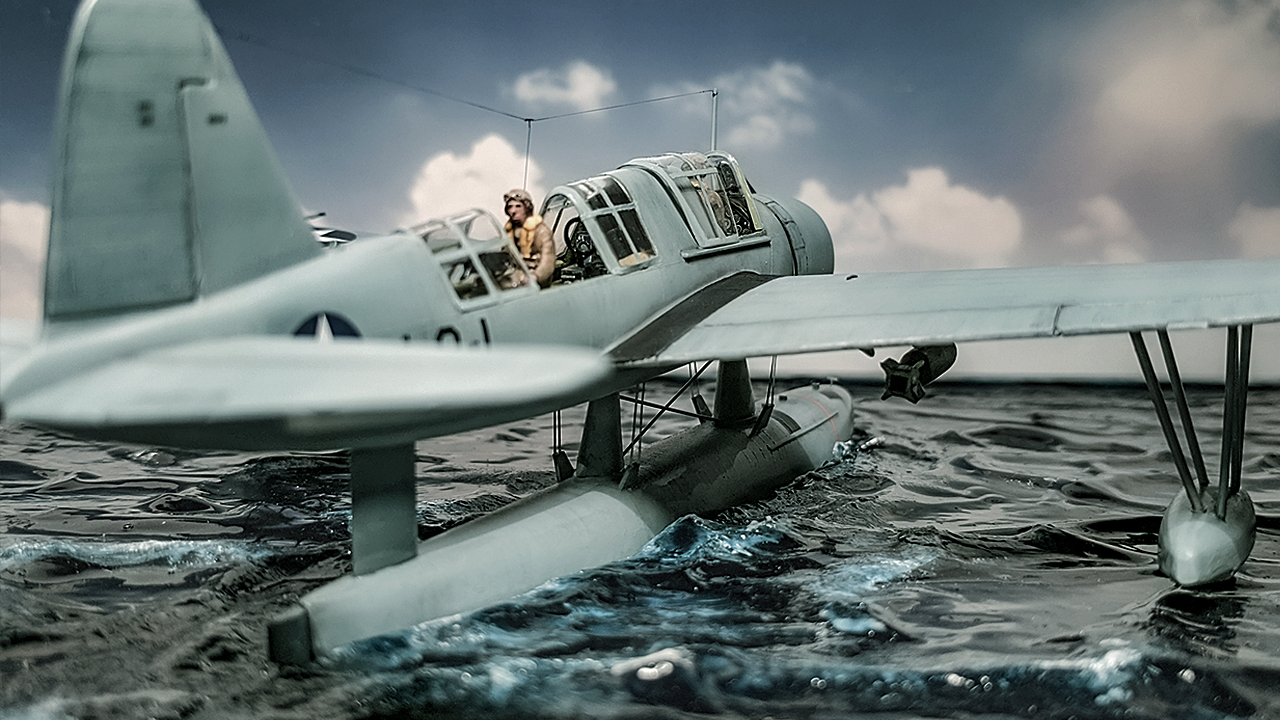
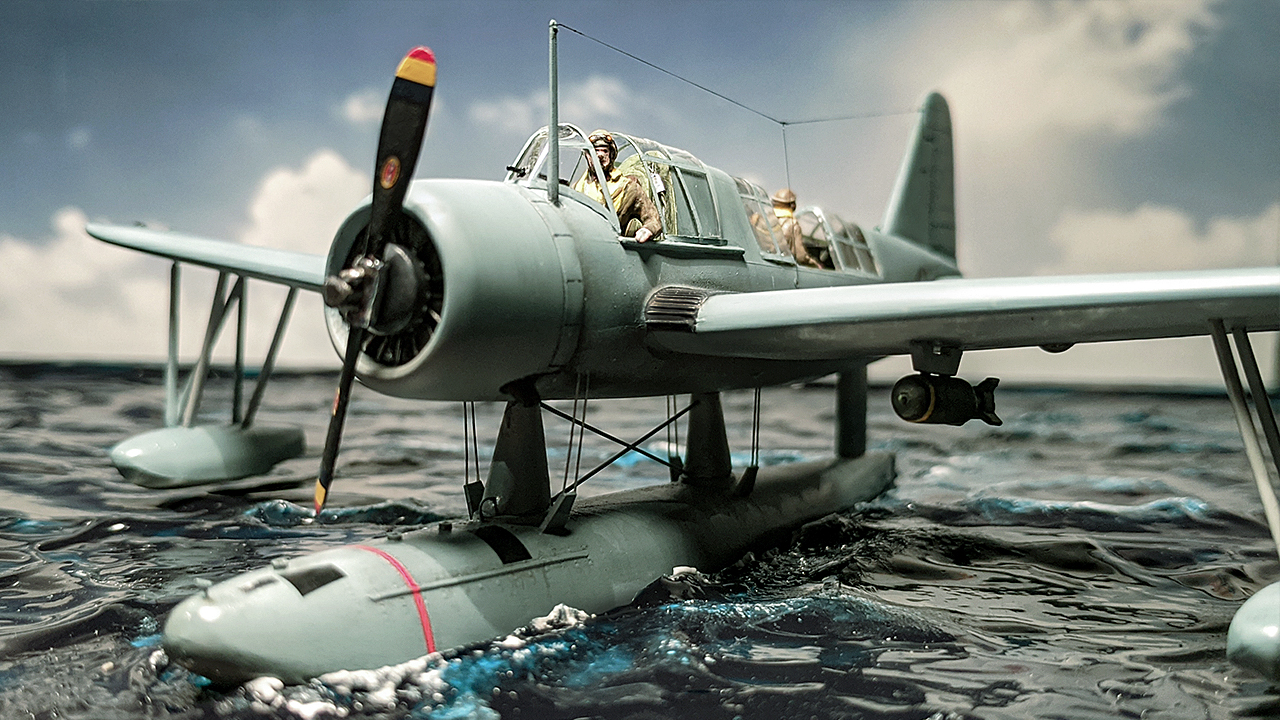
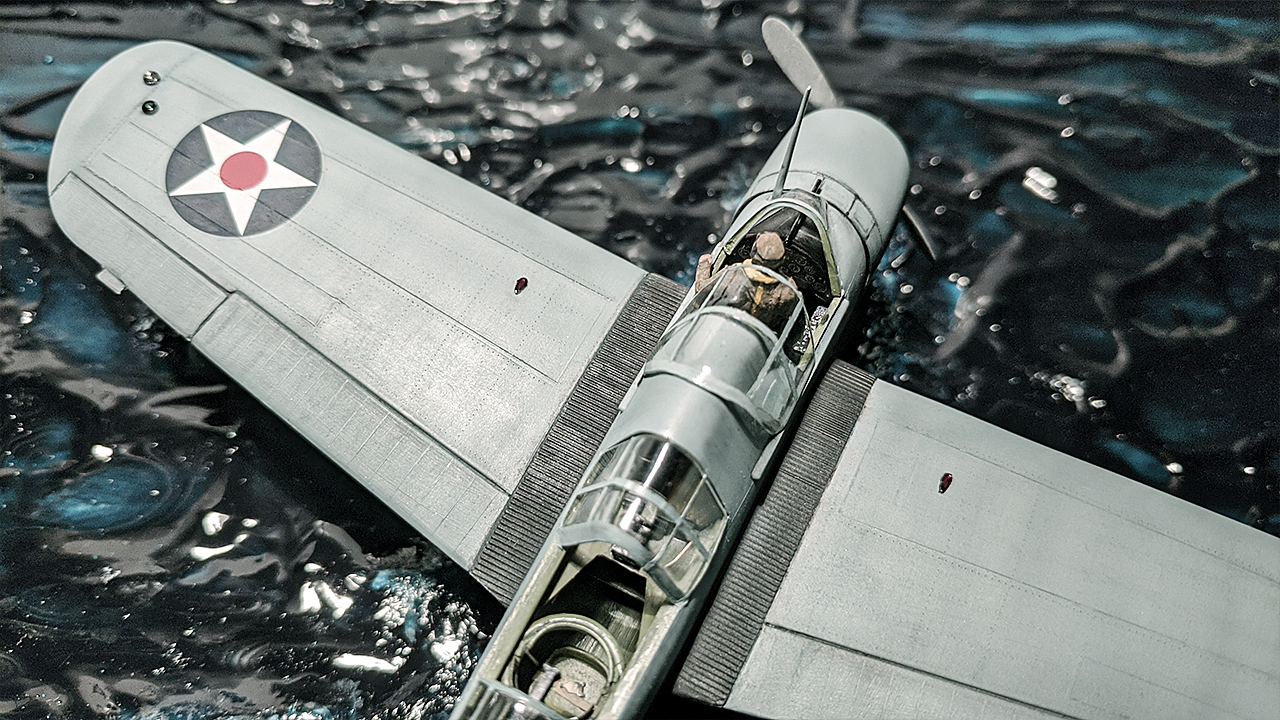
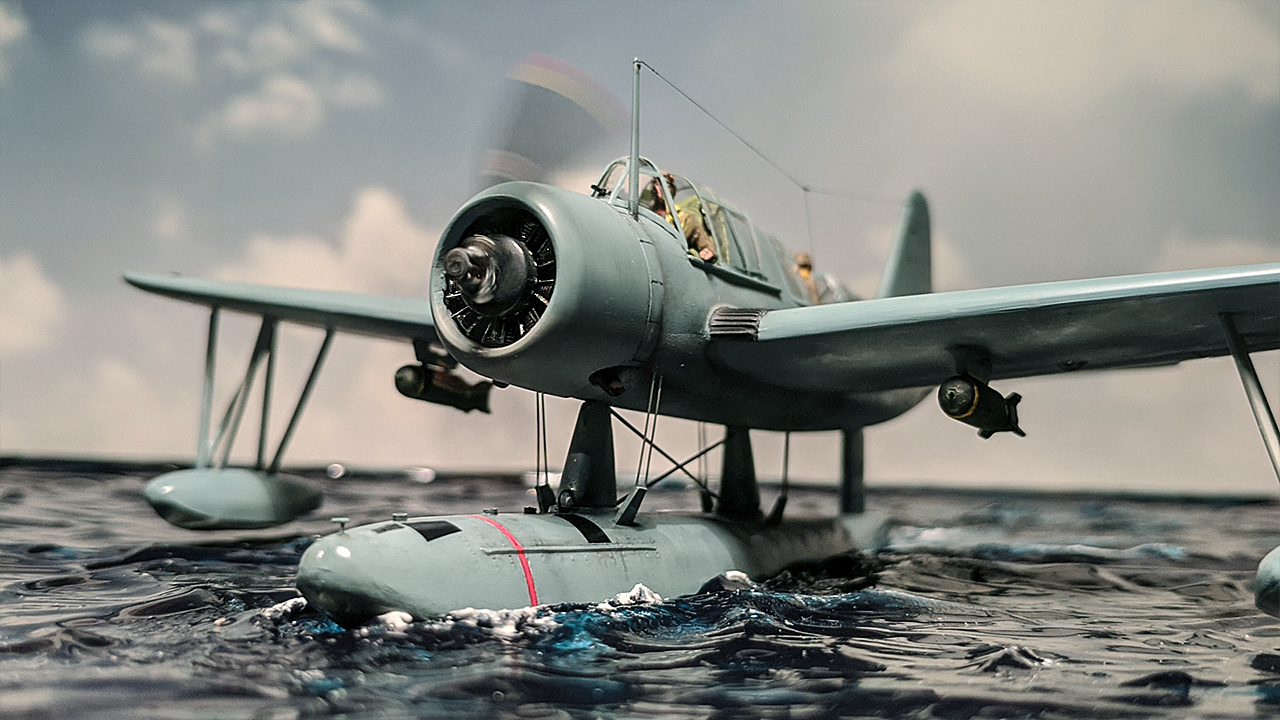
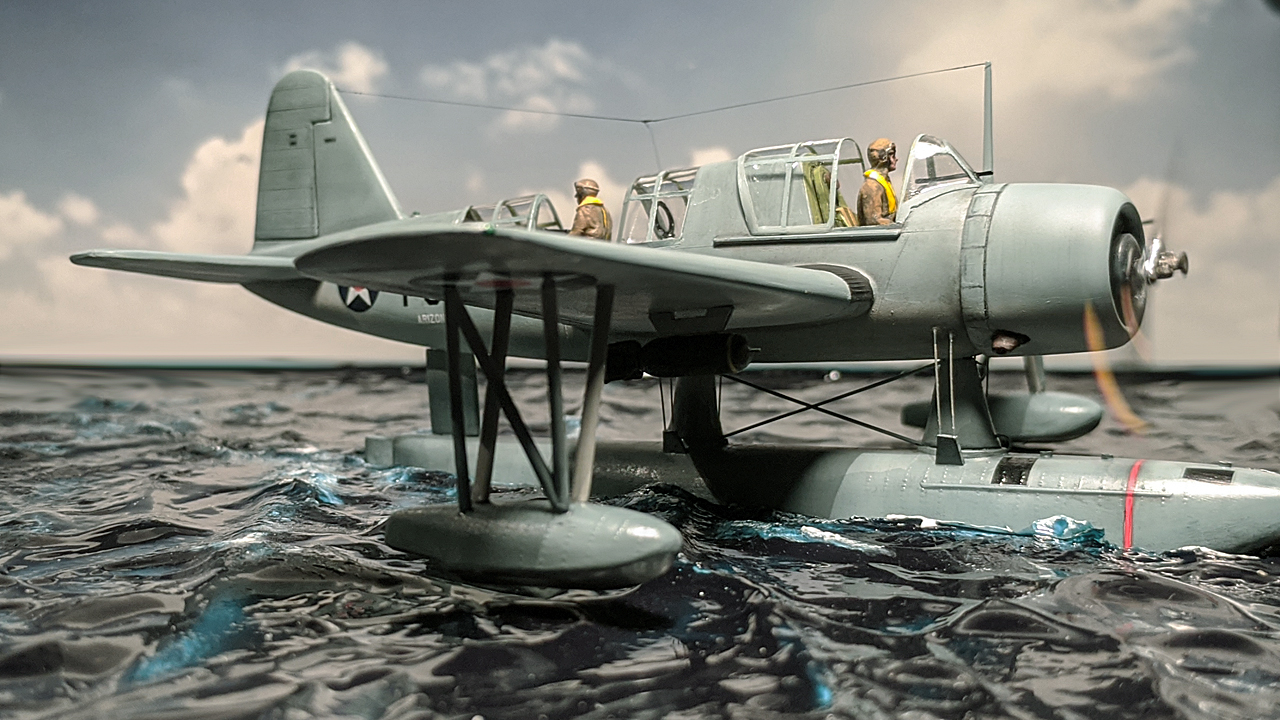
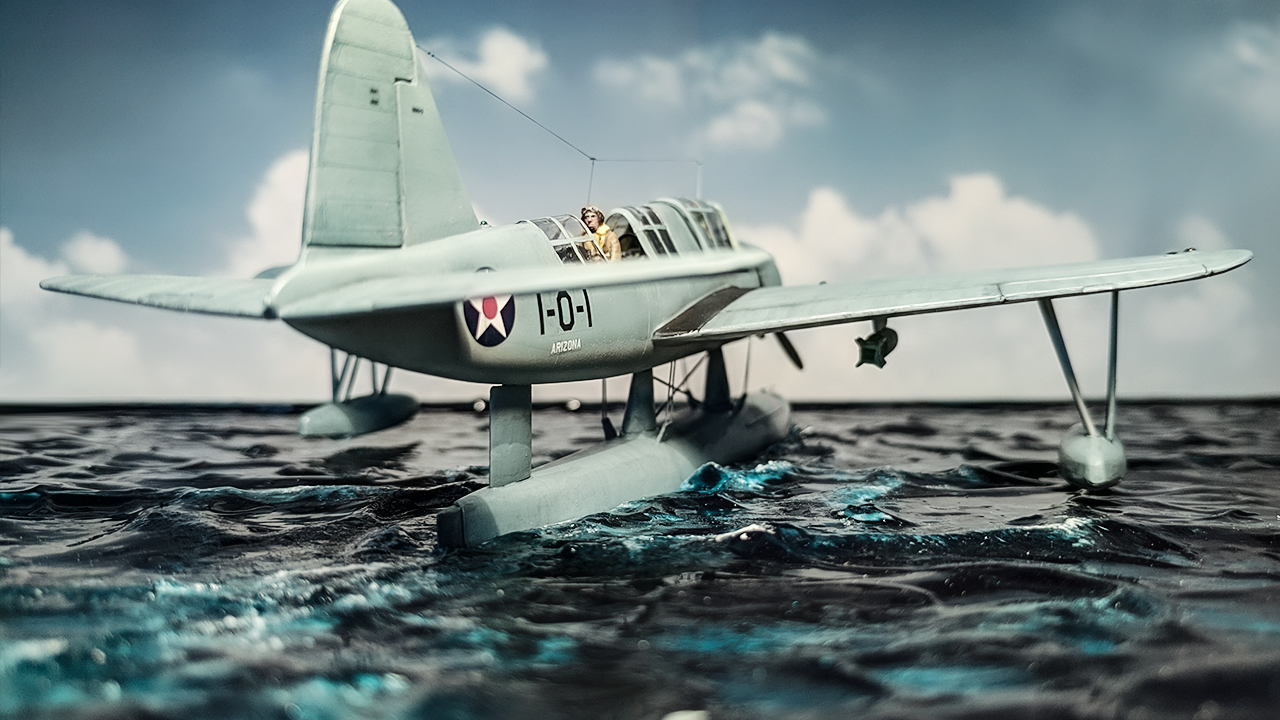
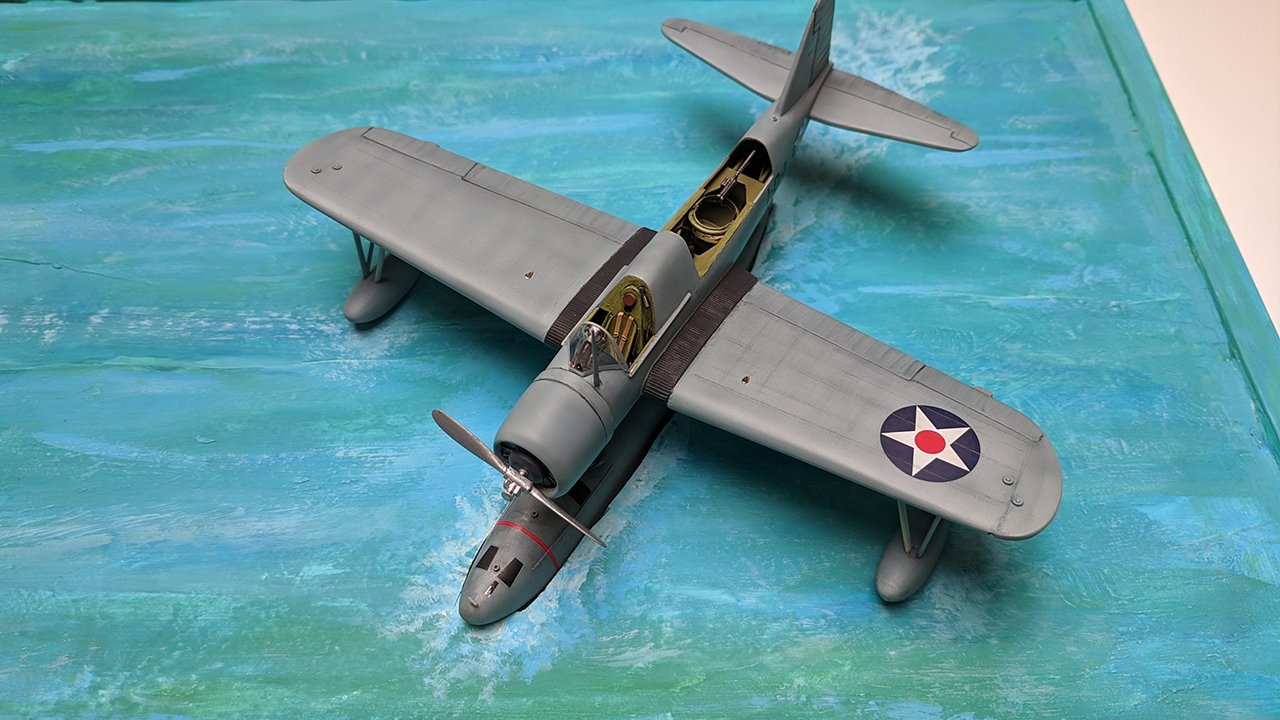
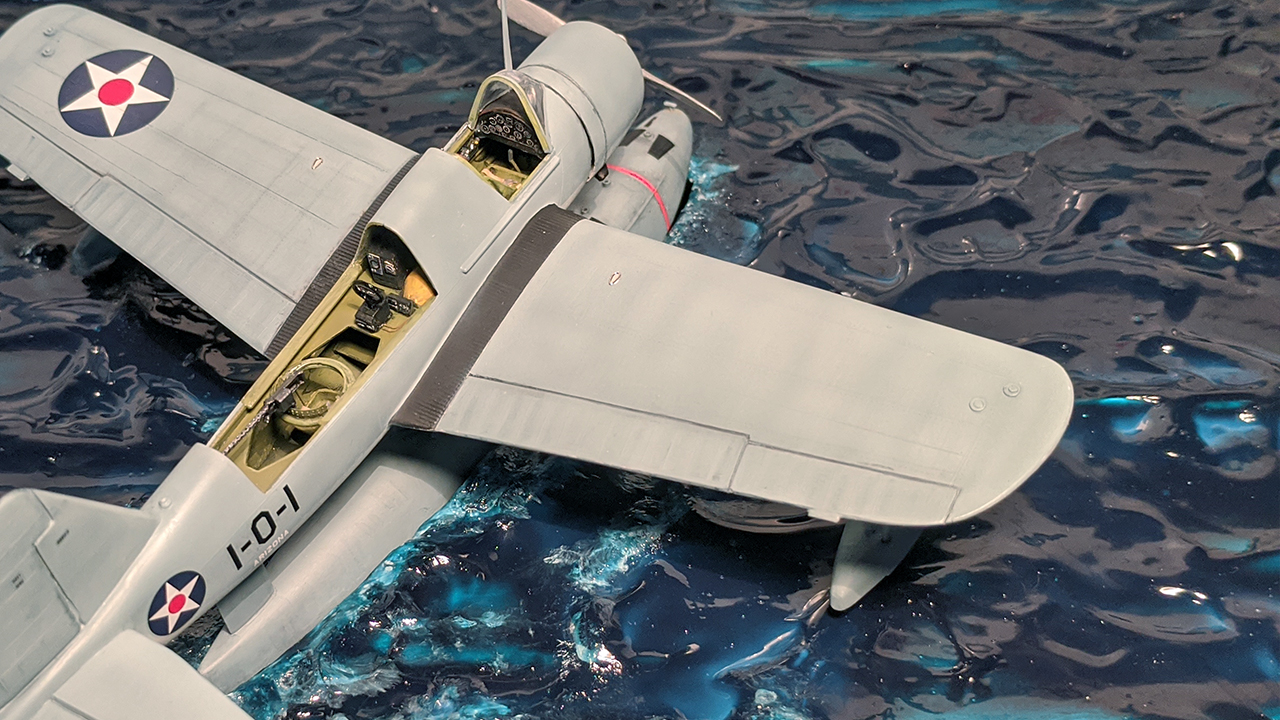
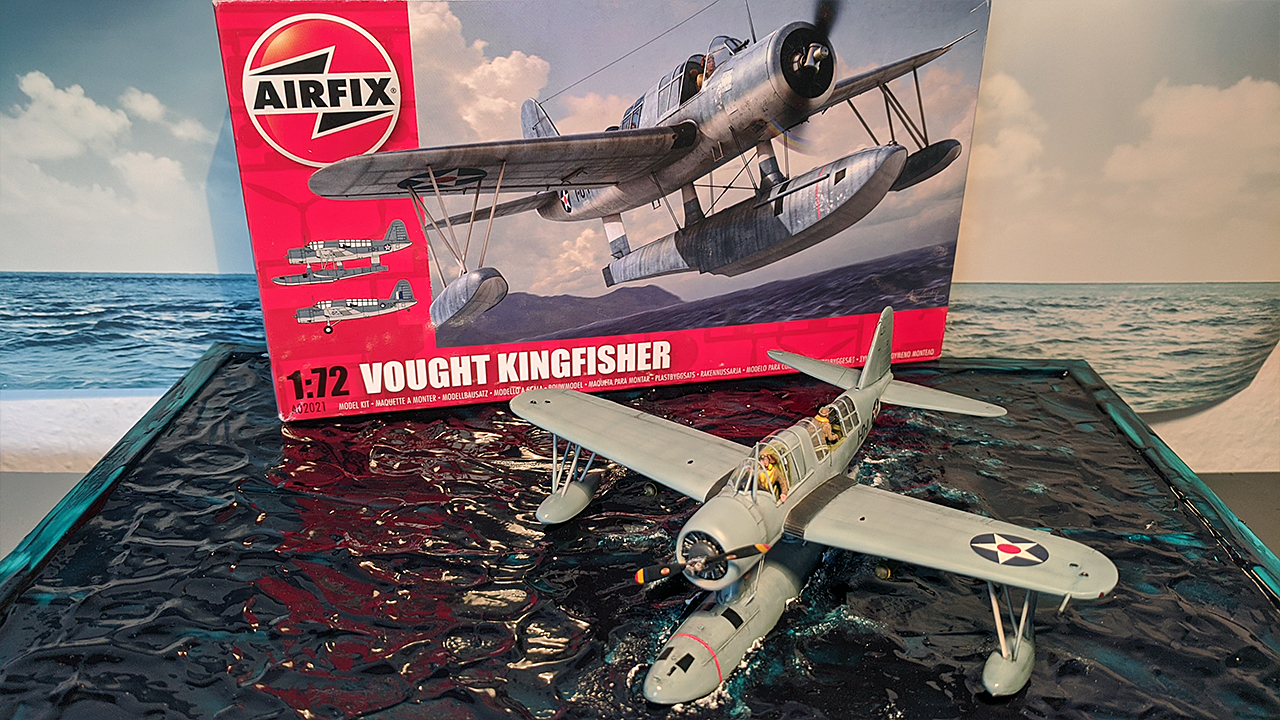
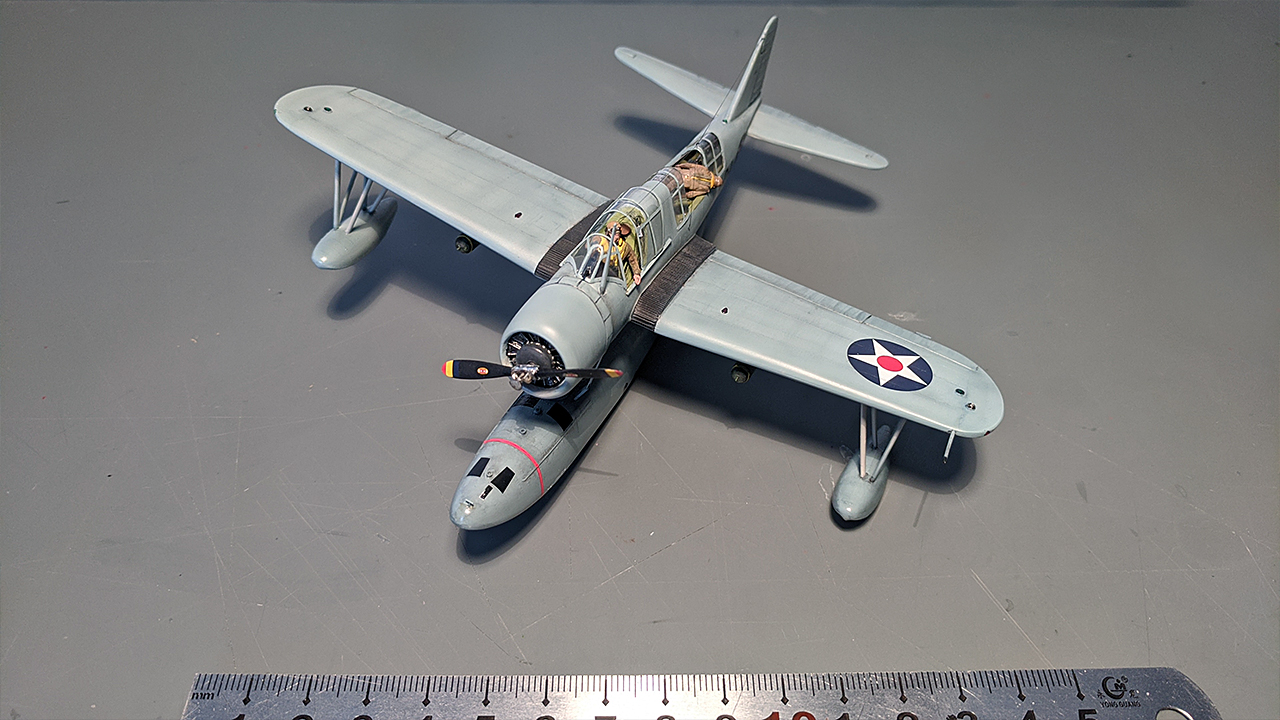
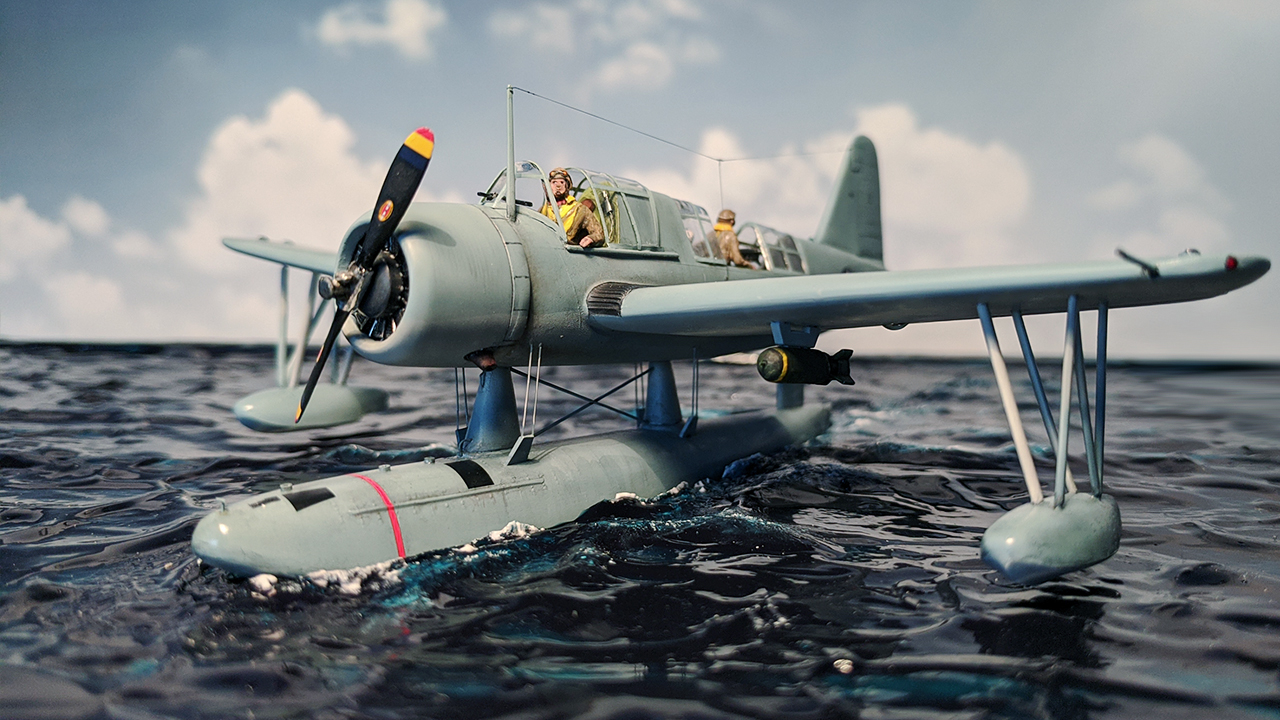
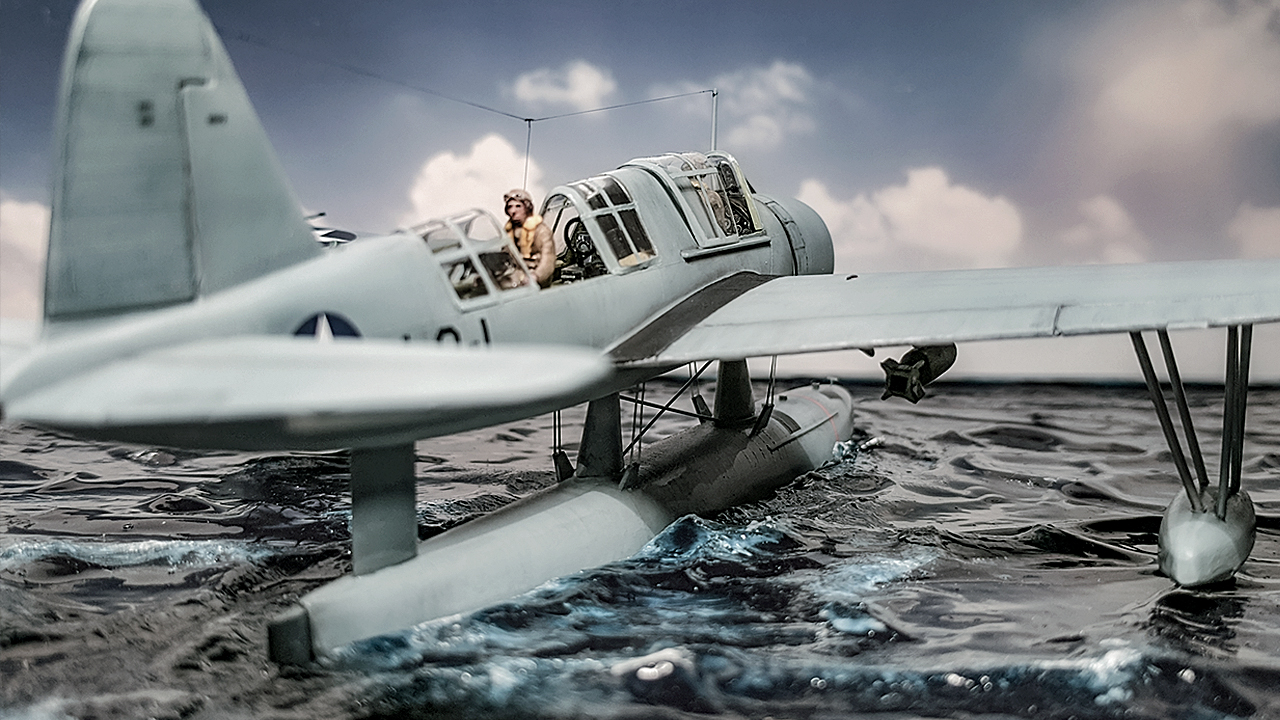
This is my rollout of the Airfix Vought OS2U-1 Kingfisher from US Navy markings — a floatplane catapult scout assigned to the battleship USS Arizona in the months before Pearl Harbor. The goal of this particular project was to explore something I had not attempted before: presenting a floatplane model on a Pacific water diorama base, complete with simulated ocean surface. Choosing a 1/72 Kingfisher for that experiment felt right — the aircraft itself is compact, elegant in its way, and the float configuration makes the water element a natural part of the scene rather than an afterthought.
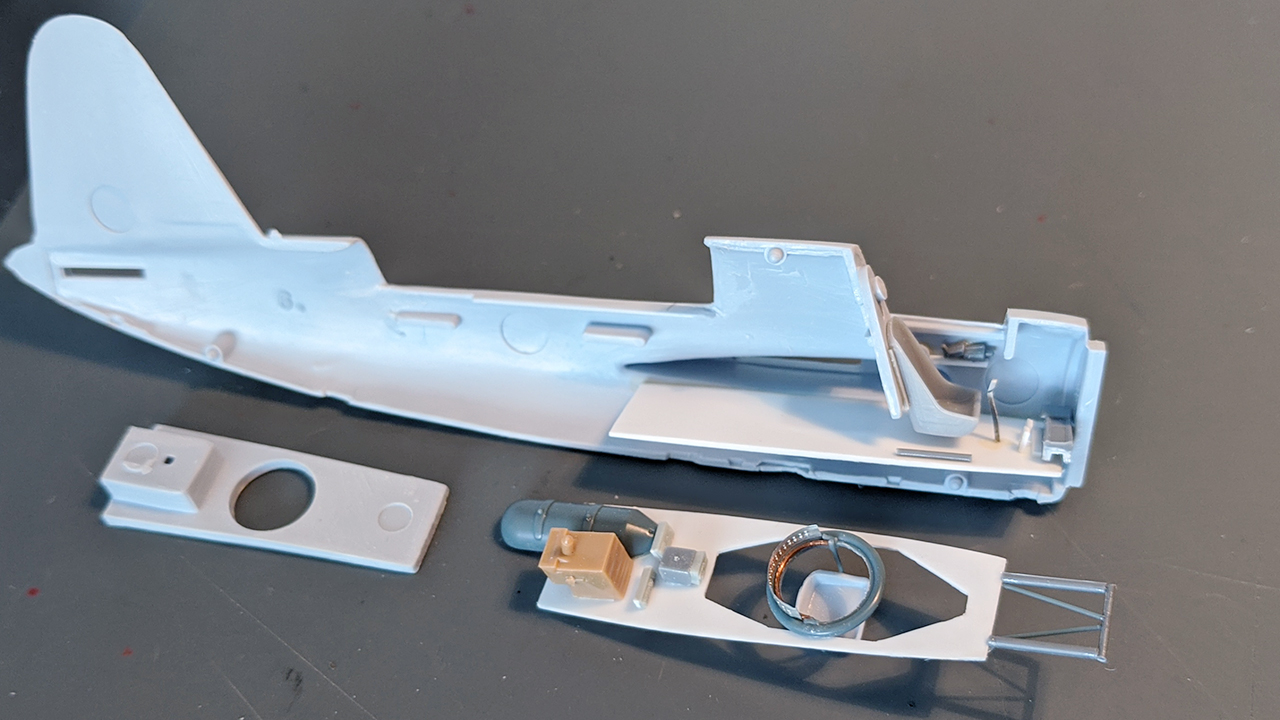
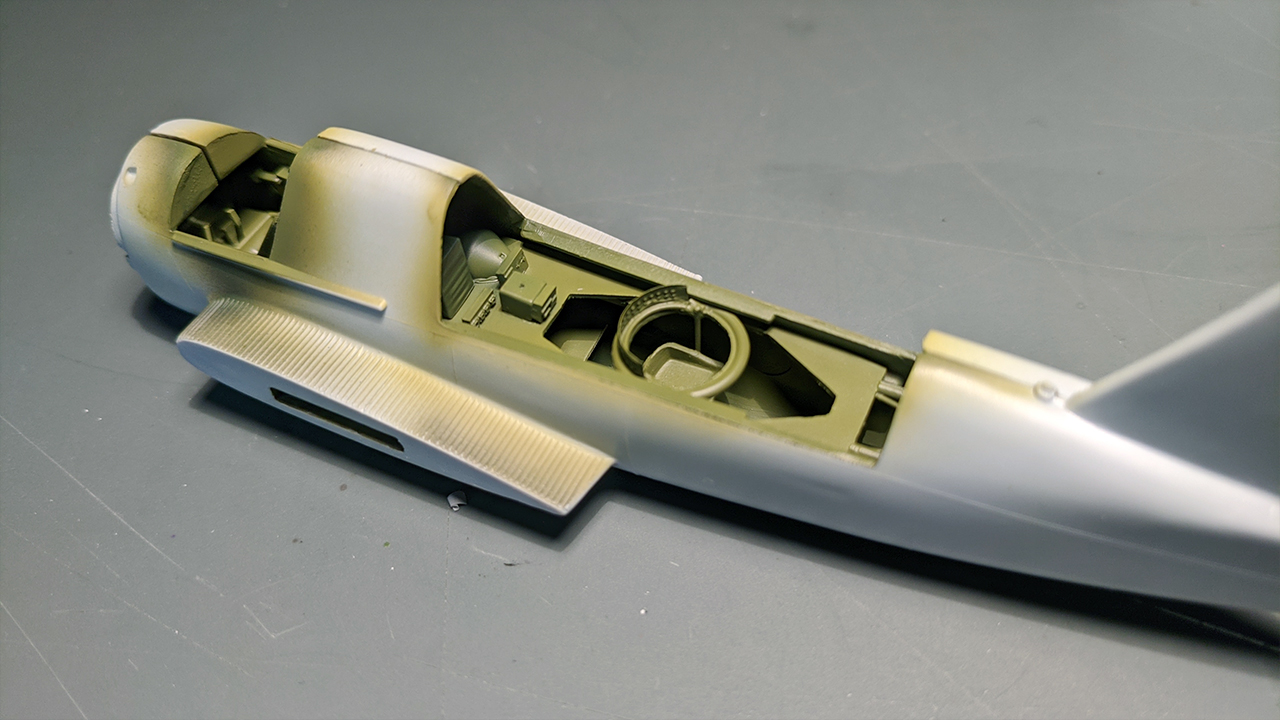
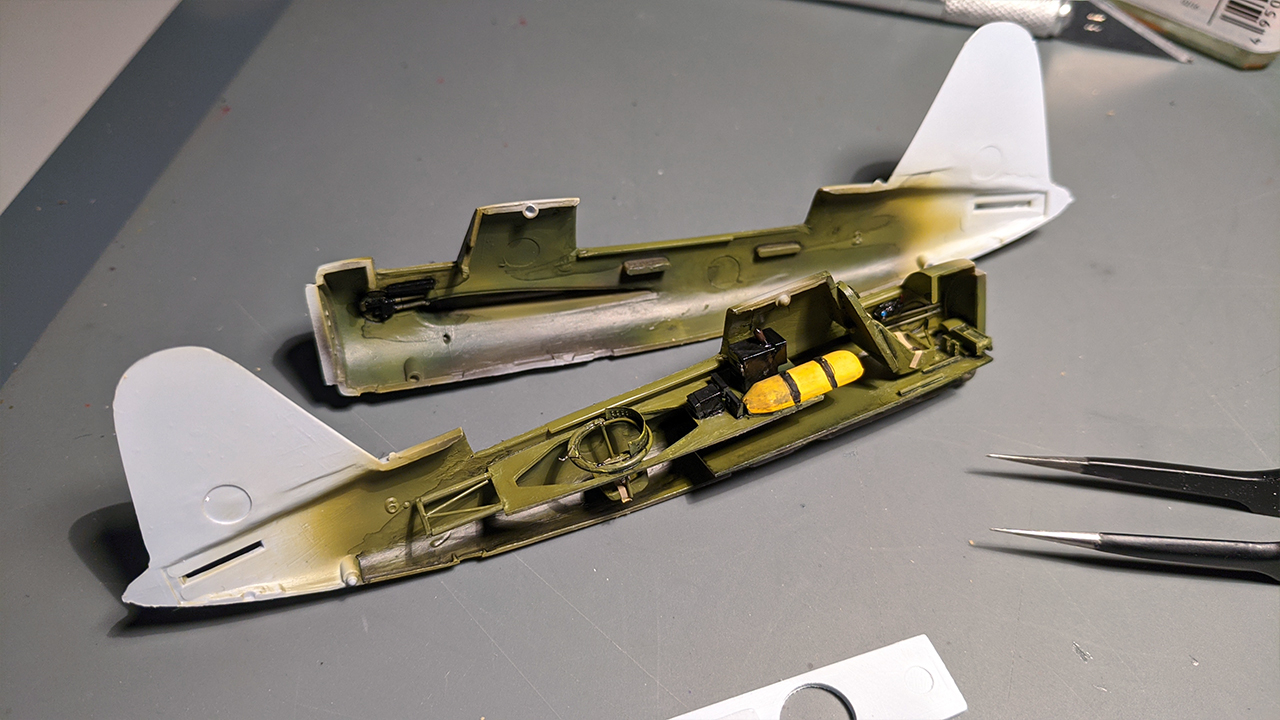
The kit itself is a very old one originally released by Airfix in the 1960s, and its age shows in the mould quality and level of surface detail. It was reissued a few years ago in new packaging and with an updated decal sheet, but the plastic beneath the new box art is unmistakably vintage. This is a low-budget kit and I did not purchase any aftermarket parts specifically for it — almost all the tiny detail upgrades you see in the finished model come straight from my spares box. The one exception is the barrel of the M2 Browning machine gun, which is a turned-metal replacement part from CMK and makes a noticeable difference at close range. The area around the open pilot's canopy was scratch-built entirely from sheet styrene, since the original moulded part is designed only for the closed position and cannot be convincingly posed otherwise.
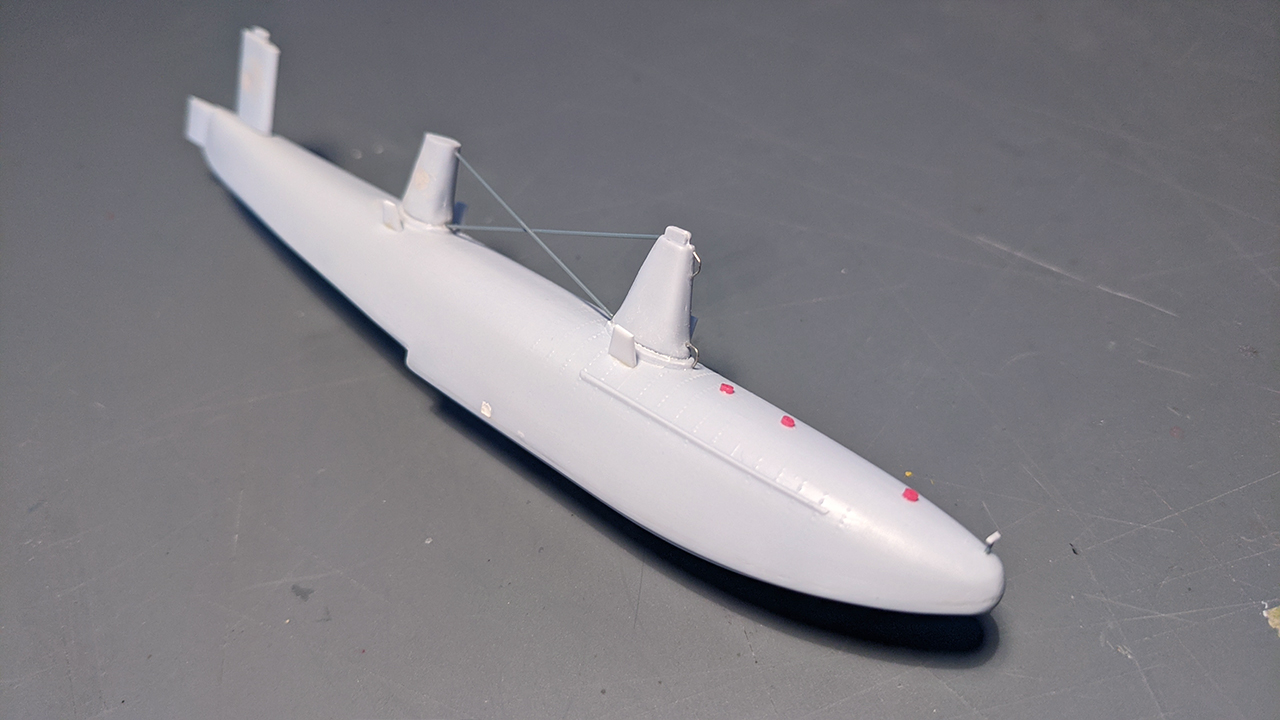
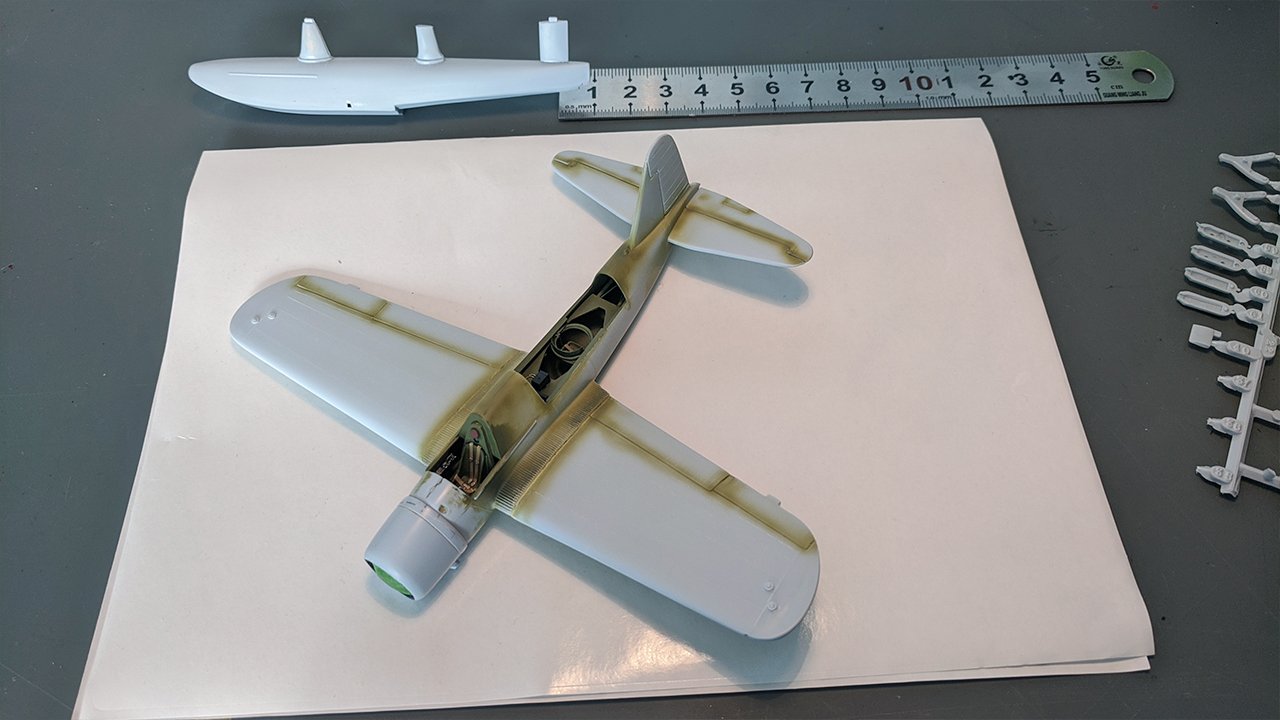
Regarding the kit's fit: the parts are not too bad for something of this vintage, and I encountered no serious problems during the build. However, I would strongly recommend shortening the inner struts for the underwing floats — they are slightly too long as moulded and cause the outer floats to sit at an angle that looks noticeably wrong once the model is on its display base. A few passes with a razor saw and a quick re-glue brings them into much better alignment. The decals supplied in the reissued kit are genuinely good: they settle flat with minimal softening solution, and the colour profile they represent is correct as far as I have been able to verify against photographic references.
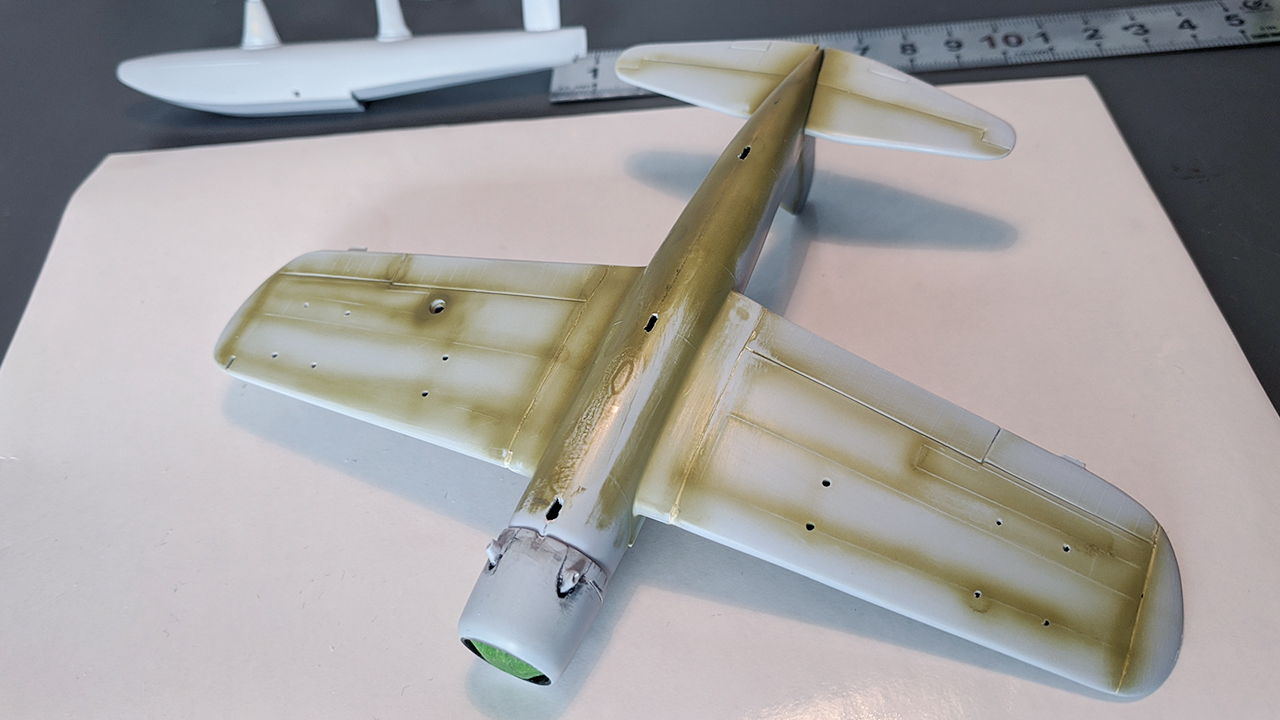
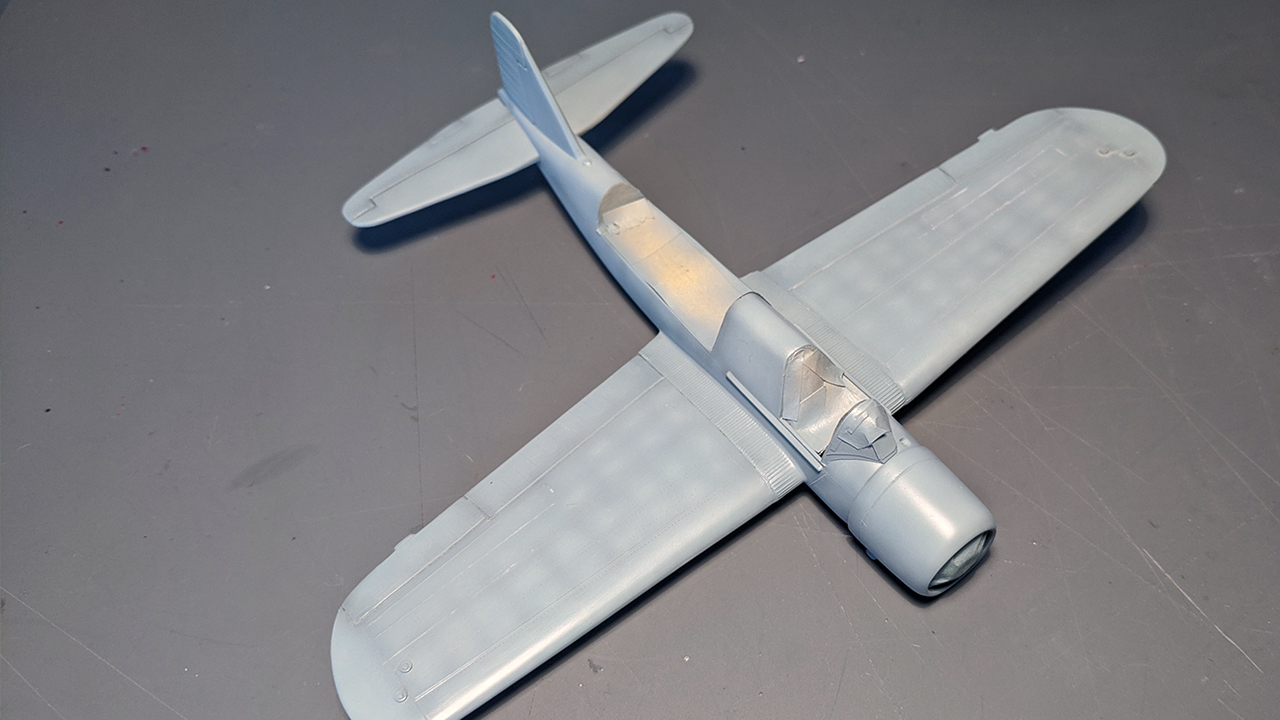
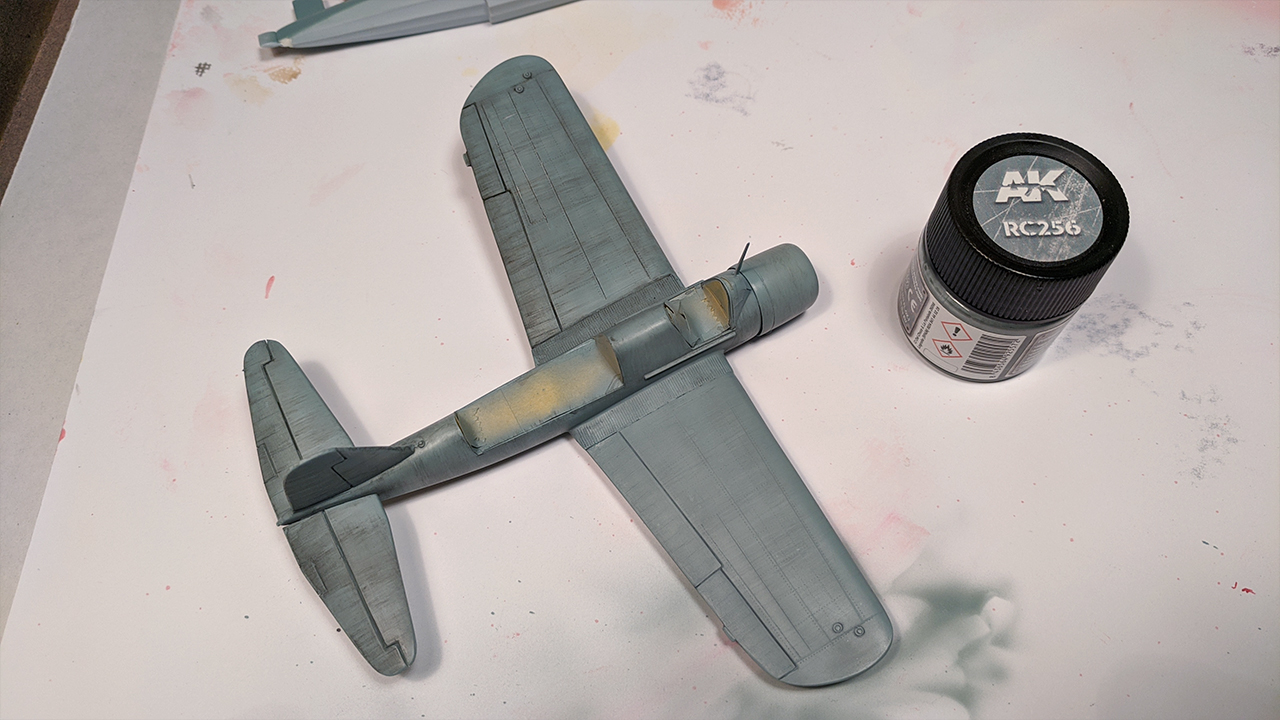
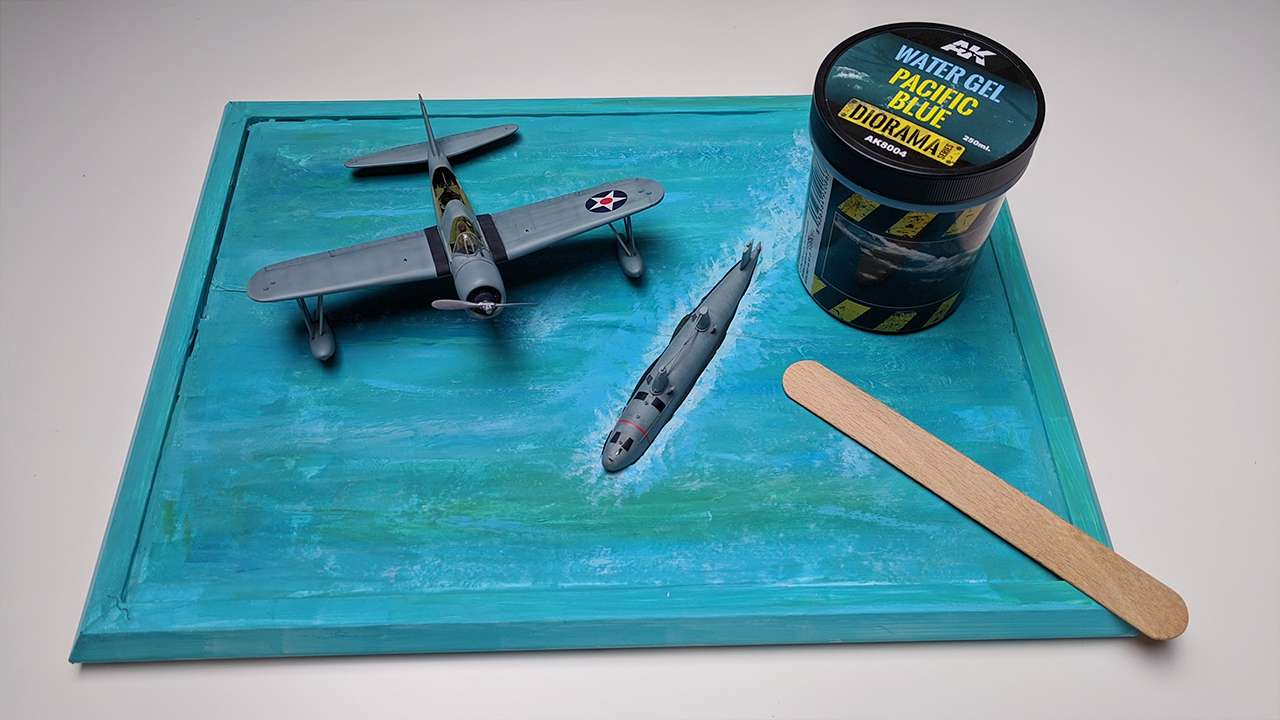
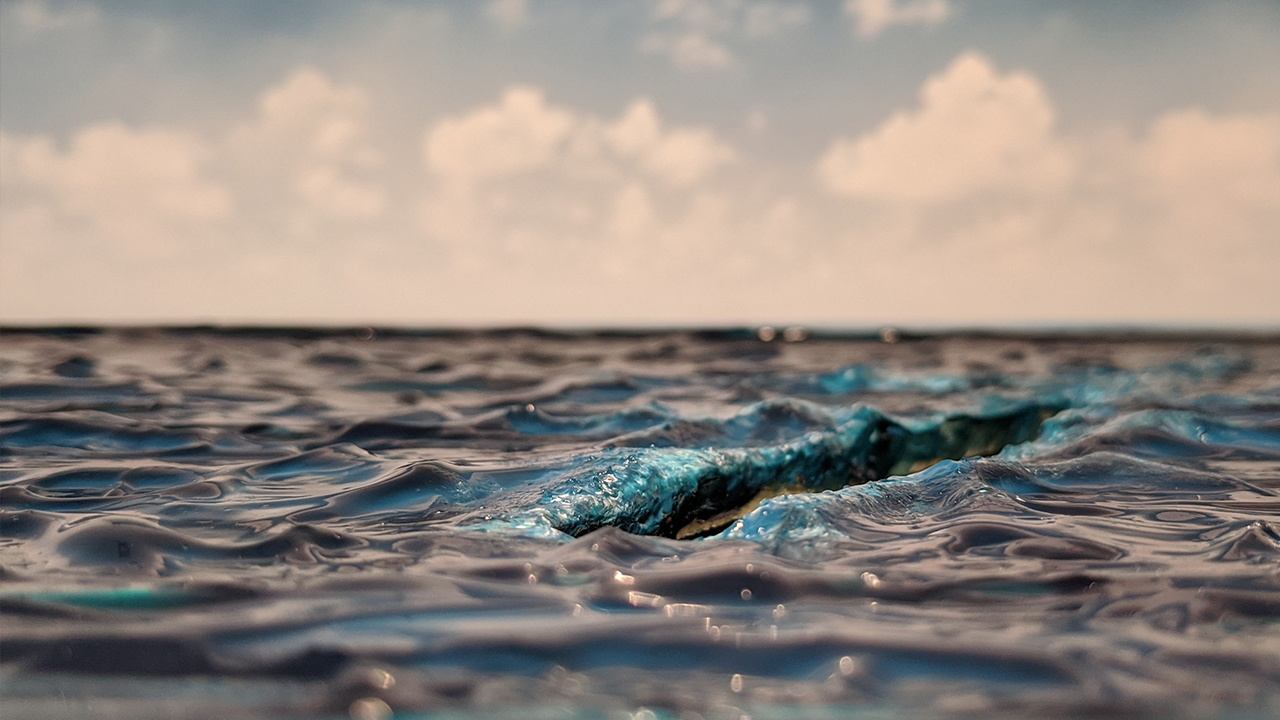
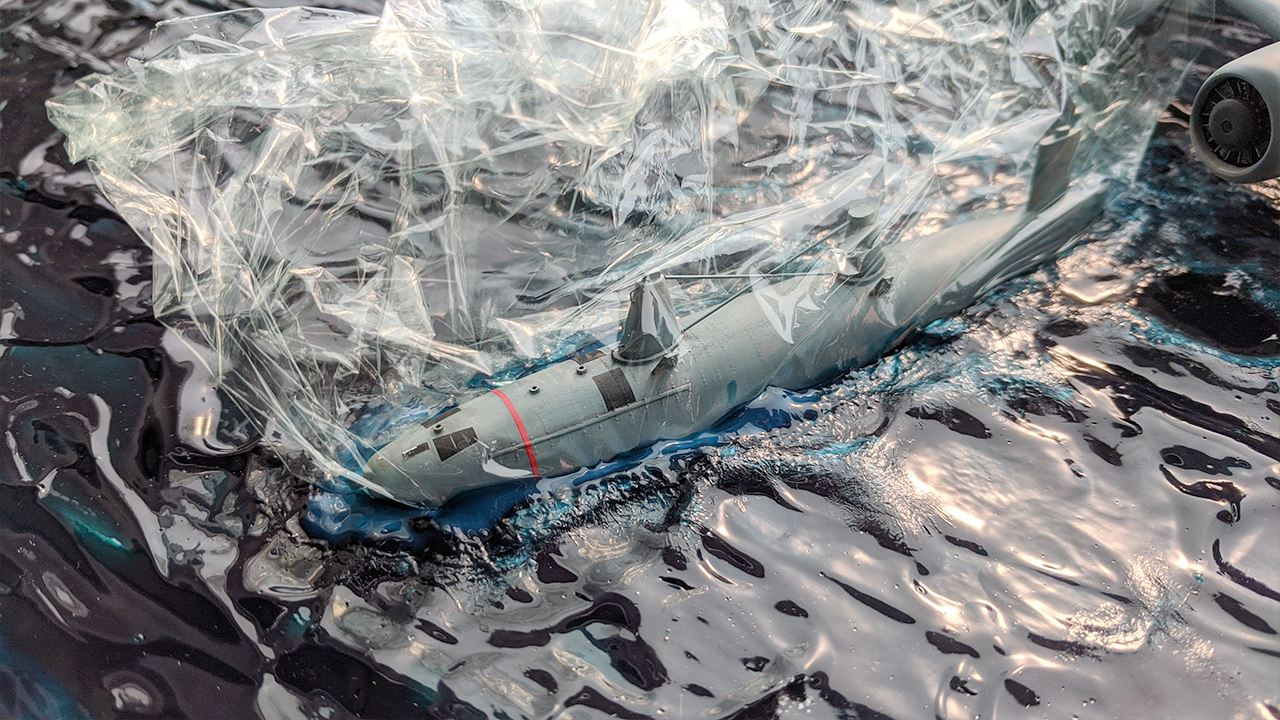
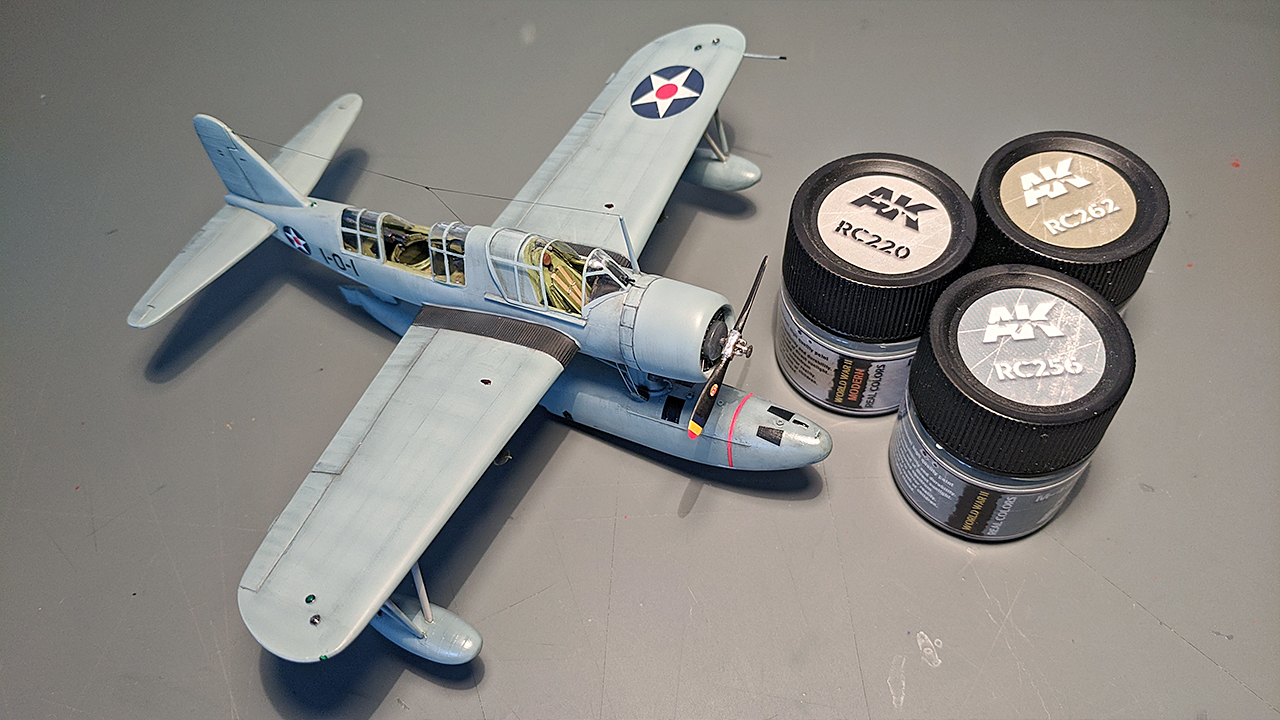
The paint job was done entirely with AK Real Colors — specifically RC256 Blue Grey for the upper surfaces, RC220 Light Gull Grey for the undersides, and RC262 US Interior Yellow Green for the cockpit interior. Post-shading and panel line work was done using the AK10043 pencil set in grey and blue tones, which suits the soft-looking pre-war Navy finish rather well. The water diorama base is constructed from 6 mm craft foam cut to a shallow rectangular form, covered with a layer of tissue paper to add slight texture, and then painted with acrylics in layered blue-green tones before the application of a heavy coat of AK8004 Water Gel Pacific Blue. A few small dabs of undiluted white acrylic were stippled across the surface to simulate foam and wake disturbed by the float hull — a technique I want to refine on future diorama builds. If you attempt something similar, I would recommend using foam board at least 10 mm thick rather than 6 mm, as thinner bases can warp slightly under the weight and moisture of the water gel. I used a hair dryer held at distance to simulate wind load on the propeller and achieve a natural blade angle.
This was my first attempt at a water surface diorama, and I was deliberately conservative in how much water texture I added directly to the airframe itself — spray, foam, and water-line weathering on the floats and hull are things I intend to develop further on the next build. On reflection, the result reads convincingly as a floatplane resting at anchor in the Pacific, which was the target. I know that more accurate and more detailed representations of the Kingfisher are available in larger scales, but this little kit was a low-cost project that delivered a lot of modelling pleasure — the combination of an honest vintage kit, a scratch-built detail, and a first experiment with a new medium made it one of the more memorable builds on my bench.
"An oldie from the '60s, but still fun to build."
01
02
03
04
05
06
07
08
09
10
11
12
13
14
15
16
17
18
19
20
21
22
23
24
25
26