Build Report
About This Build
The Subject
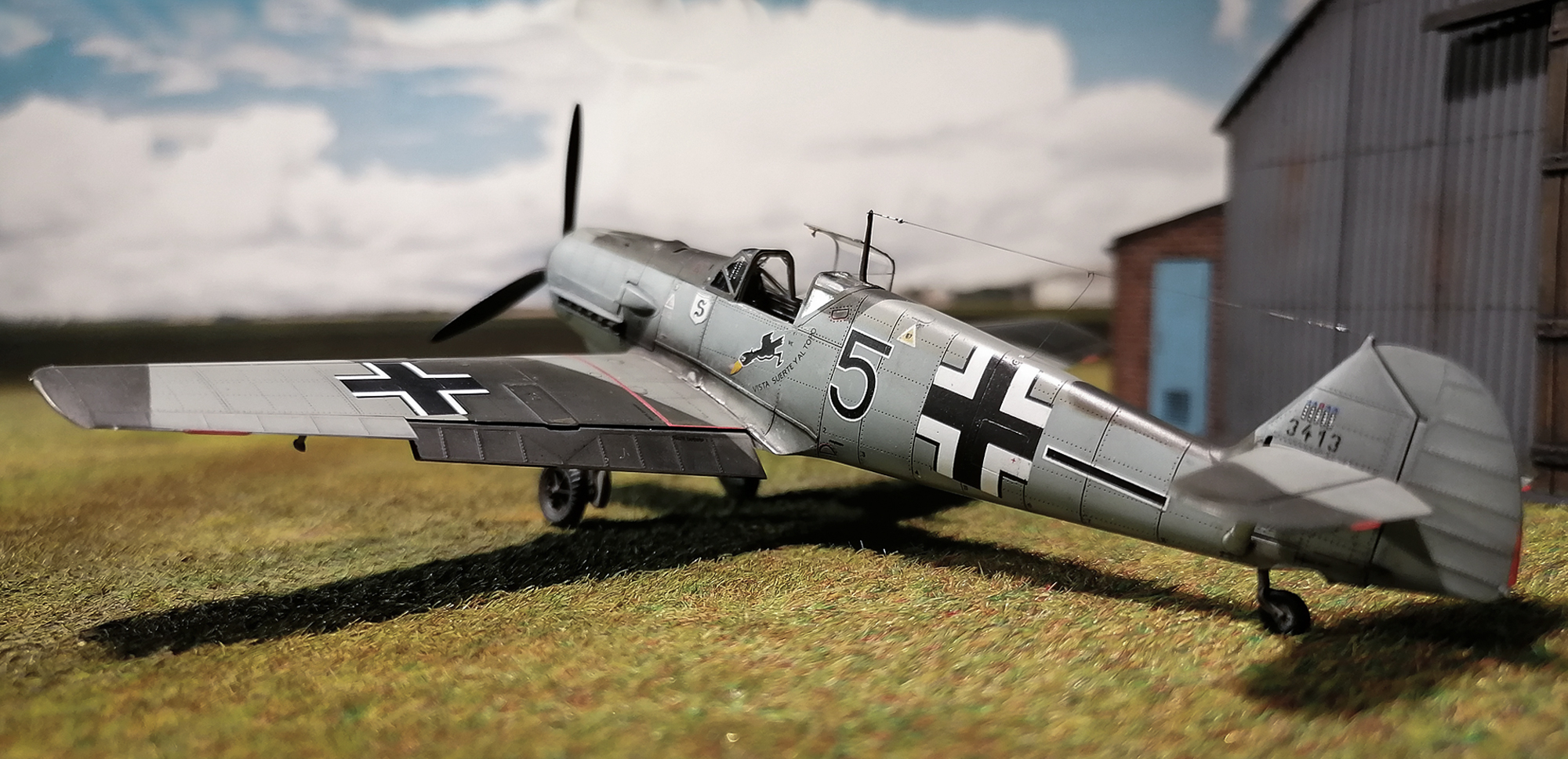
By the summer of 1939 the Messerschmitt Bf 109 E-variant — the so-called "Emil" — had become the definitive expression of German single-engine fighter design. Powered by the Daimler-Benz DB 601 A developing around 1,175 hp, the E-1 was armed with four 7.92 mm MG 17 machine guns and was broadly superior in speed and climb to anything the French Armée de l'Air or British Expeditionary Force could put against it in the opening months of the Western campaign. When Fall Gelb — the German offensive in the West — opened on 10 May 1940, the Bf 109 E units were operating at the absolute limit of their range from airfields across western Germany, but as the Wehrmacht's armoured spearheads pushed through Belgium and into northern France within days, the Jagdgruppen moved rapidly forward onto newly captured airfields like Chièvres in Belgium and the surrounding area. By early June the pocket around Dunkirk had been closed and the second phase of the campaign, Fall Rot, was driving south. Luftwaffe fighter pilots who had already flown in Spain with the Legion Condor found themselves back in combat, their Spanish experience proving decisive in the development of the Rotte and Schwarm tactical formations that the Allies would only adopt years later.
The Kit
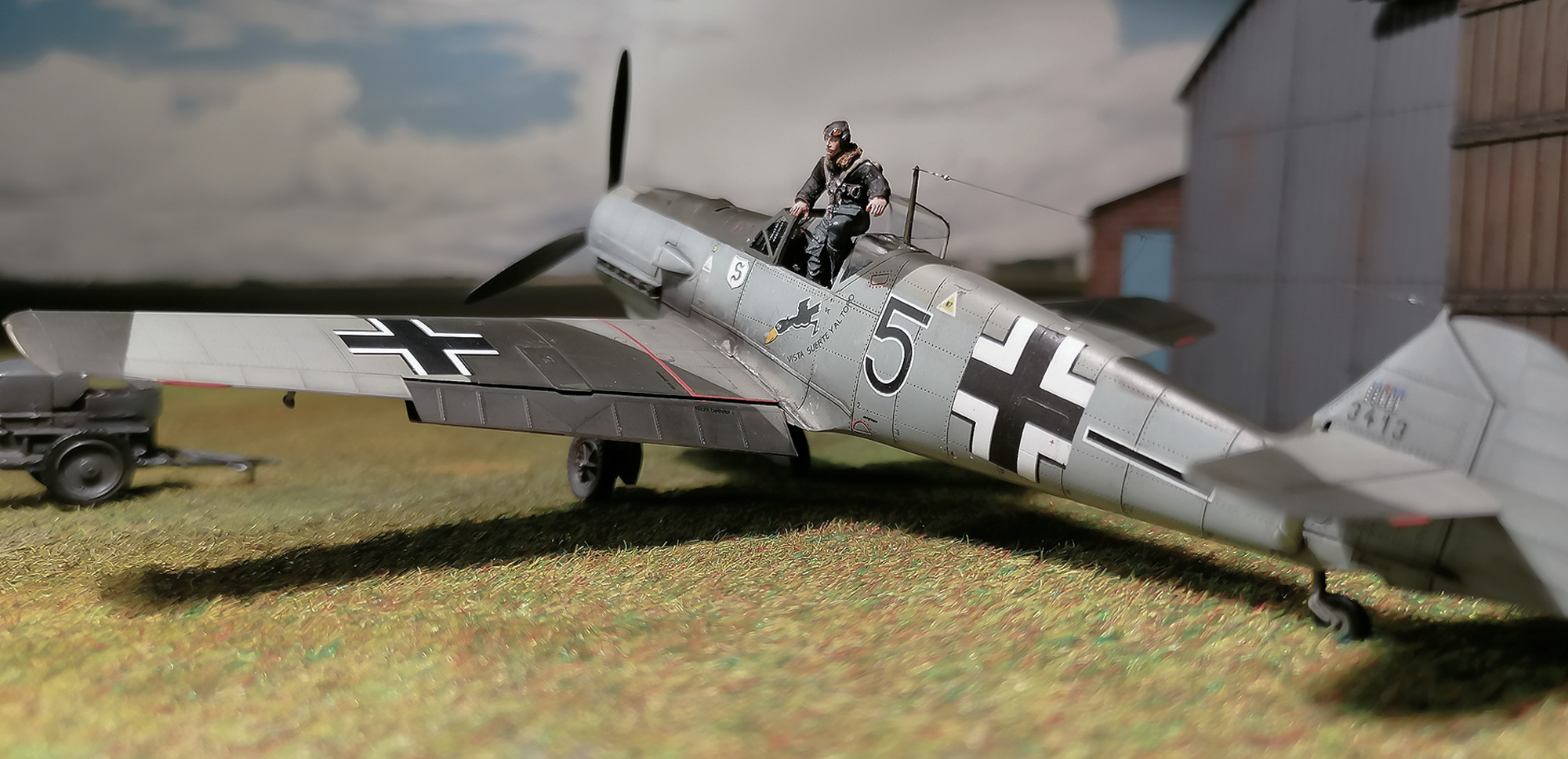
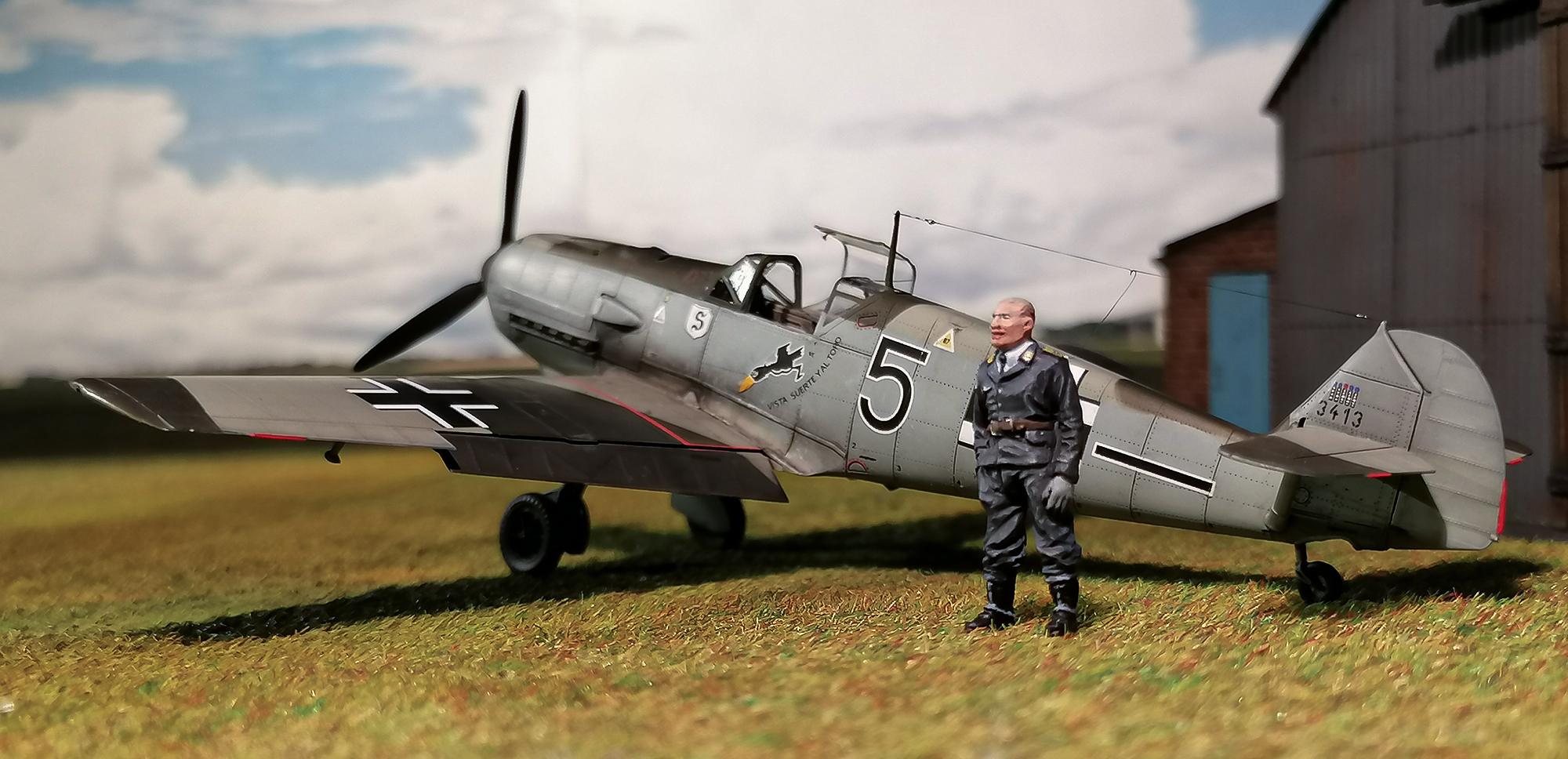
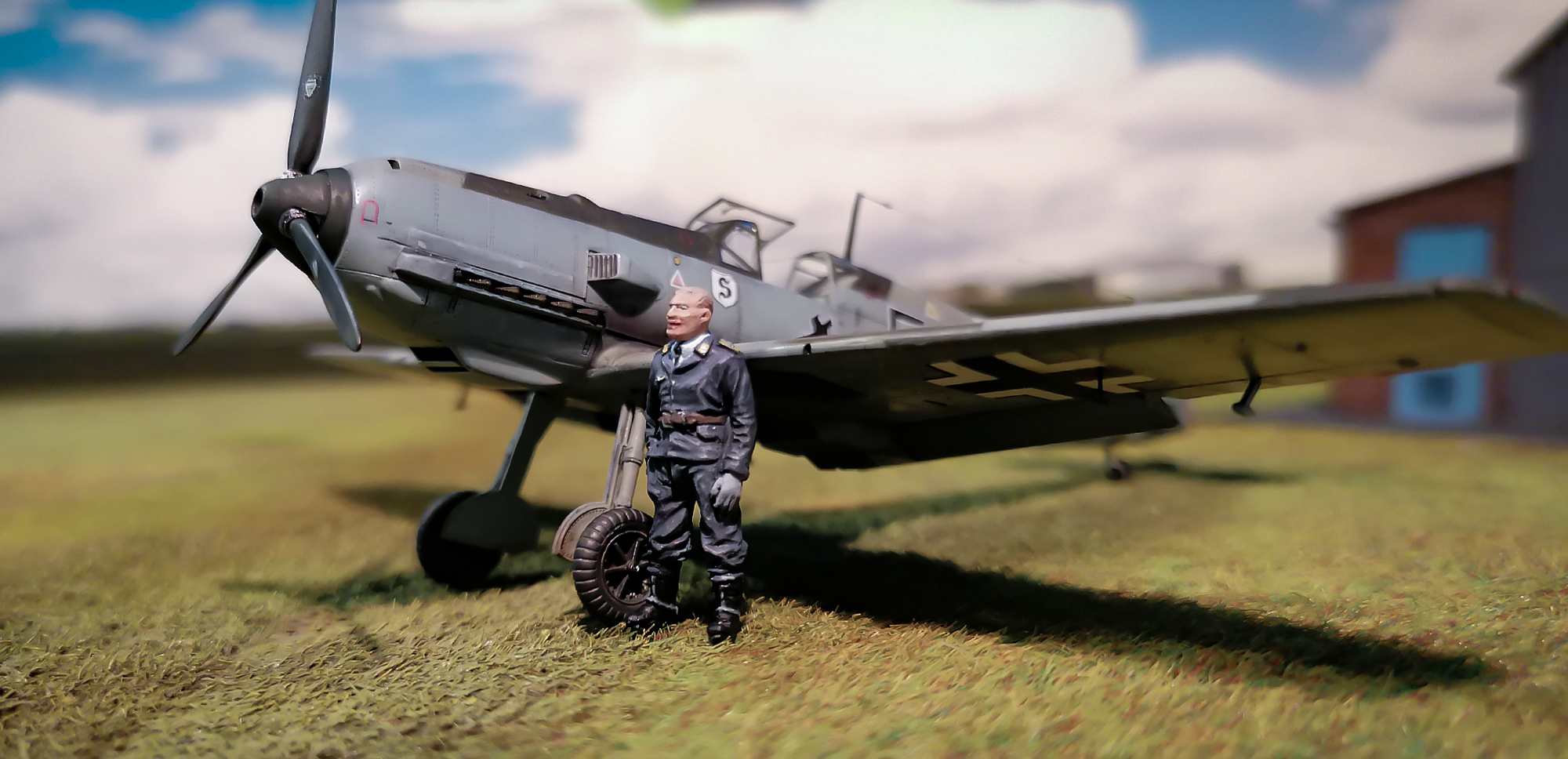
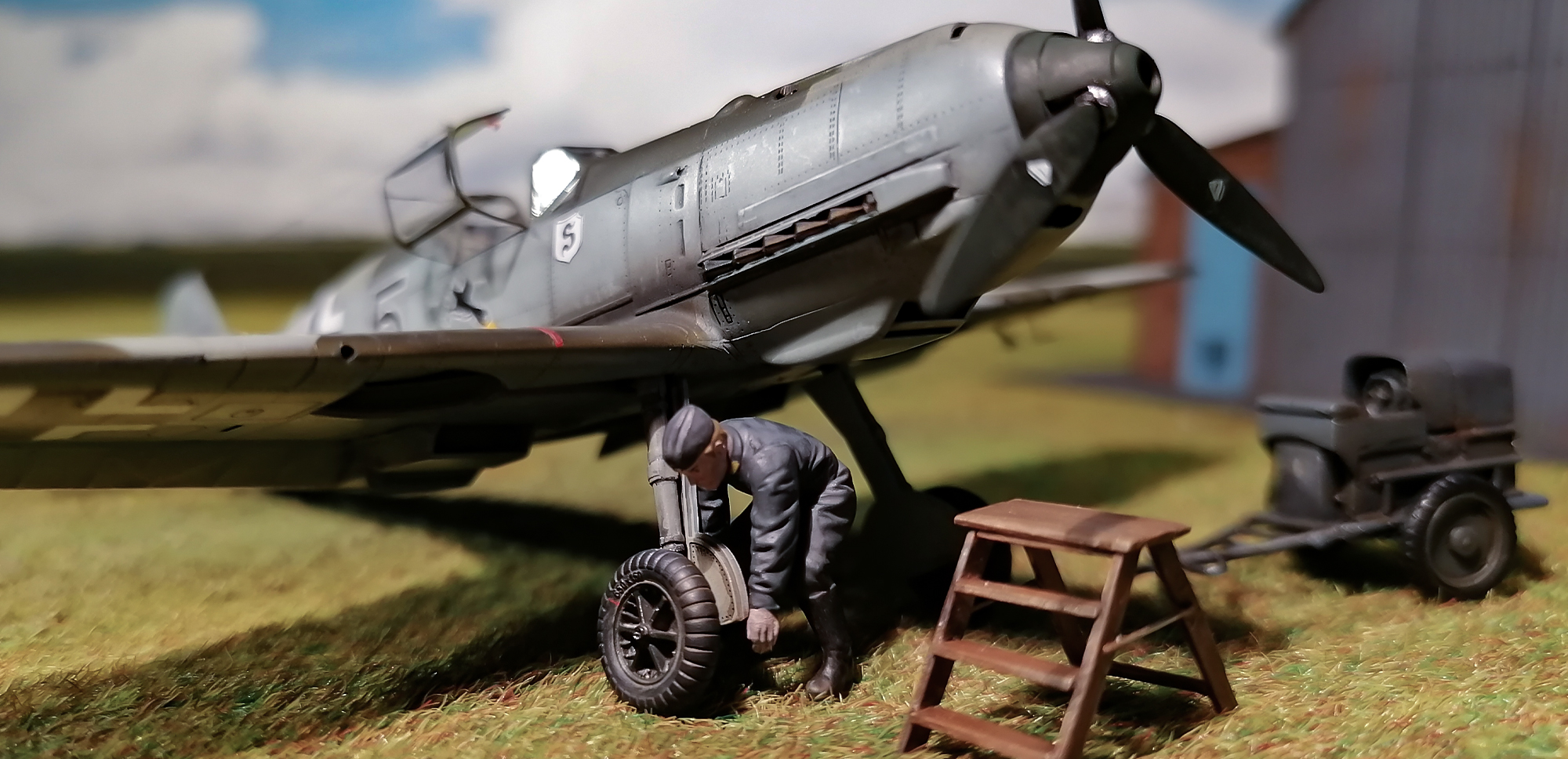
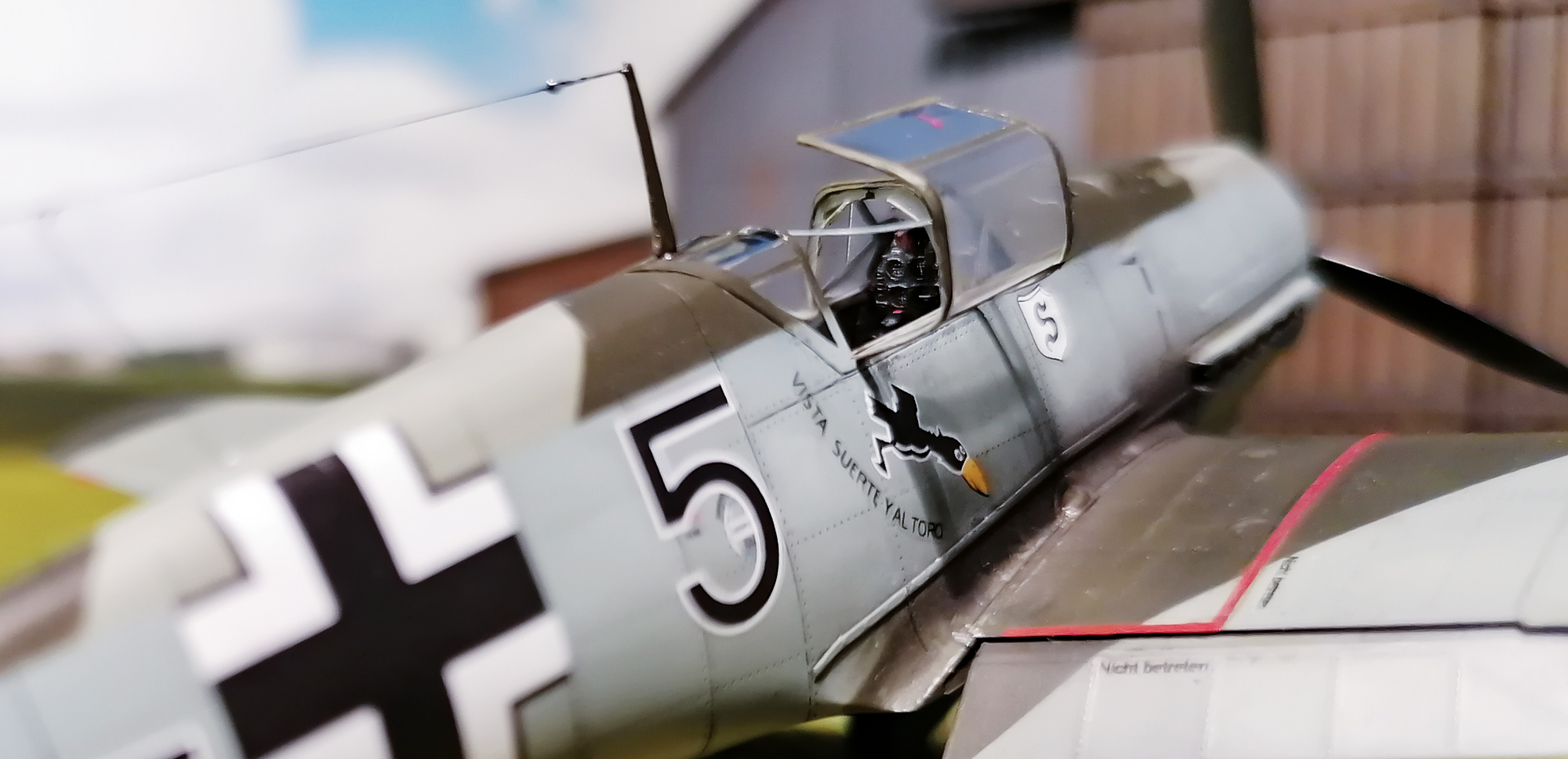
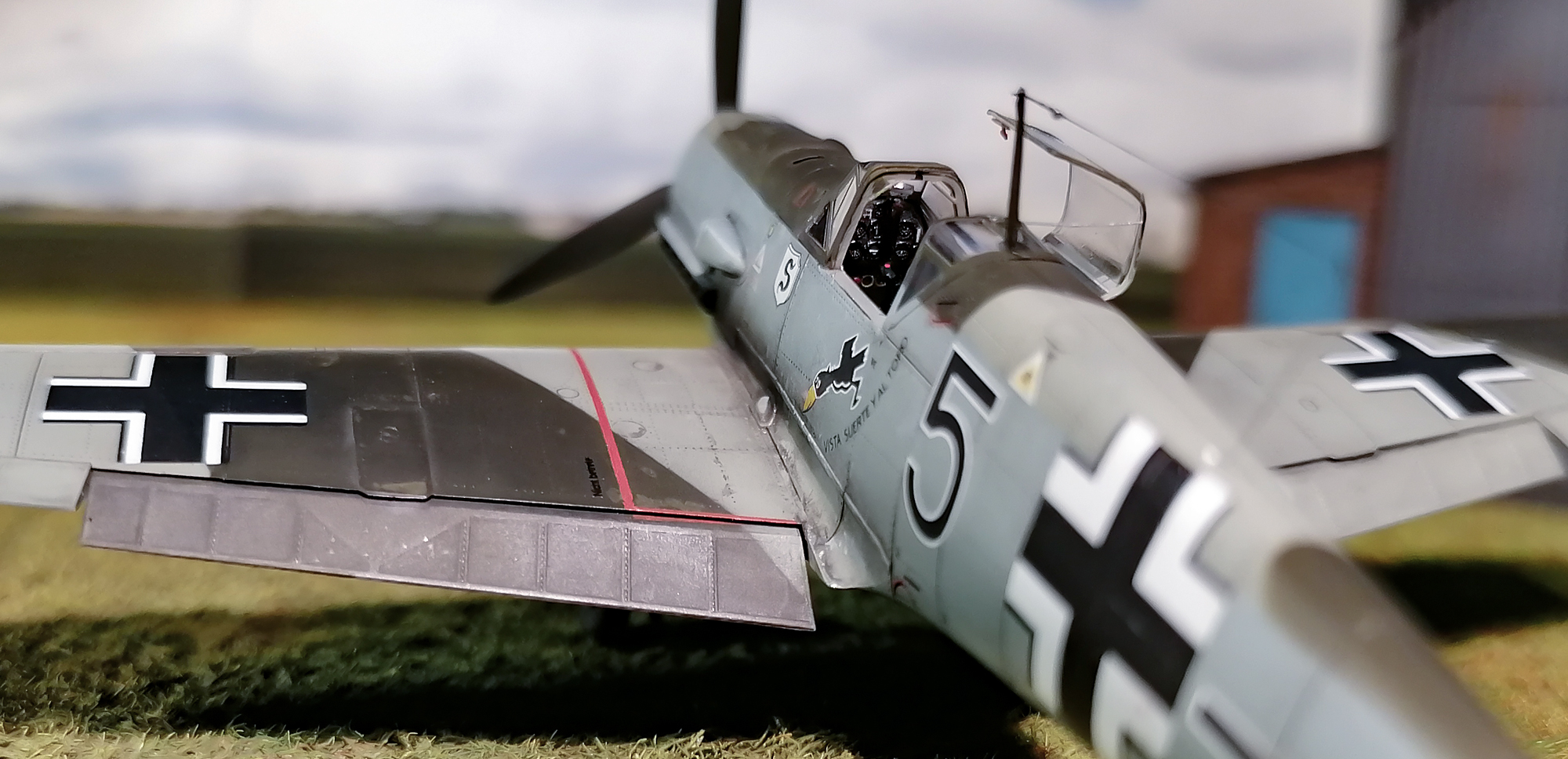
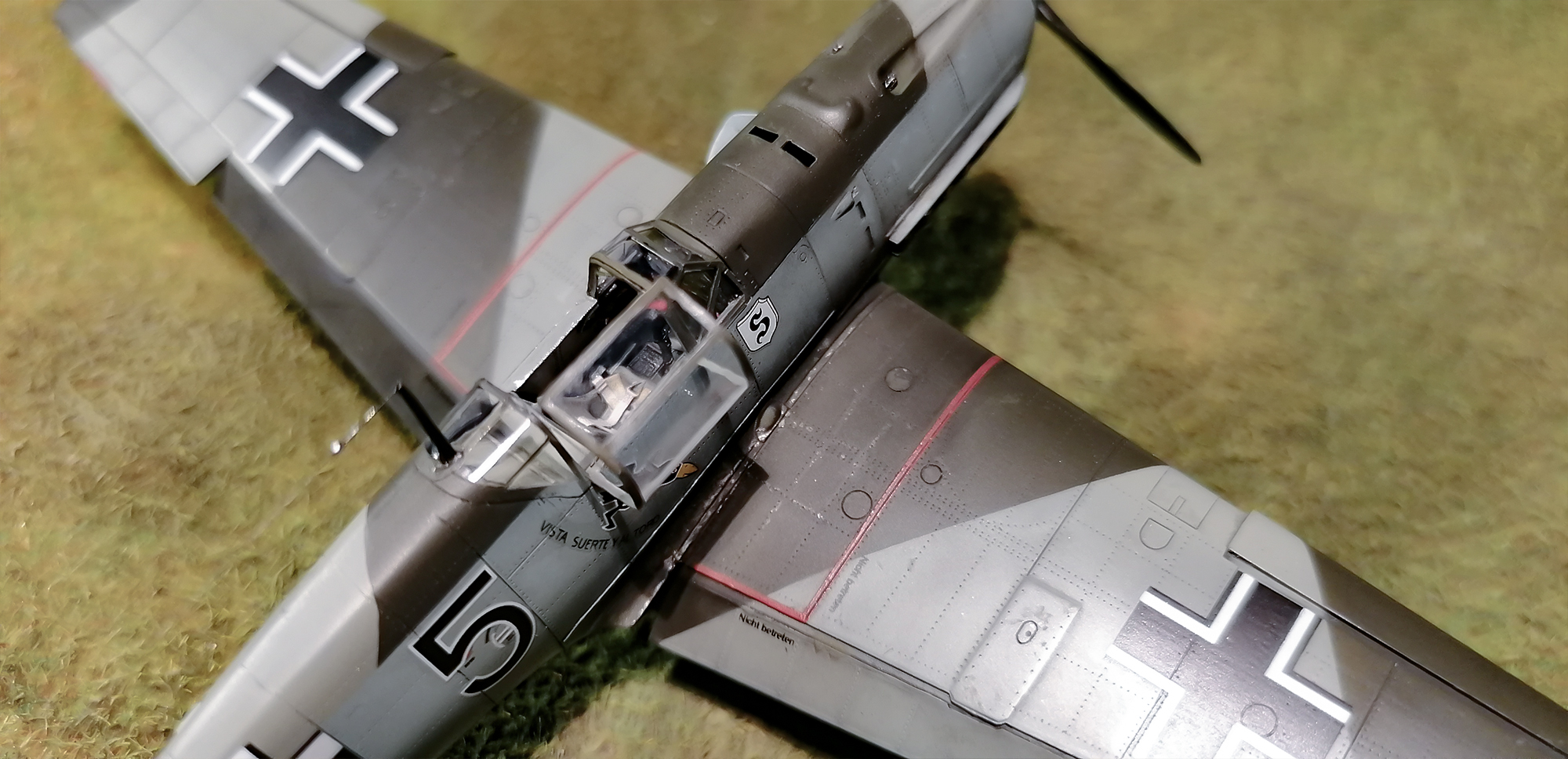
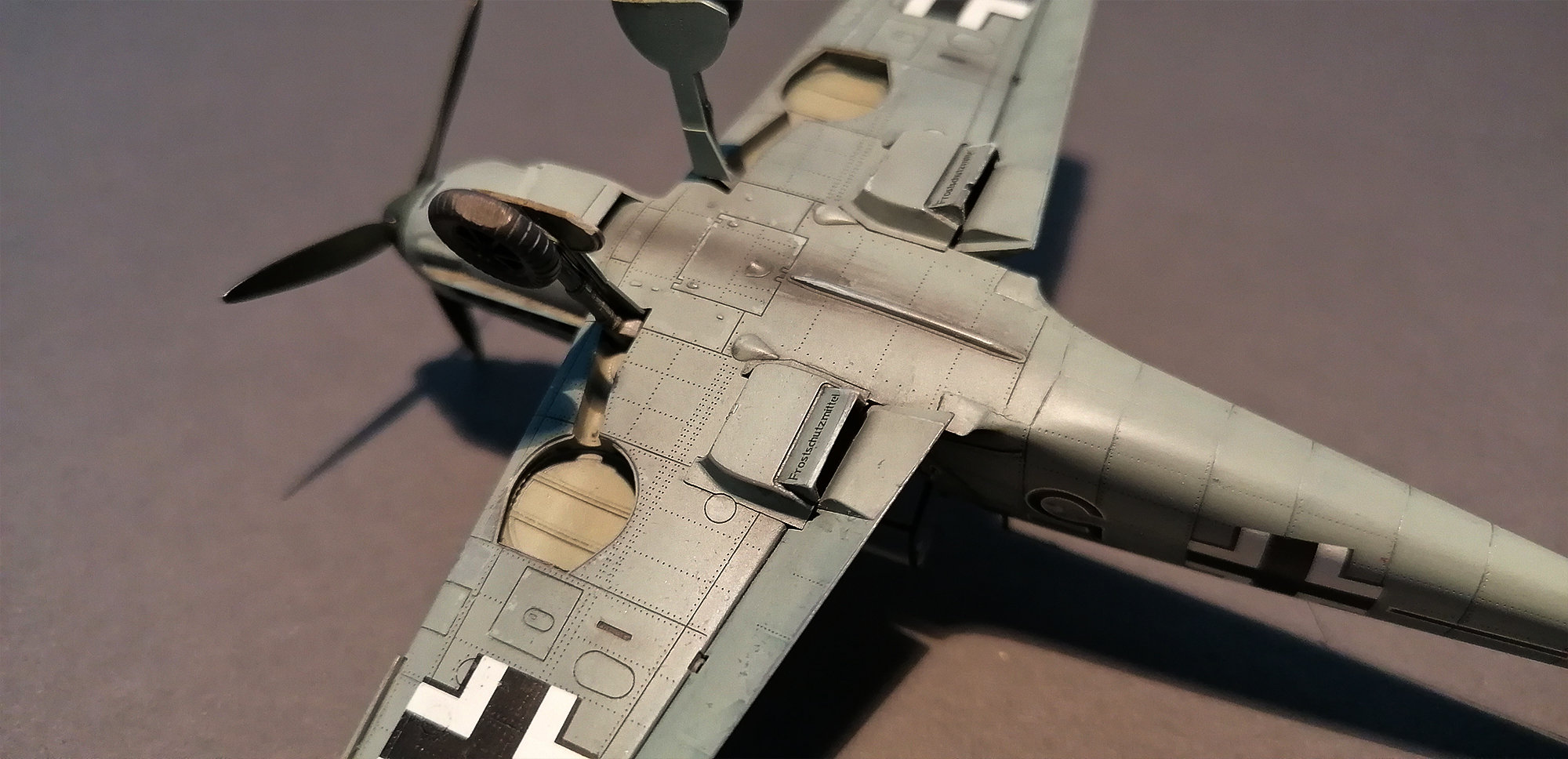
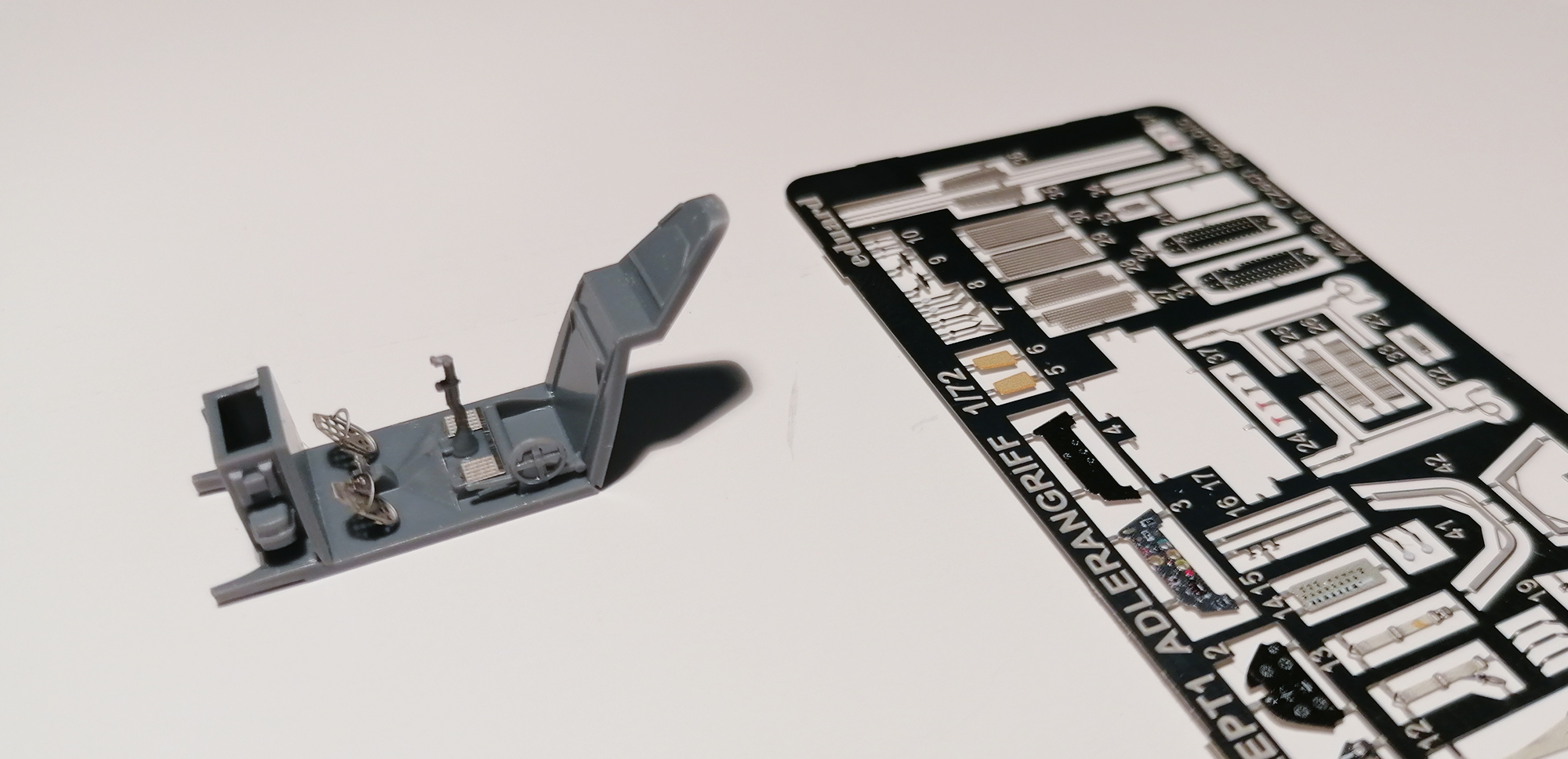
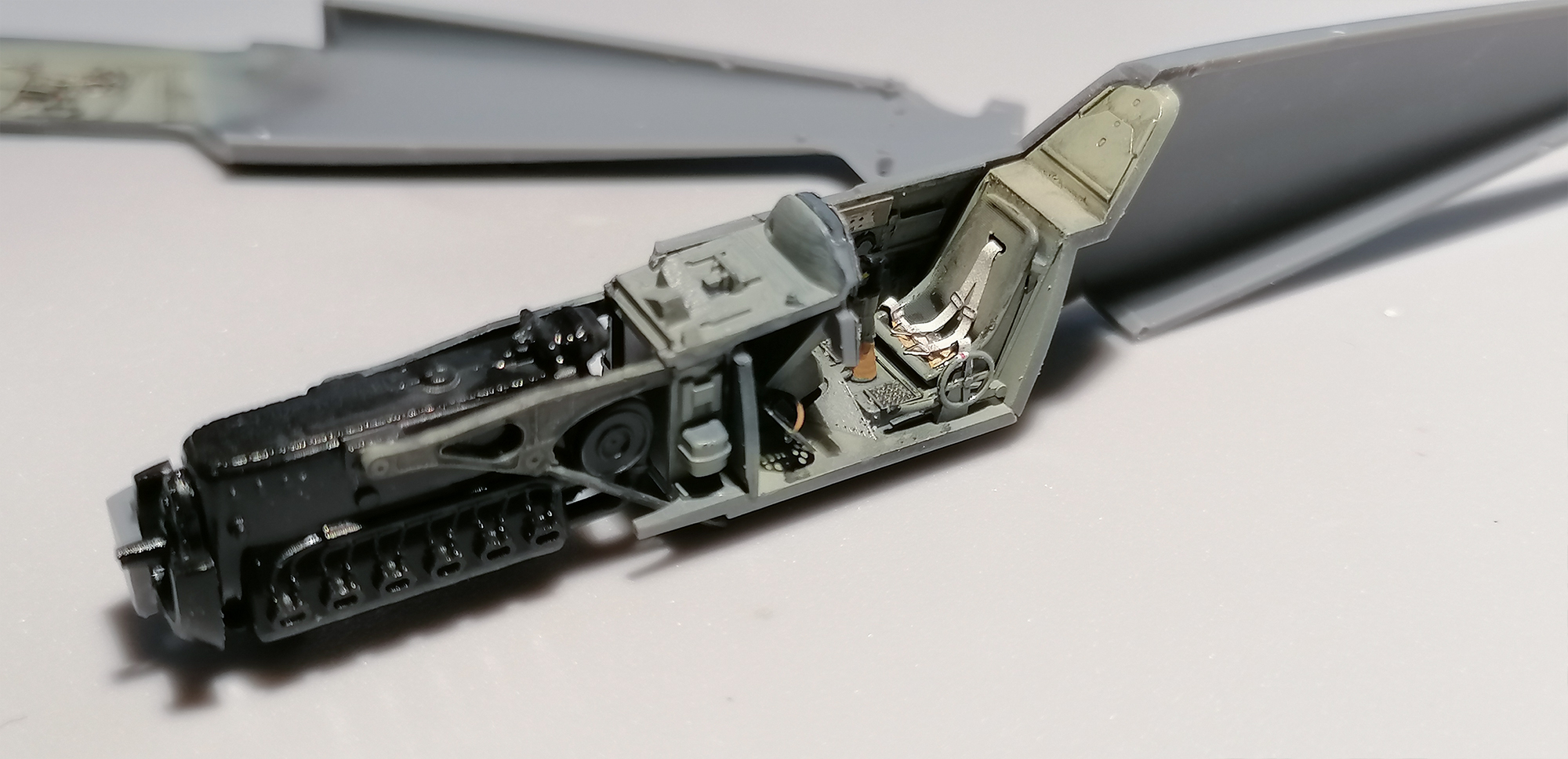
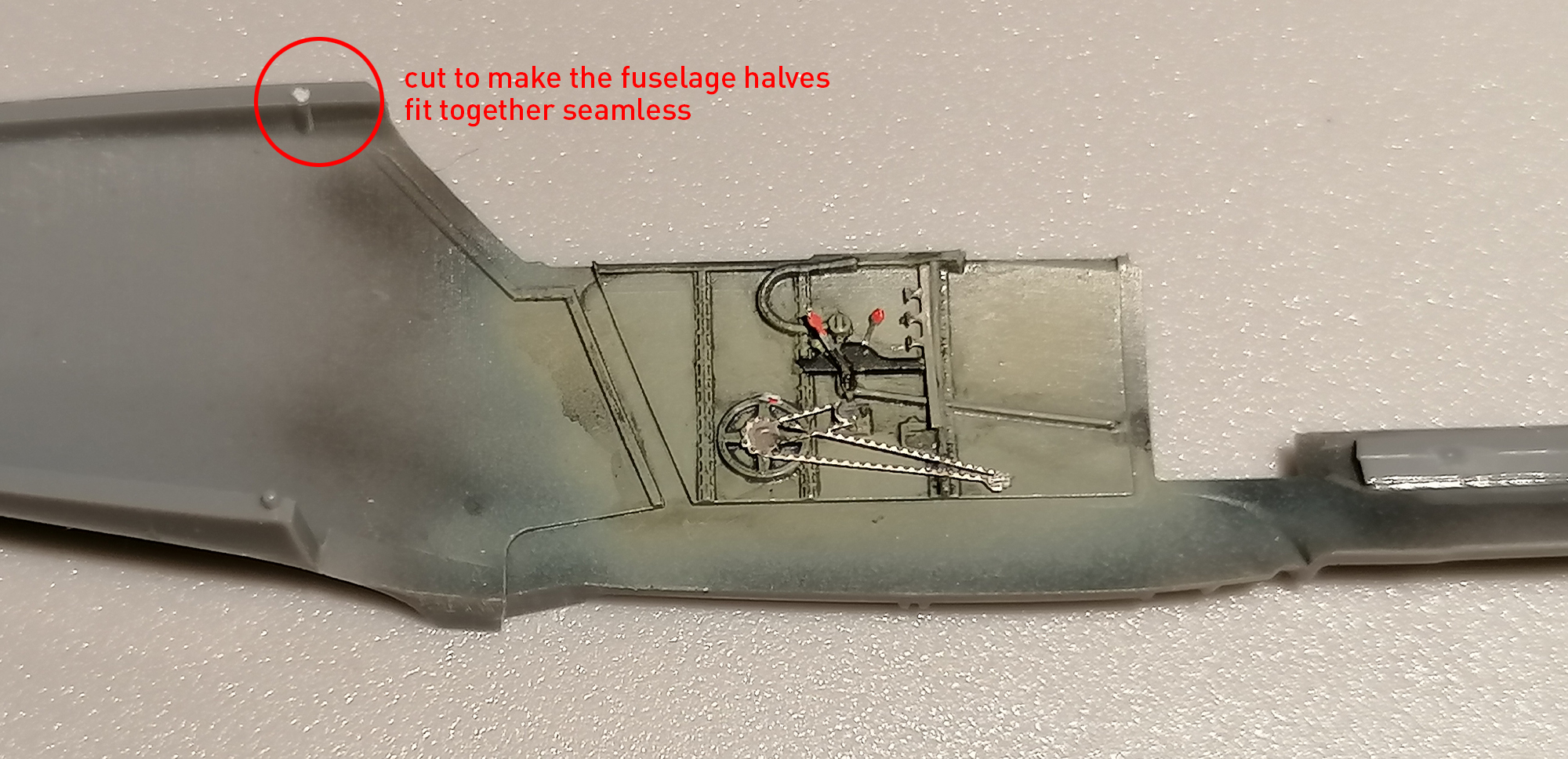
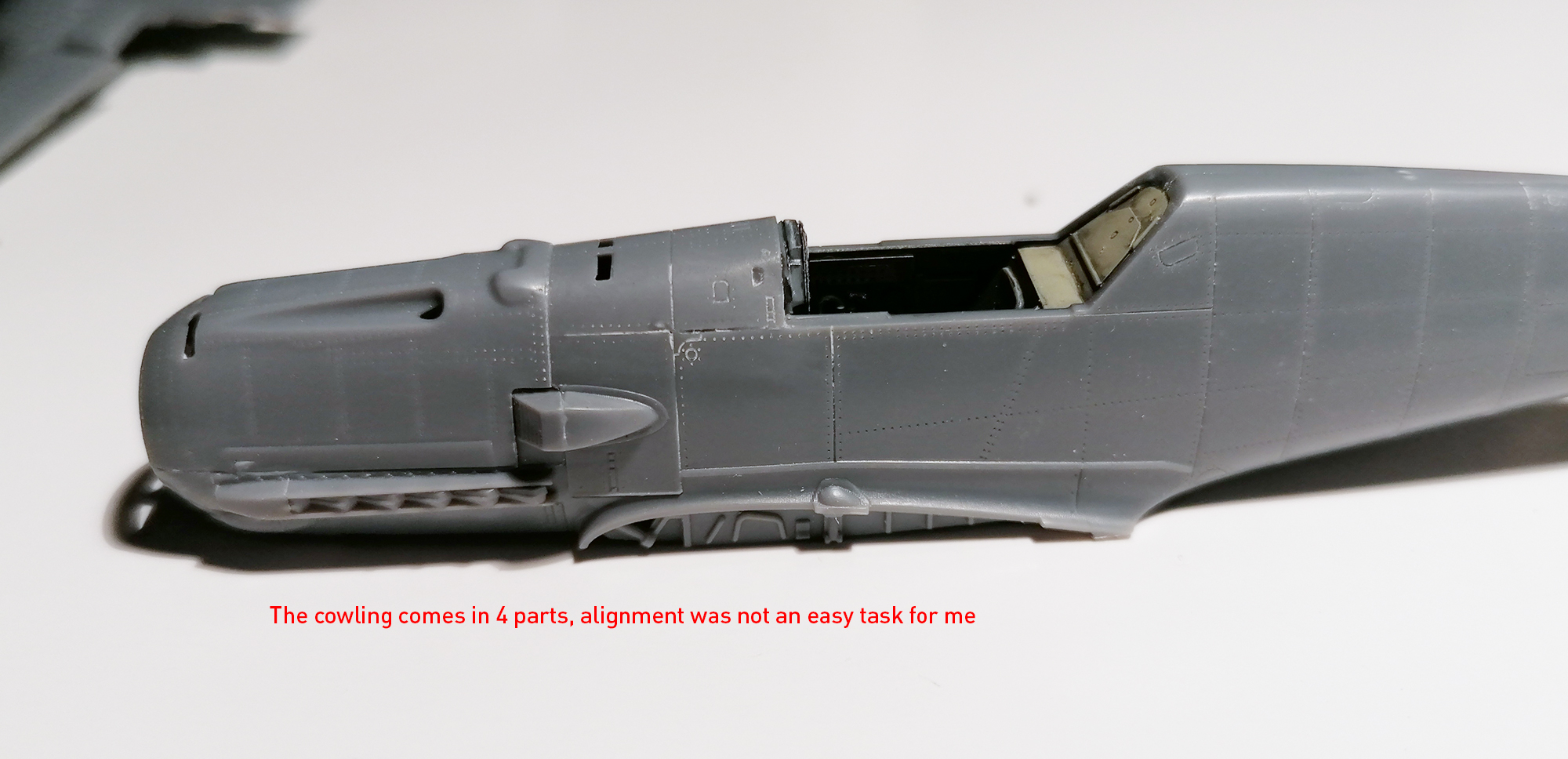
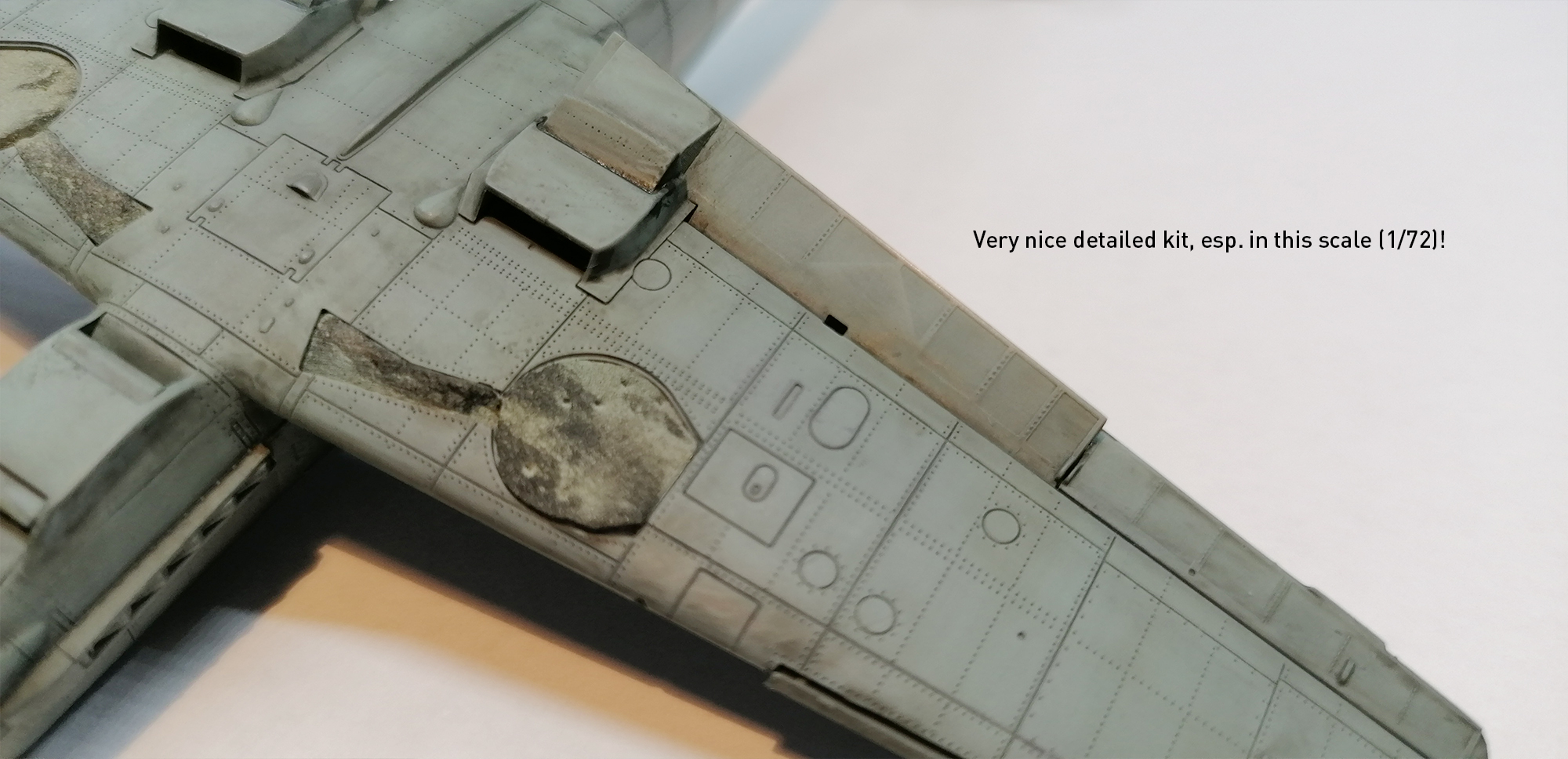
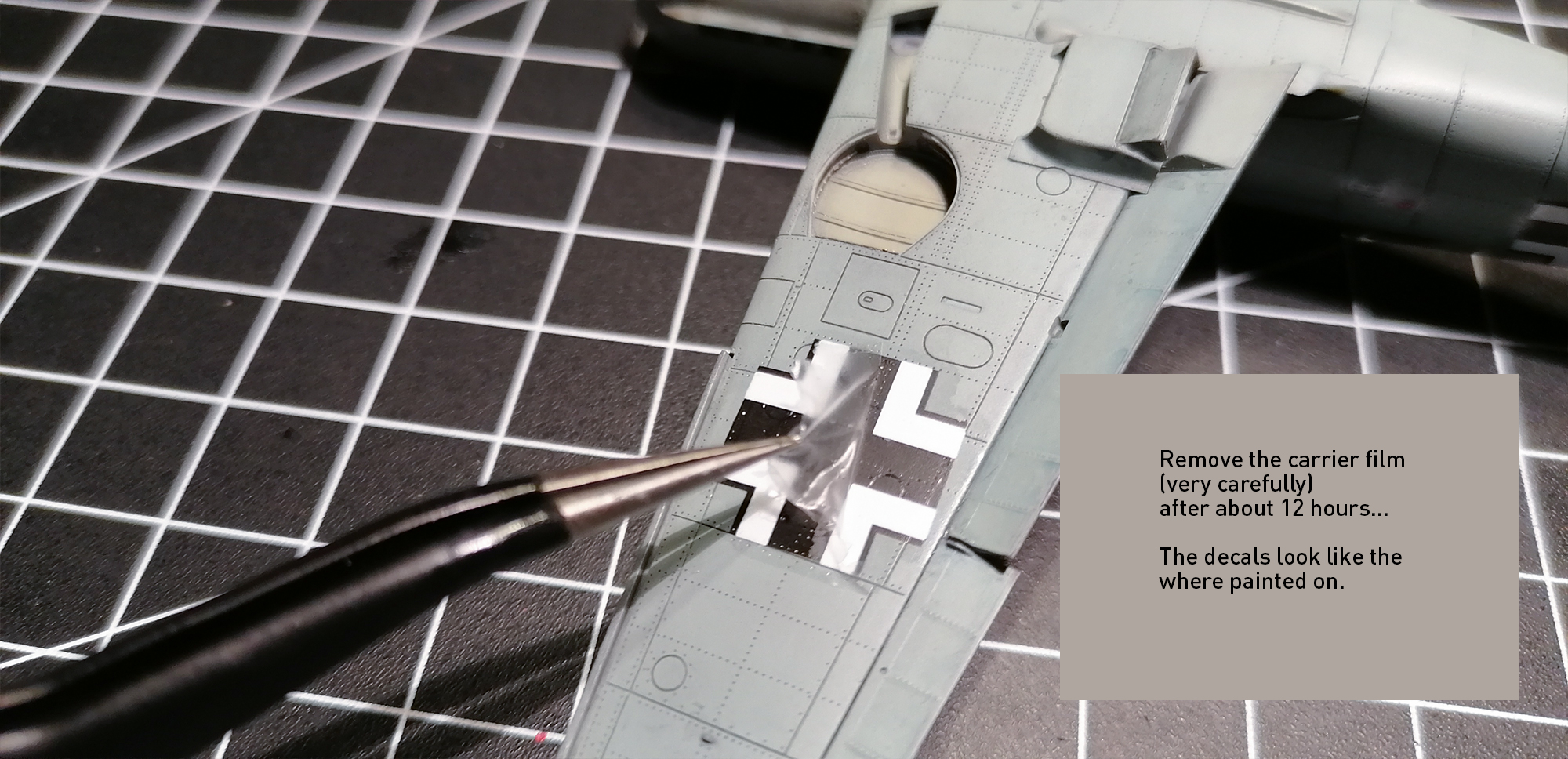
The Eduard / Special Hobby "Adlerangriff" dual combo kit is widely regarded as the finest injection-moulded Bf 109 E available in 1/72 scale — a claim that holds up under close examination. Eduard's engineering produces razor-sharp recessed panel lines, a delicately rendered cockpit with separately moulded instrument panel and side consoles, and a subtly corrugated aft fuselage skin texture that matches period photographs. The "Adlerangriff" boxing includes photo-etched frets for cockpit detail, seatbelts, and wheel well interiors; resin wheels with bulged-tyre profile; a resin pilot figure; canopy masks; and Eduard's innovative decal technology that applies markings at scale thickness without carrier film silvering. The construction sequence is demanding by 1/72 standards: the wing-to-fuselage join requires care, and the small parts count around the undercarriage and radiator bath reward patience and thin-set adhesive. This is emphatically a kit for experienced modellers, but it rewards every hour invested with a result that stands up to macro photography in a way that few 1/72 subjects can match.
Colours & Markings
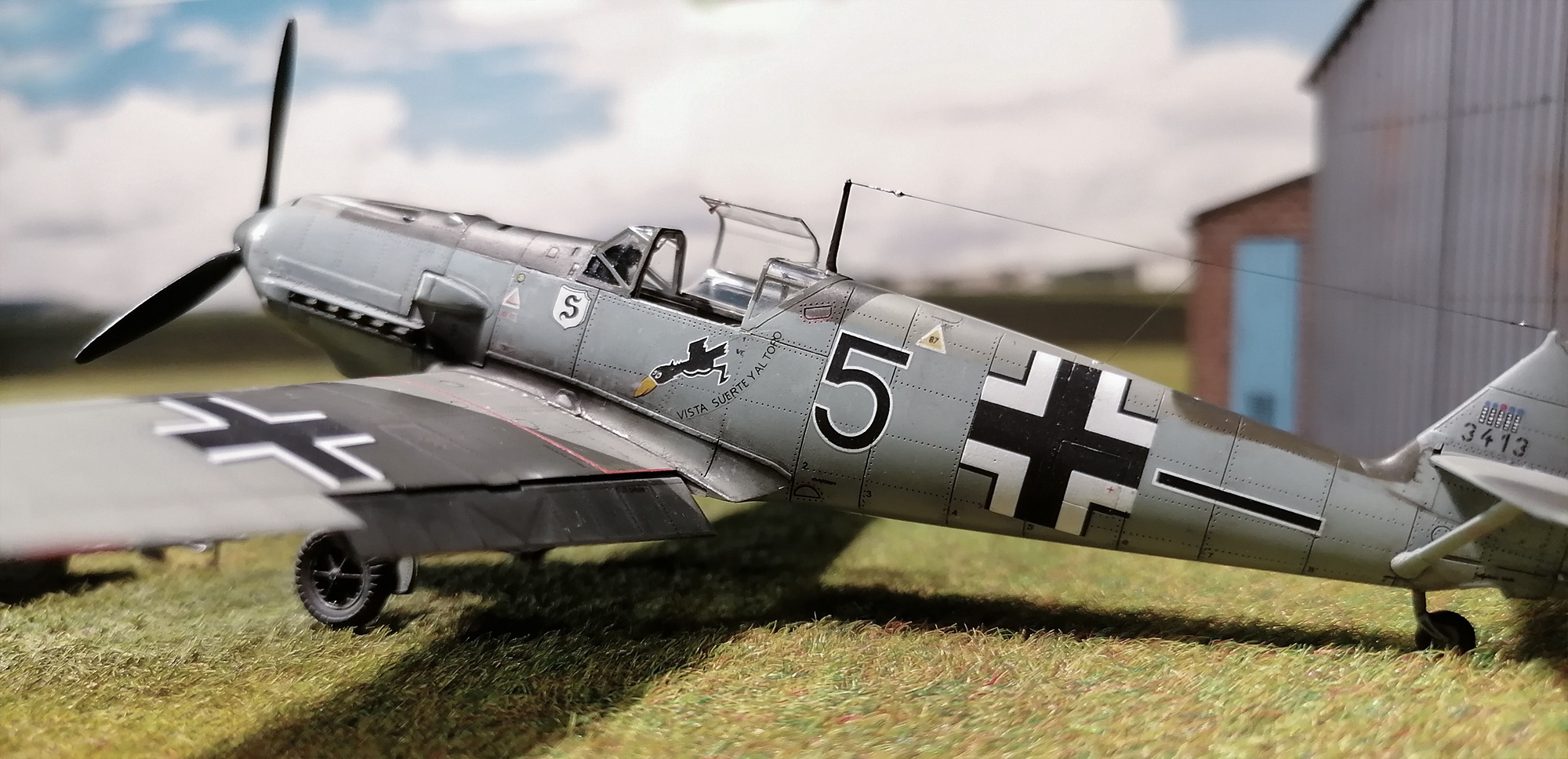
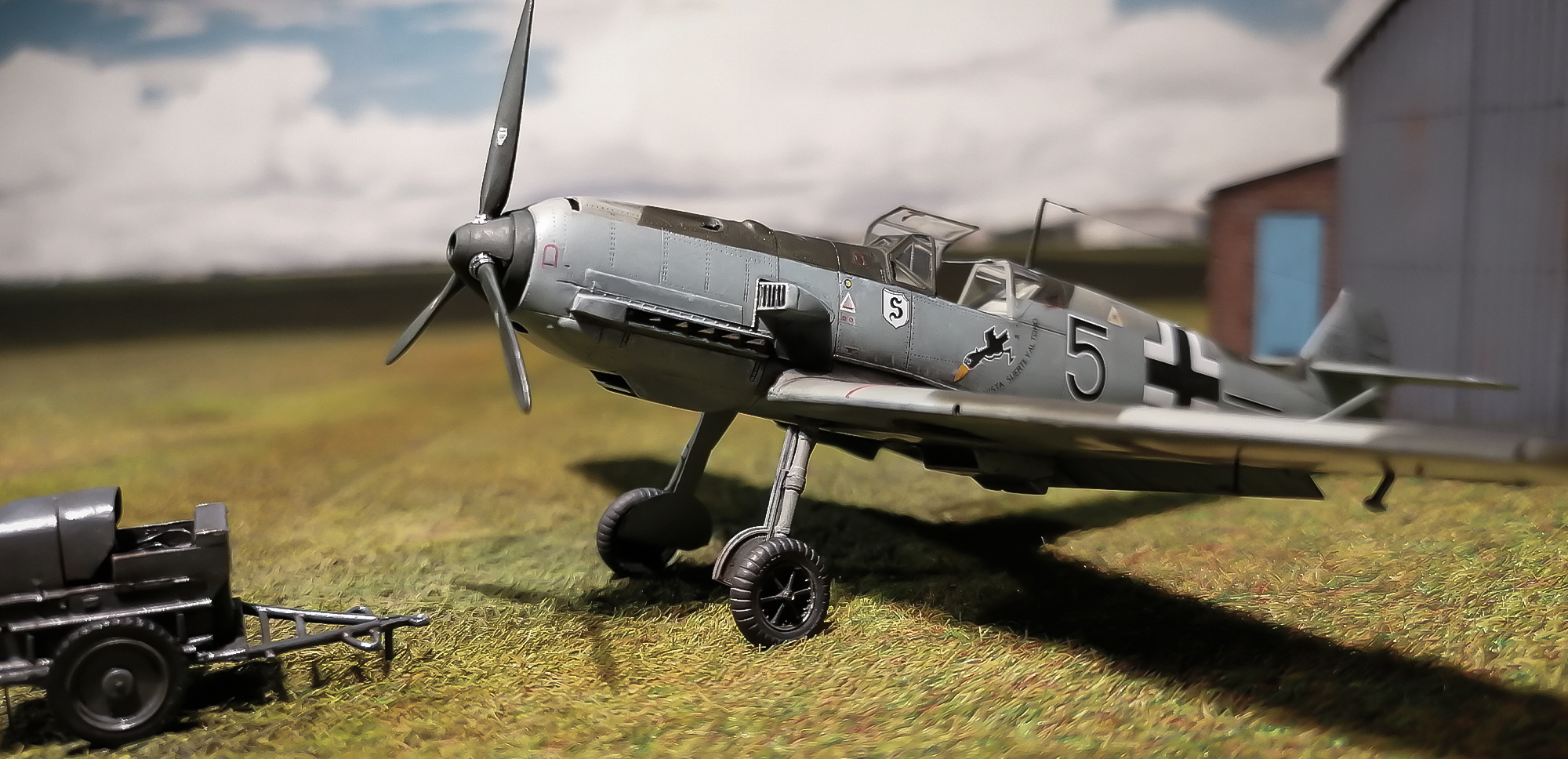
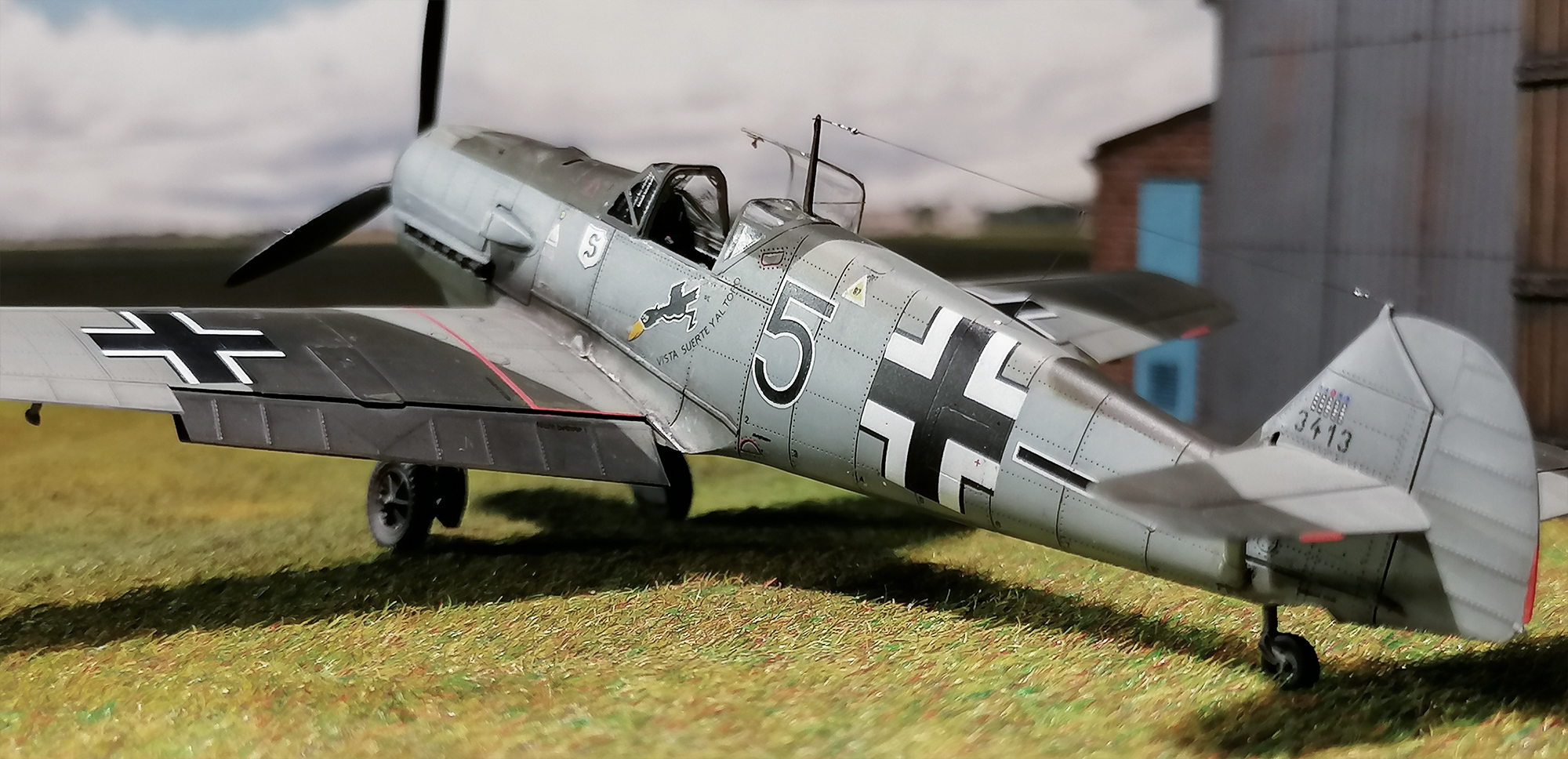
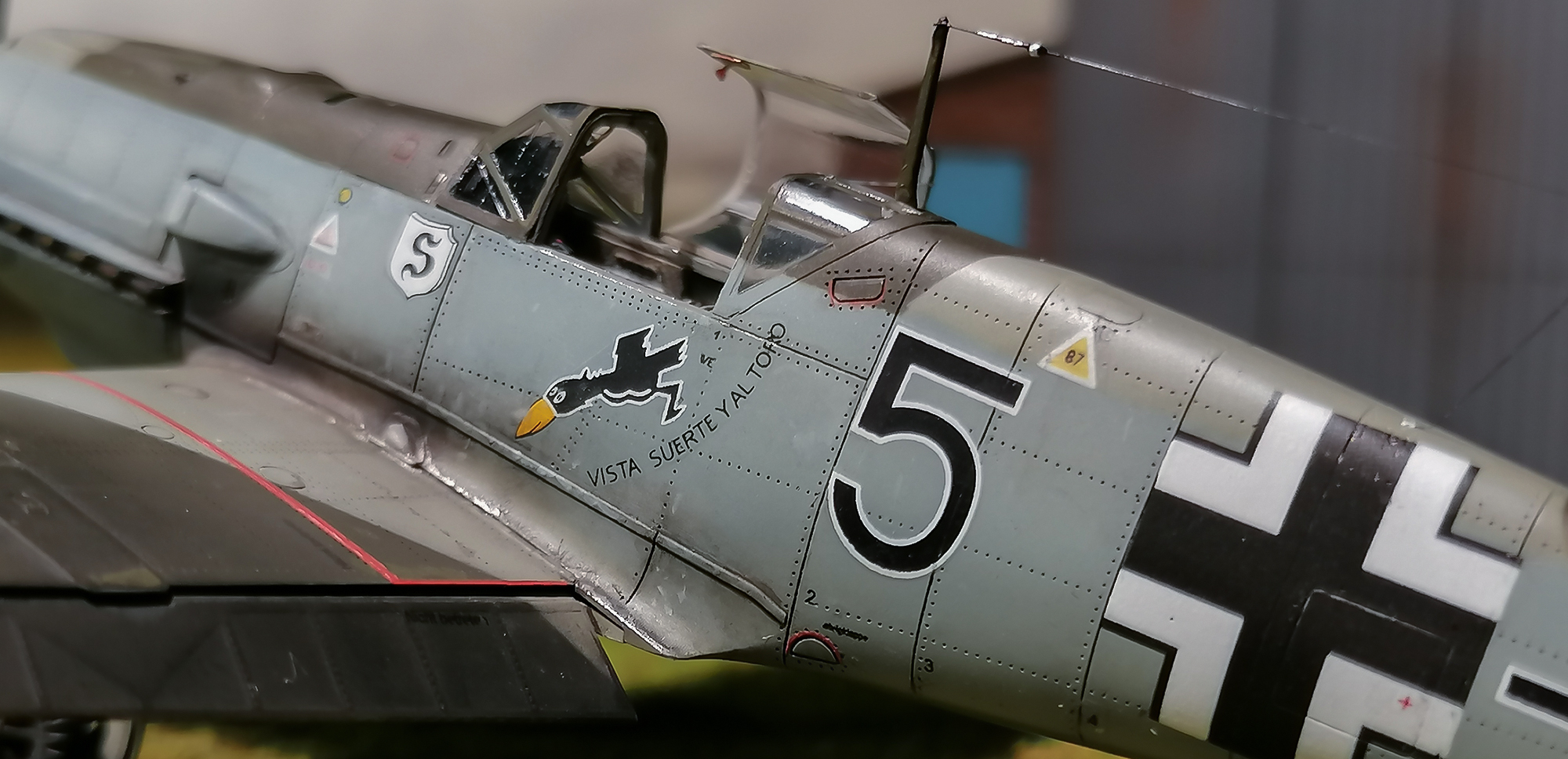
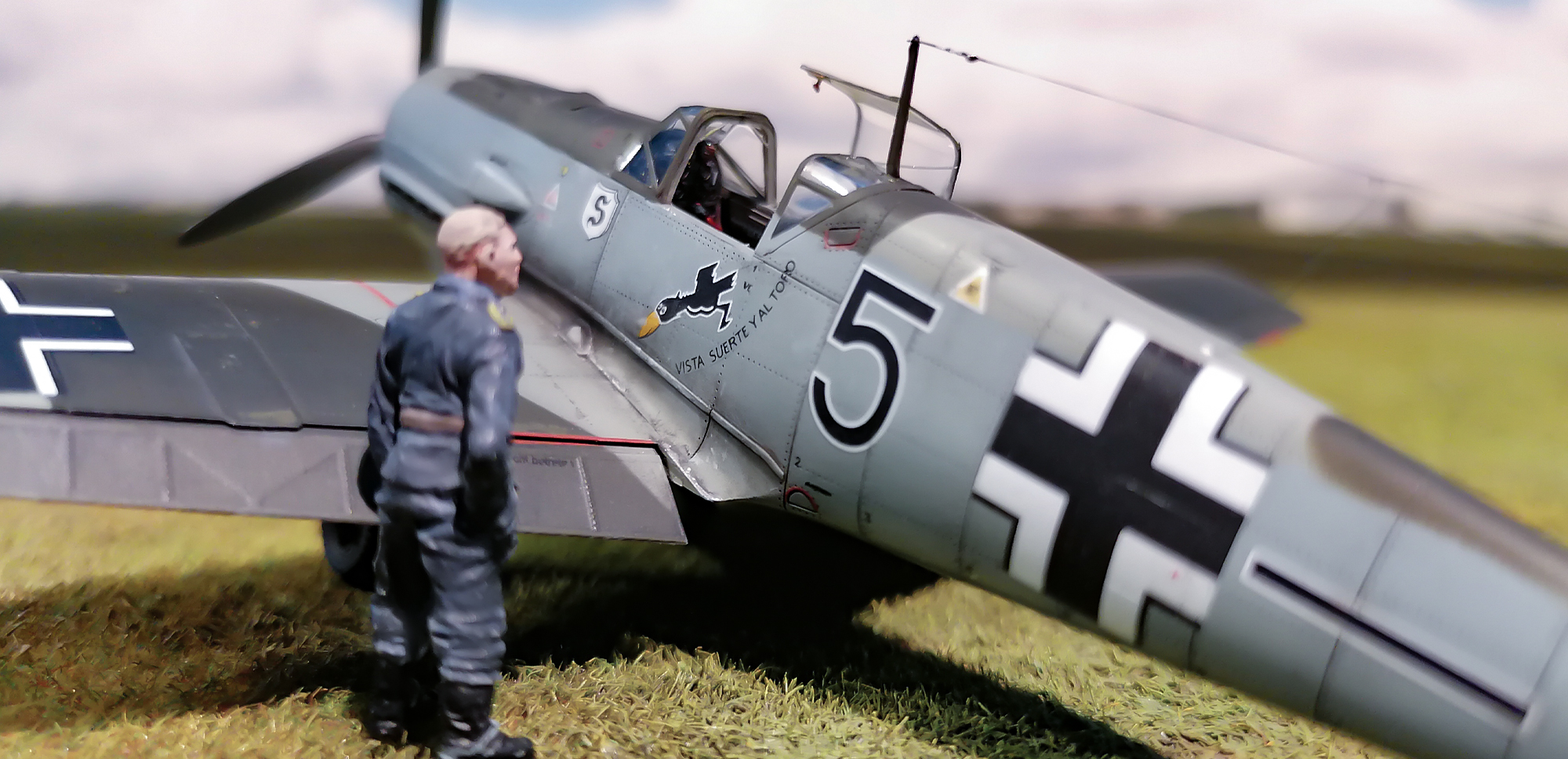
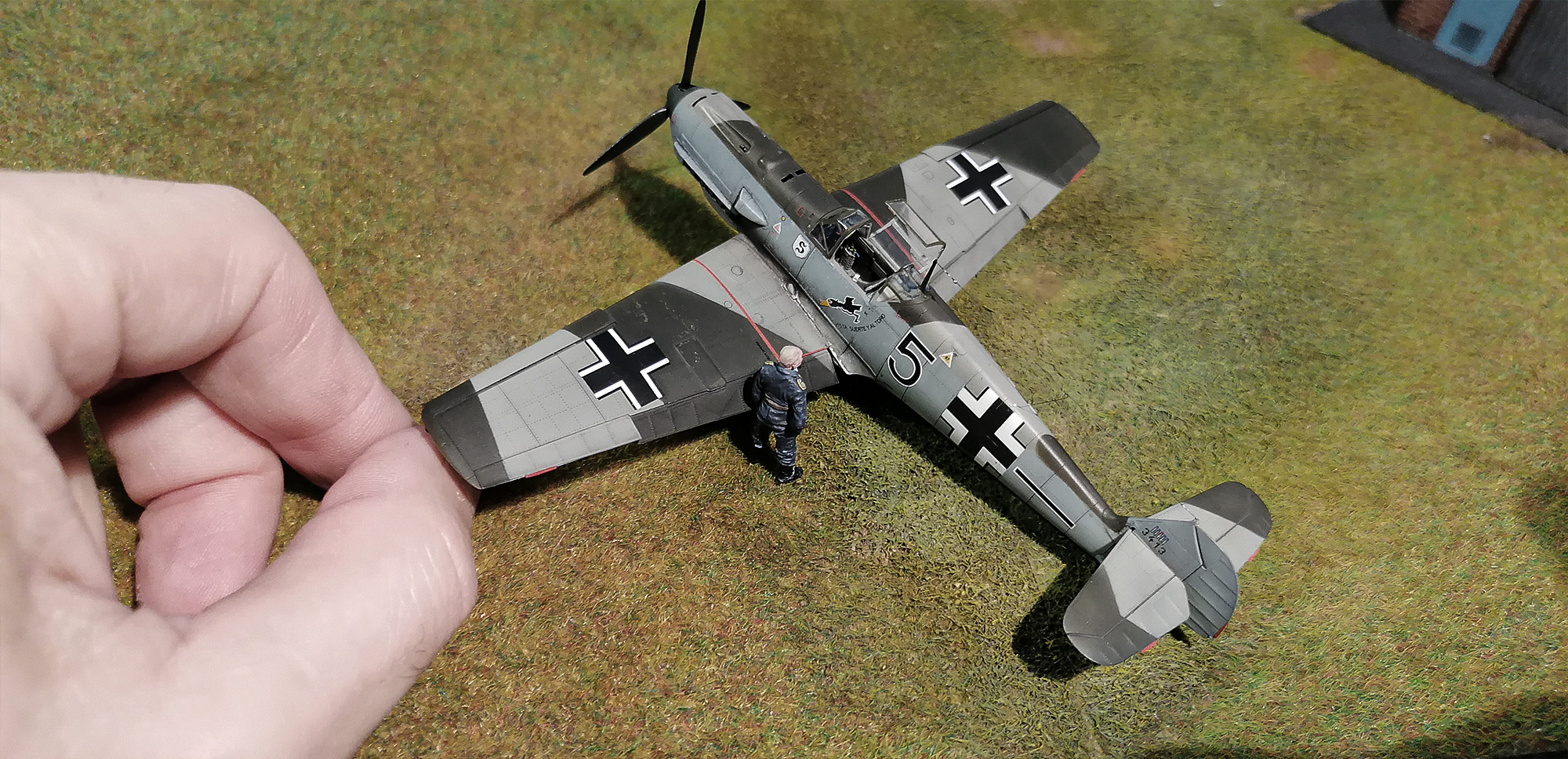
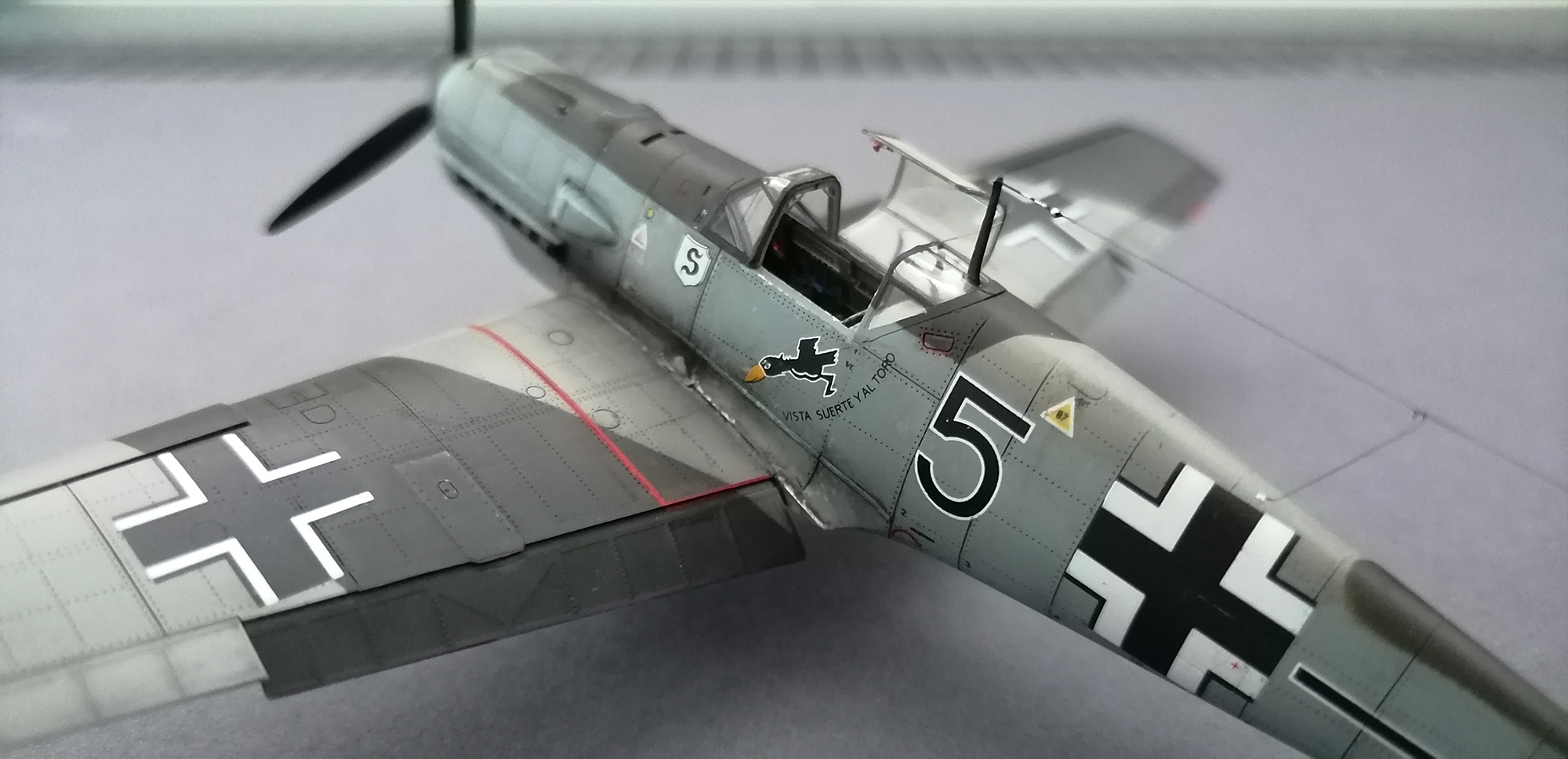
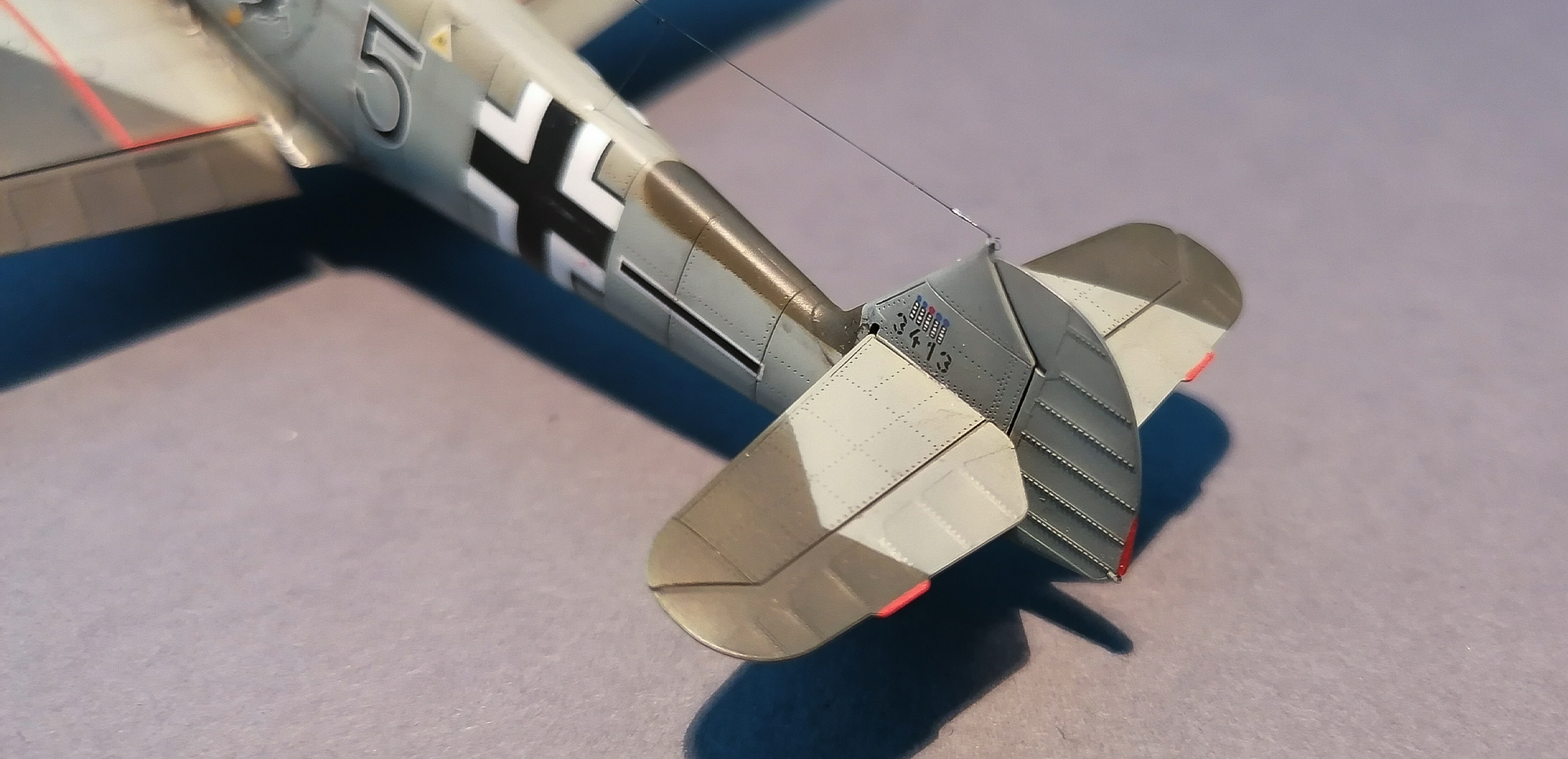
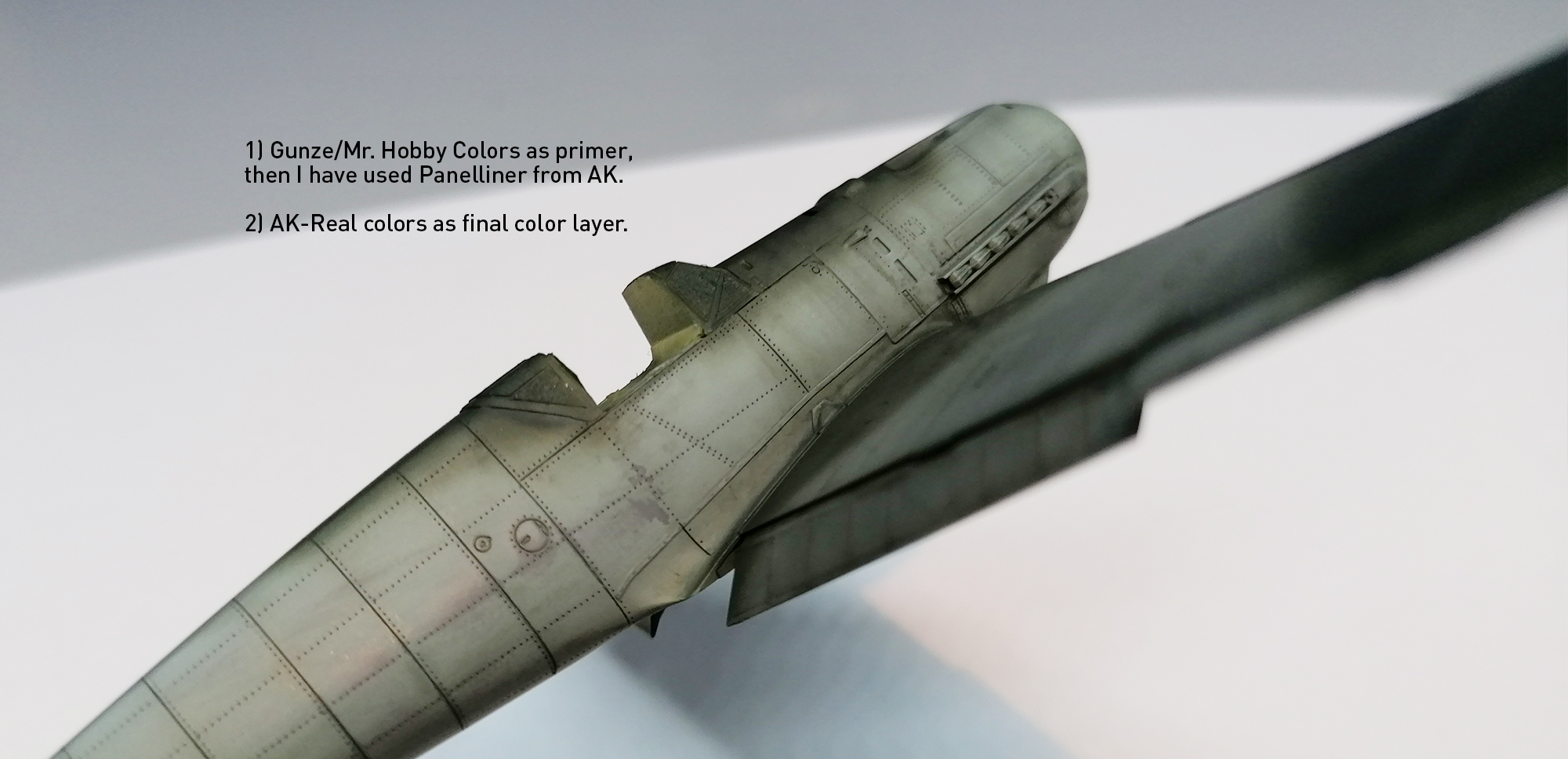
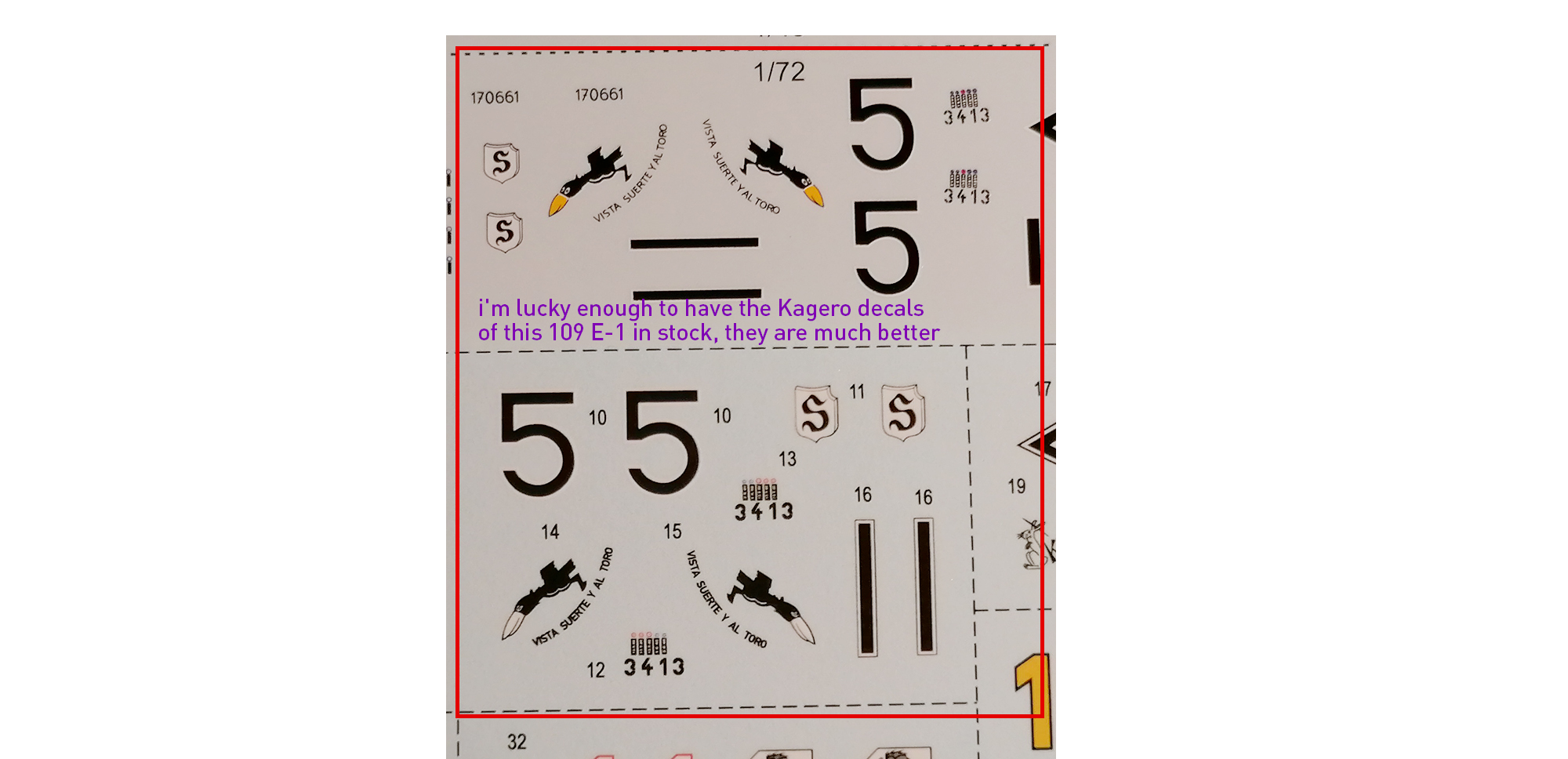
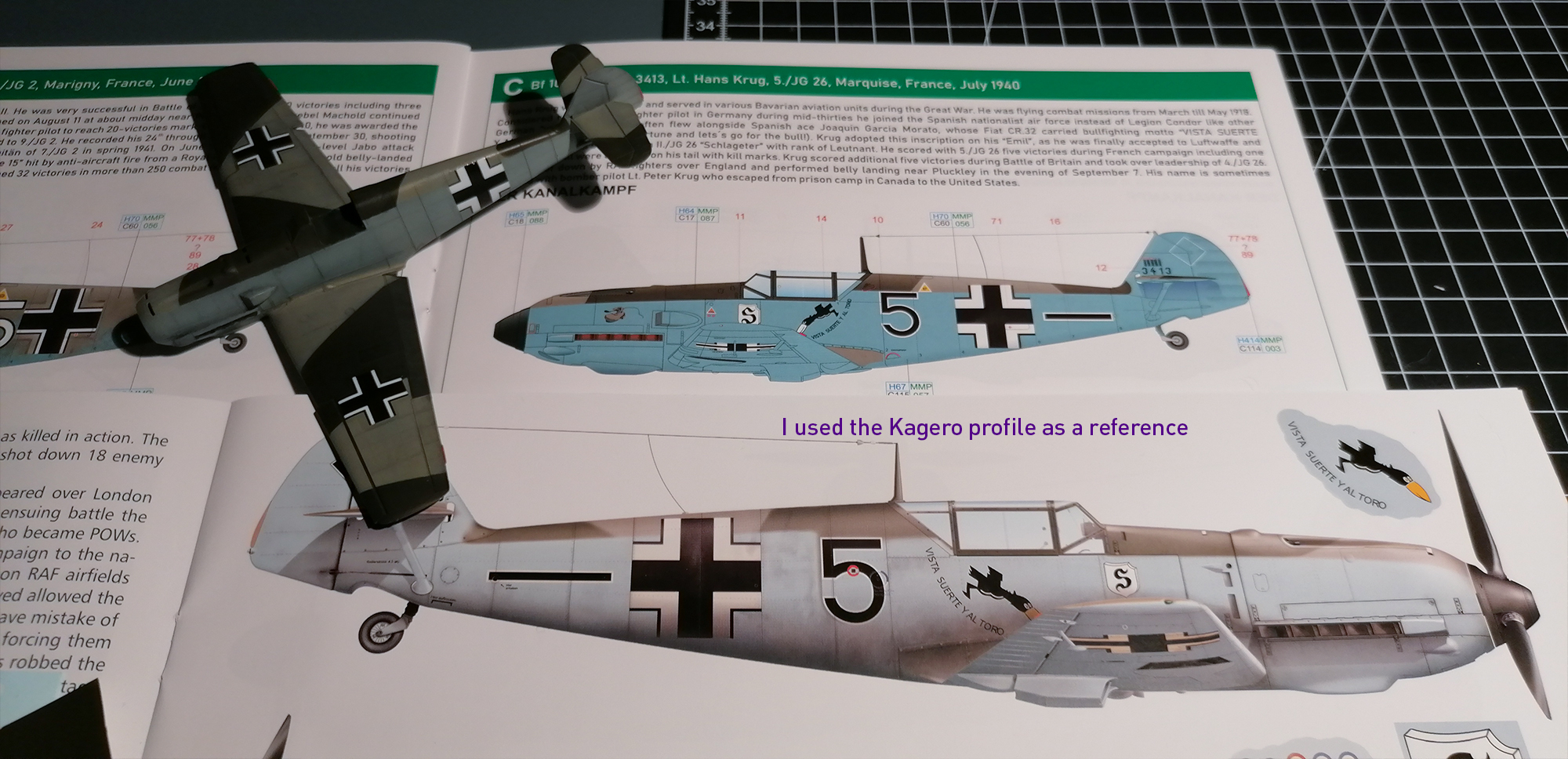
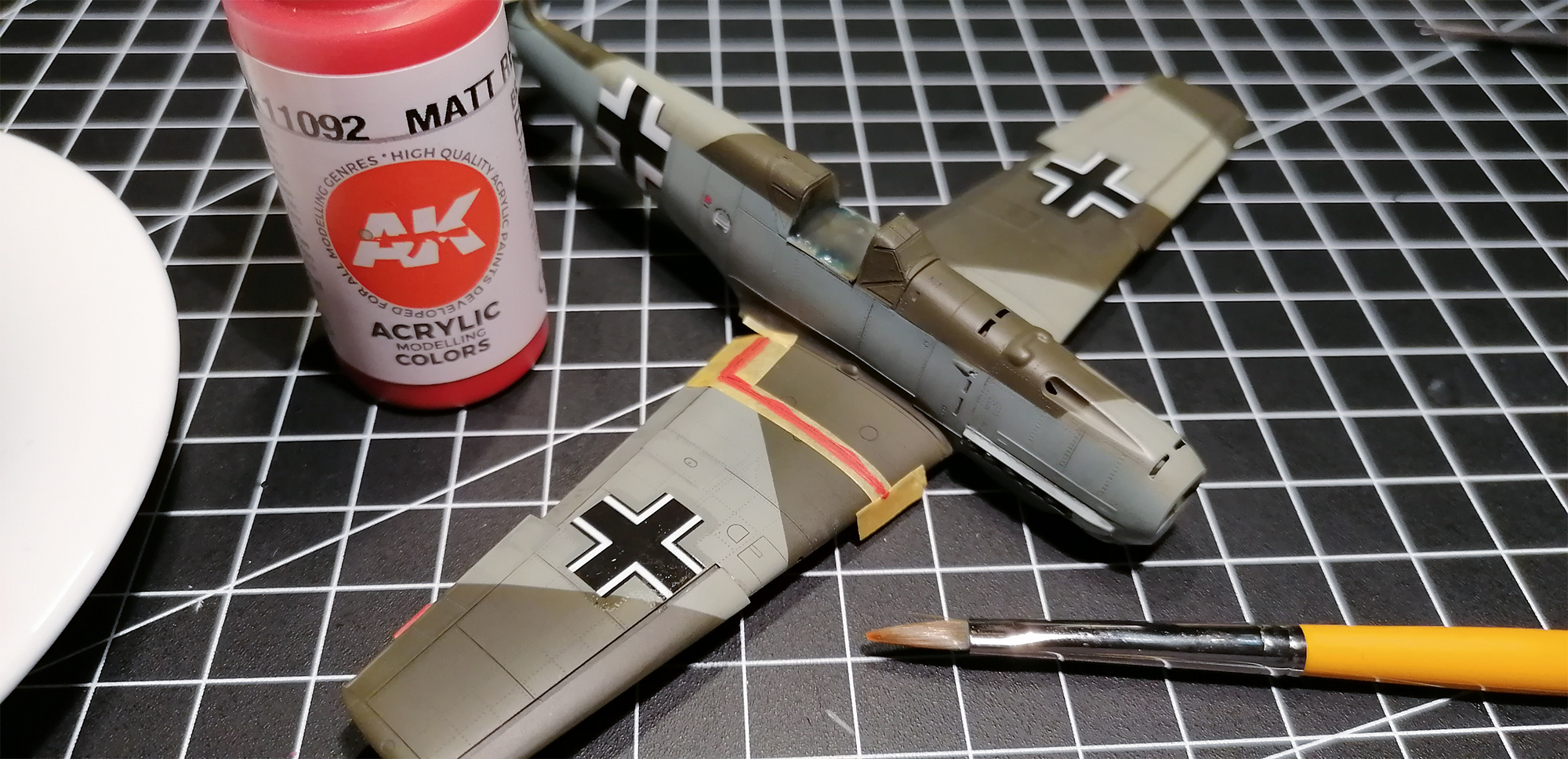
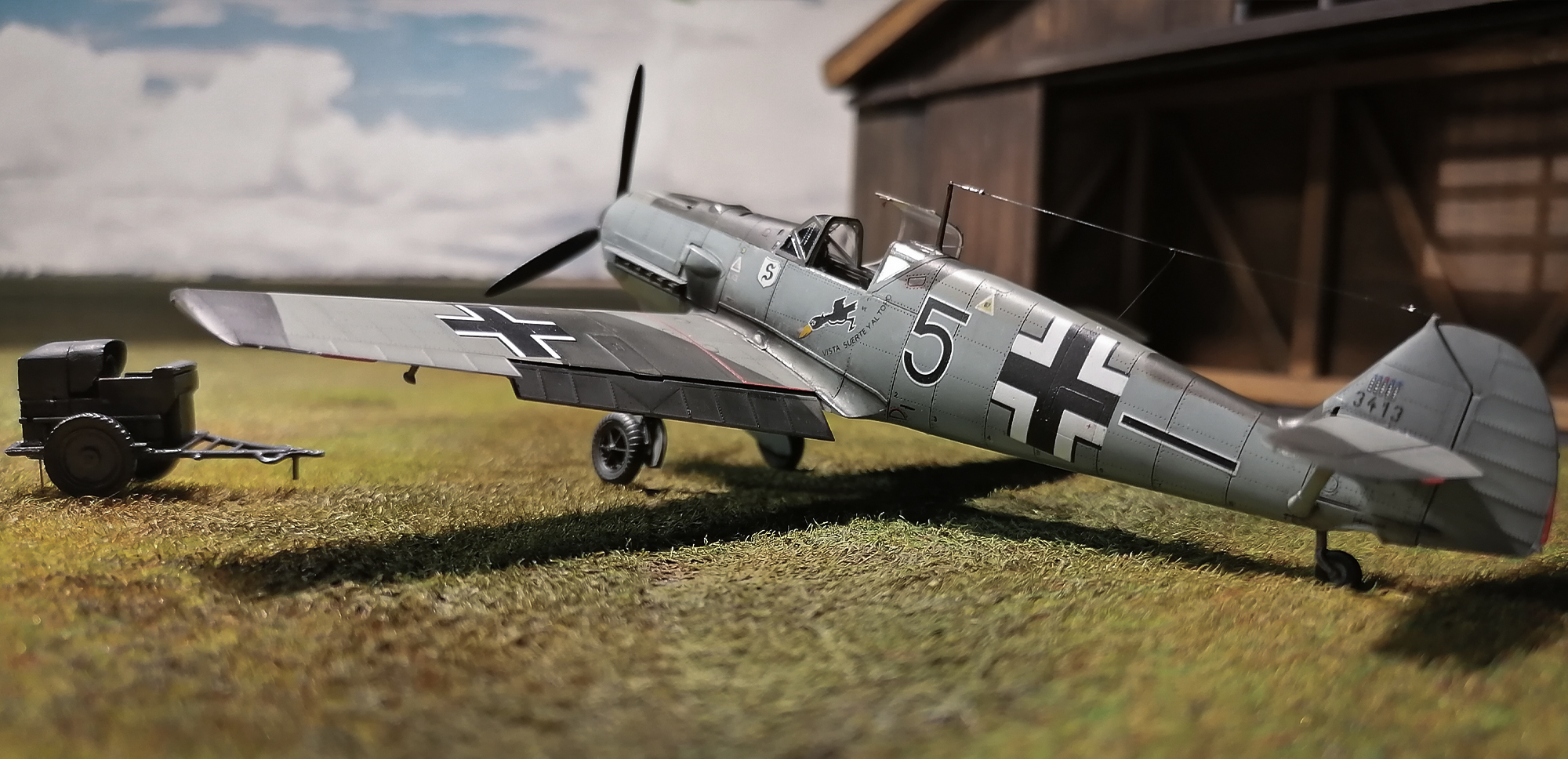
The aircraft depicted is "White 5" of Hans Krug, 2./JG 25, based at Chièvres airfield, France, in early June 1940. The standard RLM 70 Schwarzgrün / RLM 71 Dunkelgrün splinter camouflage across the upper surfaces was applied using AK Real Colors — specifically RC239 RLM 70 and RC240 RLM 71 — through a 0.3 mm airbrush with the boundary between the two colours left intentionally soft, consistent with the spray-through-template technique common in German factories of the period. RLM 65 Hellblau on all undersurfaces was lightened slightly before application to account for scale effect, and RLM 02 Grau provided the interior colour for the cockpit tub and wheel wells. The AK 3Gen Special Set "Early Luftwaffe Colors" served as a companion reference set throughout. Priming was done with Gunze / Mr. Hobby surfacer before a targeted application of AK Panelliner in dark brown to articulate every recessed line on the airframe. The most historically striking feature of this particular aircraft is the white fuselage inscription "VISTA SUERTE Y AL TORO" — a traditional bullfighter's phrase meaning "May you have luck, and at the bull" — applied as a personal dedication from Hans Krug, a Legion Condor veteran who brought the traditions of his Spanish service back to his new unit. The Staffel emblem, a crowing rooster, sits forward of the cockpit on the port side and was hand-painted over the base coat before a final coat of satin varnish sealed the completed model.
 01
01
 02
02
 03
03
 04
04
 05
05
 06
06
 07
07
 08
08
 09
09
 10
10
 11
11
 12
12
 13
13
 14
14
 15
15
 16
16
 17
17
 18
18
 19
19
 20
20
 21
21
 22
22
 23
23
 24
24
 25
25
 26
26
 27
27
 28
28