Photography
Rollout Gallery
 01
01
 02
02
 03
03
 04
04
 05
05
 06
06
 07
07
 08
08
 09
09
 10
10
 11
11
 12
12
 13
13
 14
14
 15
15
 16
16
 17
17
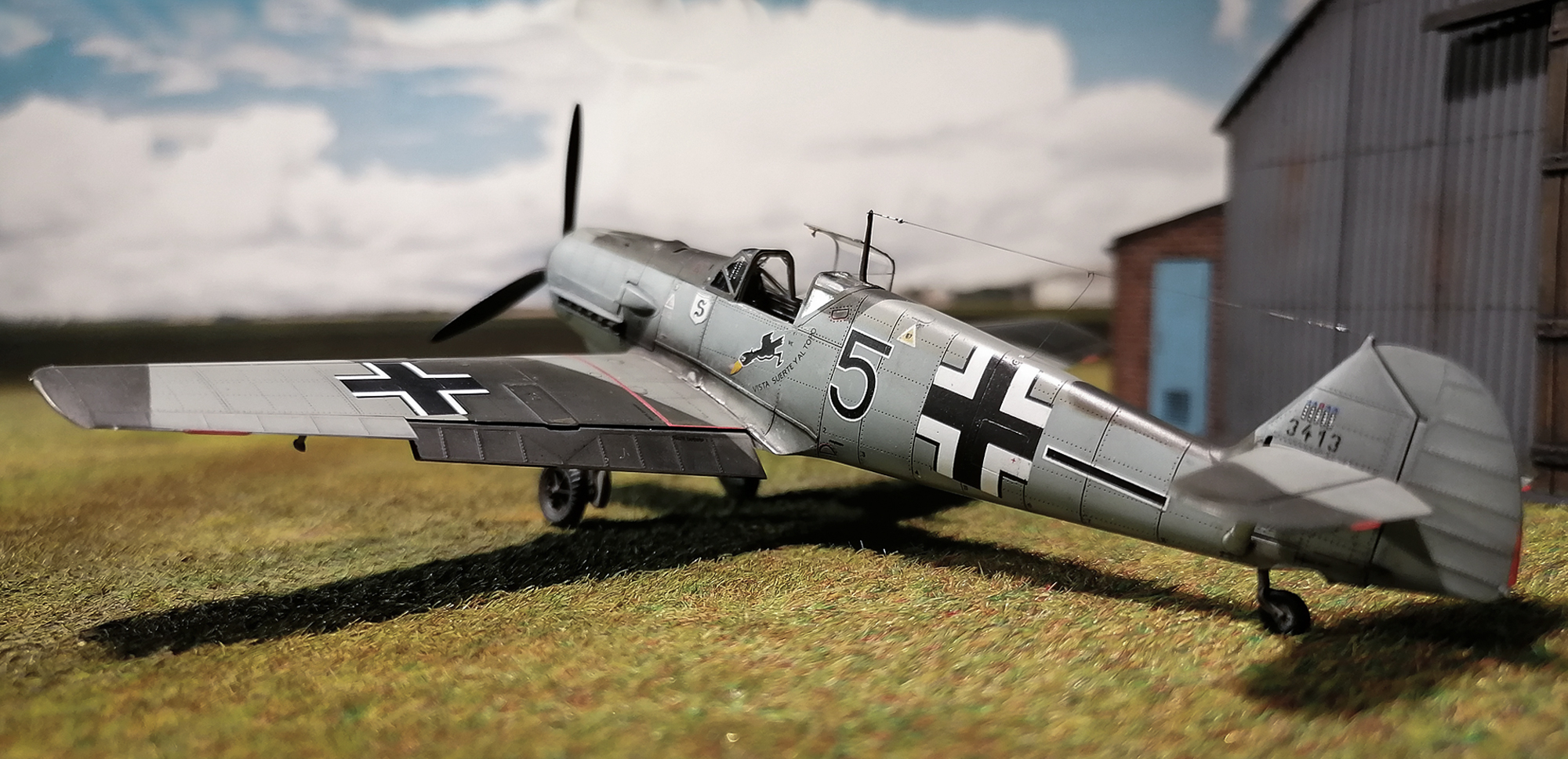
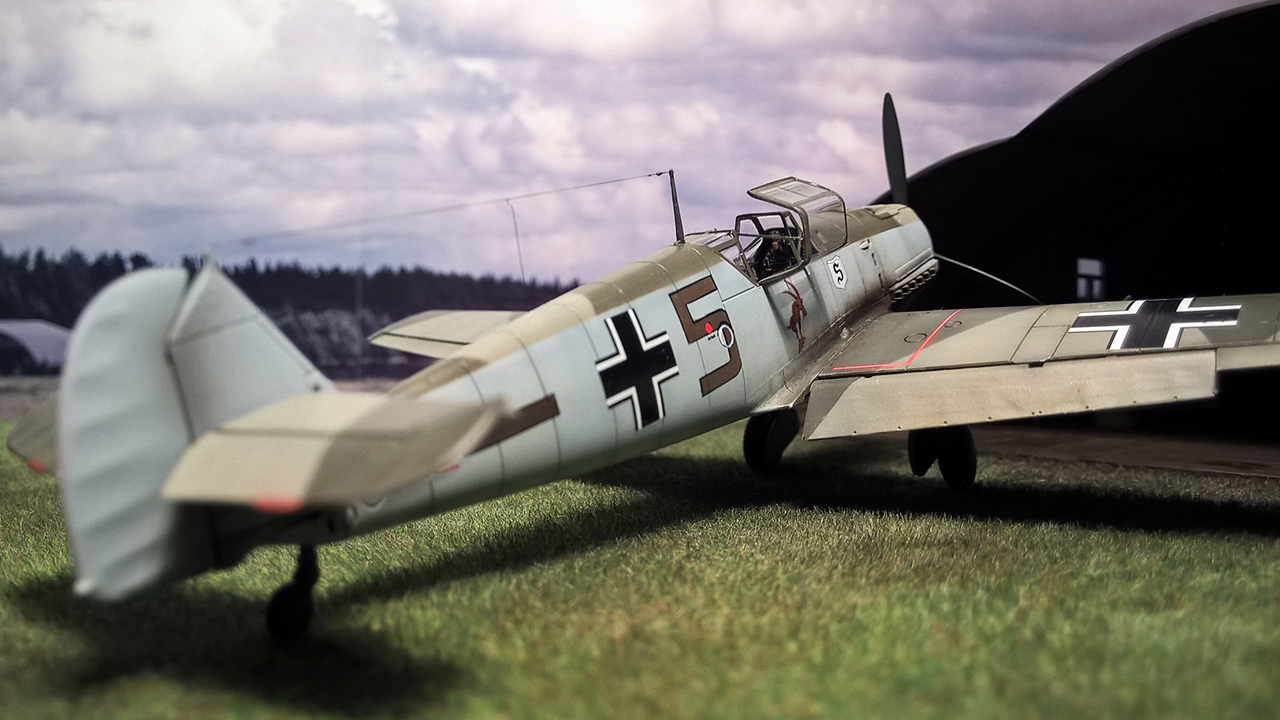
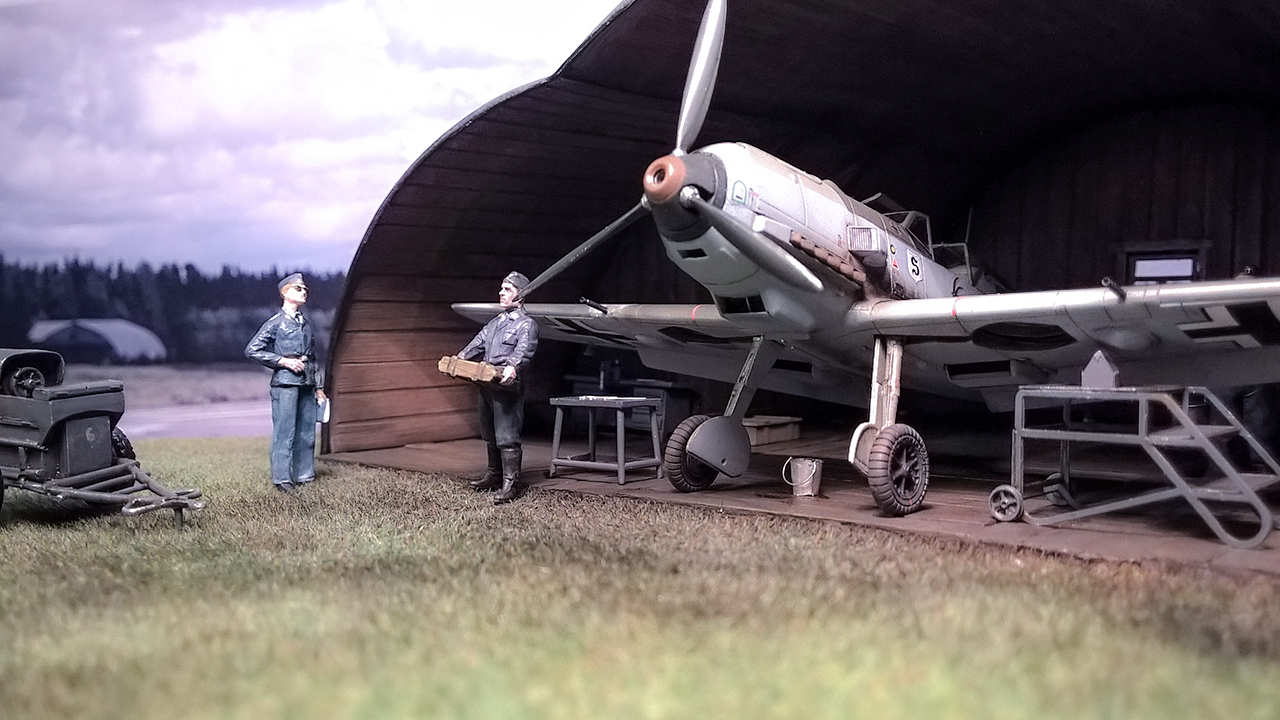
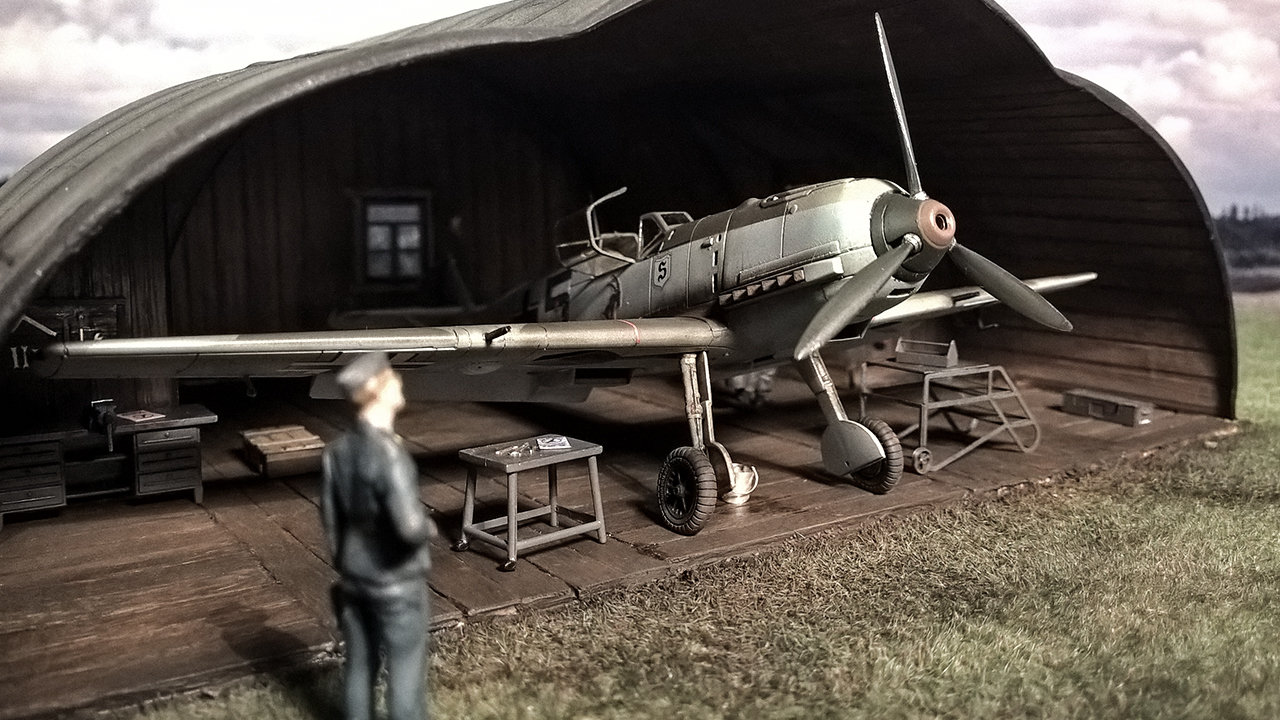
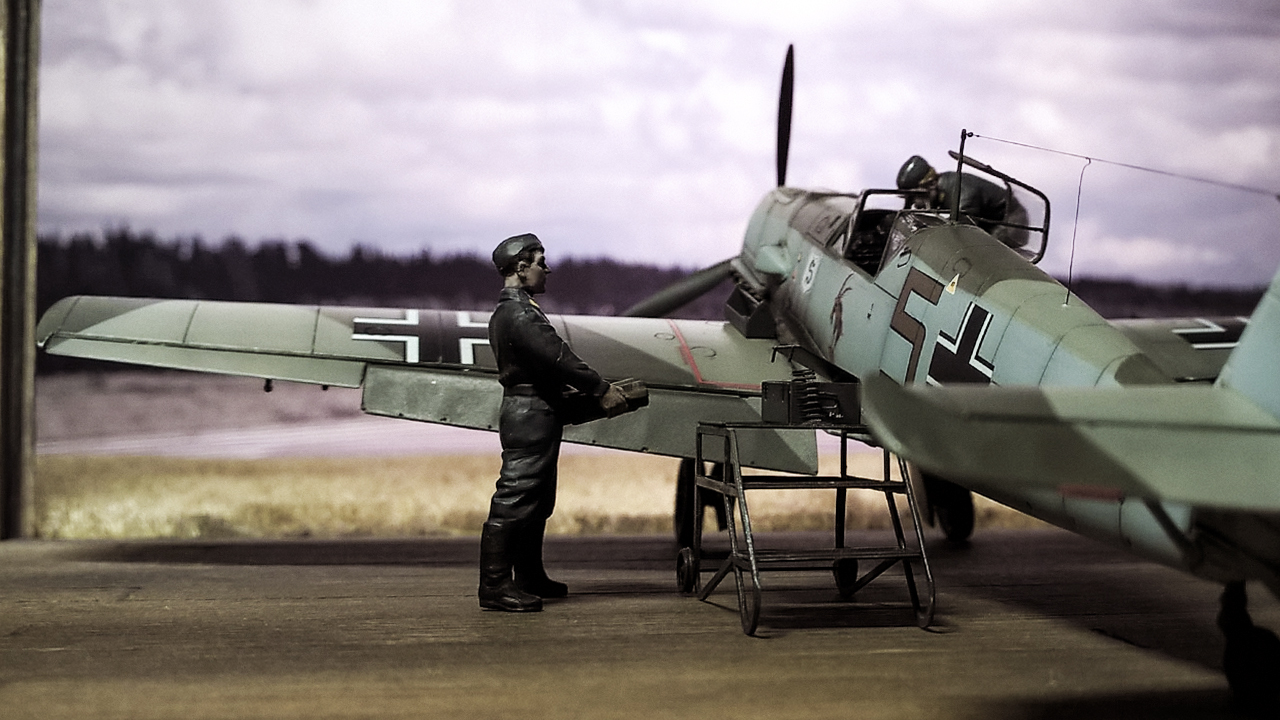
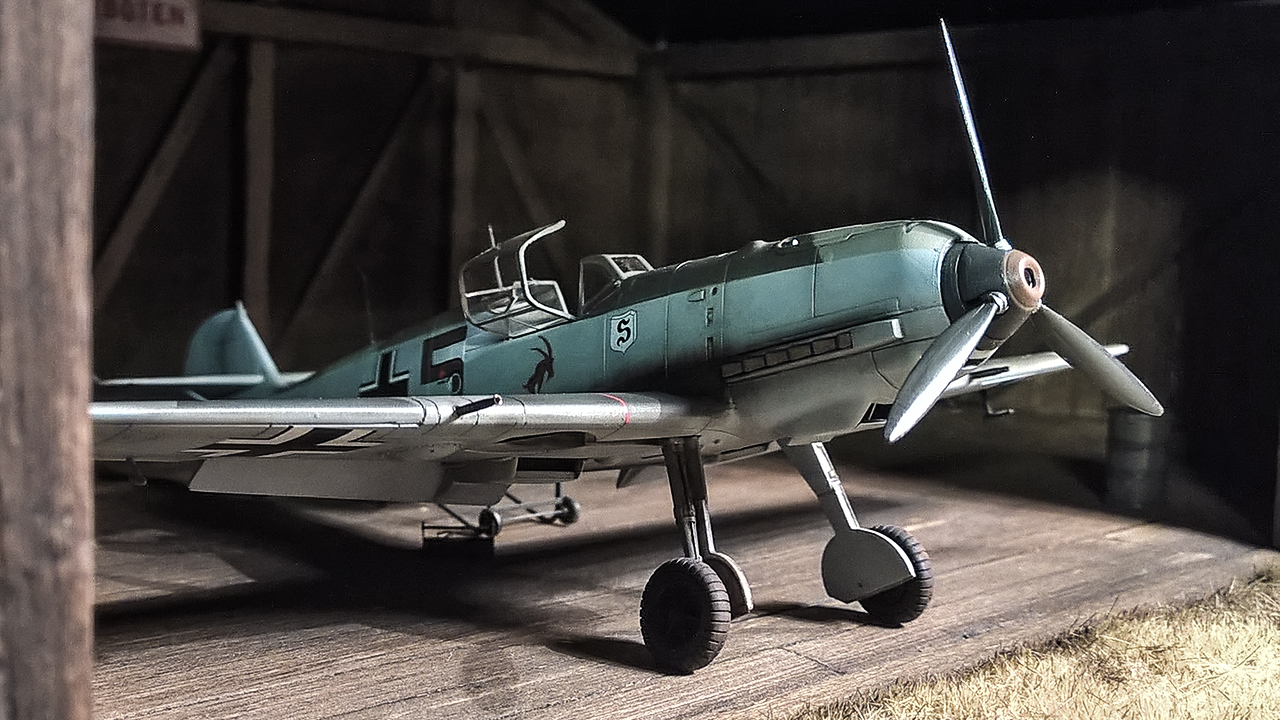
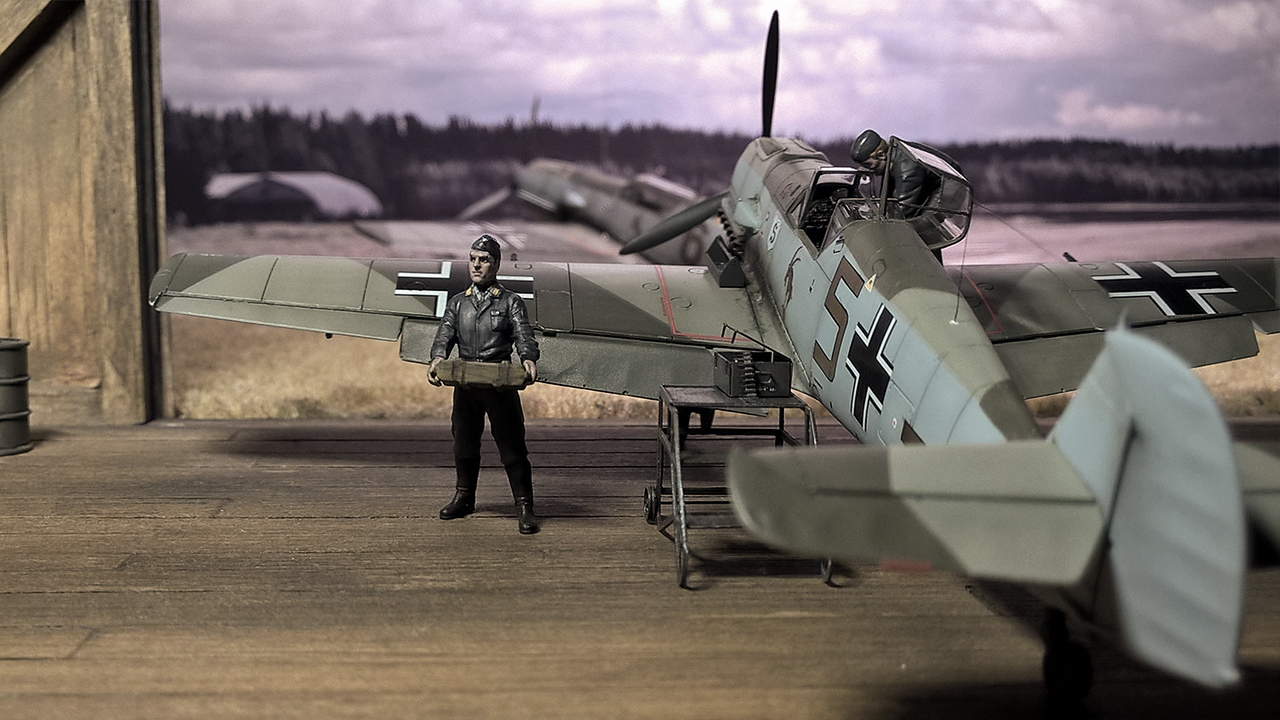
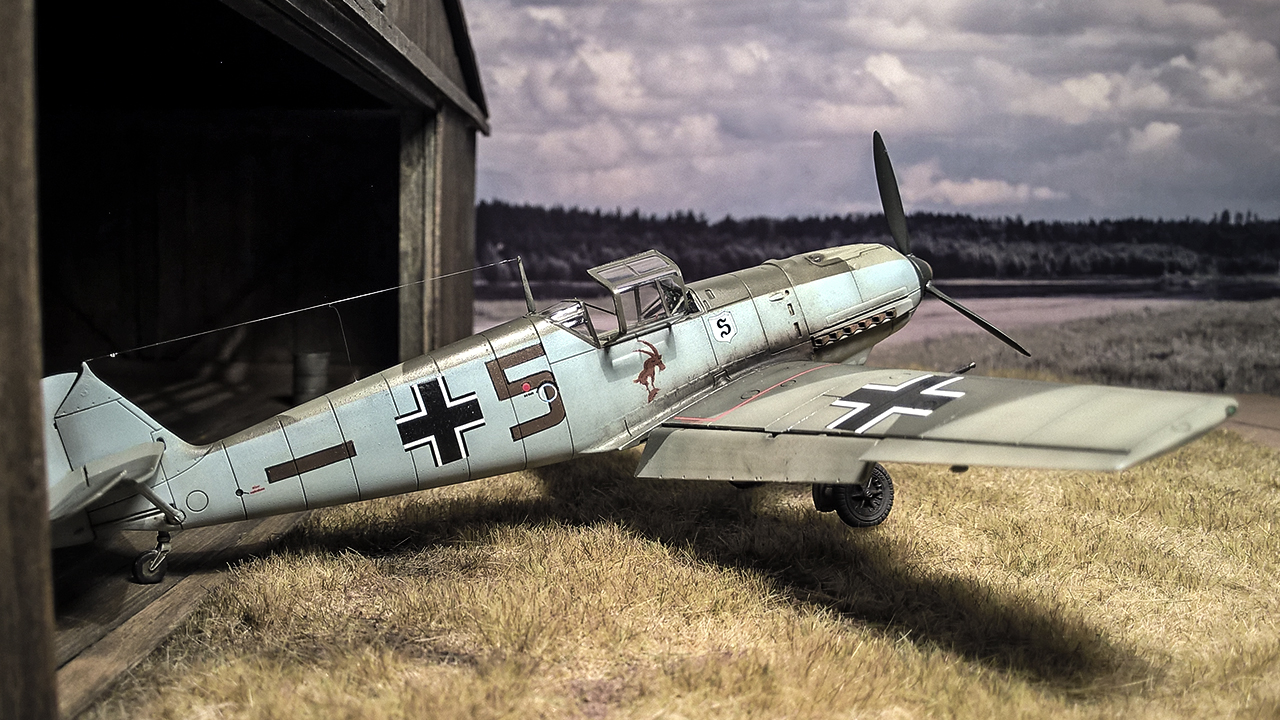
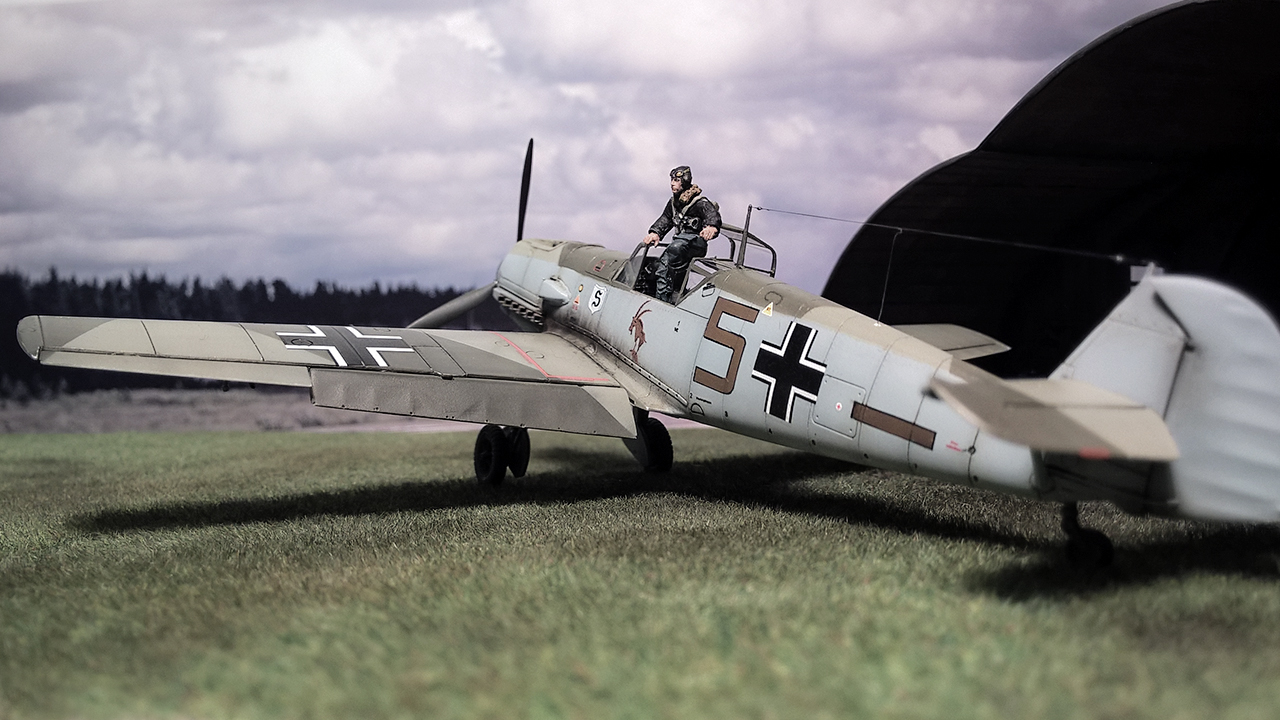
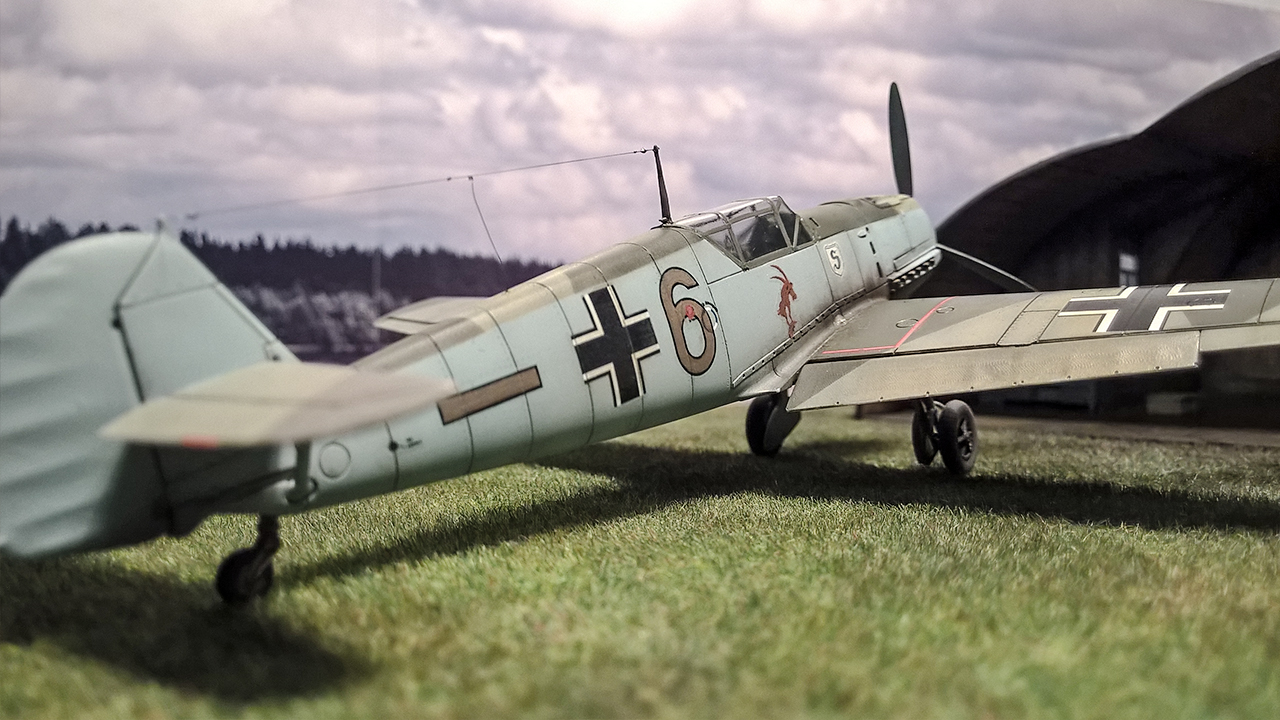
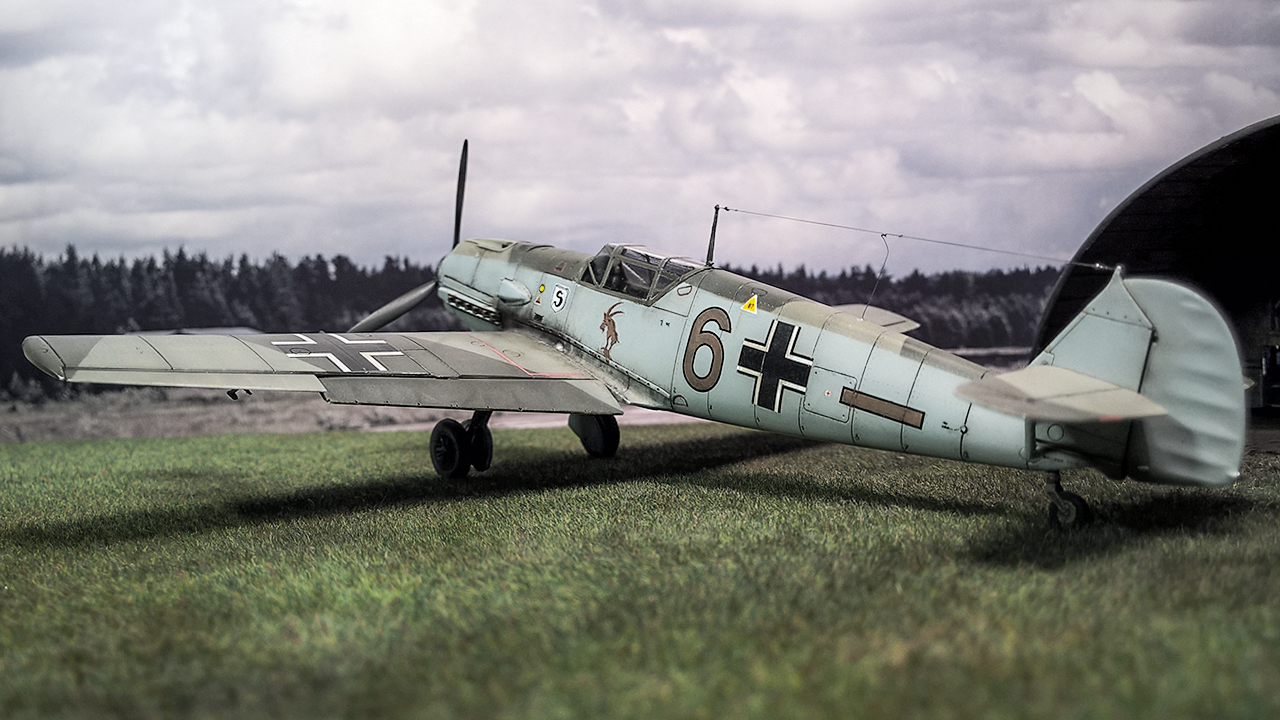
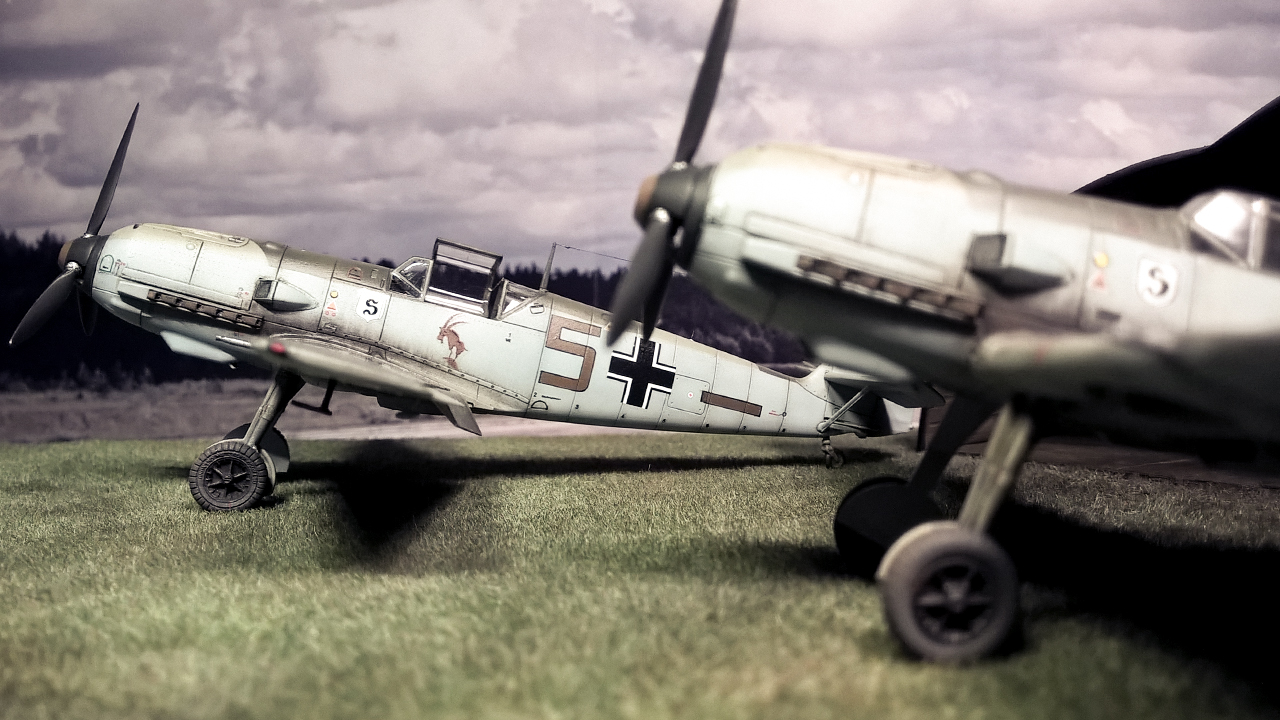
Jagdgeschwader 26 "Schlageter" — named after Albert Leo Schlageter, a nationalist martyr from the early 1920s — was one of the most storied fighter wings of the Luftwaffe throughout the entire war. Based along the Channel coast from the summer of 1940, JG 26 bore the brunt of the air war over France, the Low Countries, and southern England during the Battle of Britain and beyond. Flying from airfields at Caffiers, Audembert, and Wissant, the Geschwader's pilots accumulated kill tallies that made them household names in Germany, while the distinctive yellow noses and unit markings of their Bf 109s became well-known to RAF pilots across the Channel. The unit's emblem — the "Ziegenbock", a charging black goat — appeared on cowlings and nose sections and gave the wing an unmistakable identity shared by all three Gruppen. The Kagero monograph "JG 26 Schlageter Vol. 1" served as the primary reference throughout this project, providing colour profiles, unit histories, and aircraft details that shaped every modelling decision.
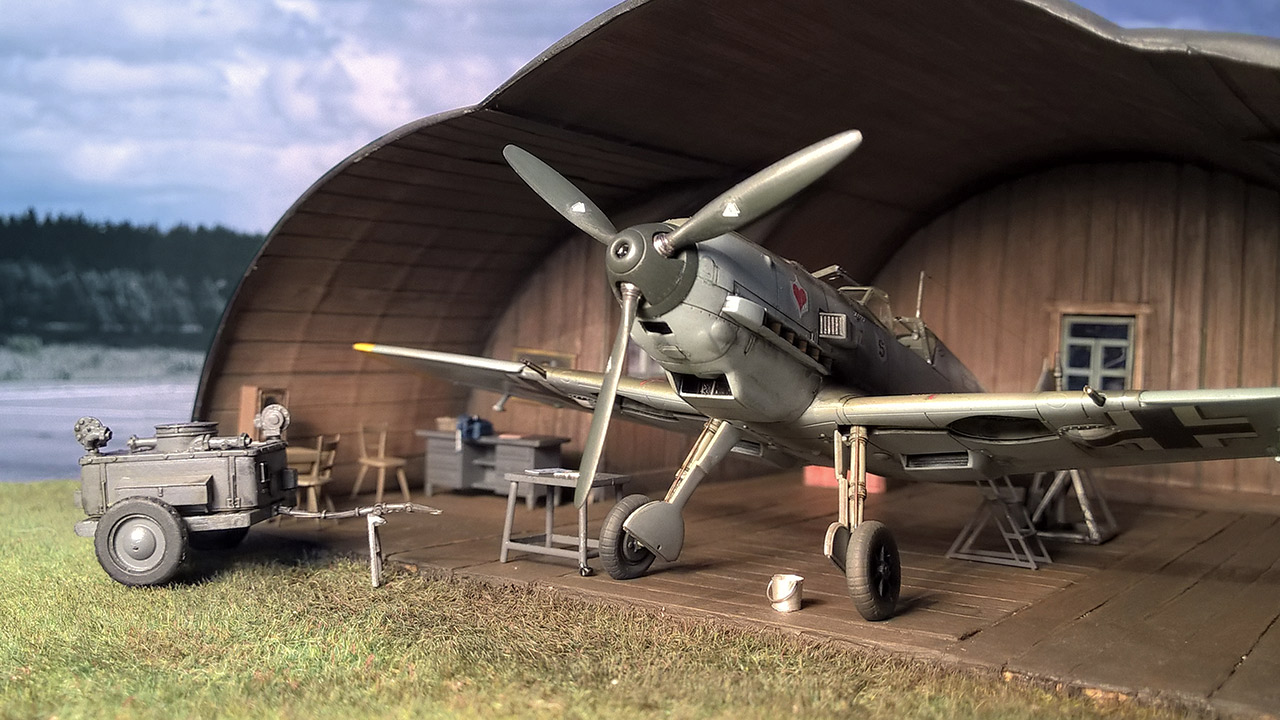
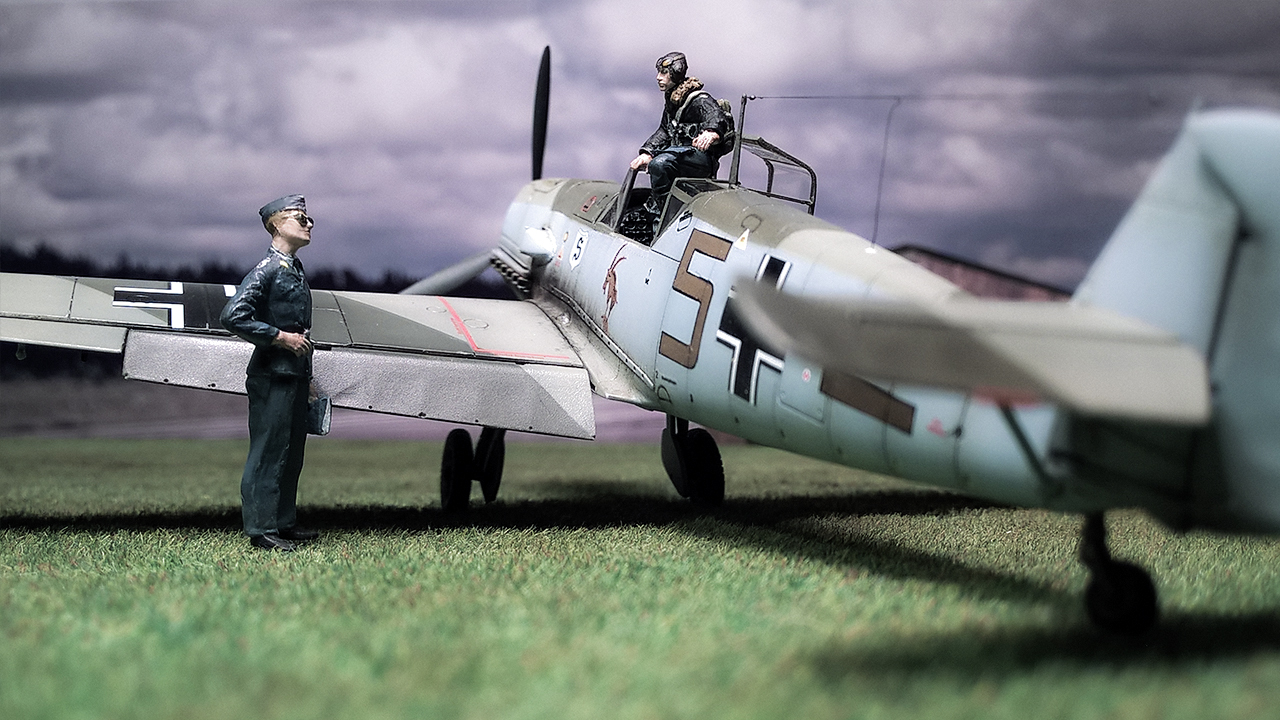
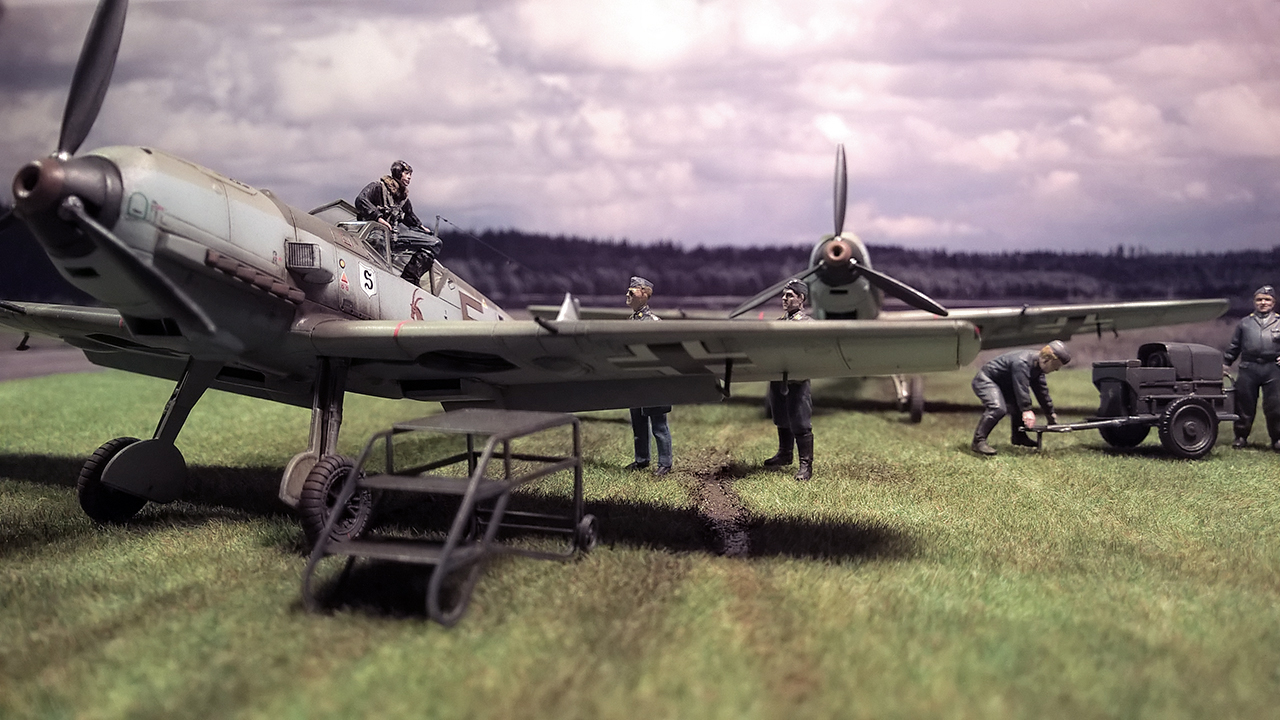
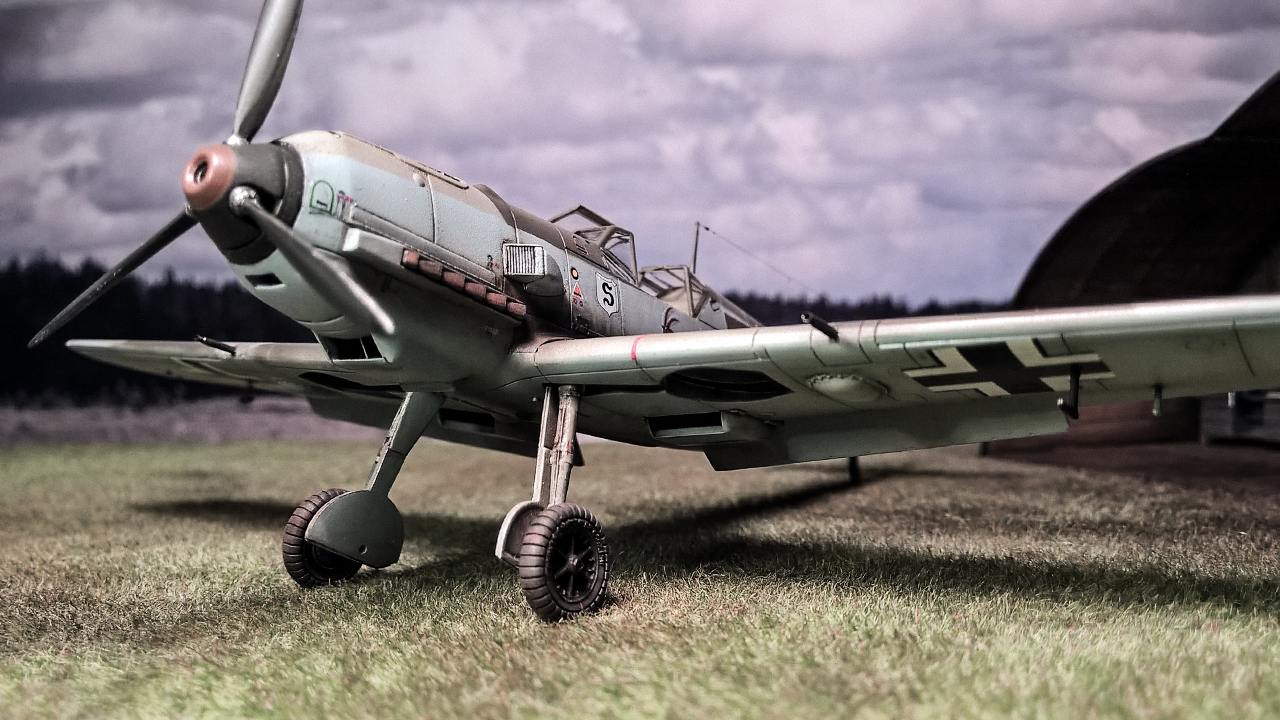
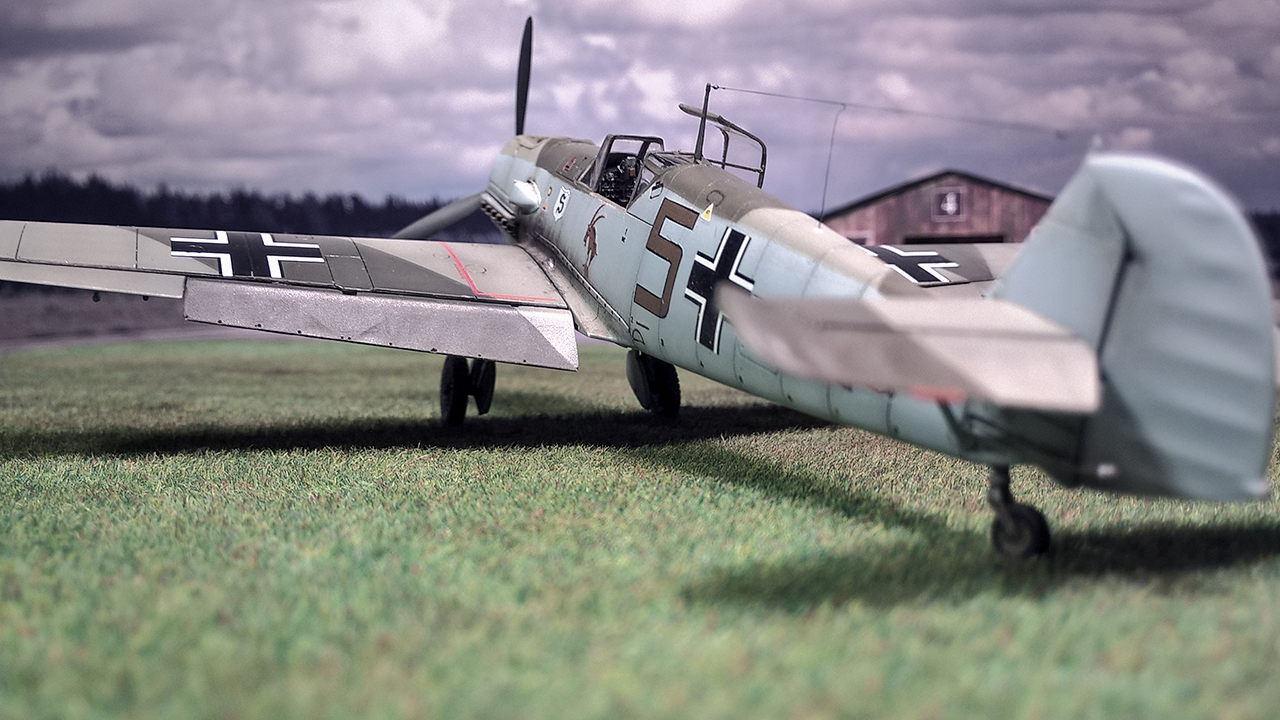
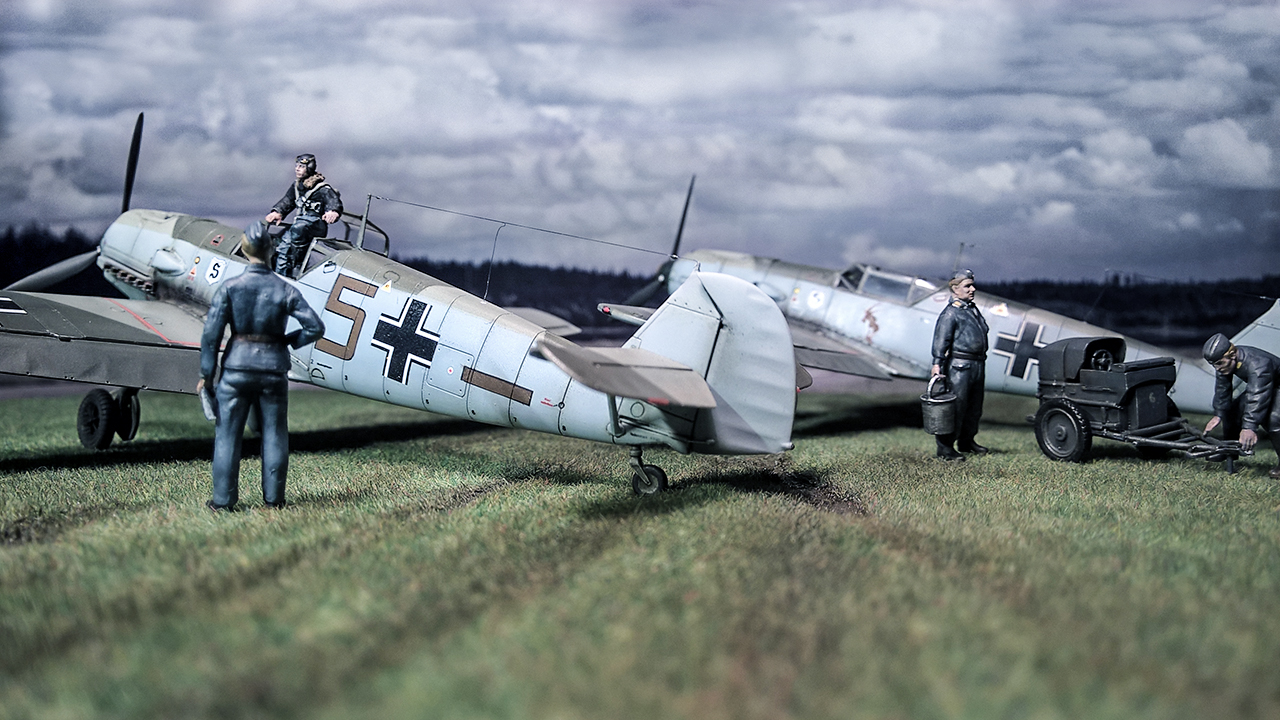
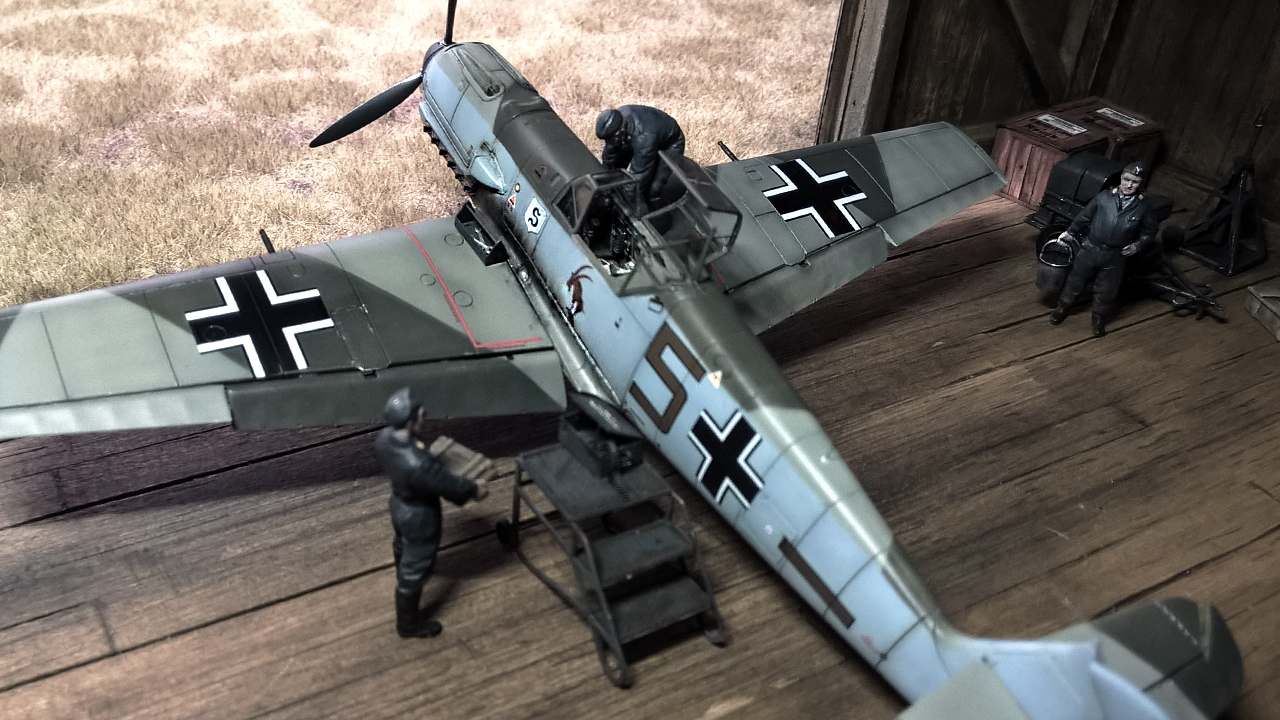
The concept behind this diorama was a dual build: two Airfix Bf-109 E-3/E-4 kits in 1/72 scale posed together on a common base, with ground crew activity tying the scene together. The Airfix tool is a capable and accurate representation for the scale — surface detail is crisply recessed, fit is honest and manageable, and the kit builds up into a convincing airframe with minimal filler. Aftermarket details were added throughout: resin replacement wheels eliminate the under-engineered kit items, while aftermarket exhaust stacks replace the simplified kit parts and add considerable visual accuracy. Canopy treatments differ deliberately between the two aircraft — one carries a closed canopy from Squadron (vacform), the other sports the open canopy from Rob Taurus, giving each machine a distinct character and creating visual depth across the diorama. Painting was carried out entirely with Mr. Hobby / Gunze Sangyo lacquers, laid down by airbrush. The RLM 71/02/65 three-tone scheme was applied with softly feathered edges using a low-pressure freehand technique.
The diorama composition places the two Emils on an improvised hardstanding of compacted earth and grass tufts, with the ground crew figures — Zvezda, Preiser, and Aero-Bonus — arranged to suggest a ground crew changing a wheel and discussing a mission debrief. The exhaust staining weathering was executed as a three-step process: an initial airbrushed coat of dark brown (Mr. Color C-40) established the base stain zone, followed by precise linework with a dark India ink pen to define the streaks at close range, and finished with dry pastel chalk rubbed and flicked along the fuselage side to simulate the chalky, faded look of dried exhaust residue that photographs from actual JG 26 aircraft consistently show. Panel line work, chipping, and tyre dust complete the overall weathering picture.
01
02
03
04
05
06
07
08
09
10
11
12
13
14
15
16
17