Build Report
About This Build
The Subject
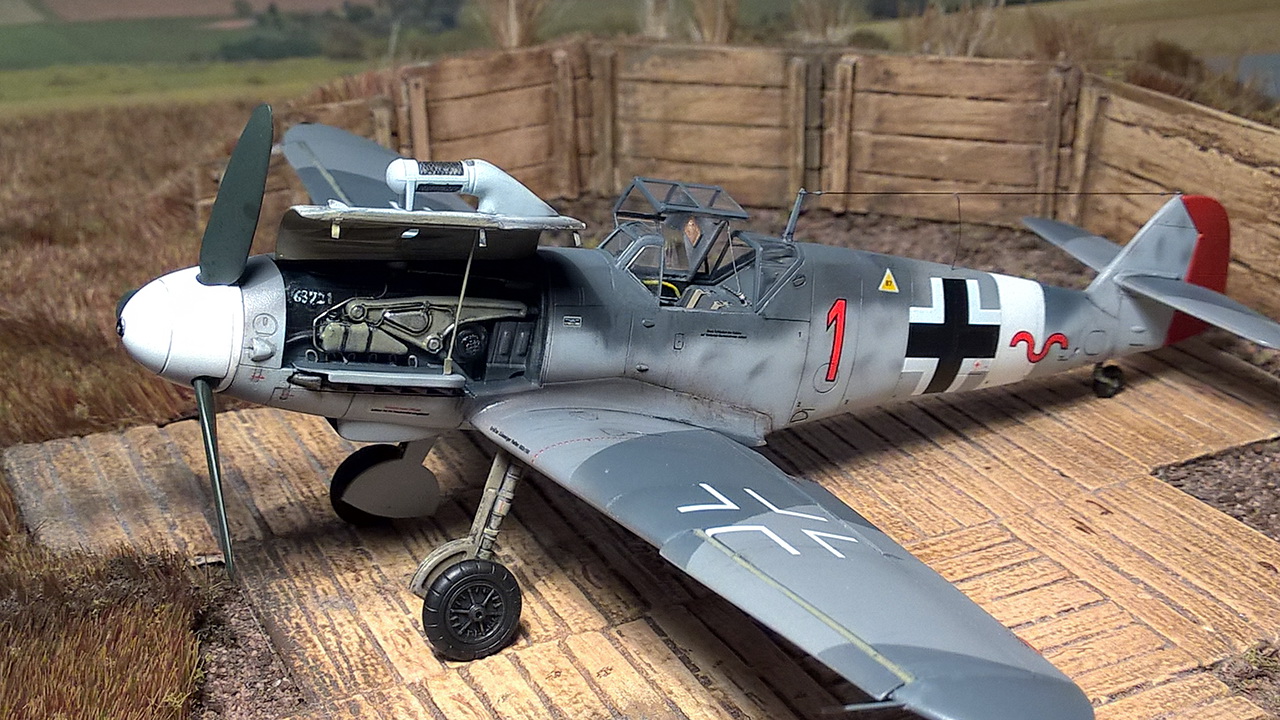
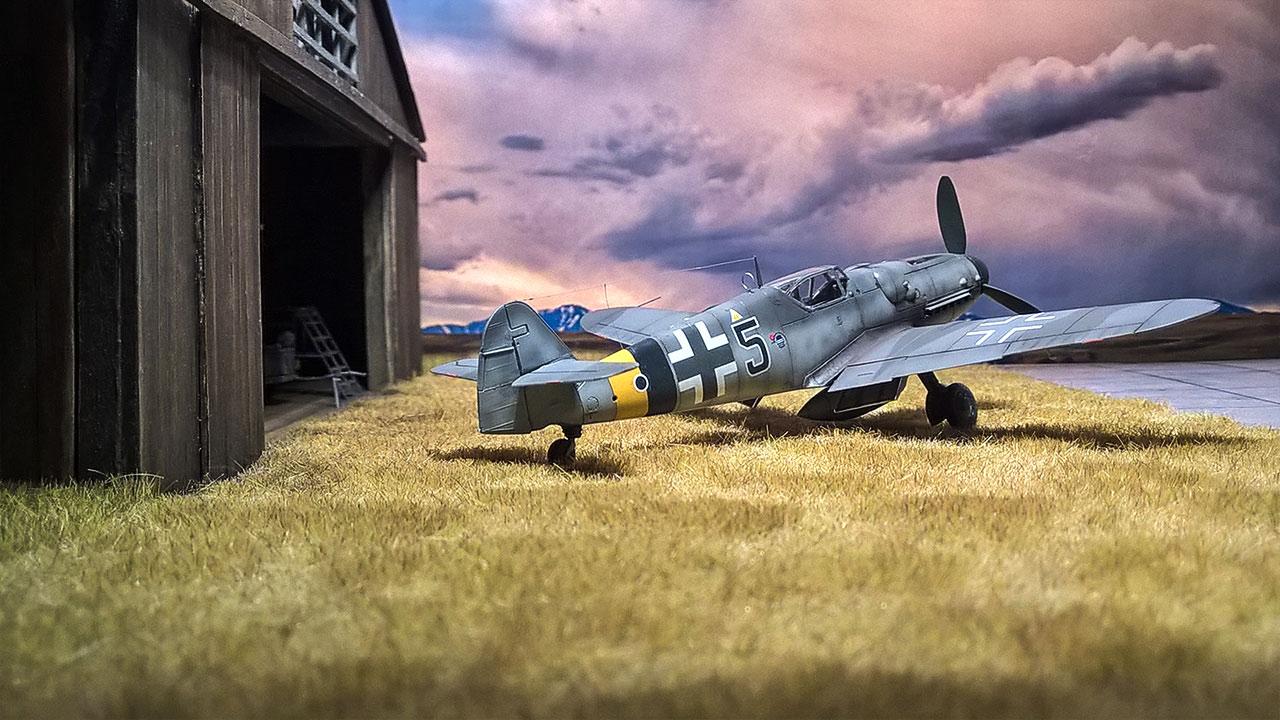
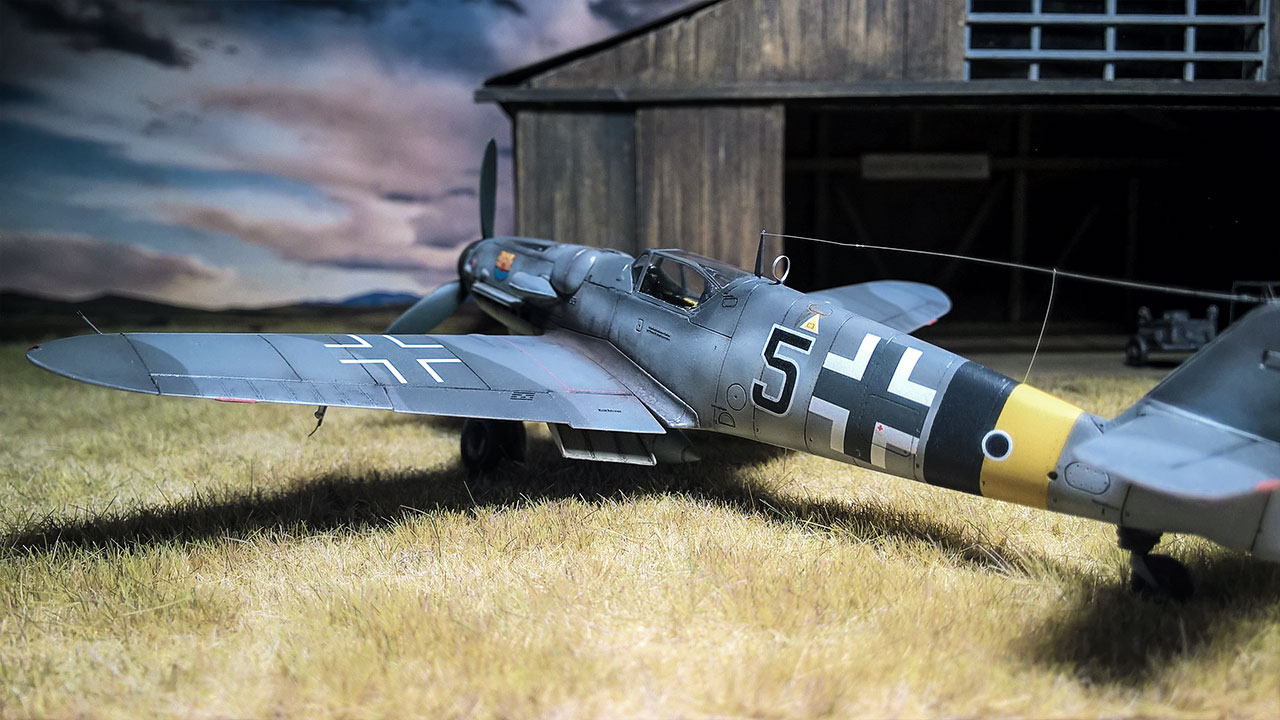
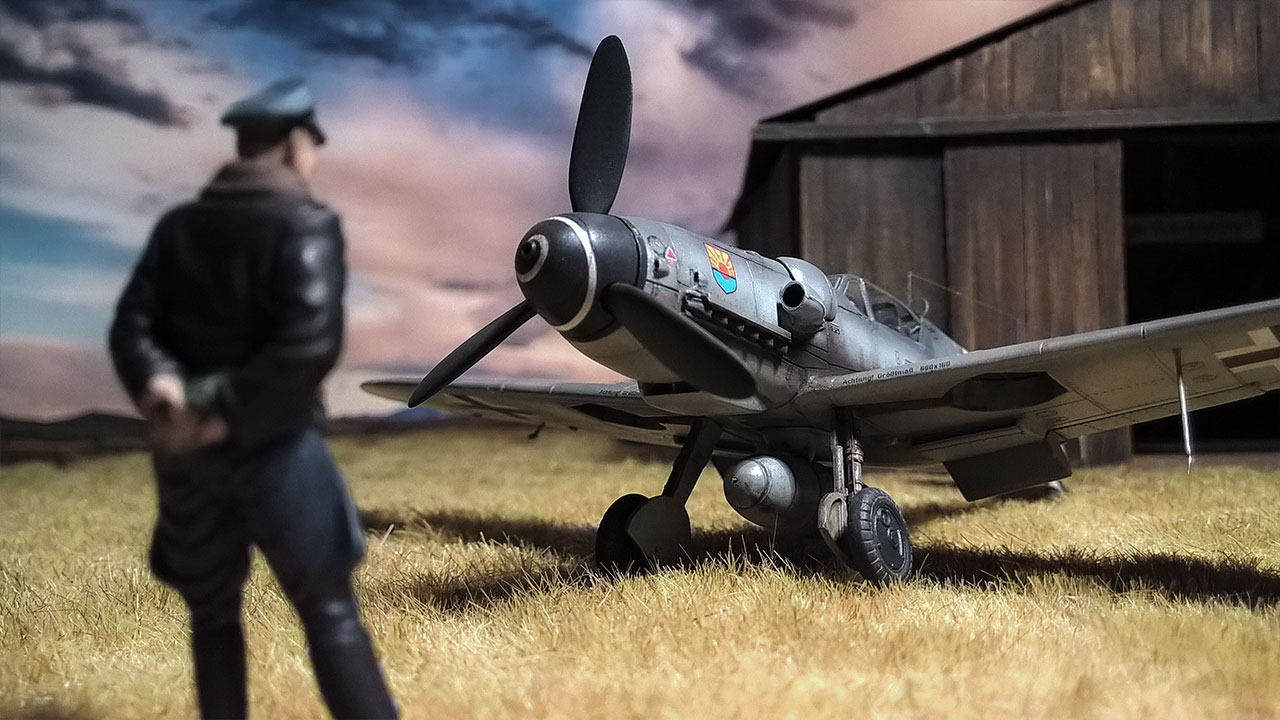
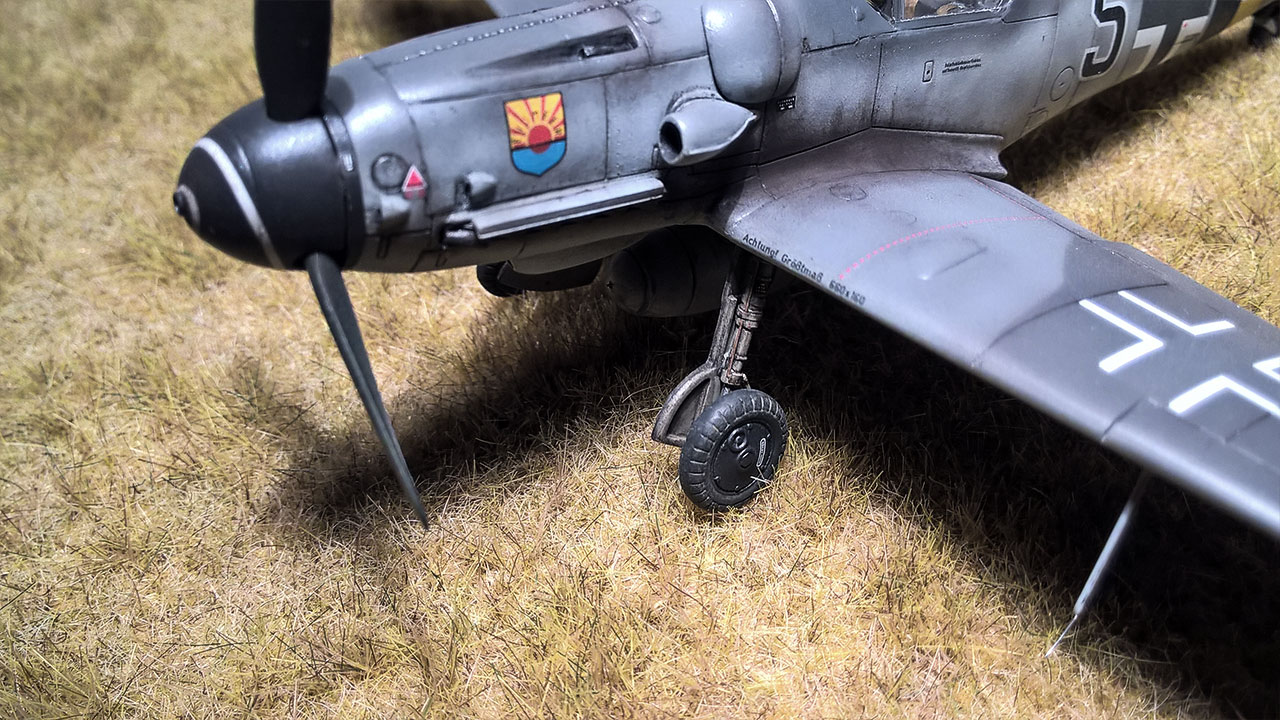
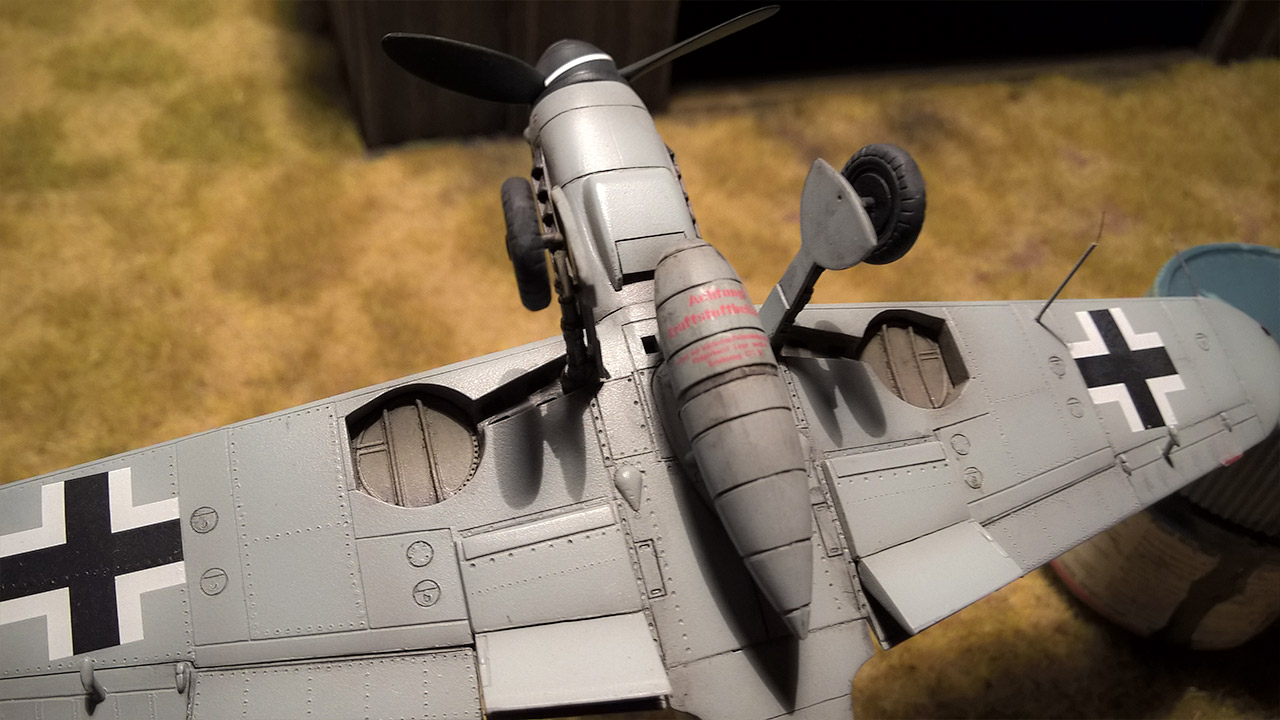
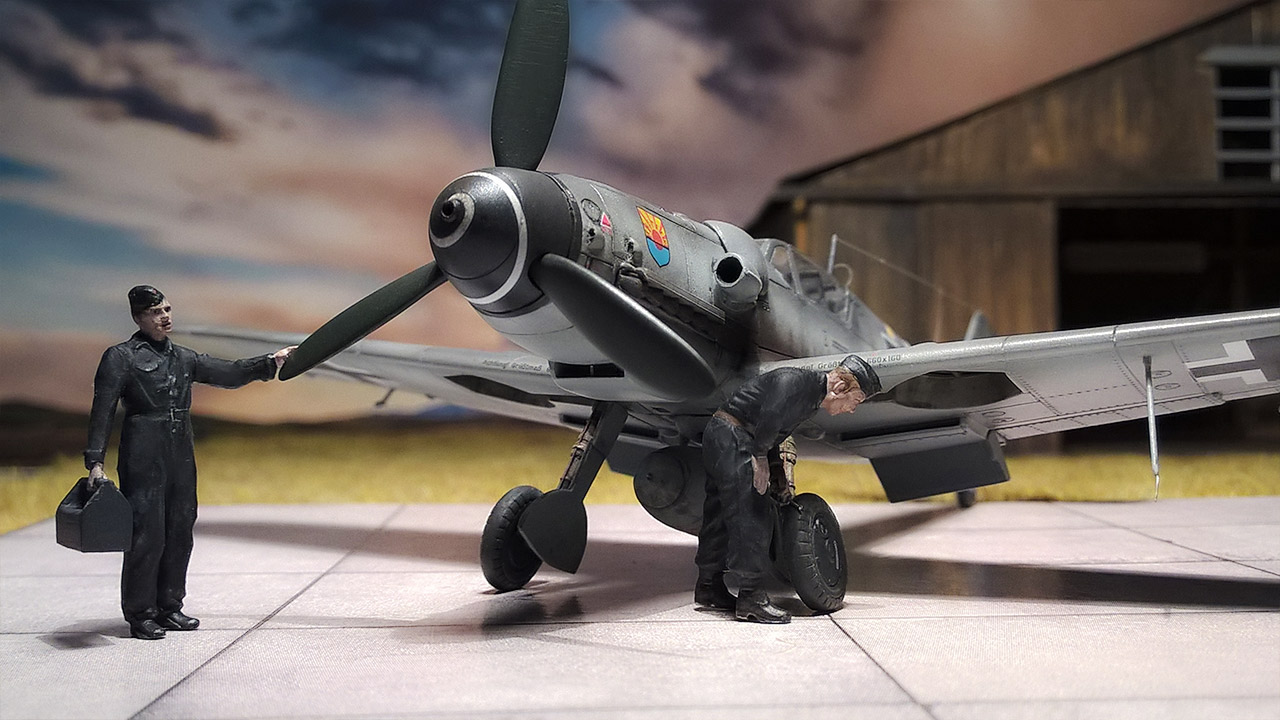
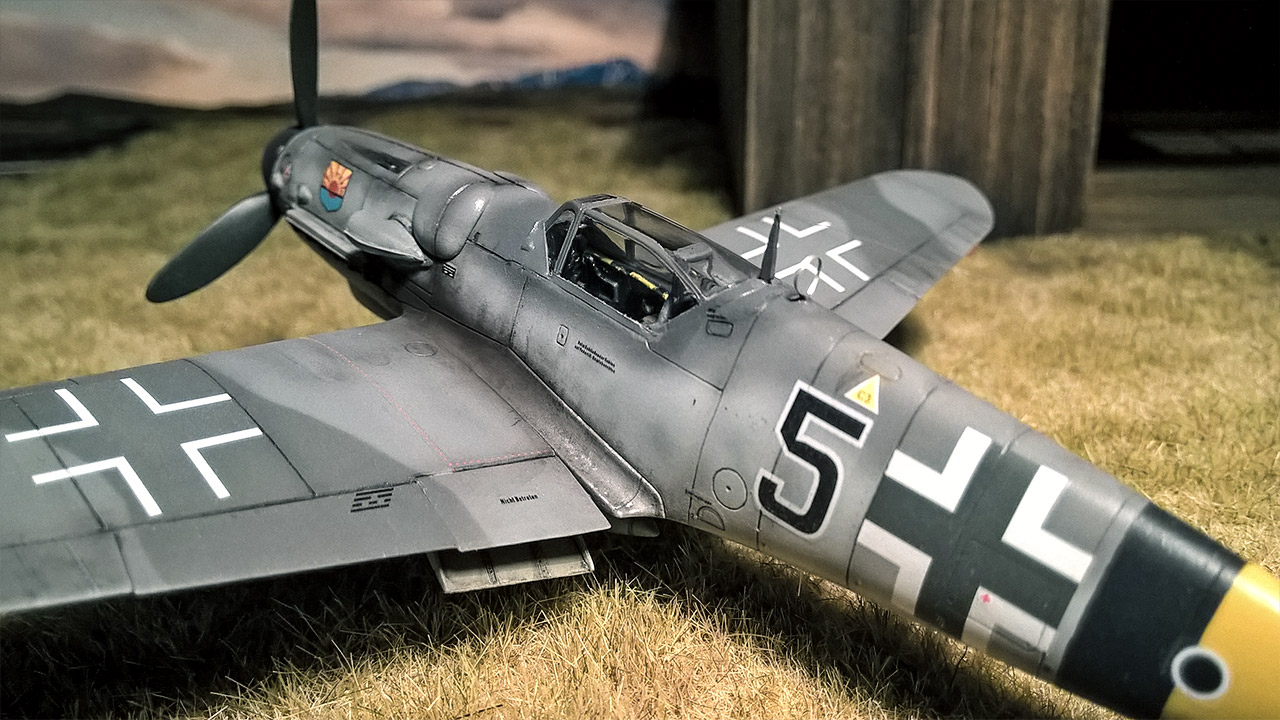
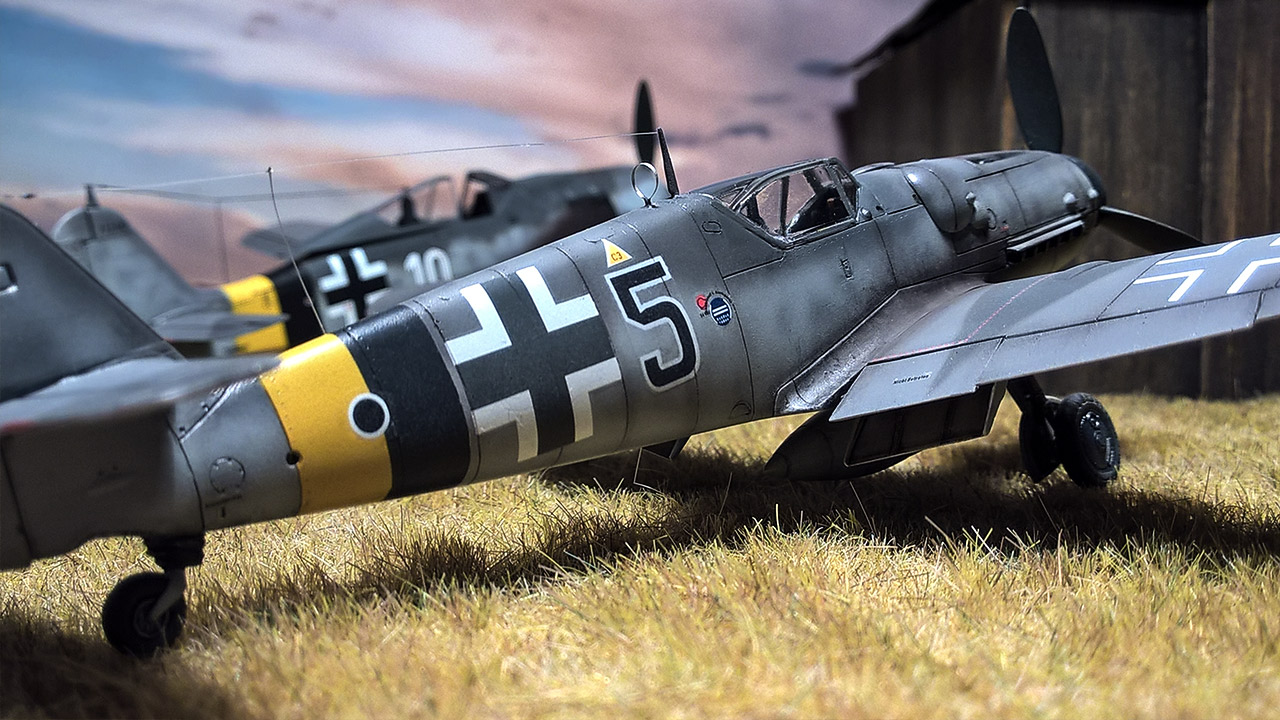
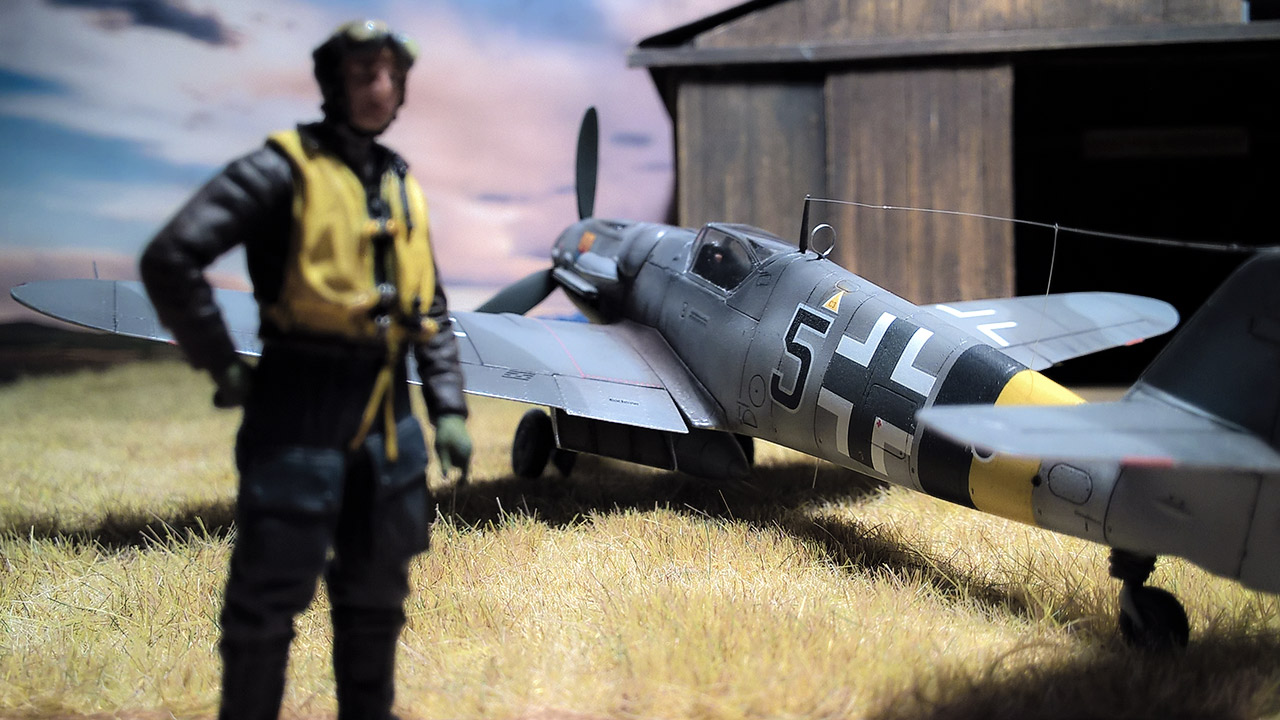
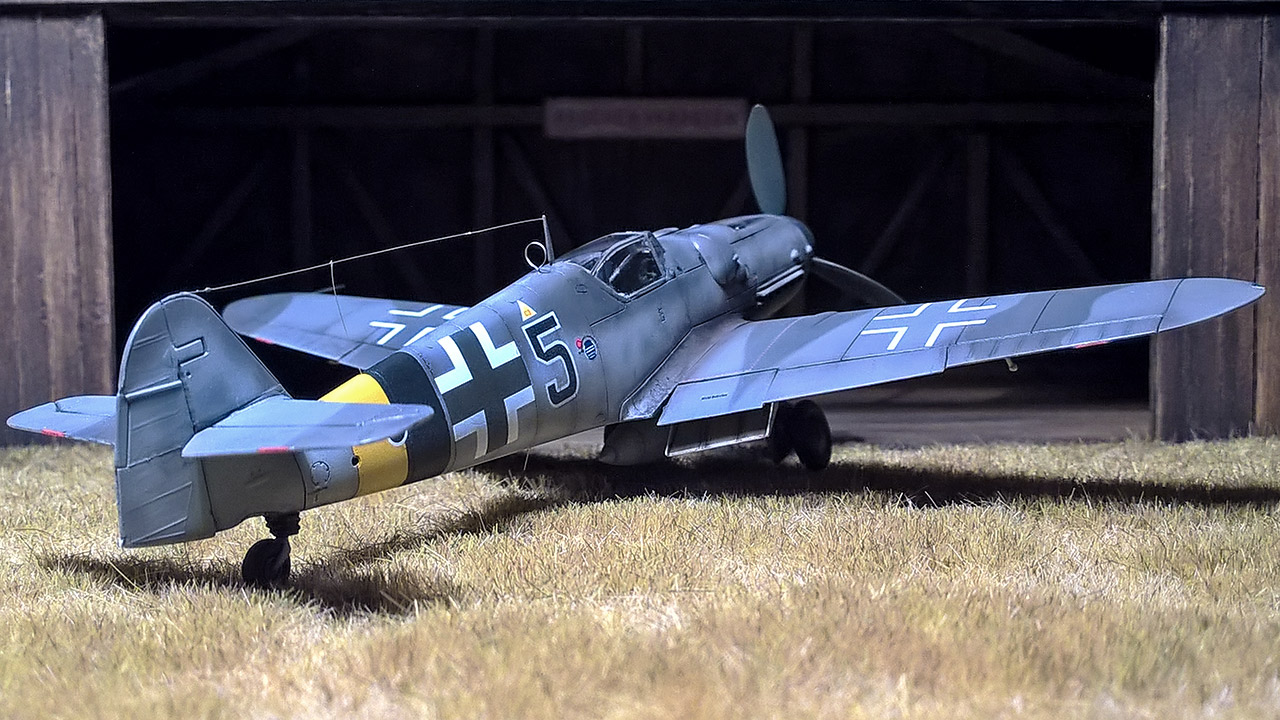
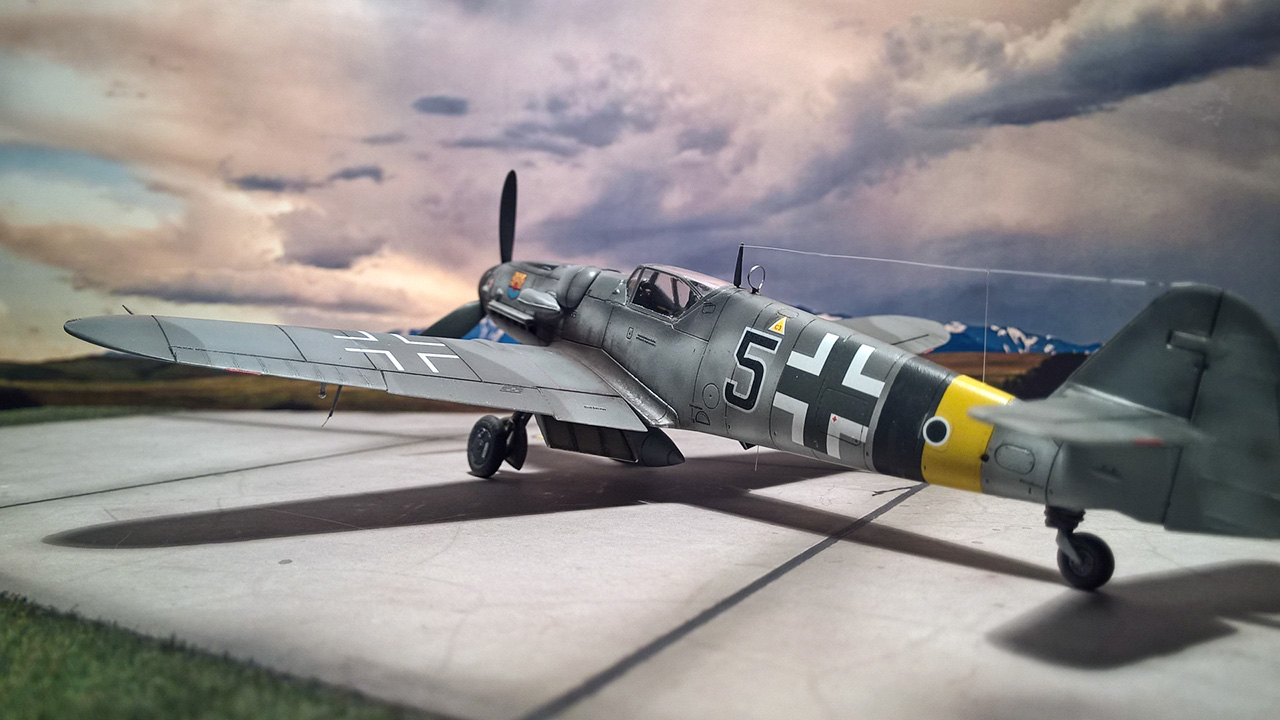
Jagdgeschwader 5 "Eismeer" — the Ice Sea fighter wing — occupied one of the most demanding operational theatres of the Second World War. Based across a chain of airfields stretching from northern Norway into Finland and the Kola Peninsula, JG 5 spent the war defending the northern flank of the Axis position: patrolling the freezing approaches to Narvik and the North Cape, intercepting Allied supply convoys bound for Murmansk, and covering Kriegsmarine surface operations in the high Arctic. The climate was brutal, with temperatures regularly falling below −30°C, extended polar nights rendering navigation treacherous, and the constant threat of whiteout conditions. The Bf 109 G-14, reaching JG 5 in the final year of the war, combined a more powerful DB 605 AM engine with improved MW 50 methanol-water injection and a broader Galland-Haube canopy — marginal gains that mattered little against the overwhelming Allied numerical superiority pressing in from every direction.
The Kit
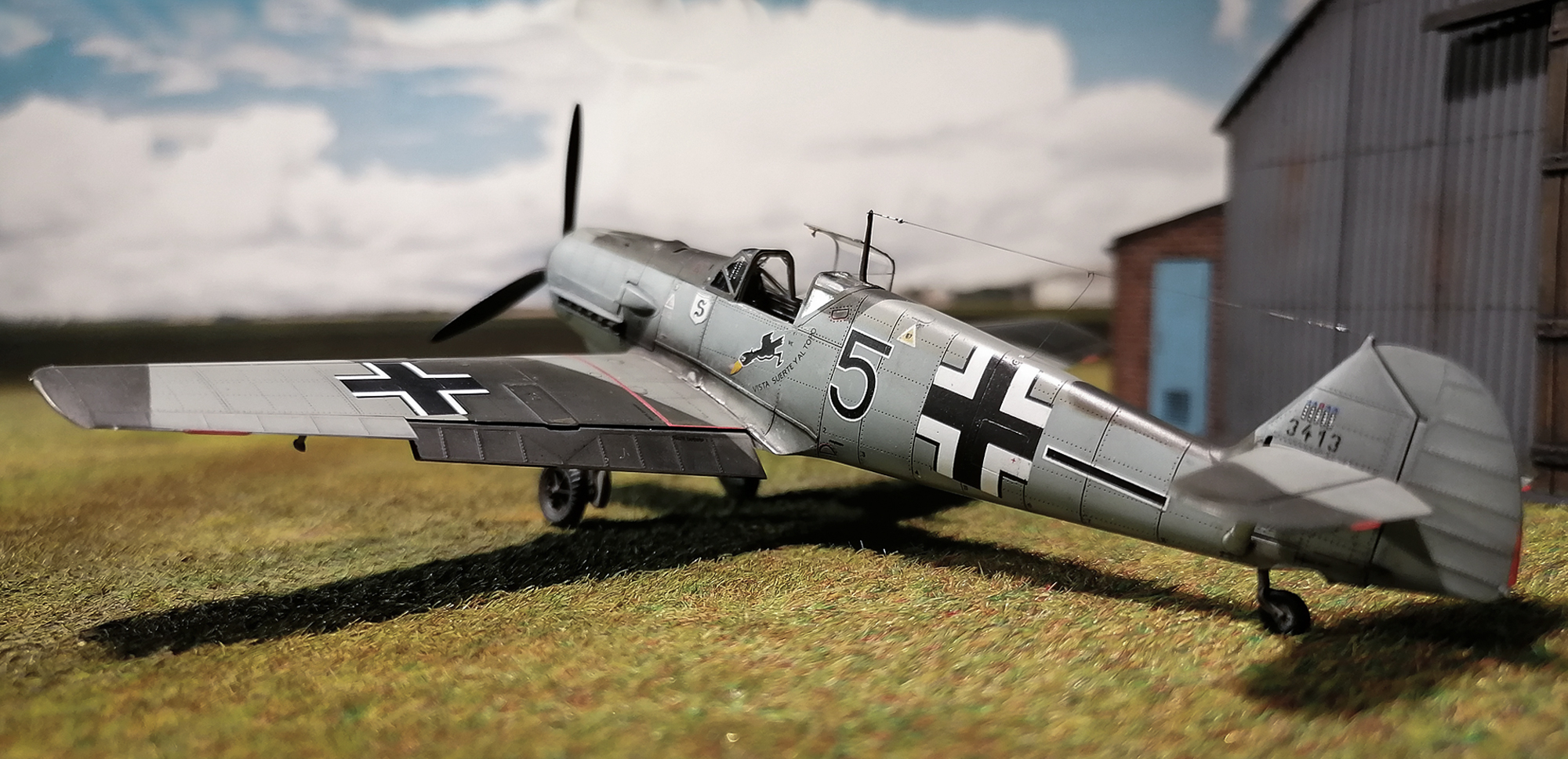
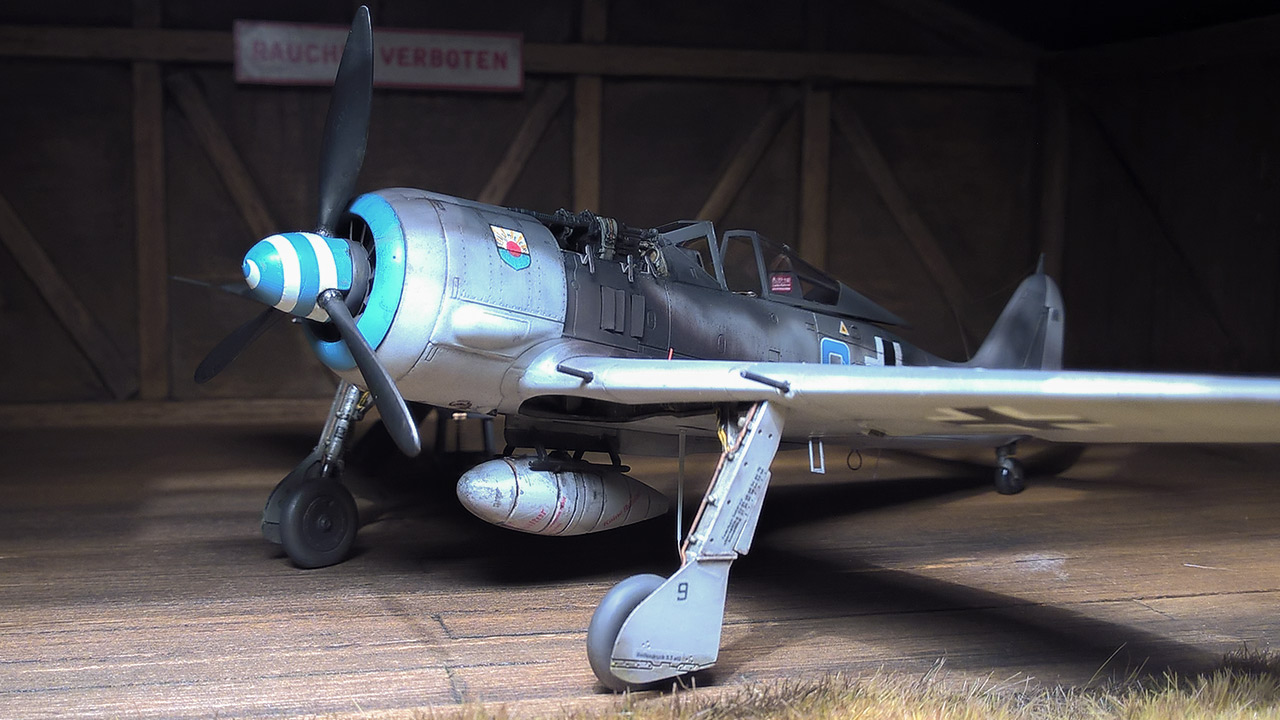
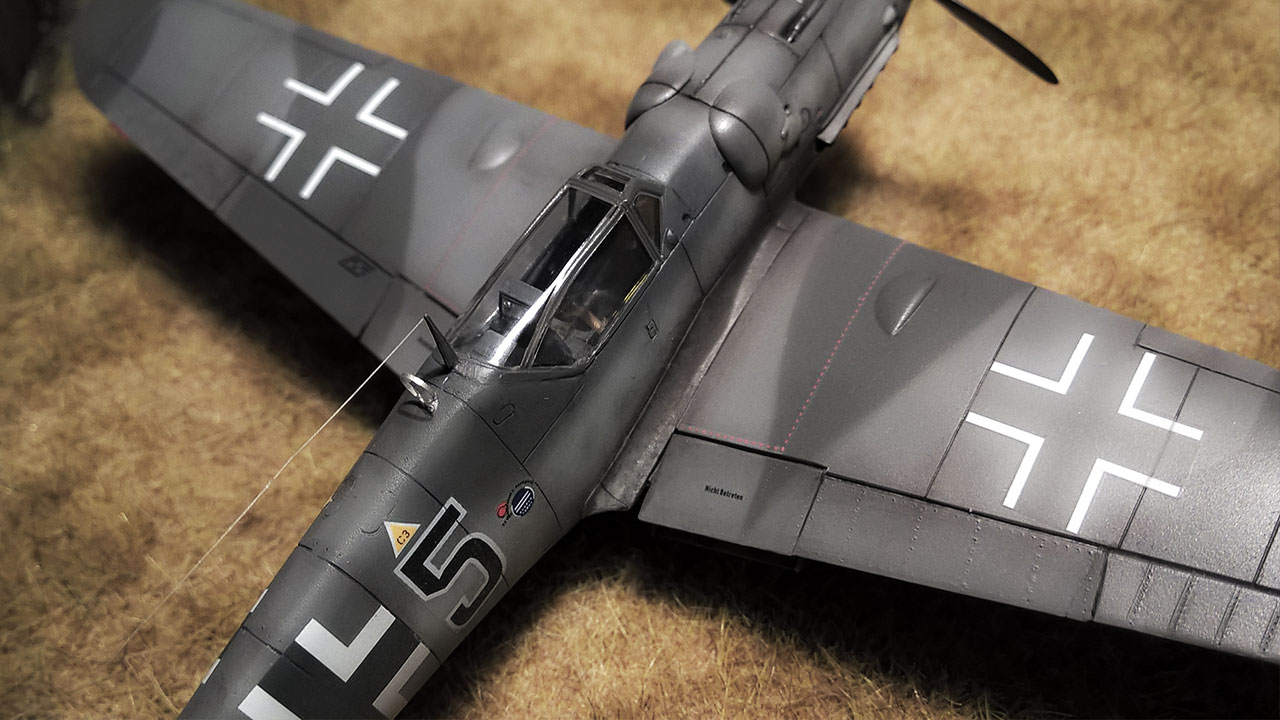
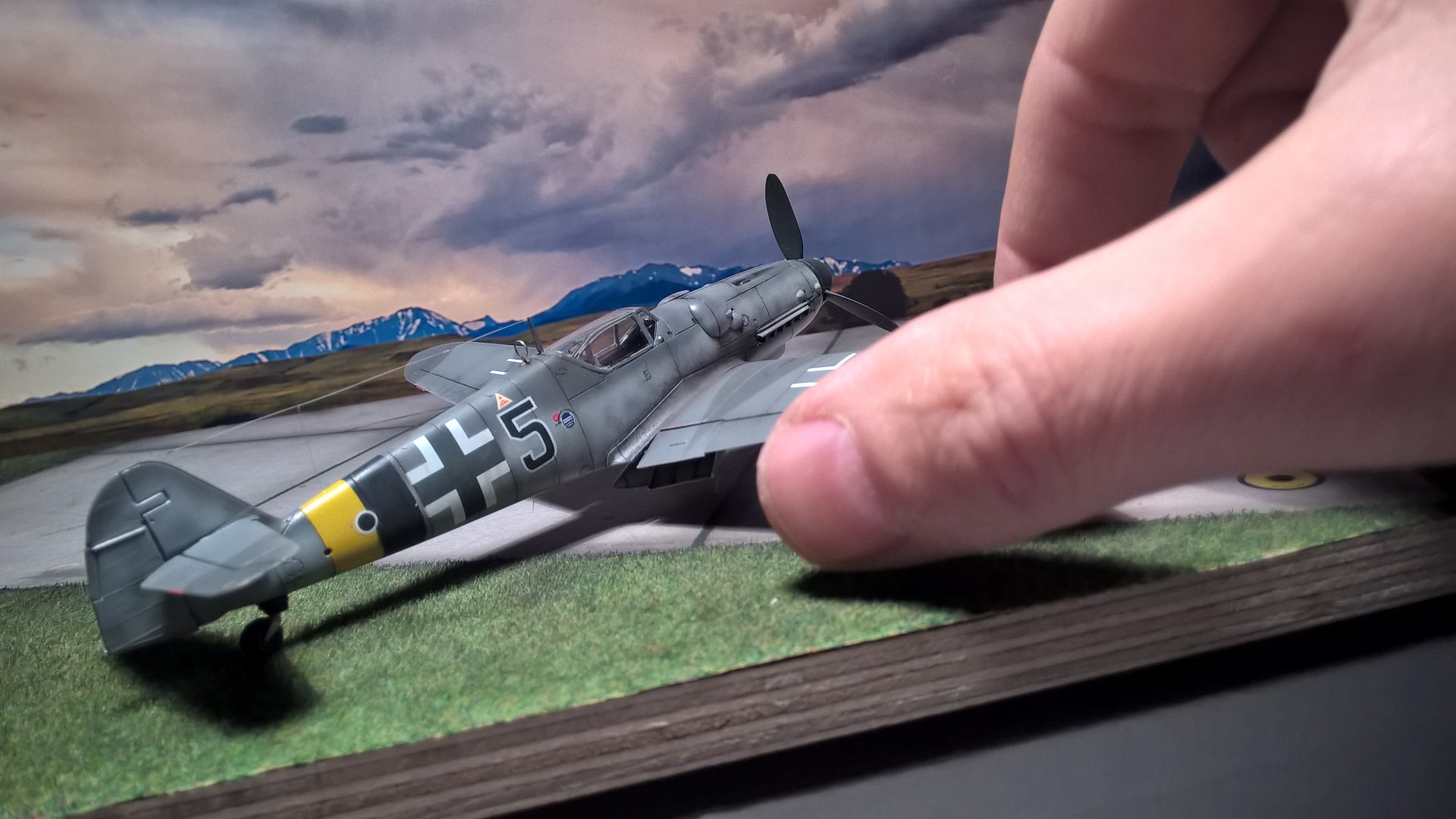
The AZ Model kit #AZ7704 is a "Joy Pack" — three complete airframes in a single box, with parts families covering the G-2, G-4, G-6 and G-14 variants. The value proposition is immediately apparent: at a fraction of the cost of a Hasegawa or Eduard offering in this scale, you receive cleanly moulded parts with restrained but accurate surface detail, a reasonable cockpit interior, and enough sprues to build a small flight of aircraft from a single purchase. The challenge is the decal situation: none are included in the kit, so markings must be sourced from other kits or decal sets. For this build the JG 5 Eismeer markings were assembled from spares accumulated across multiple kit purchases, requiring careful matching of colours and carrier film. "Ein preiswerter und schön detaillierter Bausatz einer G14" — an affordable and nicely detailed kit of a G-14 — sums up the AZ Model offering honestly.
Colours & Markings
The build philosophy throughout was strictly out of the box — no aftermarket photo-etch, no resin cockpit, no replacement transparencies. Where the kit fell short, the answer was scratch fabrication from materials already on the workbench. The radio antenna mast and aerial wire were fashioned from fine copper wire, tensioned and secured with a touch of CA adhesive. The pilot harness was cut from Tamiya masking tape, scored and folded to represent the webbing of the Arctic-specification restraint system, with buckles represented by small fragments of thin sheet metal. These are exactly the kinds of low-cost interventions that keep a 1/72 build honest and reward close inspection without inflating the total cost of the project beyond what the subject and scale deserve.
 01
01
 02
02
 03
03
 04
04
 05
05
 06
06
 07
07
 08
08
 09
09
 10
10
 11
11
 12
12
 13
13
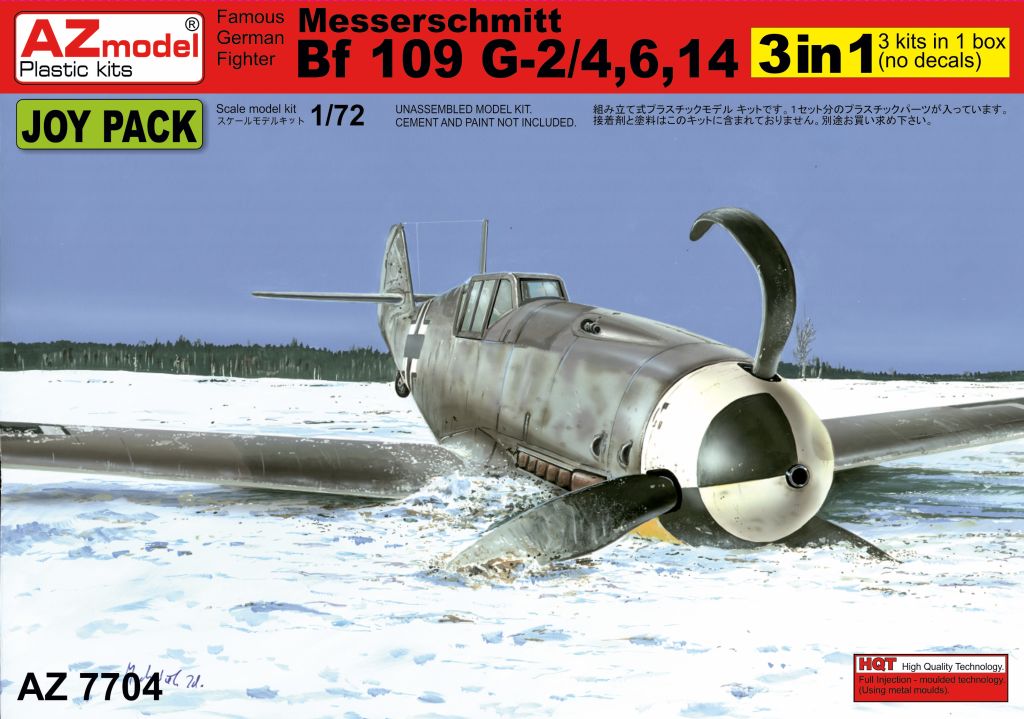 BOX
BOX