Photography
Rollout Gallery
 01
01
 02
02
 03
03
 04
04
 05
05
 06
06
 07
07
 08
08
 09
09
 10
10
 11
11
 12
12
 13
13
 14
14
 15
15
 16
16
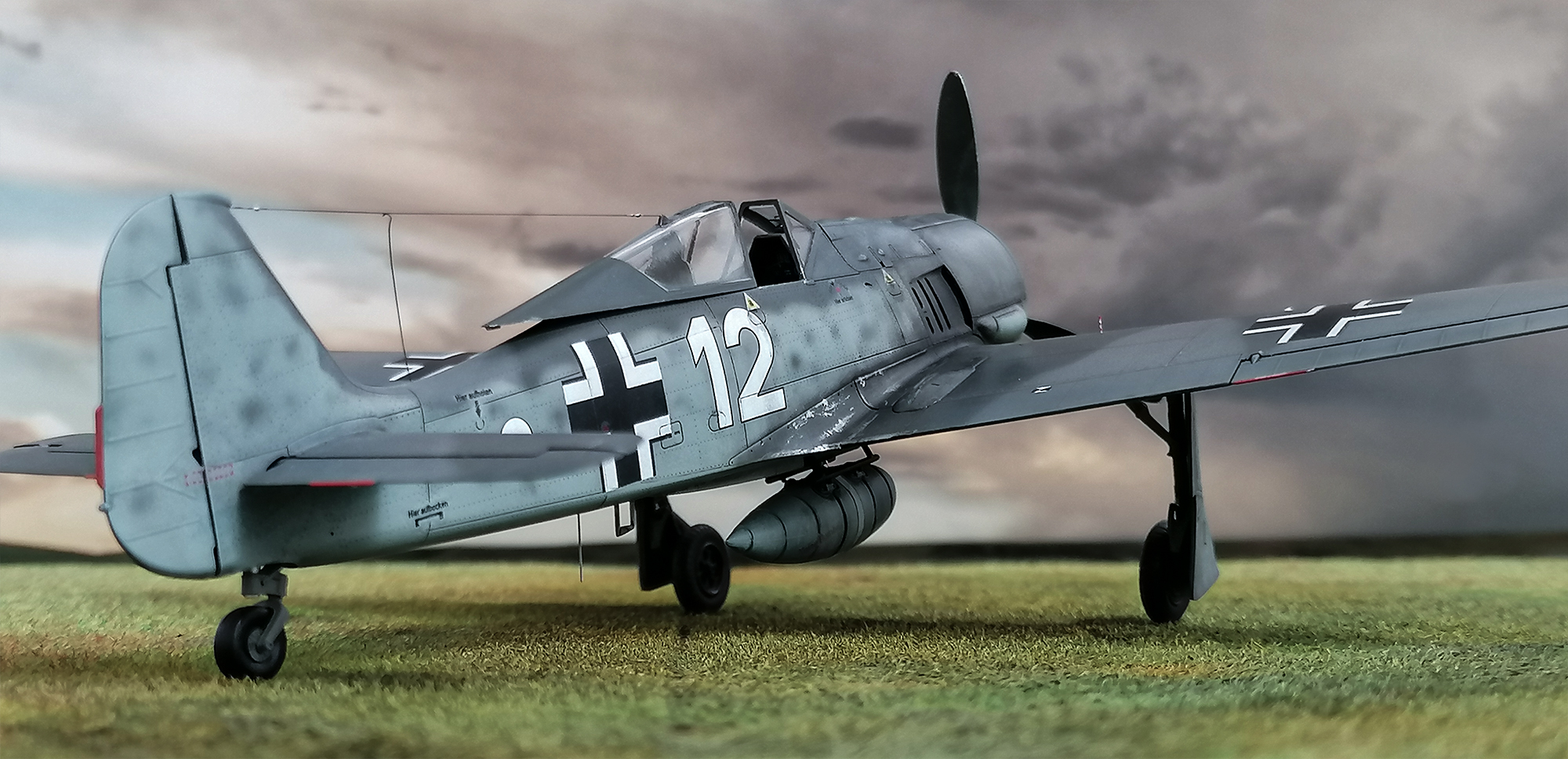
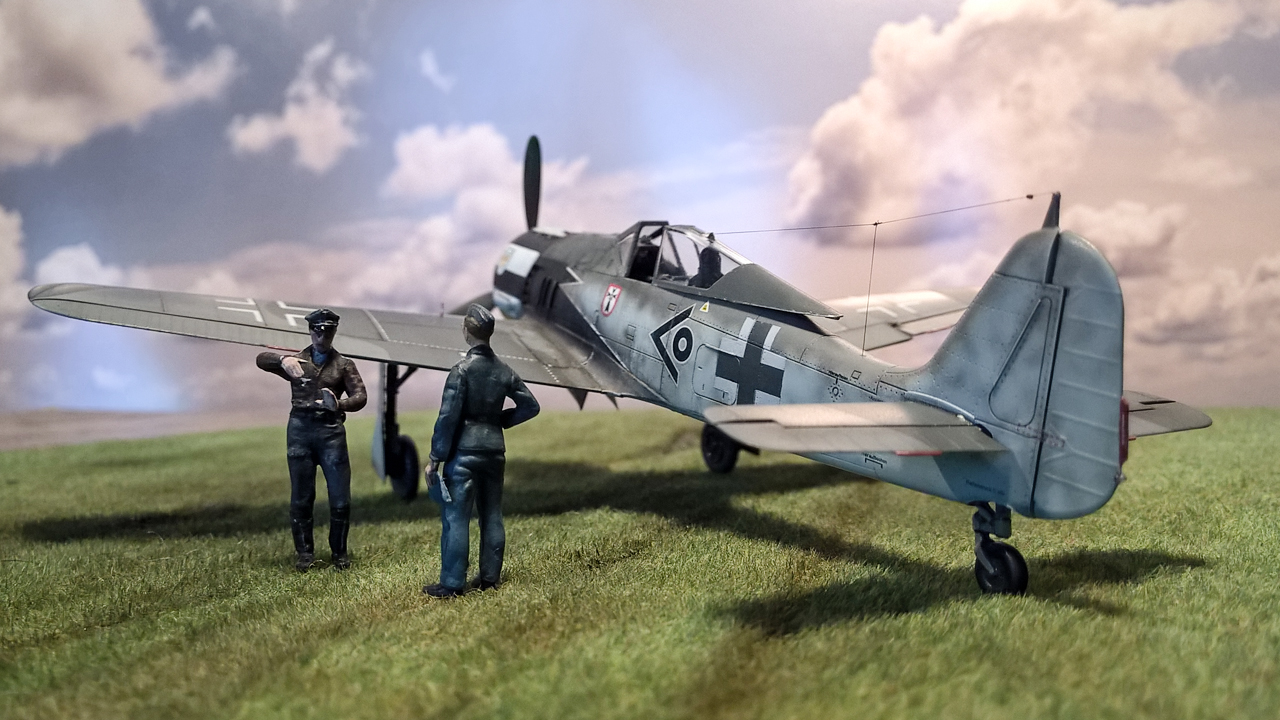
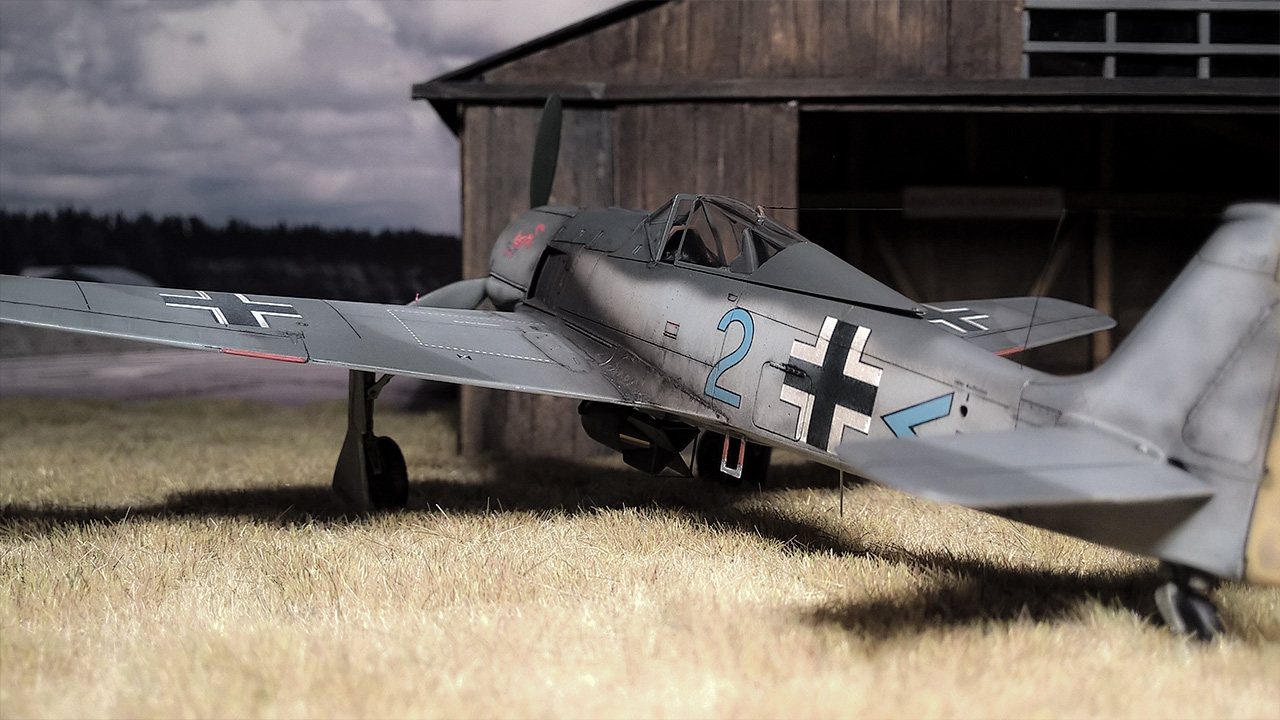
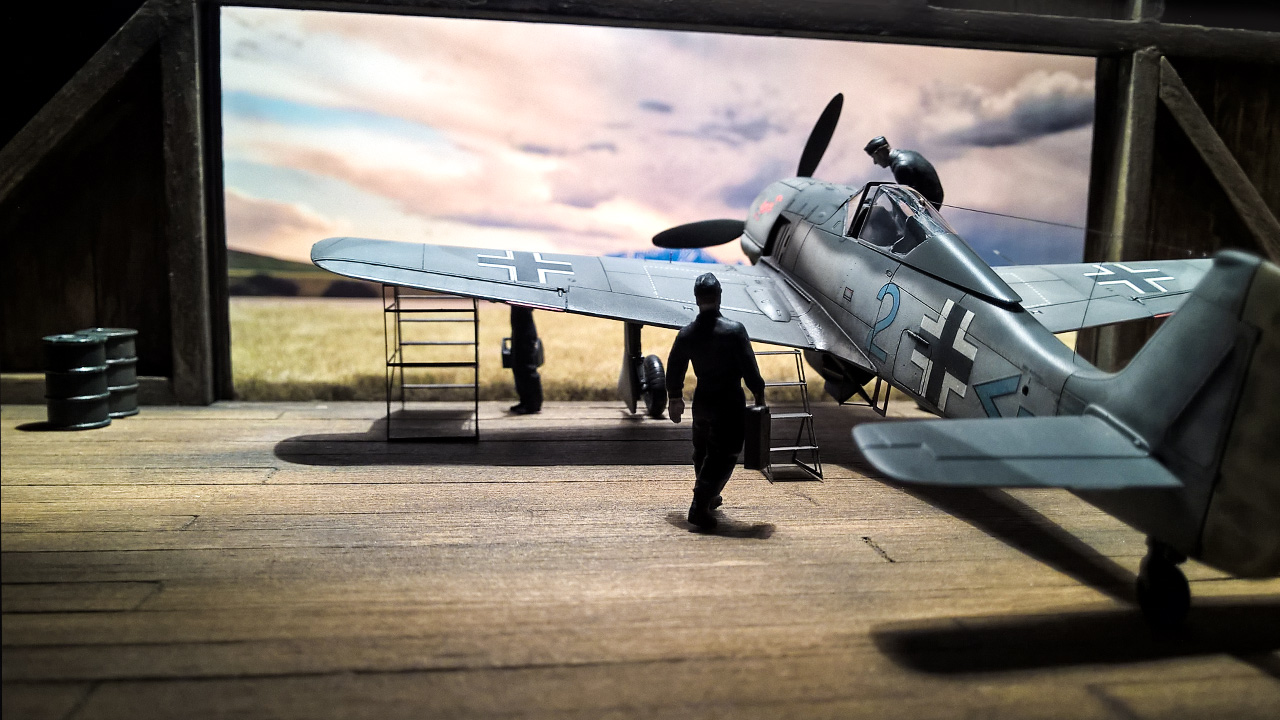
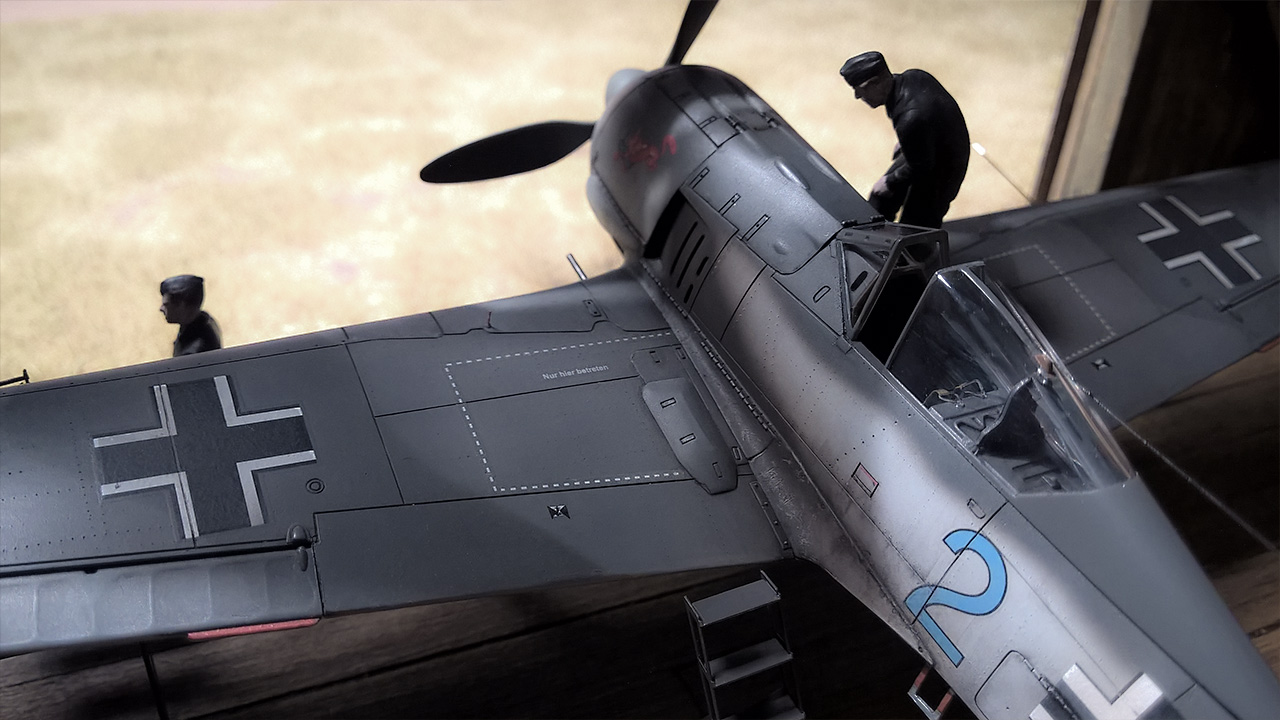
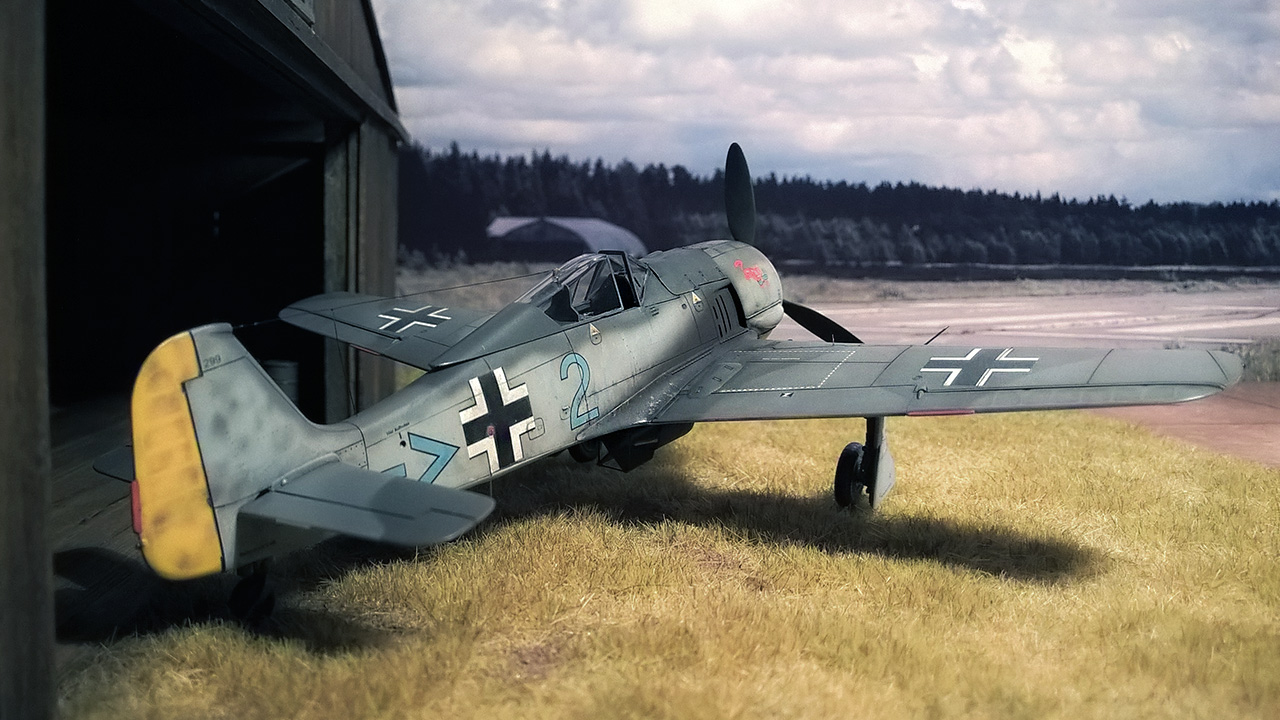
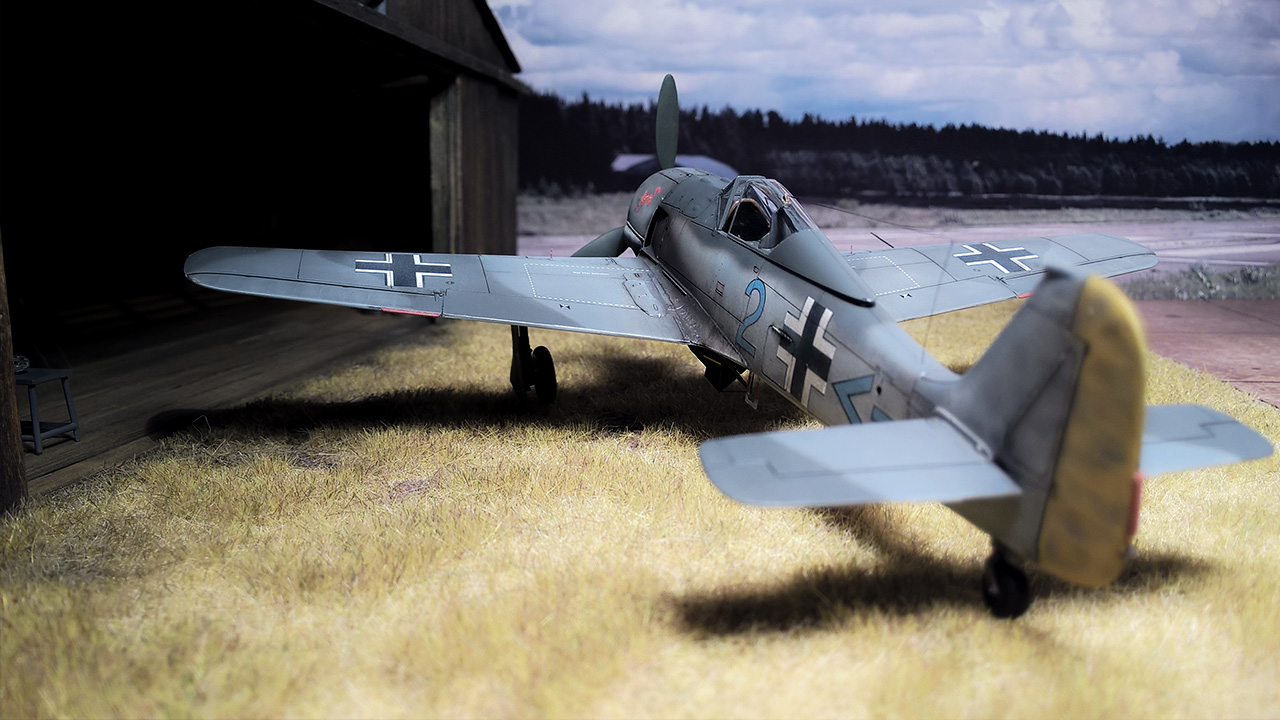
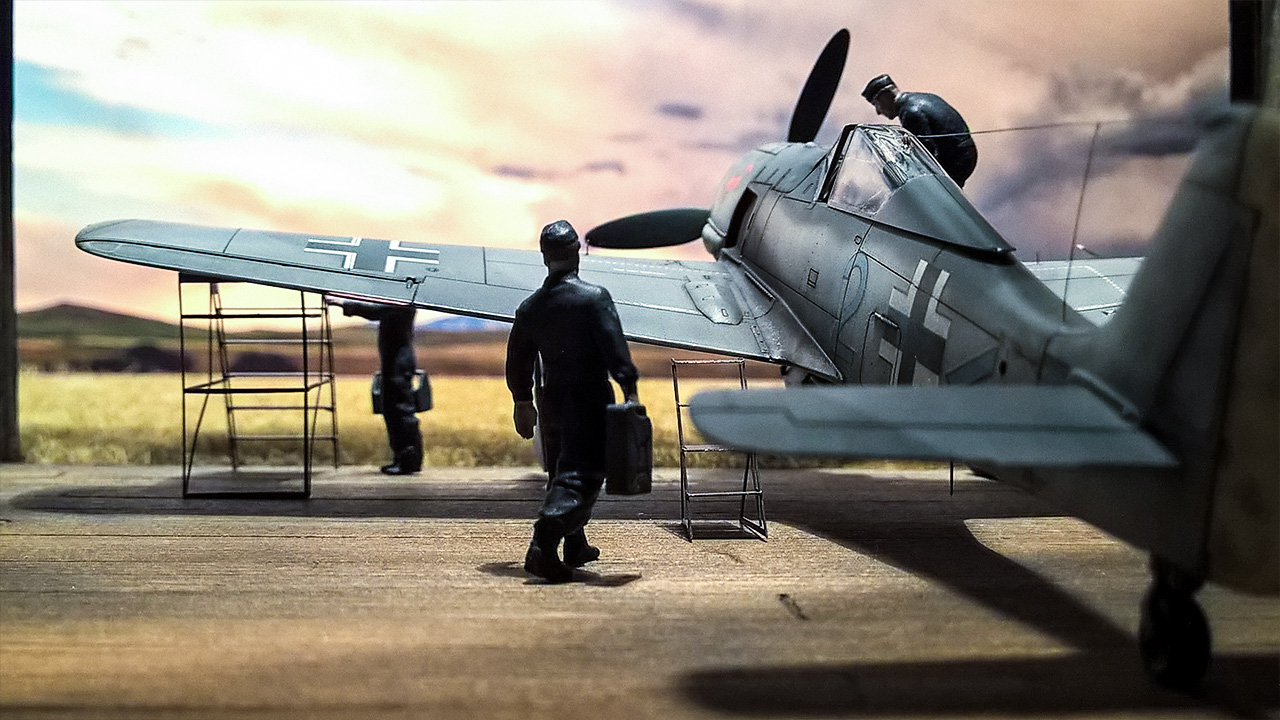
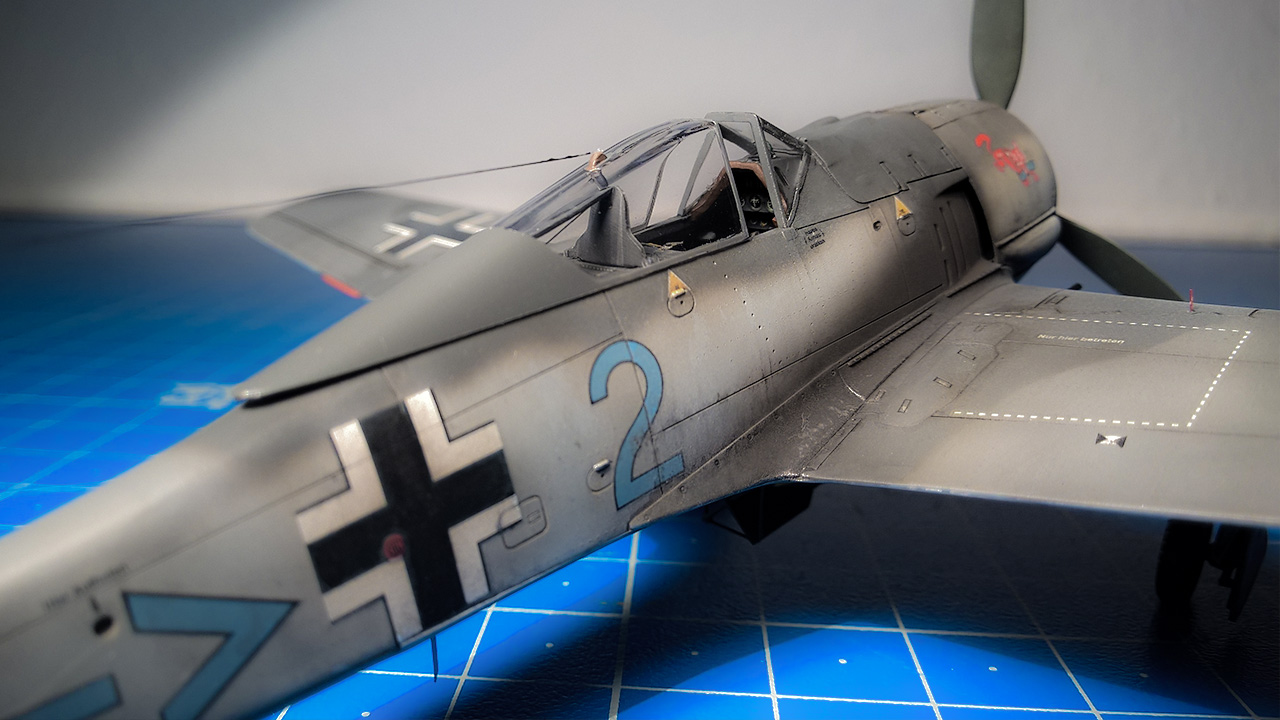
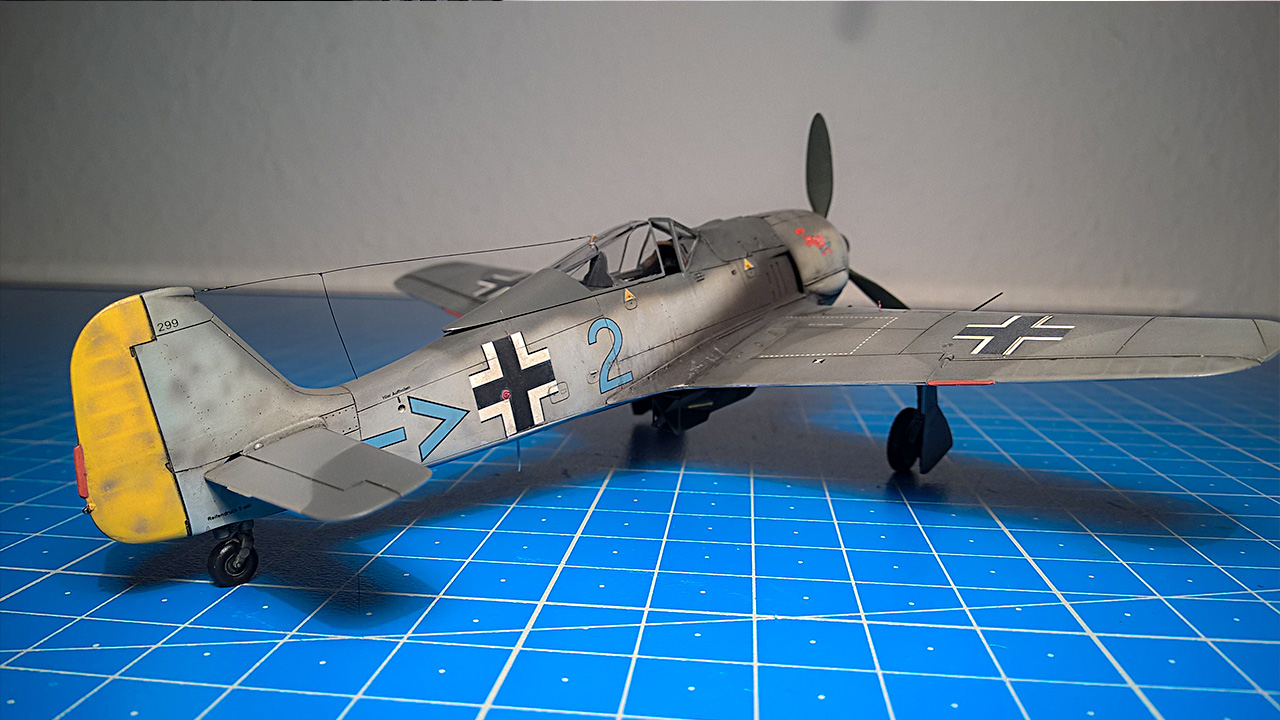
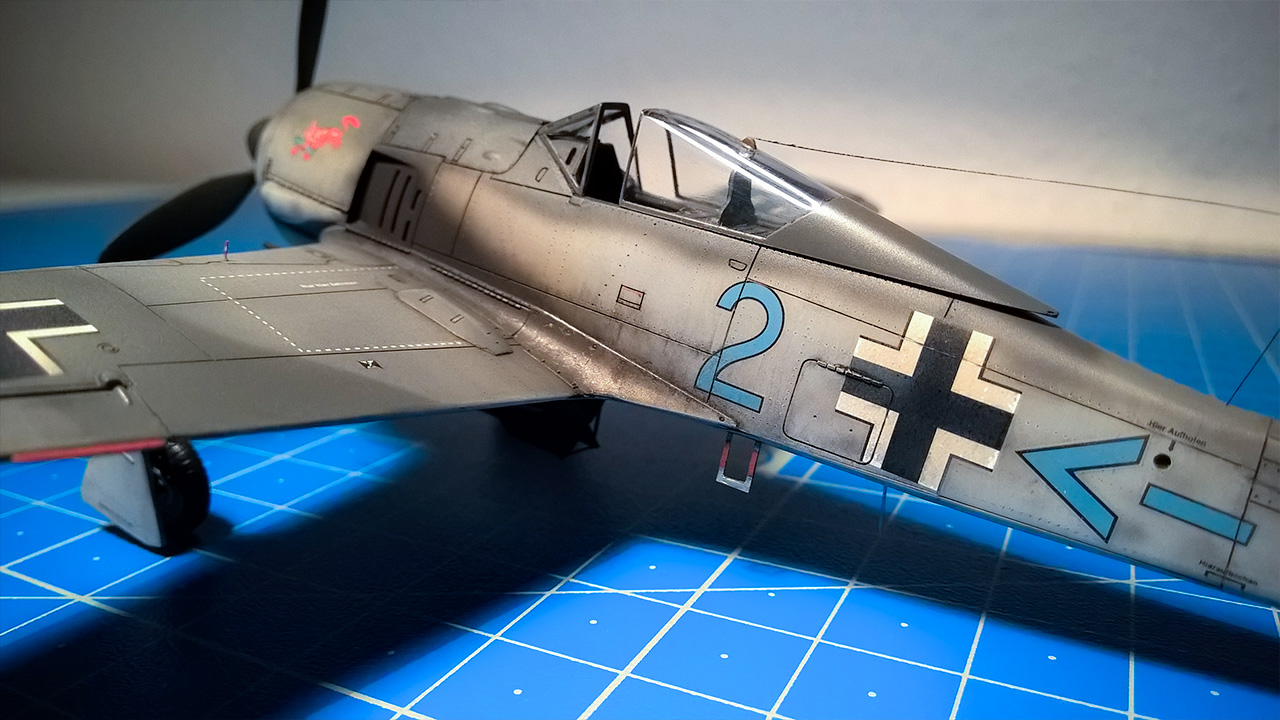
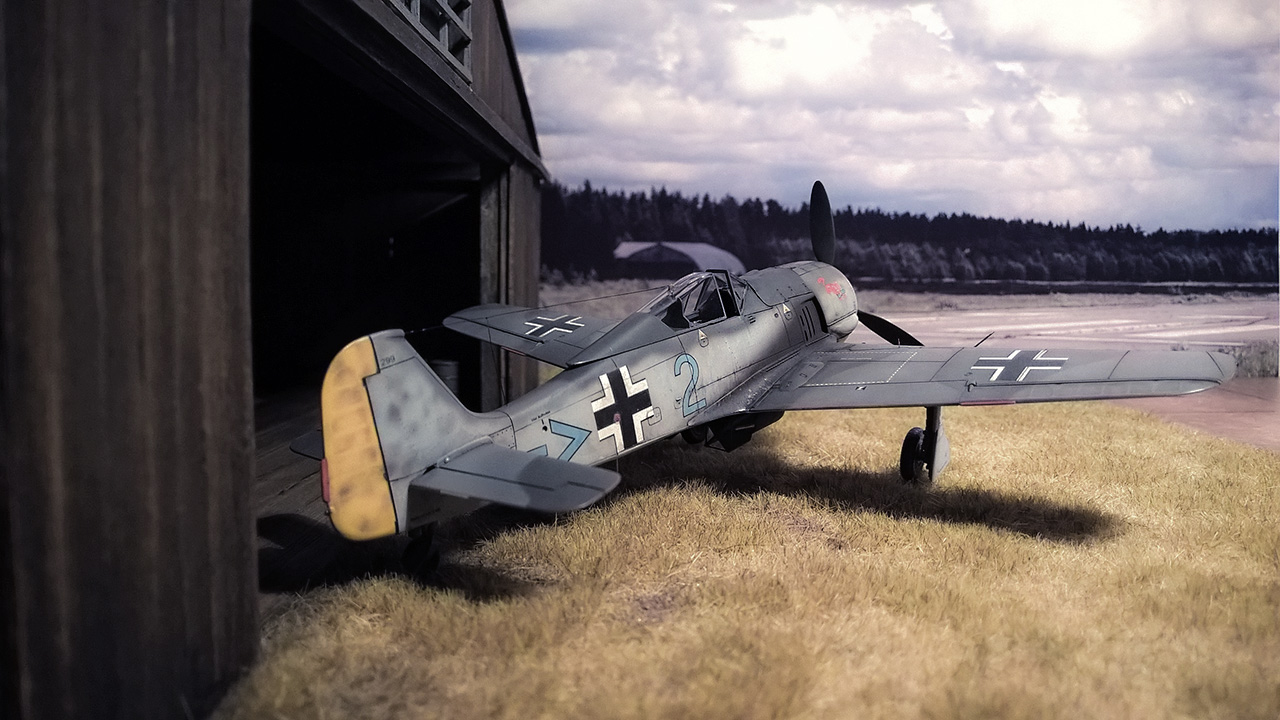
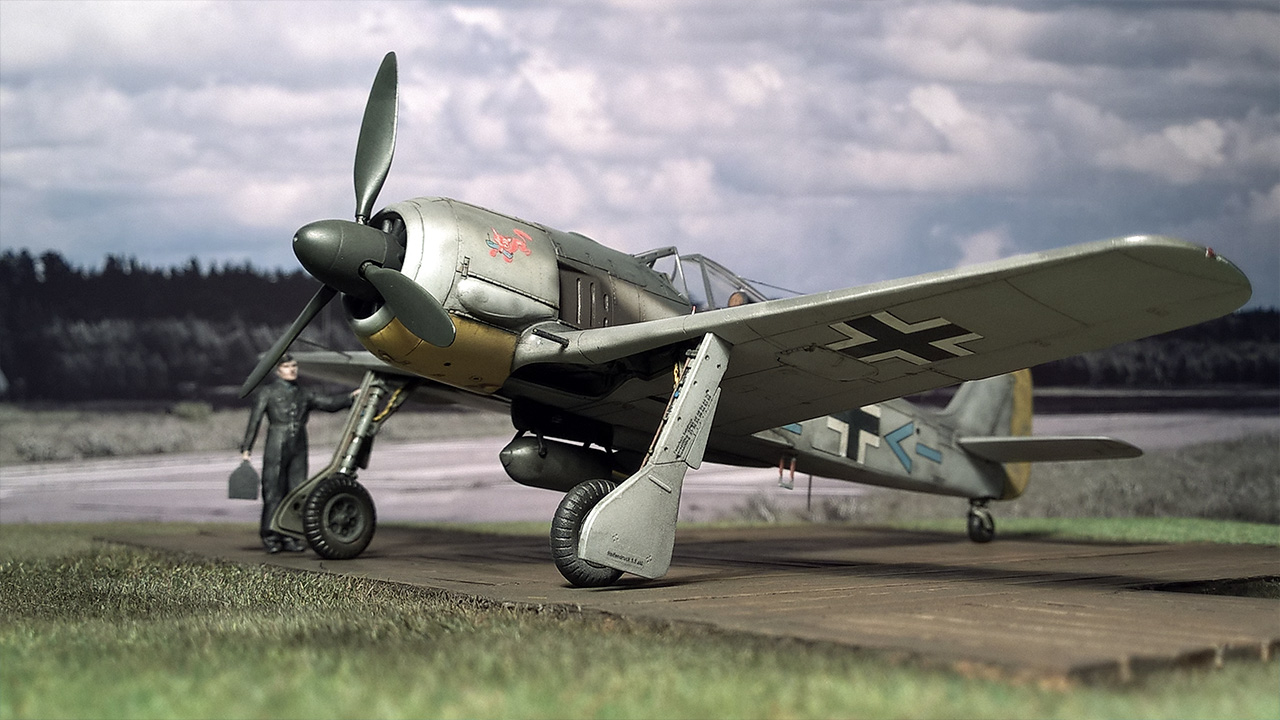
On 19 August 1942 — the same morning Allied forces launched Operation Jubilee, the Dieppe Raid — Oberleutnant Leopold "Poldi" Wenger's Fw 190 never left the ground at Caen-Carpiquet. During his takeoff run the aircraft failed to get airborne and crashed at the end of the runway. The Dieppe operation drew every fighter unit in the area into a brutal day of combat, making it one of the most intense air battles over the Channel since the Battle of Britain. Wenger, though removed from that fight by misfortune, survived the crash without serious injury. He continued serving until the final weeks of the war, his life ending on 10 April 1945 — less than a month before Germany's surrender. The aircraft depicted is technically an A-3 but was decorated with markings more characteristic of the A-2 variant, a detail well documented in the Kagero source material.
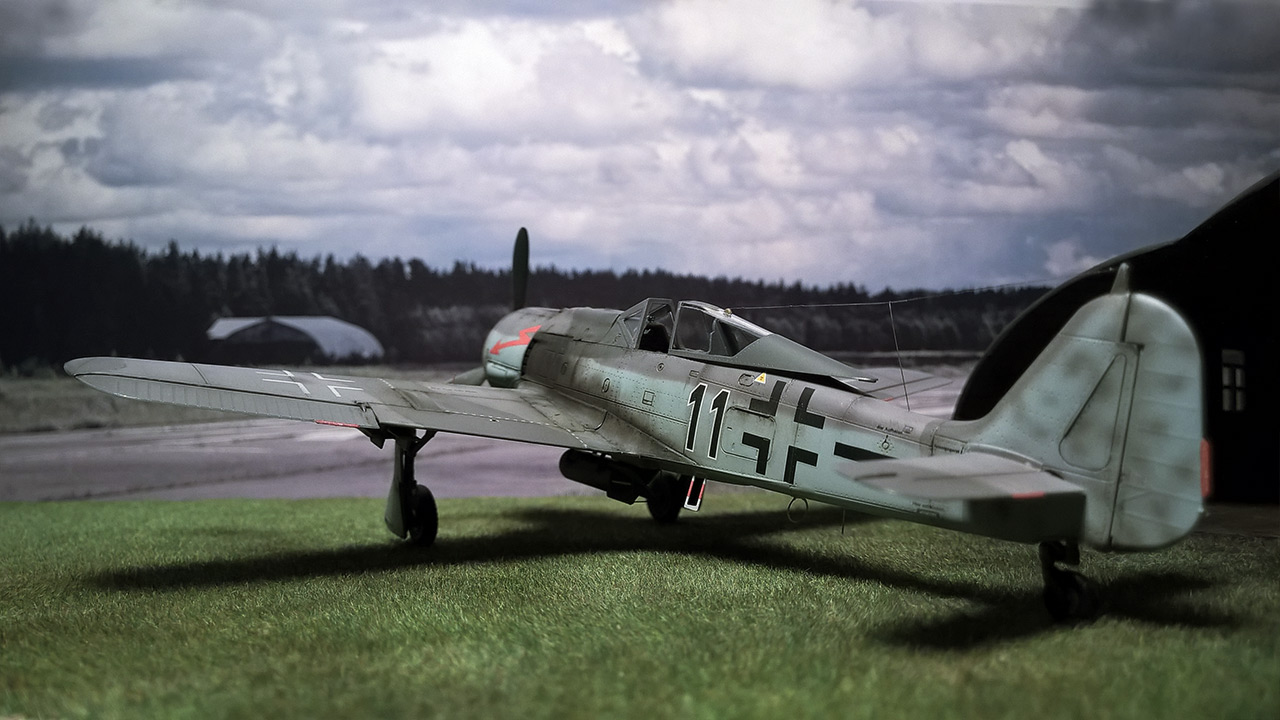
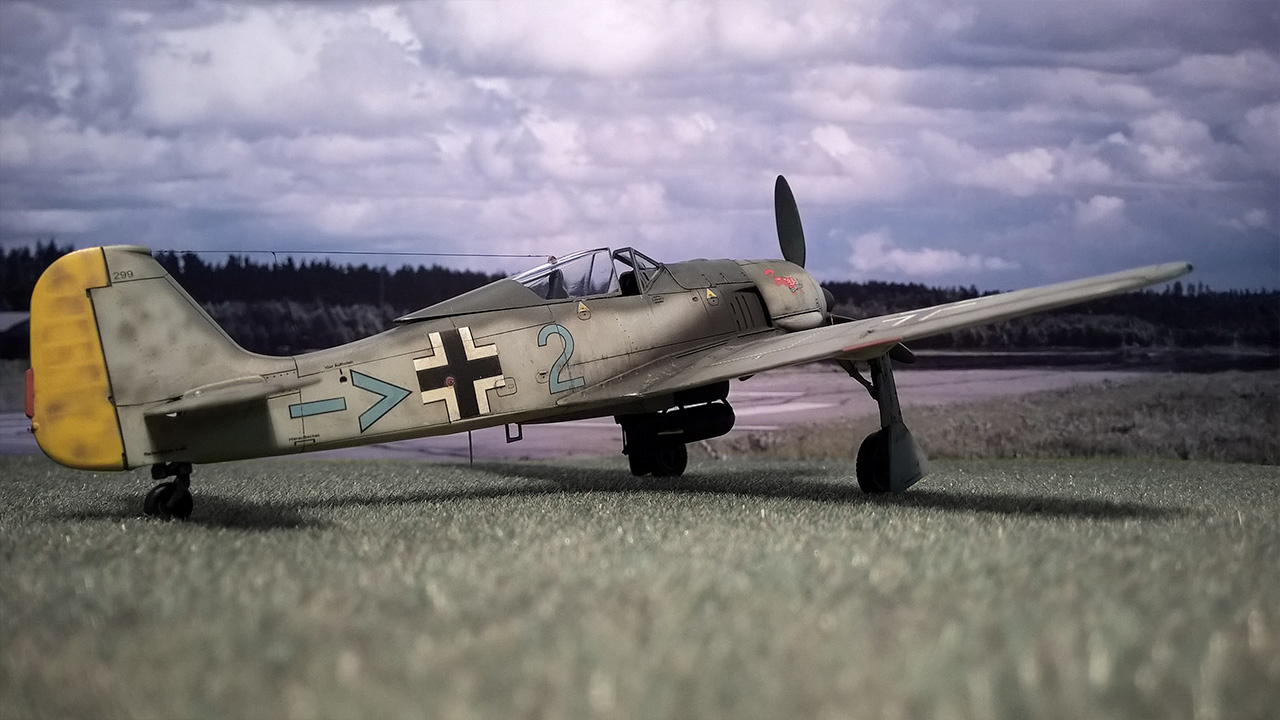
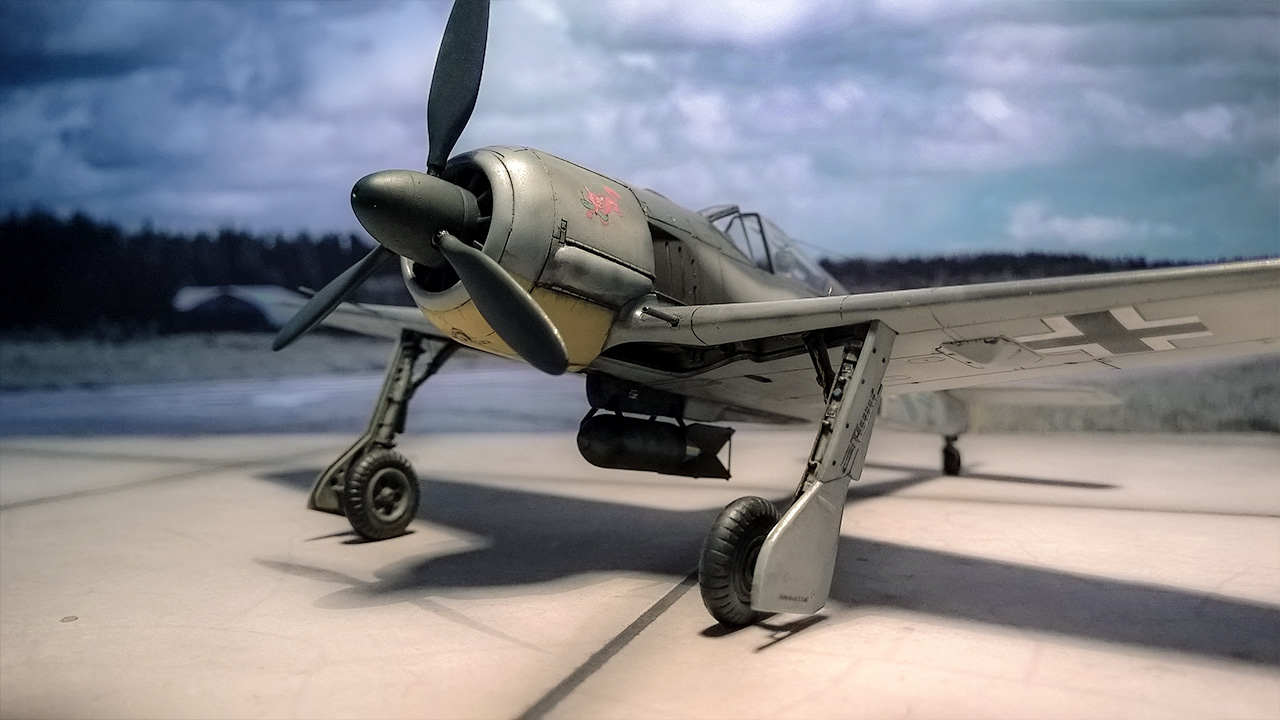
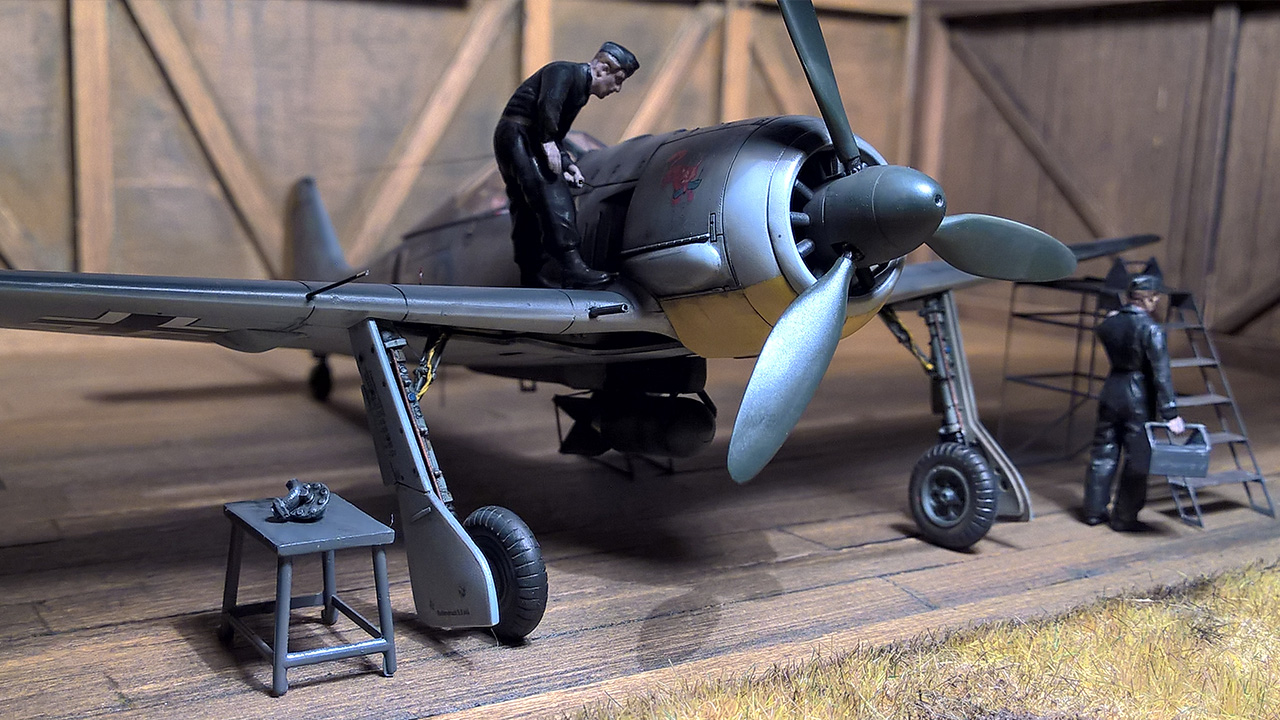
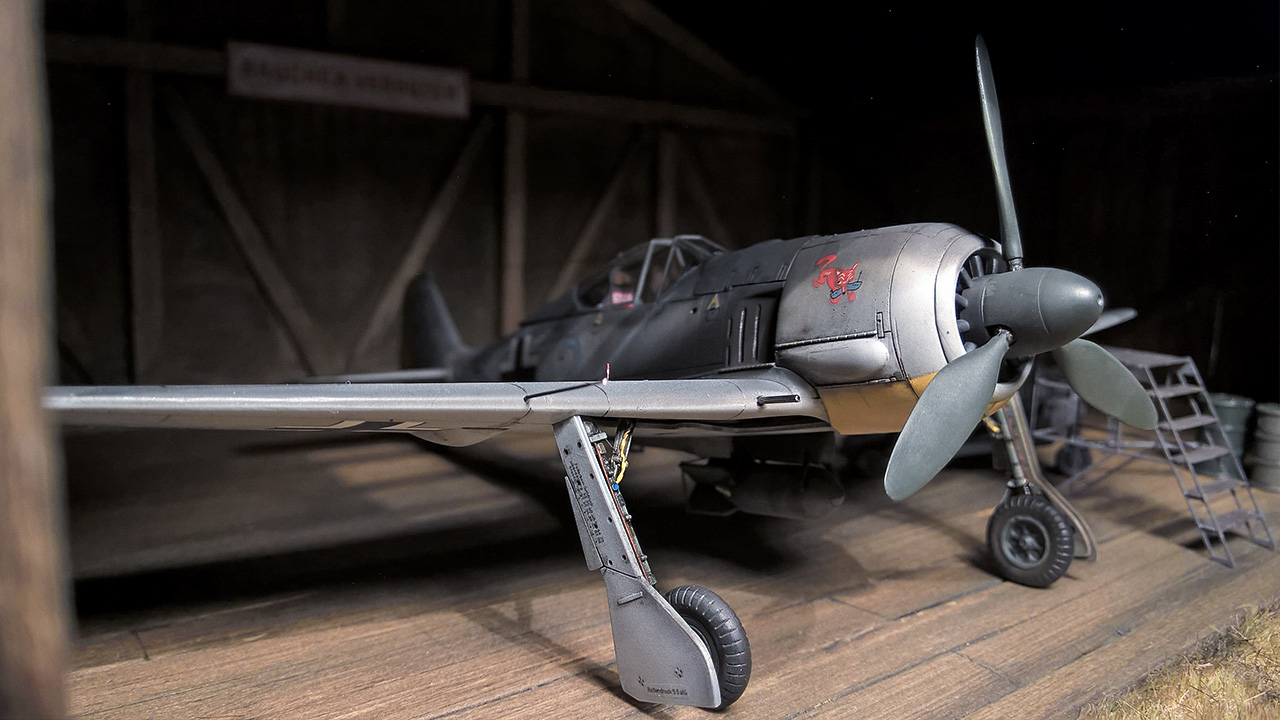
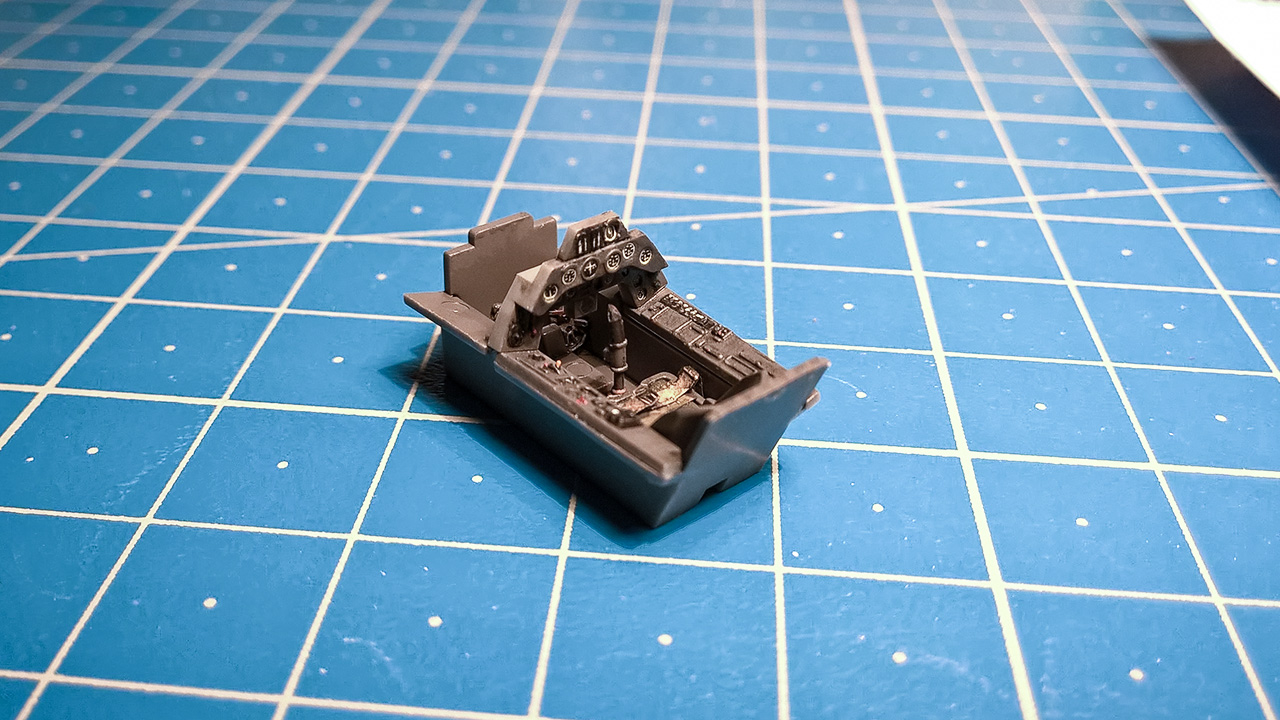
The kit is Tamiya's 1/72 Fw 190 A-3, a tooling that represents exactly what you expect from the manufacturer: clean surface detail, well-fitting parts, and a straightforward build sequence that rewards methodical work. The bomb rack is a Revell part and the SC 500 bomb itself is an Eduard resin piece, together giving the model a distinctly mission-ready, ground-attack appearance. The external wing armament was deliberately removed to match the configuration recorded in the source photographs. Decals came from the Kagero Topcolors sheet No. 15038, "FW 190s over Europe Part II" — a well-researched publication with high-quality Cartograf-printed markings and detailed colour profiles, and the same series used on a number of builds across this collection.
This build served as a deliberate test bed for two items of new kit. The Trumpeter rivet-maker tool was evaluated here for the first time: a simple but effective device that runs along panel lines and stamps uniform rivet impressions into the plastic — the results are visible in the close-up photography and hold up well at this scale. The second experiment was a budget Chinese airbrush, a 0.2 mm gravity-feed unit purchased for around €20. Gunze (Mr. Color) paints were used throughout, which behave reliably through small nozzle apertures, and the airbrush performed competently for base coat and camouflage work — not without its quirks, but a convincing proof of concept that capable results do not require expensive equipment.
01
02
03
04
05
06
07
08
09
10
11
12
13
14
15
16