Luftwaffe · JG 5 "Eismeer" · Norway

Fw-190
A8 Artner

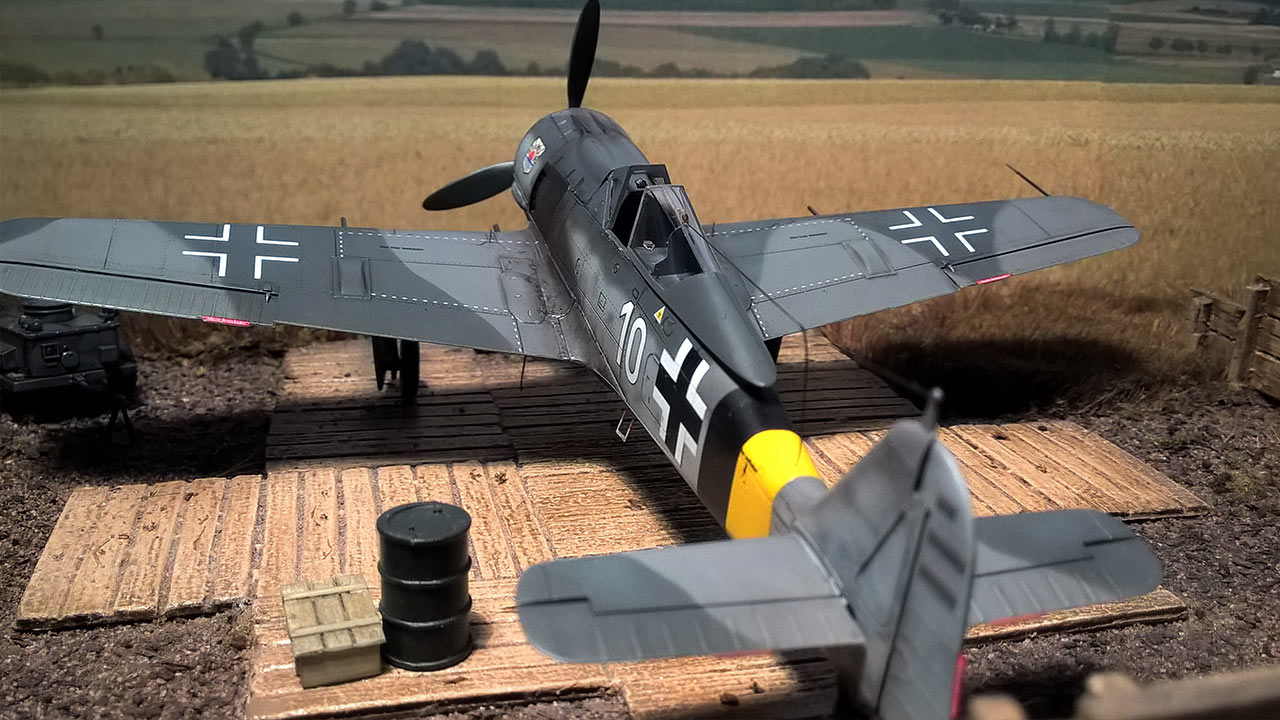
Eduard ProfiPack · 1/72 Scale · "White 10"
Luftwaffe 1 / 72 Eduard ProfiPack JG 5 Norway Advanced
Kit
Eduard ProfiPack Fw-190 A8 1/72
Scale
1 / 72
Nation
Luftwaffe · JG 5 Eismeer
Theatre
Norway
Photos
14 Images
Build Report

About This Build


The Subject

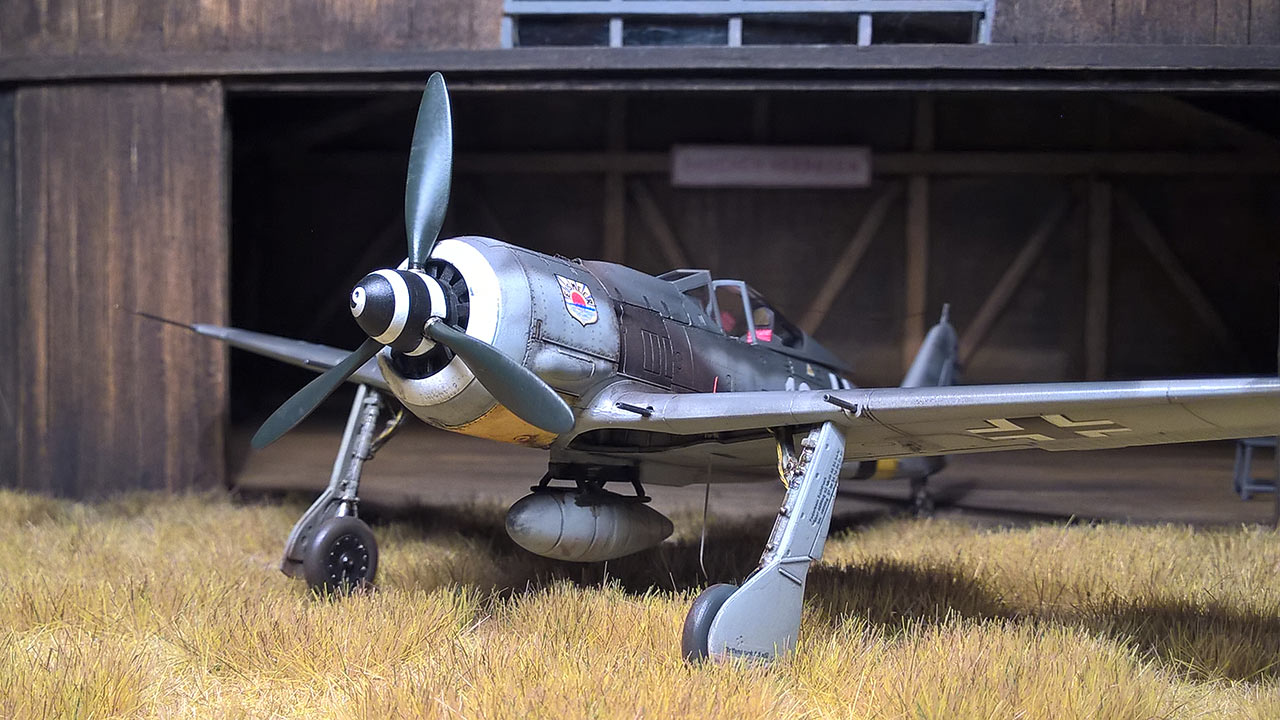
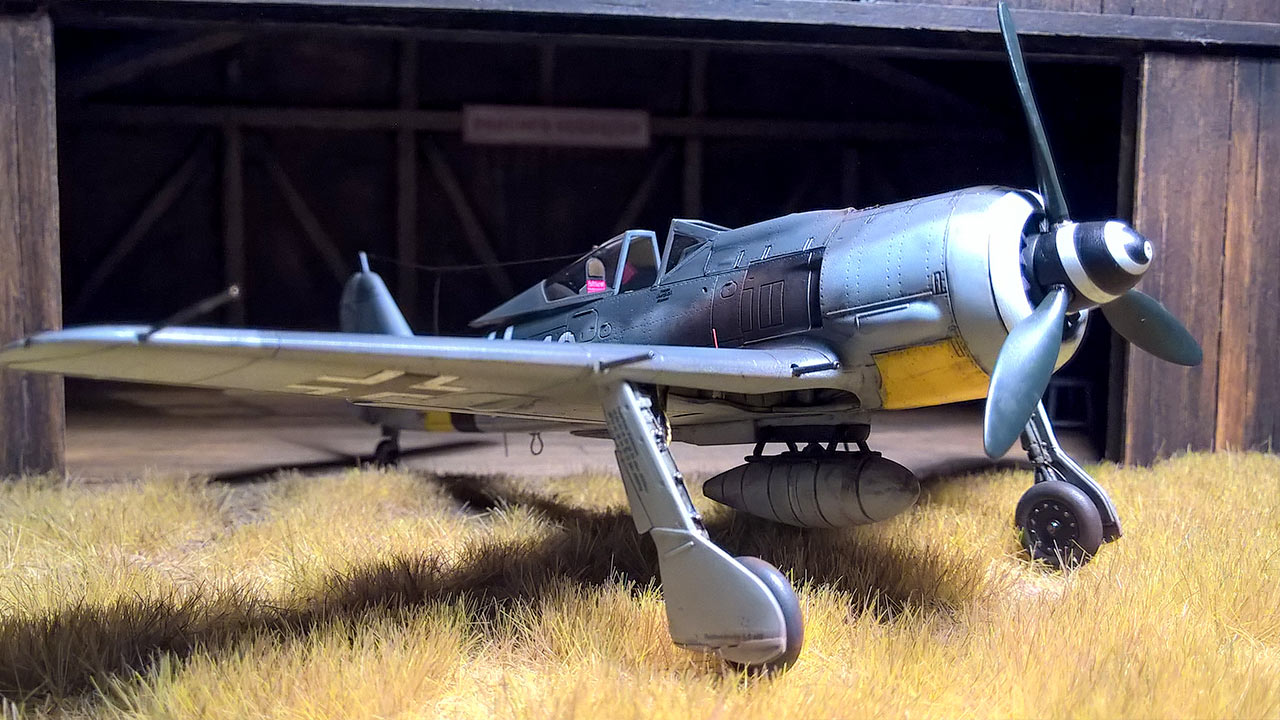
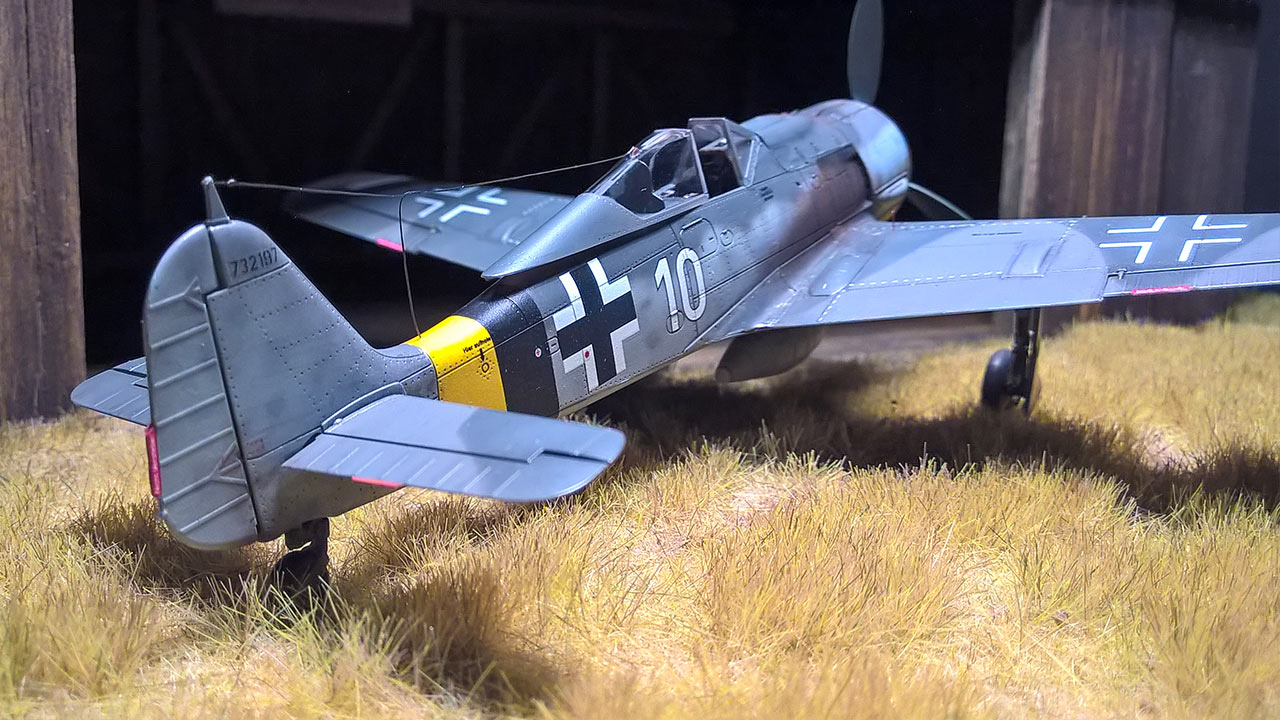
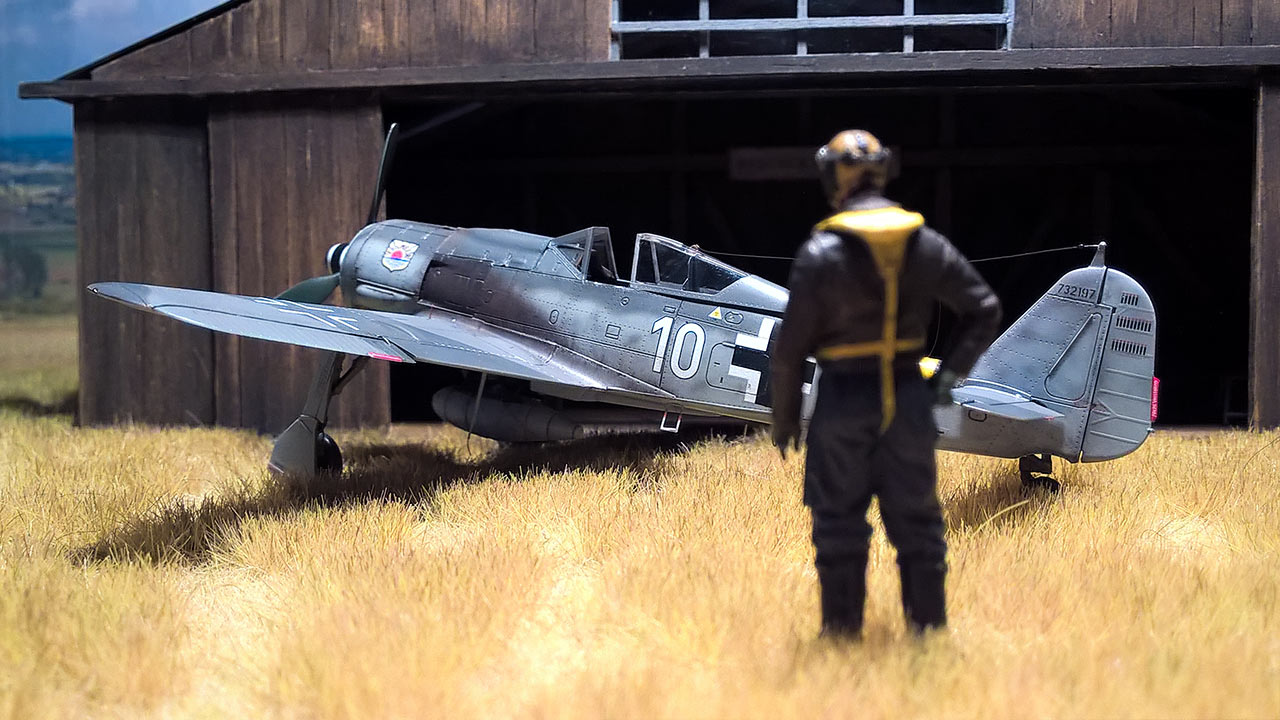
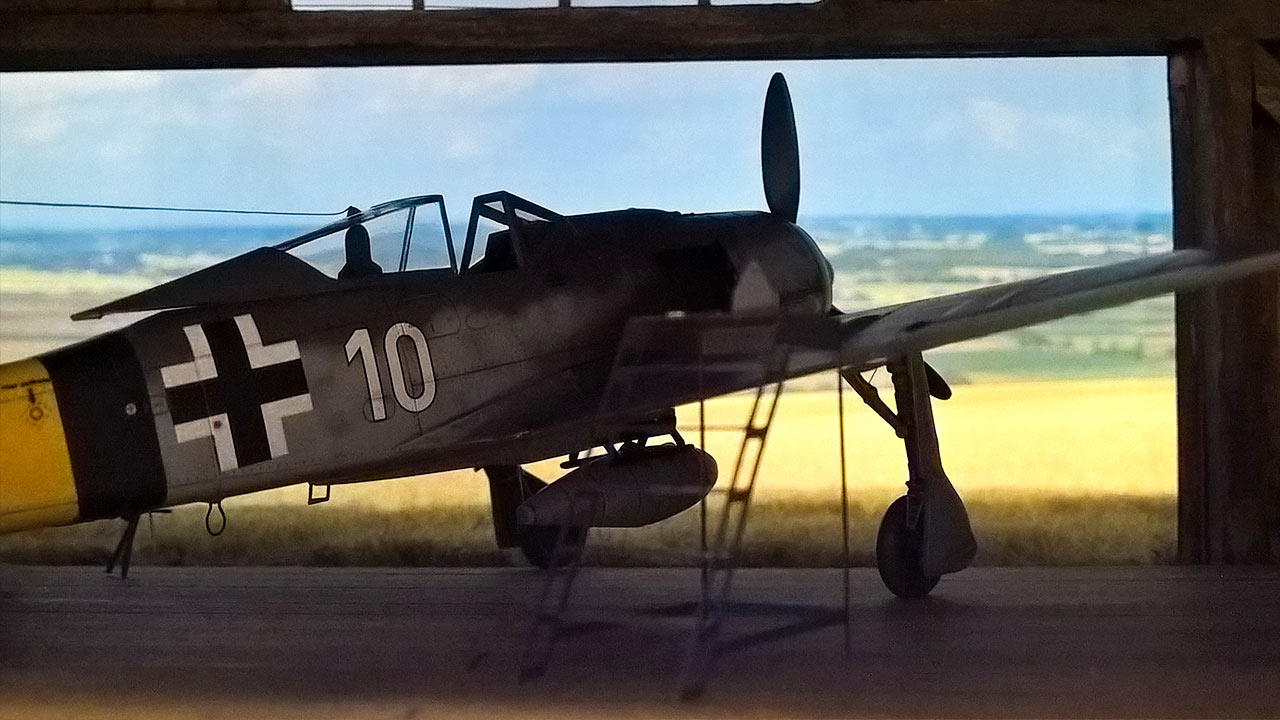
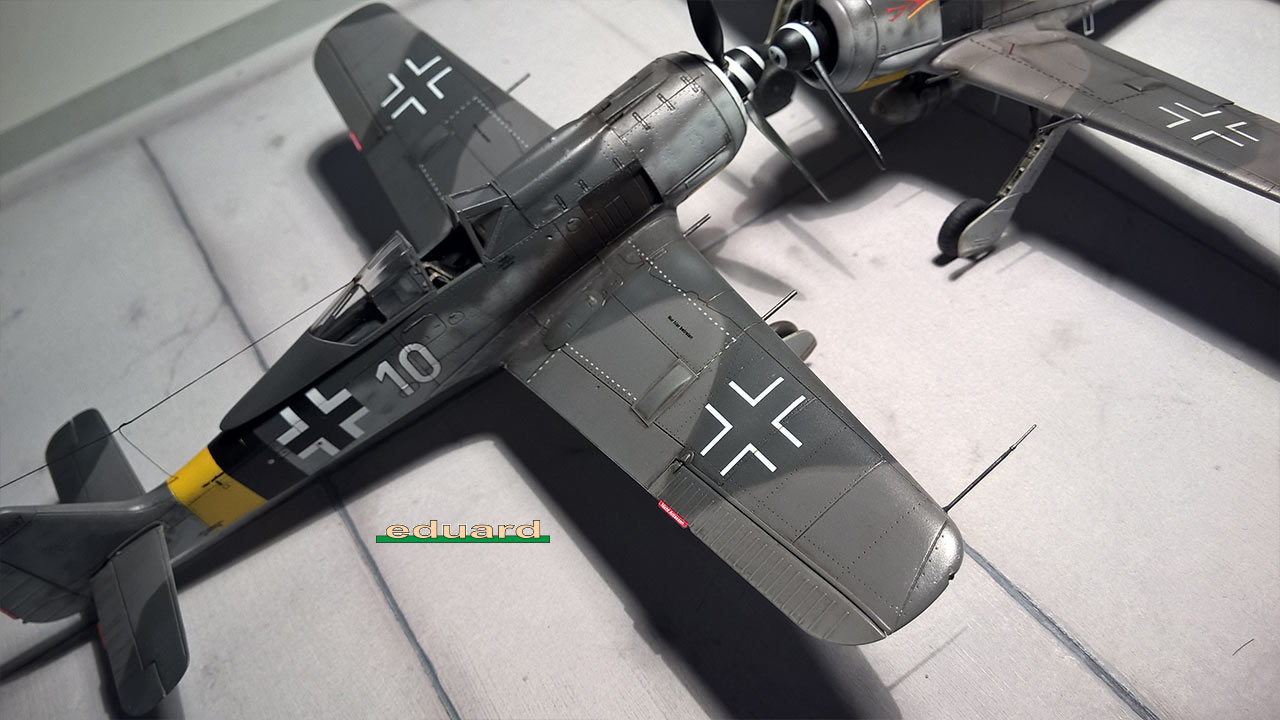
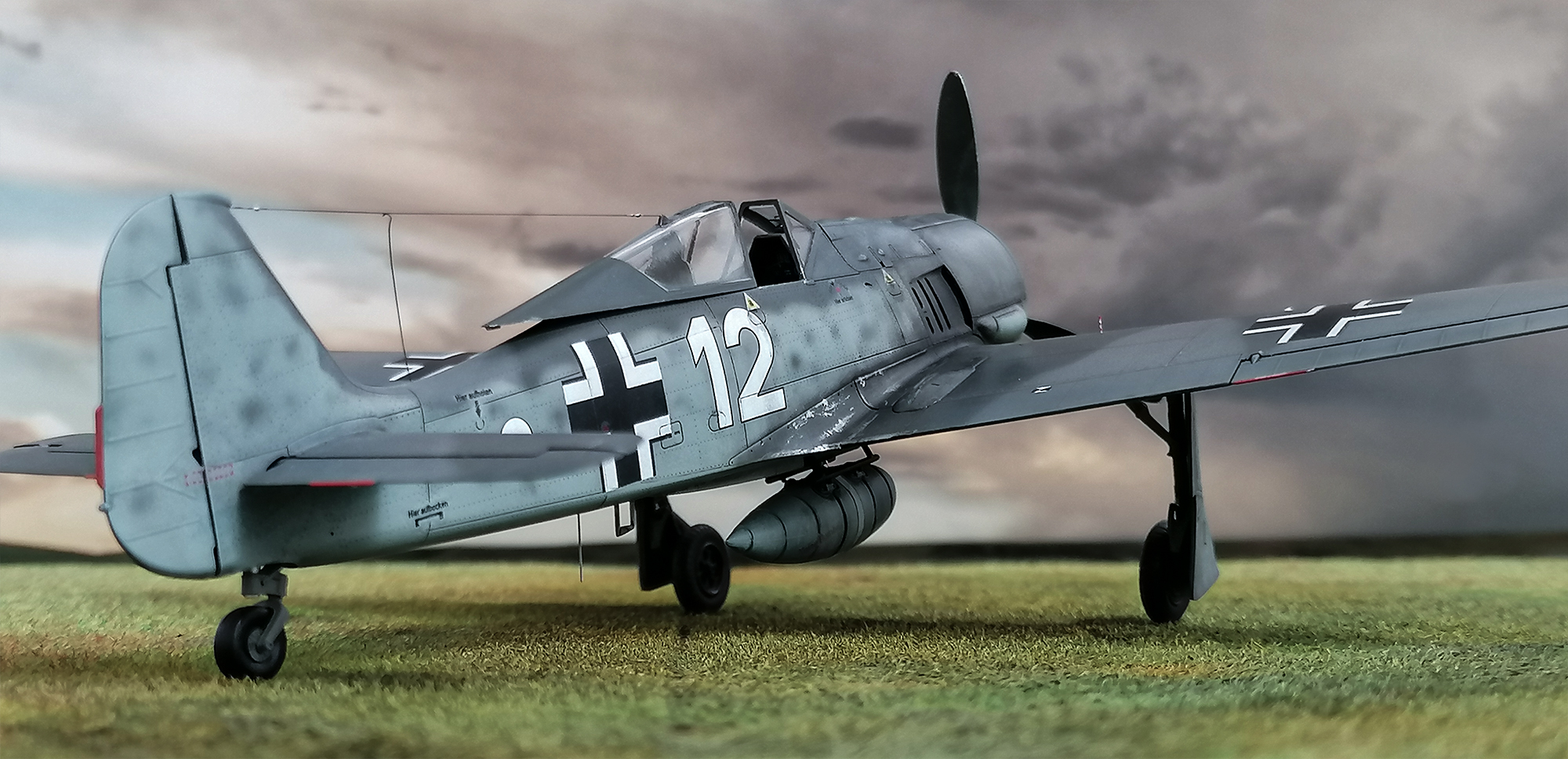
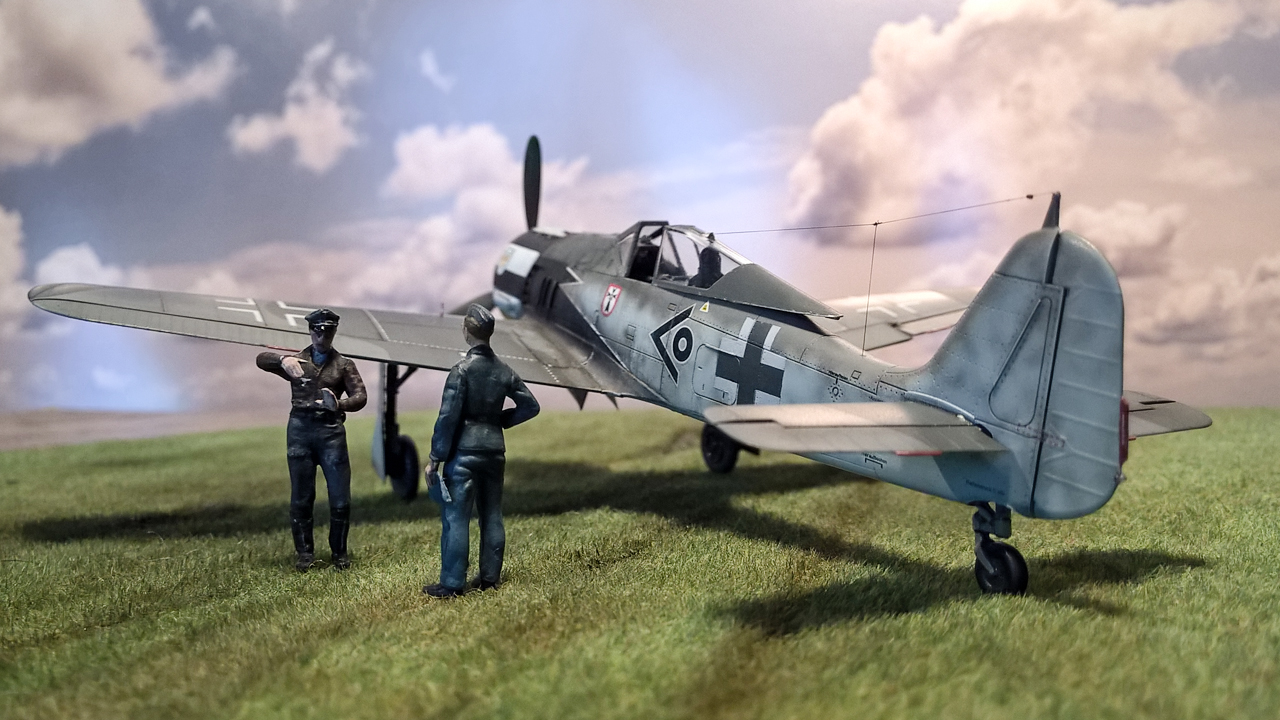
Jagdgeschwader 5 "Eismeer" — the Ice Sea Fighter Wing — operated from bases scattered across occupied Norway and Finland throughout the war, tasked with the defence of the Arctic supply routes and the interception of Allied convoys bound for Soviet ports. Flying in conditions that would ground most units, JG 5 pilots faced sub-zero temperatures, perpetual darkness in winter, and featureless terrain that made navigation and recovery as lethal as enemy action. Rudolph Artner flew his Fw 190 A-8 "White 10" from these unforgiving northern stations, the aircraft wearing the dark, muted tones of late-war Luftwaffe camouflage — a fighter built for a theatre where survival itself demanded quiet efficiency.

The Kit

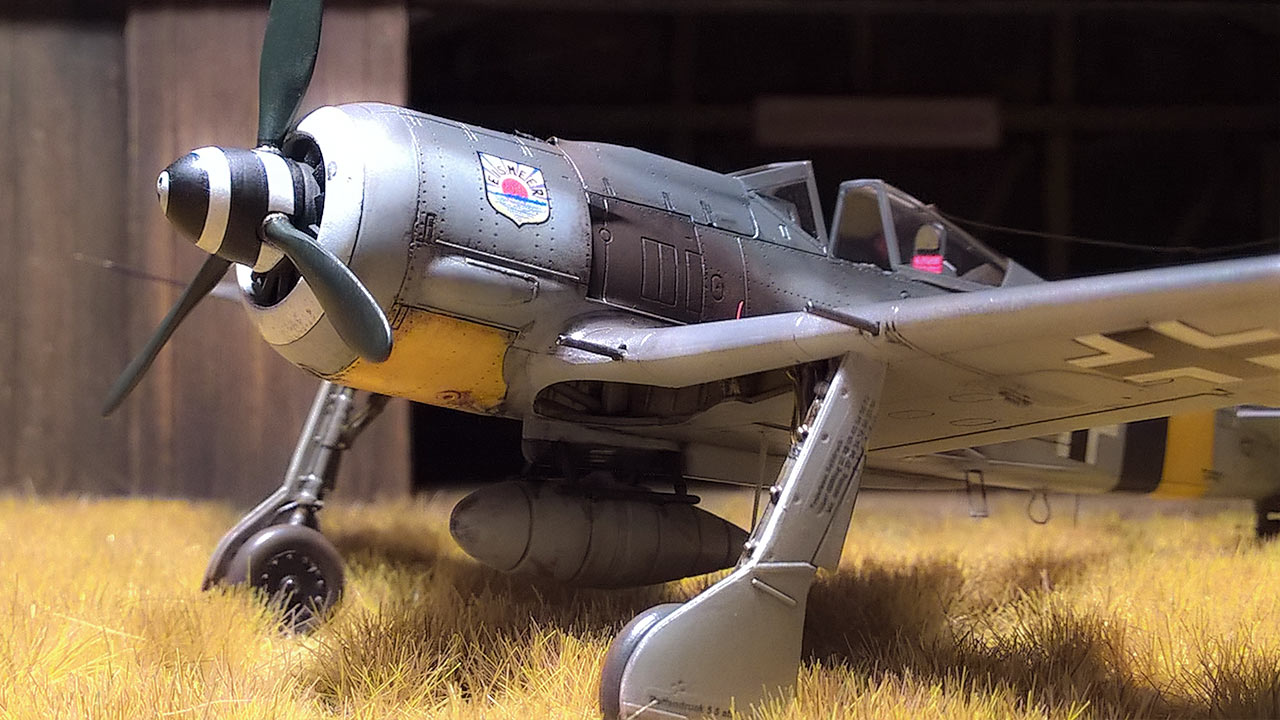
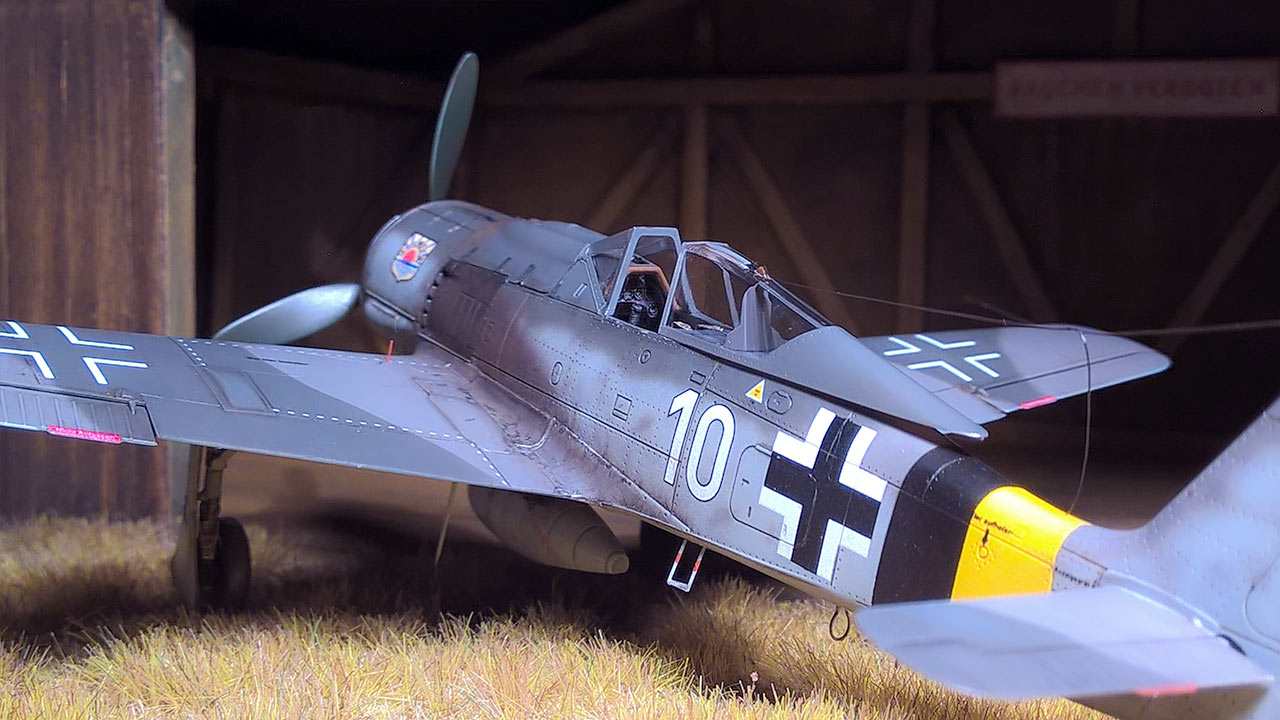
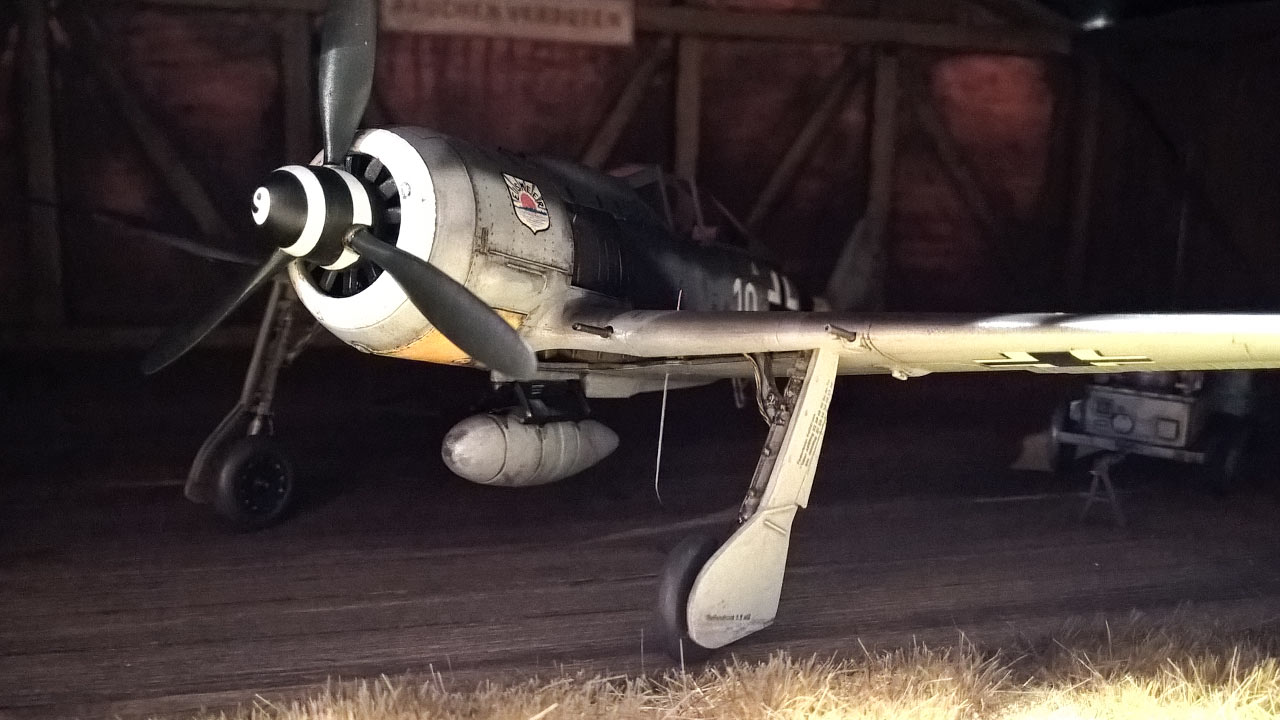
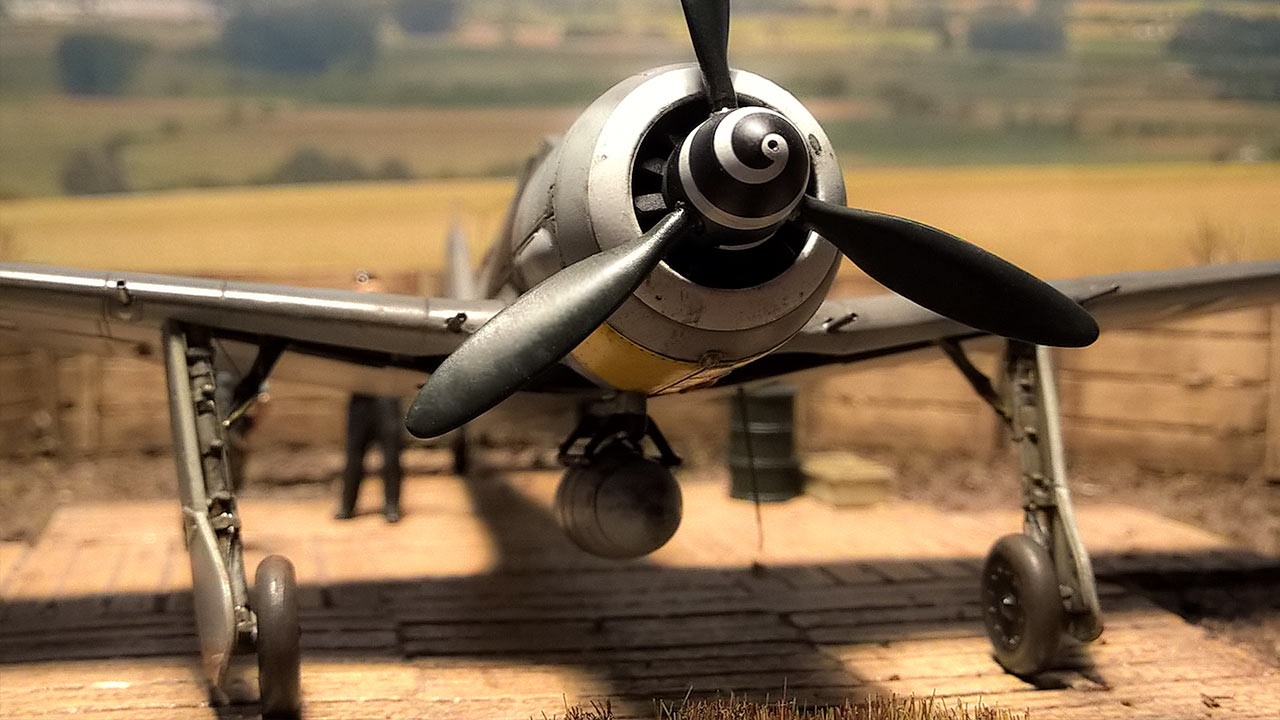
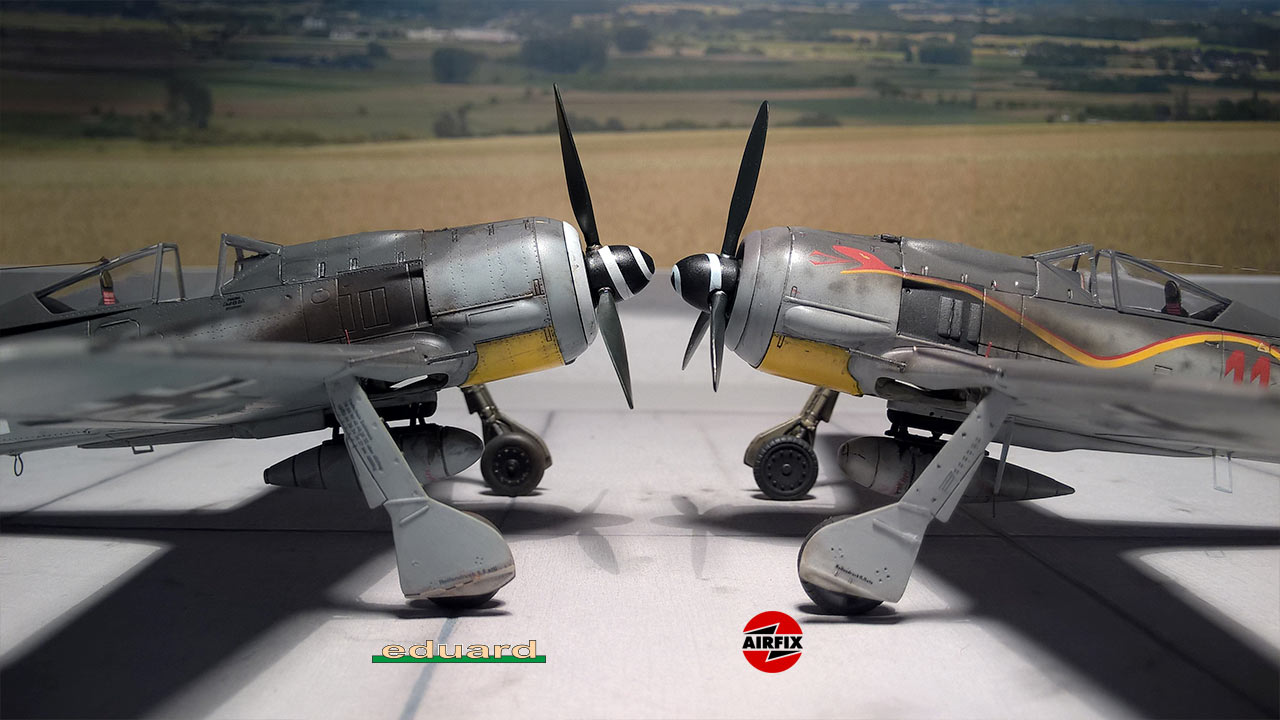
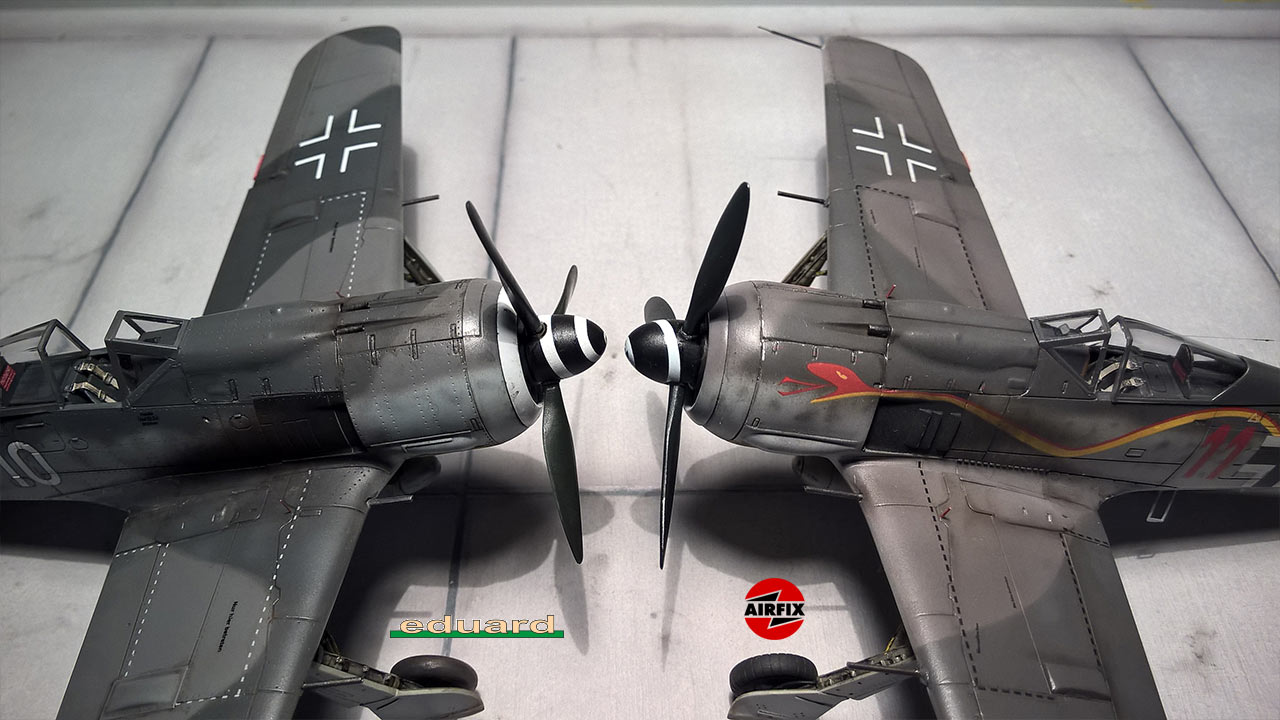
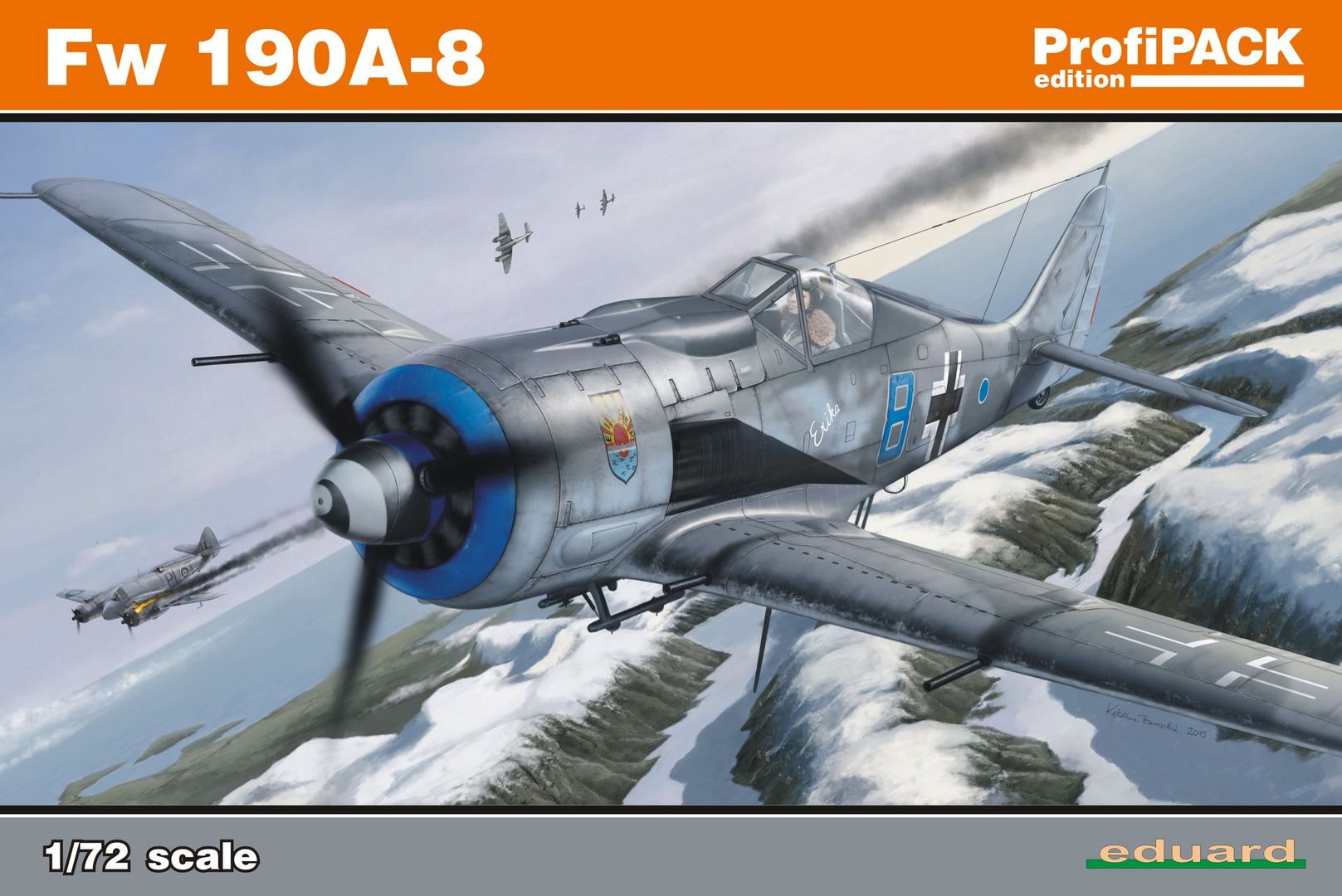
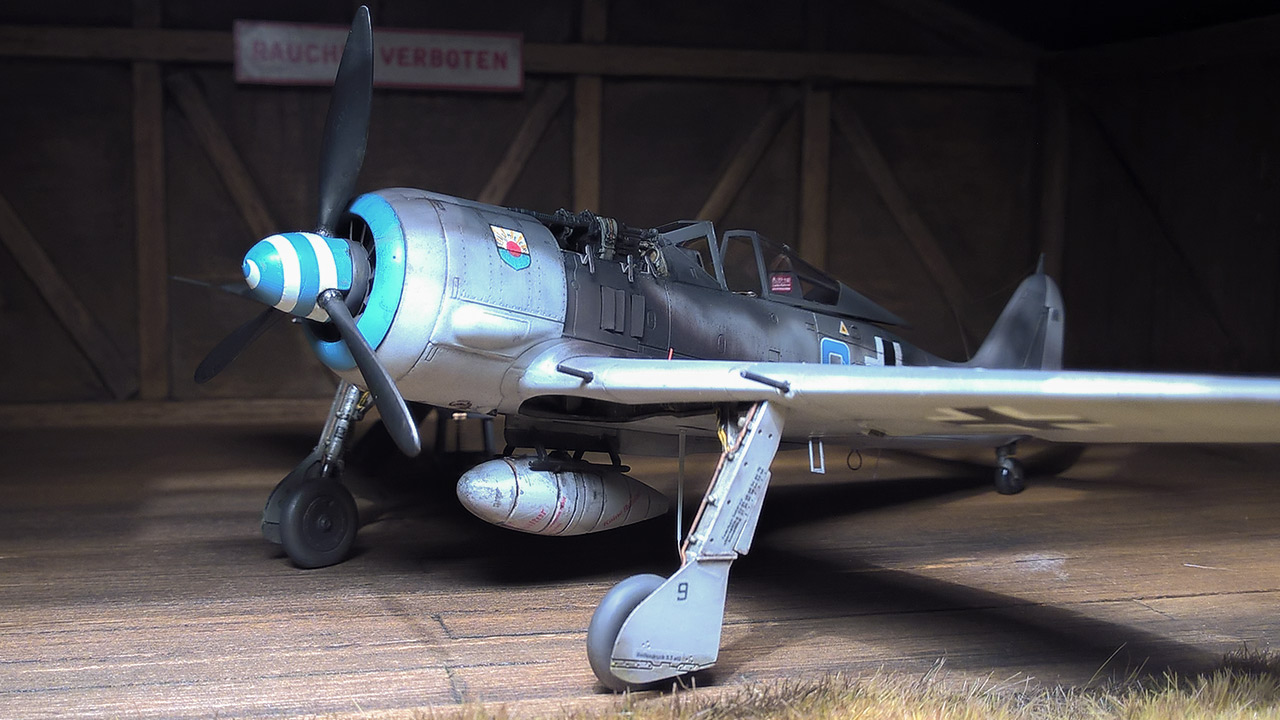
The Eduard ProfiPack Fw-190 A-8 in 1/72 scale occupies a unique place in the history of small-scale modelling. At the time of its release it was the first 1/72 Fw-190 kit to feature fully engraved rivet detail — a level of surface fidelity that earned it the unofficial title of "1/72 Revolution" among modellers. This build took approximately 40 hours spread across three weeks, and the kit repays every hour invested. The ProfiPack edition includes a full photo-etched detail set covering cockpit, undercarriage bays, and control surfaces, demanding patience and precision handling of parts that push the limits of comfortable 1/72 assembly. Eduard market this kit as suited to advanced modellers only, and the assessment is honest: the fit tolerances and PE density require experience and a methodical approach. The reward is a model that looks — and deserves to be called — the most beautiful Fw-190 A-8 kit on the market.

Colours & Markings

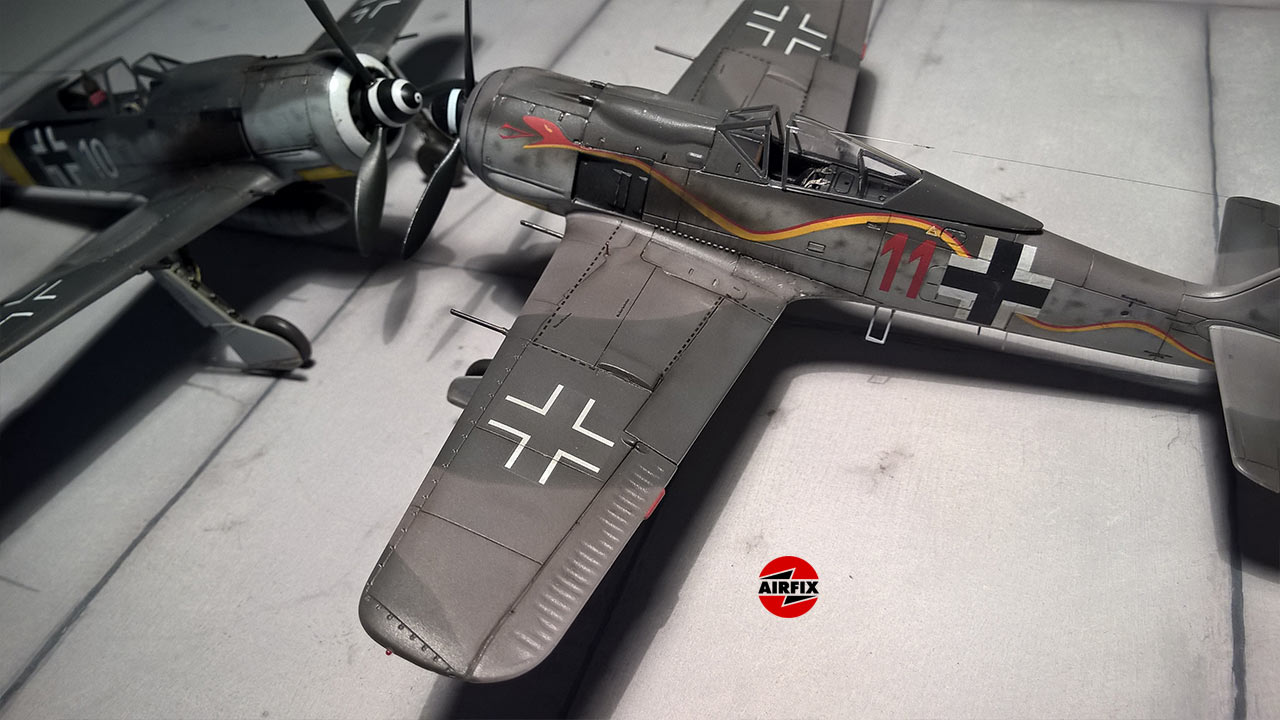
The colour scheme follows the standard late-war Luftwaffe upper-surface scheme, applied using Mr. Hobby Aqueous paints throughout. H68 RLM 74 Graugrün and H69 RLM 75 Grauviolett form the hard-edged disruptive pattern on the upper surfaces, with H417 RLM 75 used for the mottled flanks — a slightly cooler and more violet reading that gives the flanks a different character from the upper tone. H70 RLM 02 was used for interior surfaces and undercarriage bay details. Exhaust weathering was handled with the MIG Airplanes Engines & Exhausts set #7420, whose pigment-based washes and streaking agents produced dense, heat-stained oxide deposits around the exhaust stacks and realistic oil and carbon streaking aft — critical detail on a subject where the BMW 801 radial's exhaust staining was both heavy and distinctive.