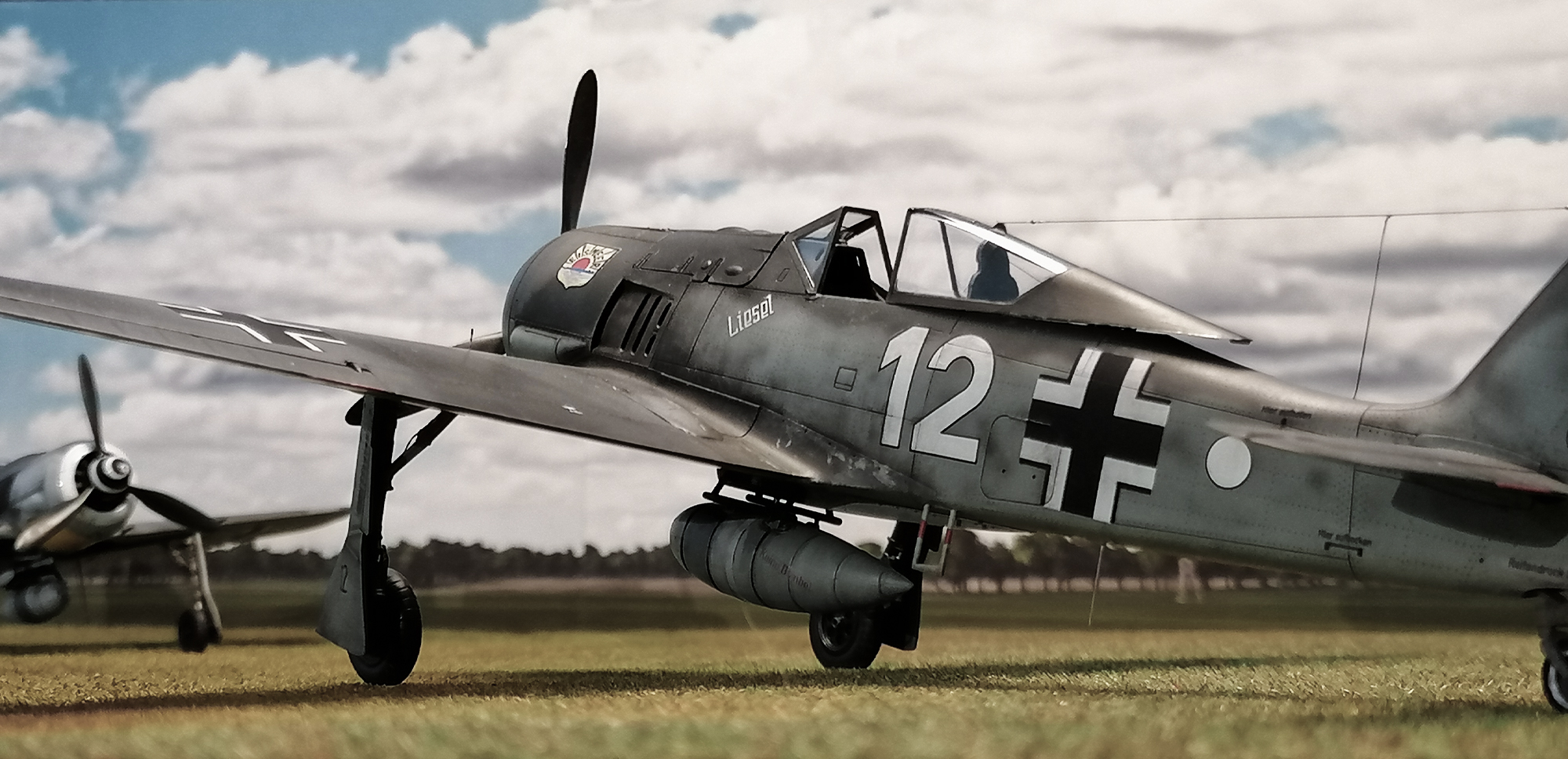
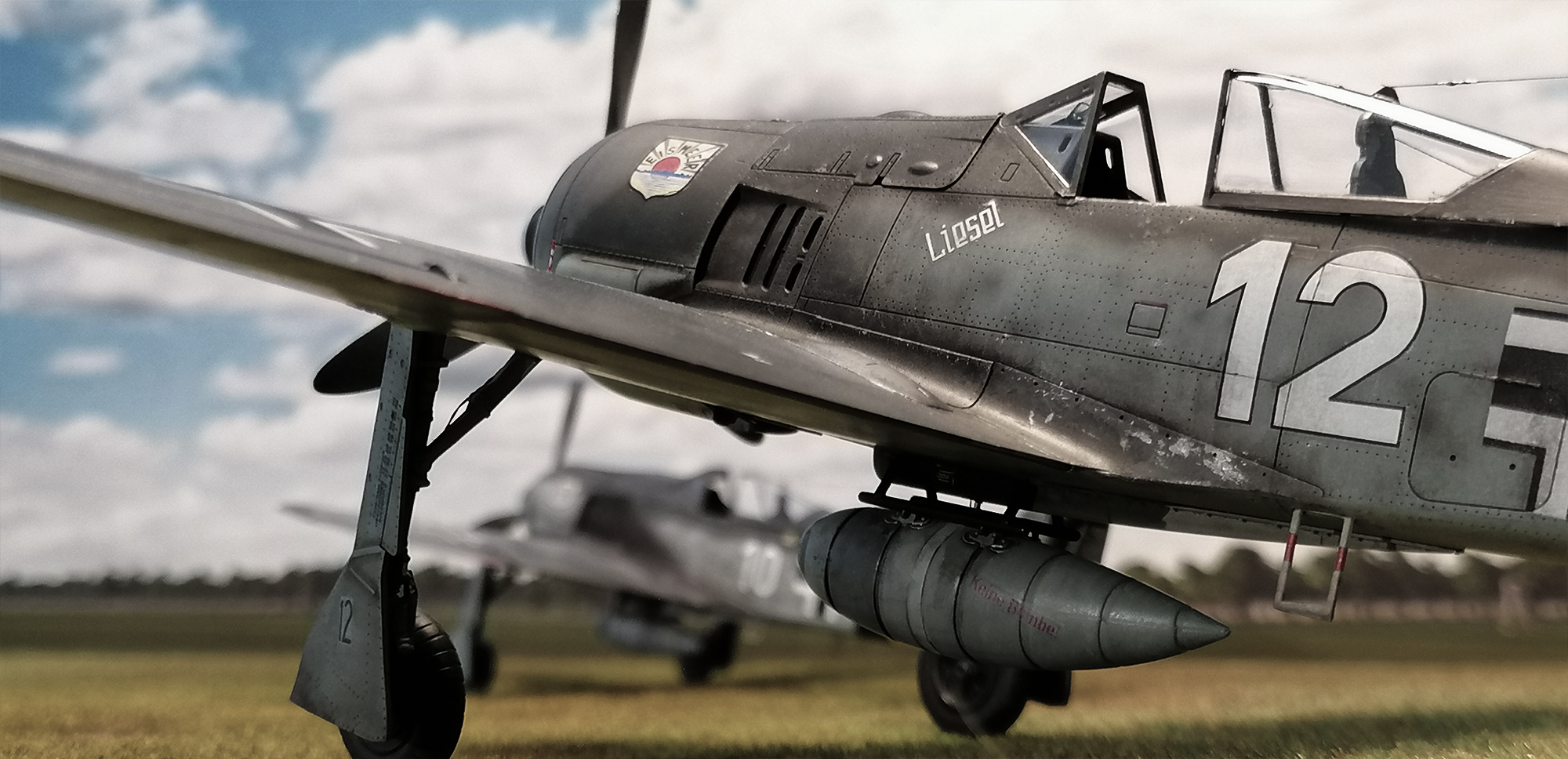
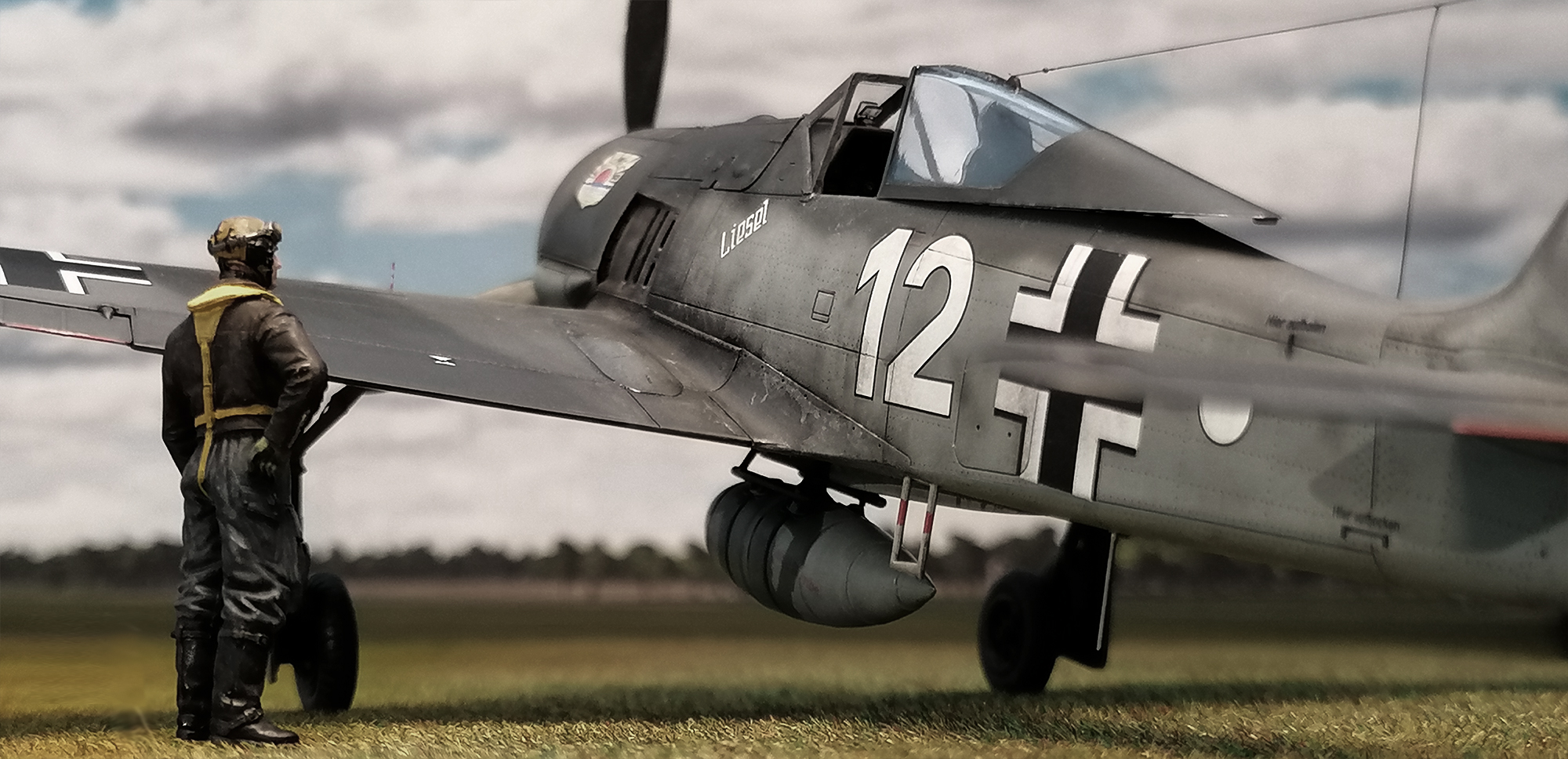
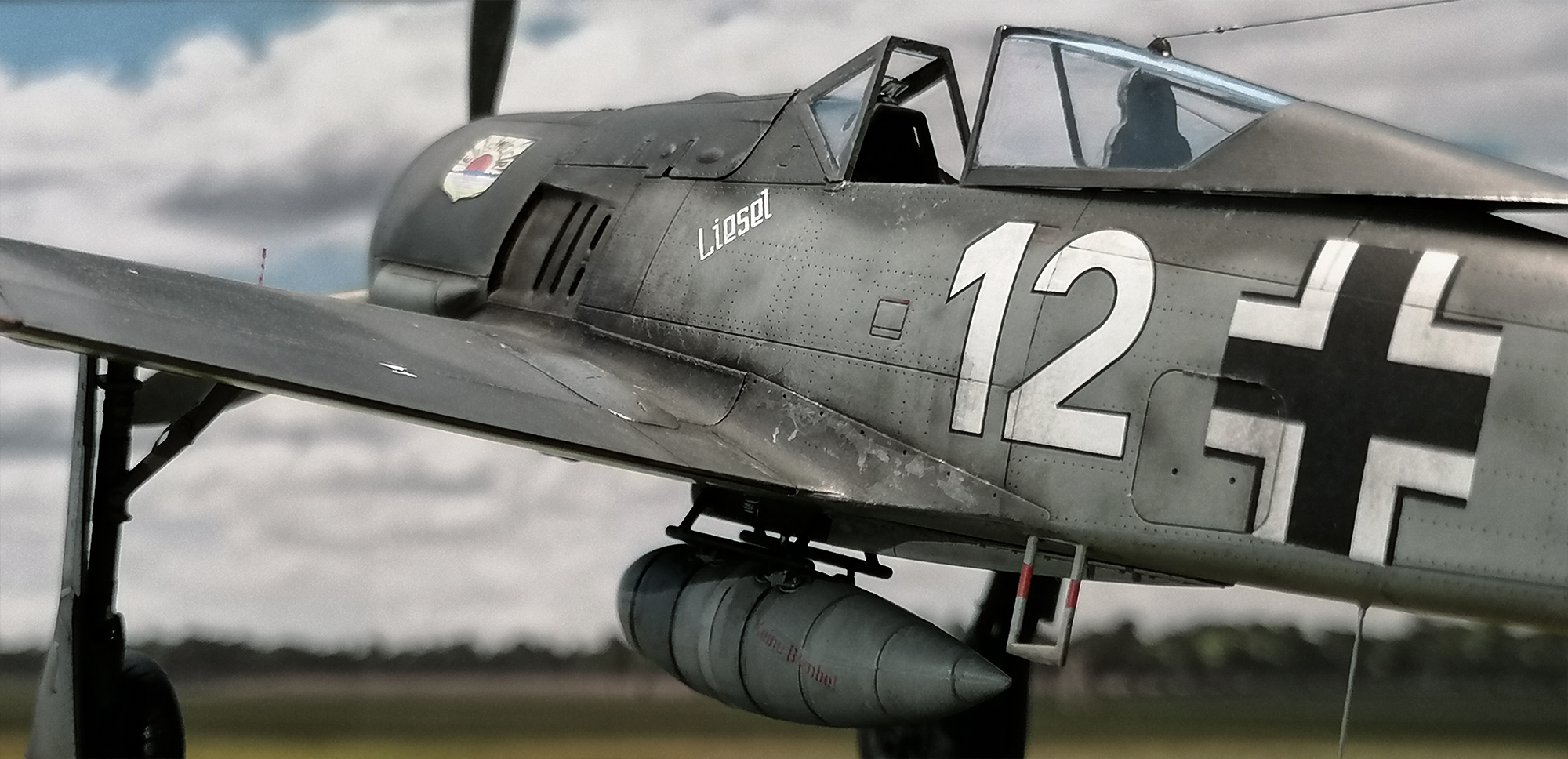
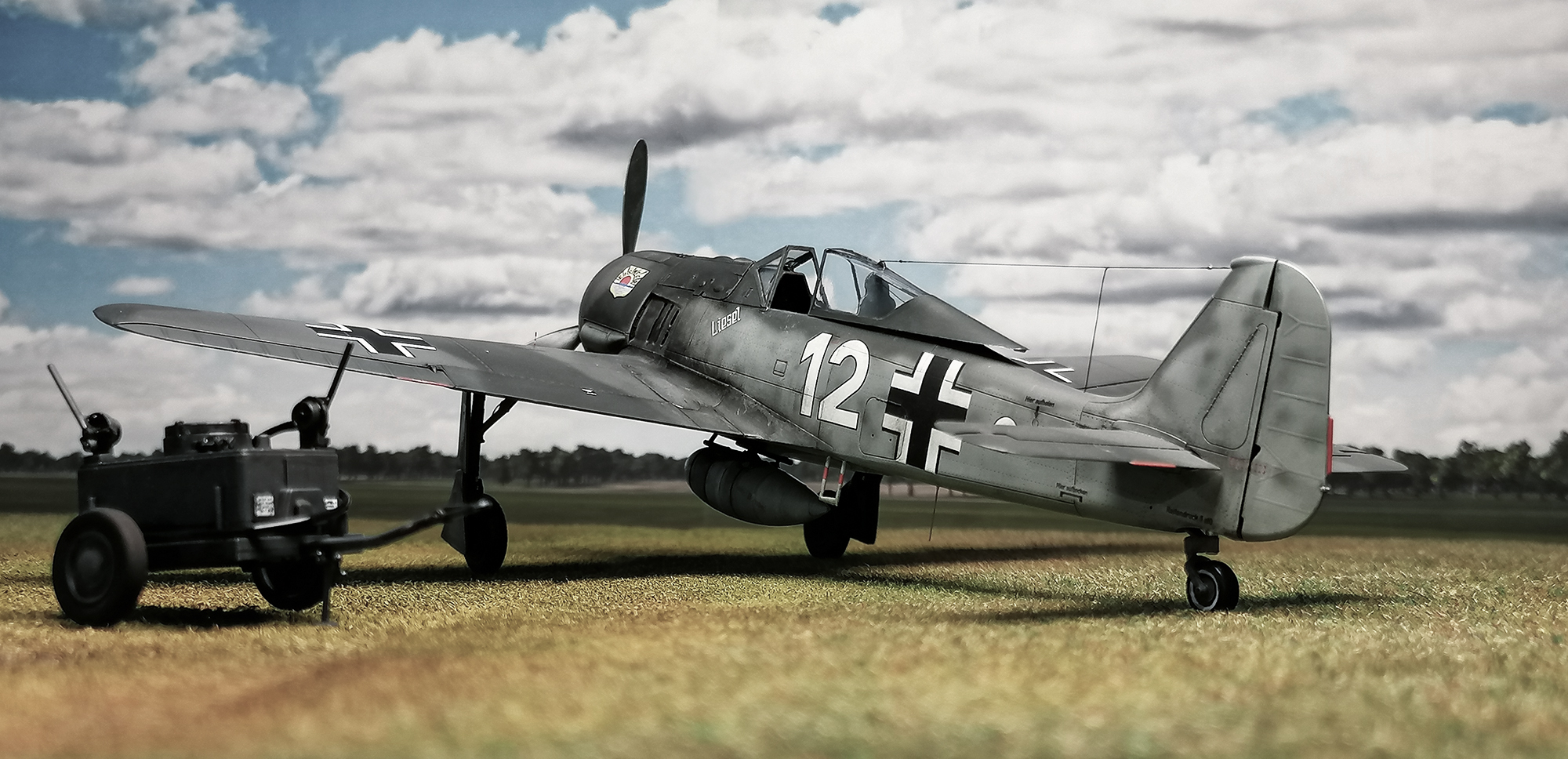
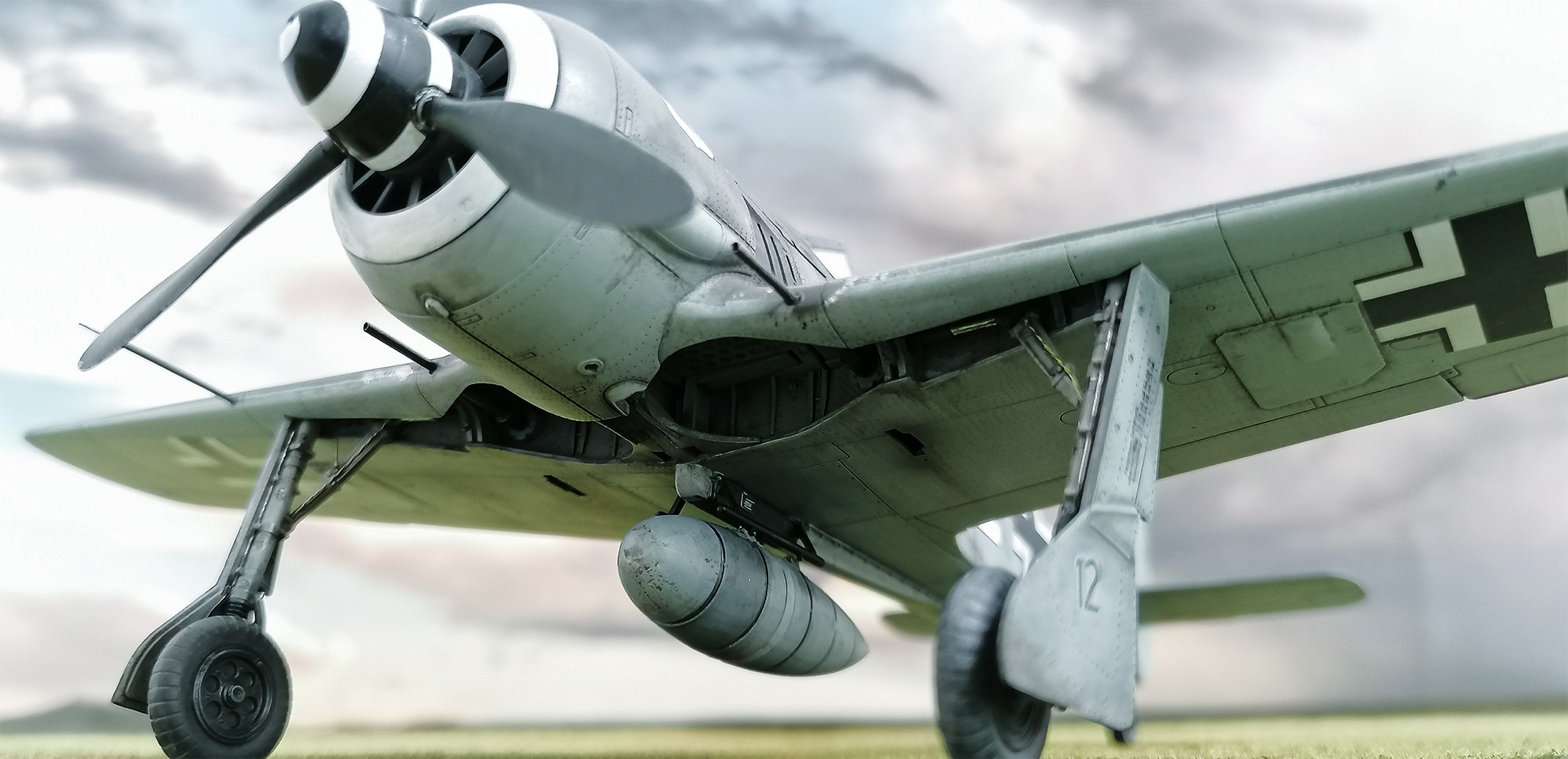
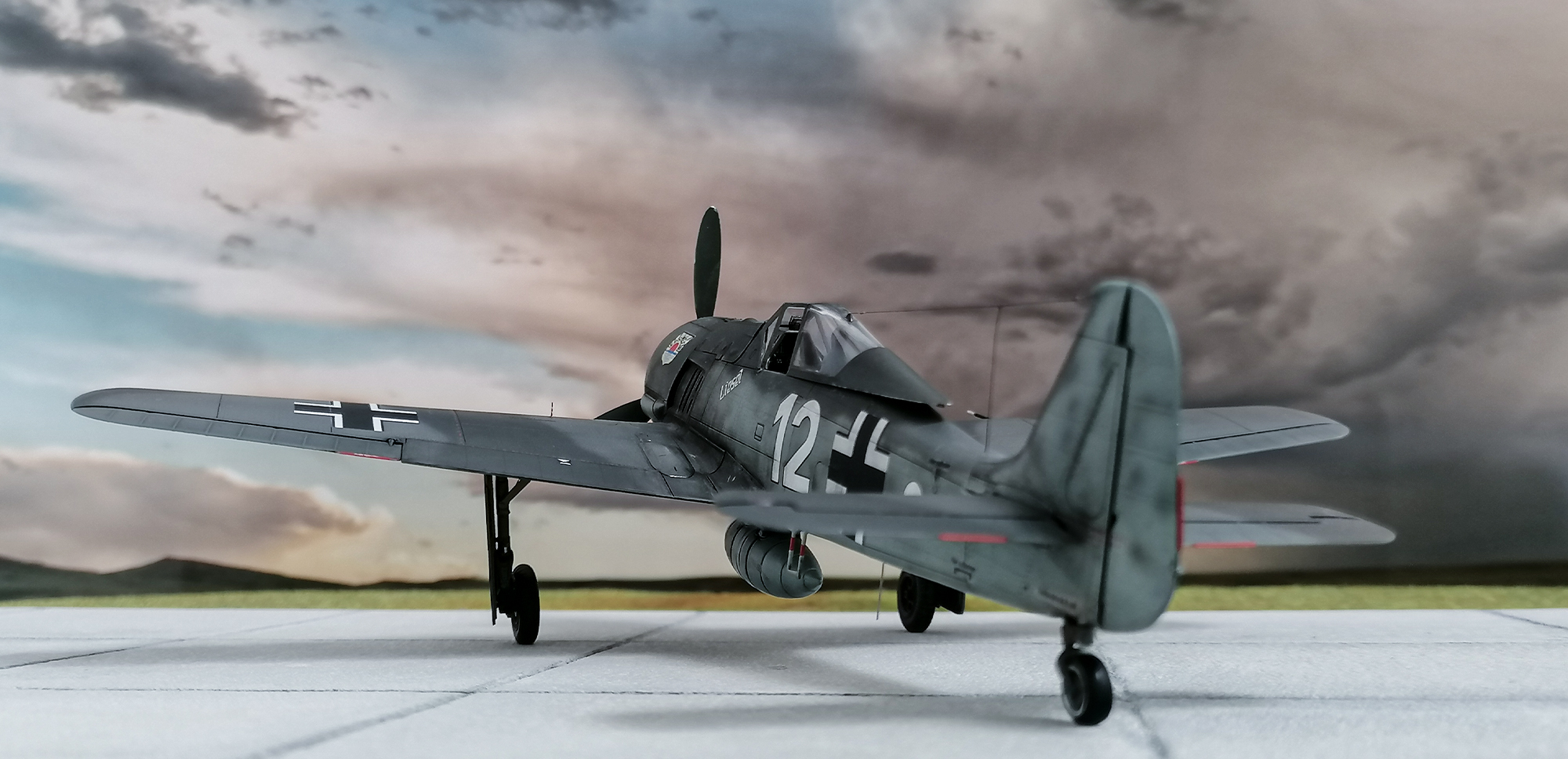
The Focke-Wulf Fw 190 was arguably the finest German fighter of the Second World War when it first appeared over the Channel in late 1941, immediately outperforming the Spitfire Mk.V in almost every metric. The A-4 variant — powered by a BMW 801 D-2 radial engine producing 1,700 hp — entered production from mid-1942, featuring a revised supercharger controller that gave more reliable performance across a wider altitude band. While the type became synonymous with the Western and Eastern fronts, units like JG 5 "Eismeer" flew it in an entirely different environment: the desolate, cloud-covered skies above occupied Norway, patrolling the Arctic coastline and the sea approaches critical to Kriegsmarine operations.
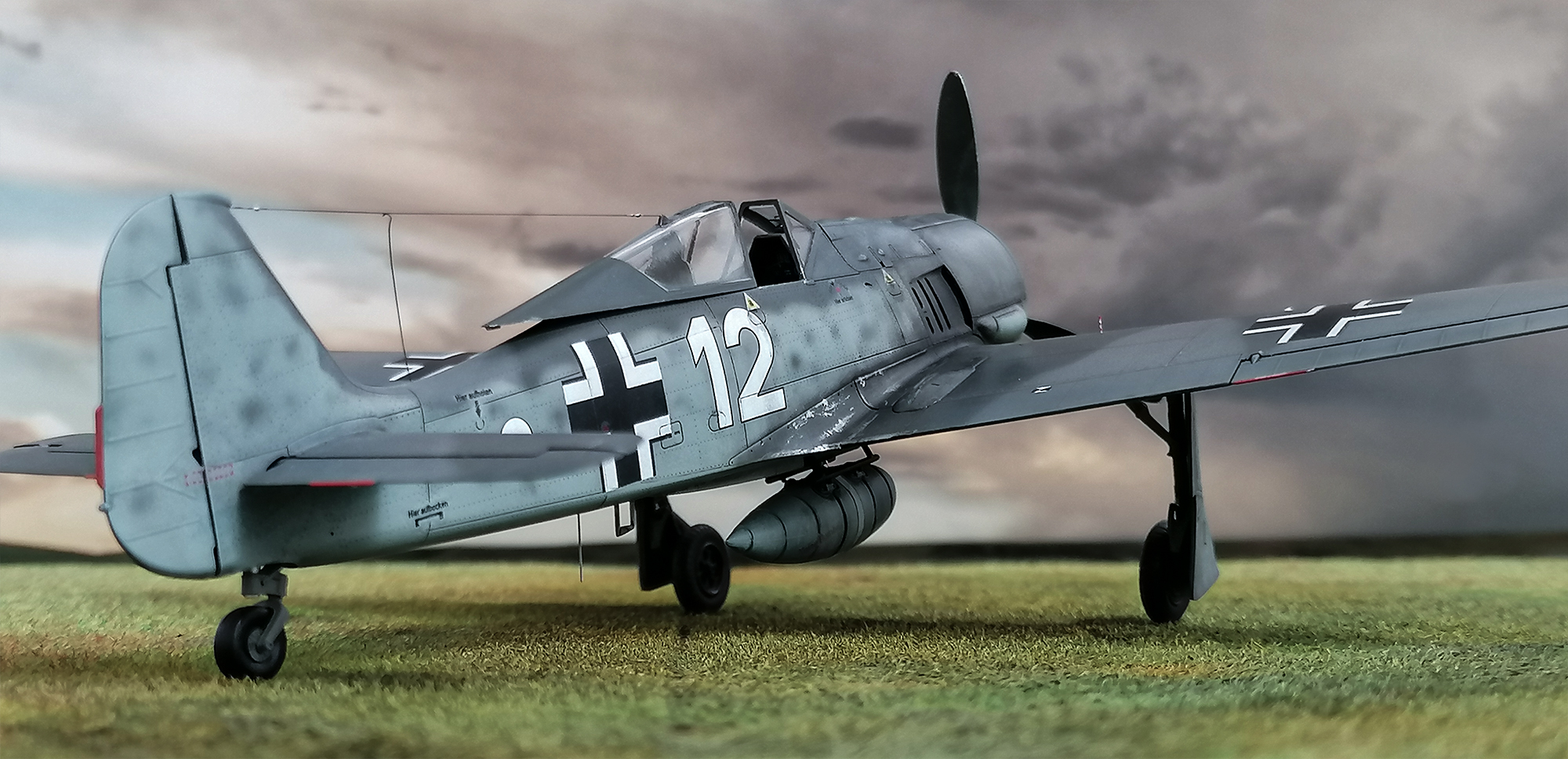
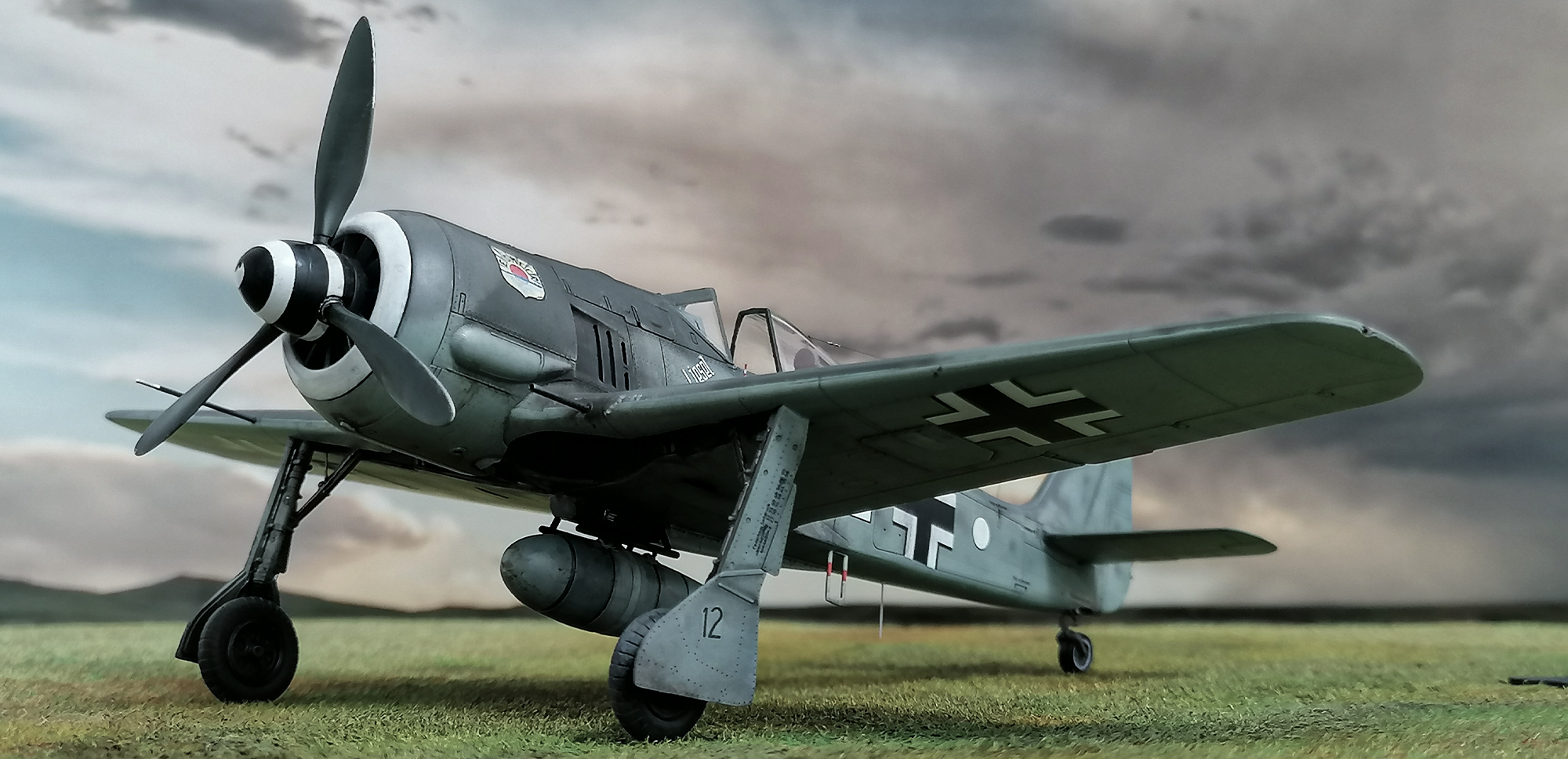
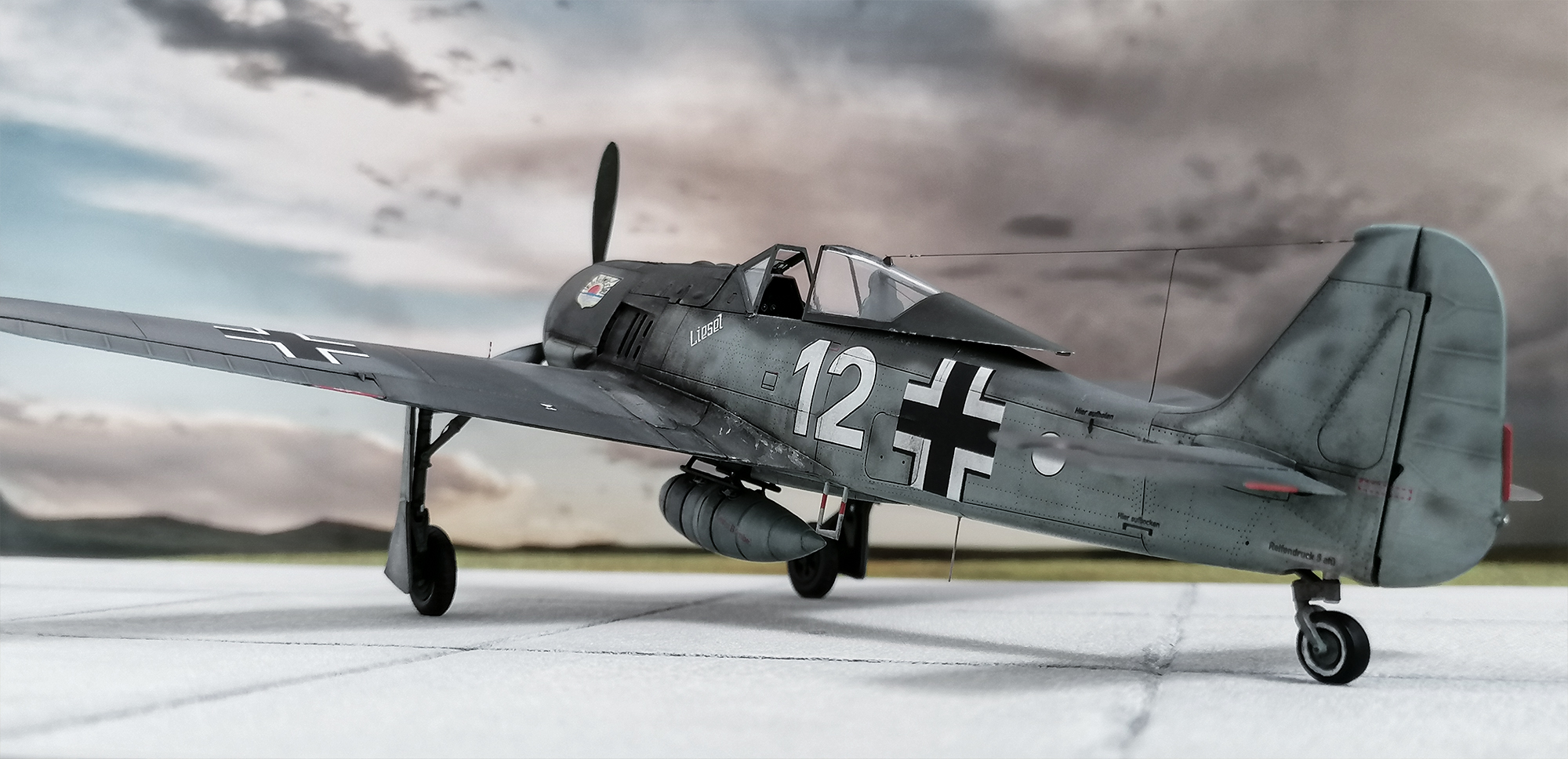
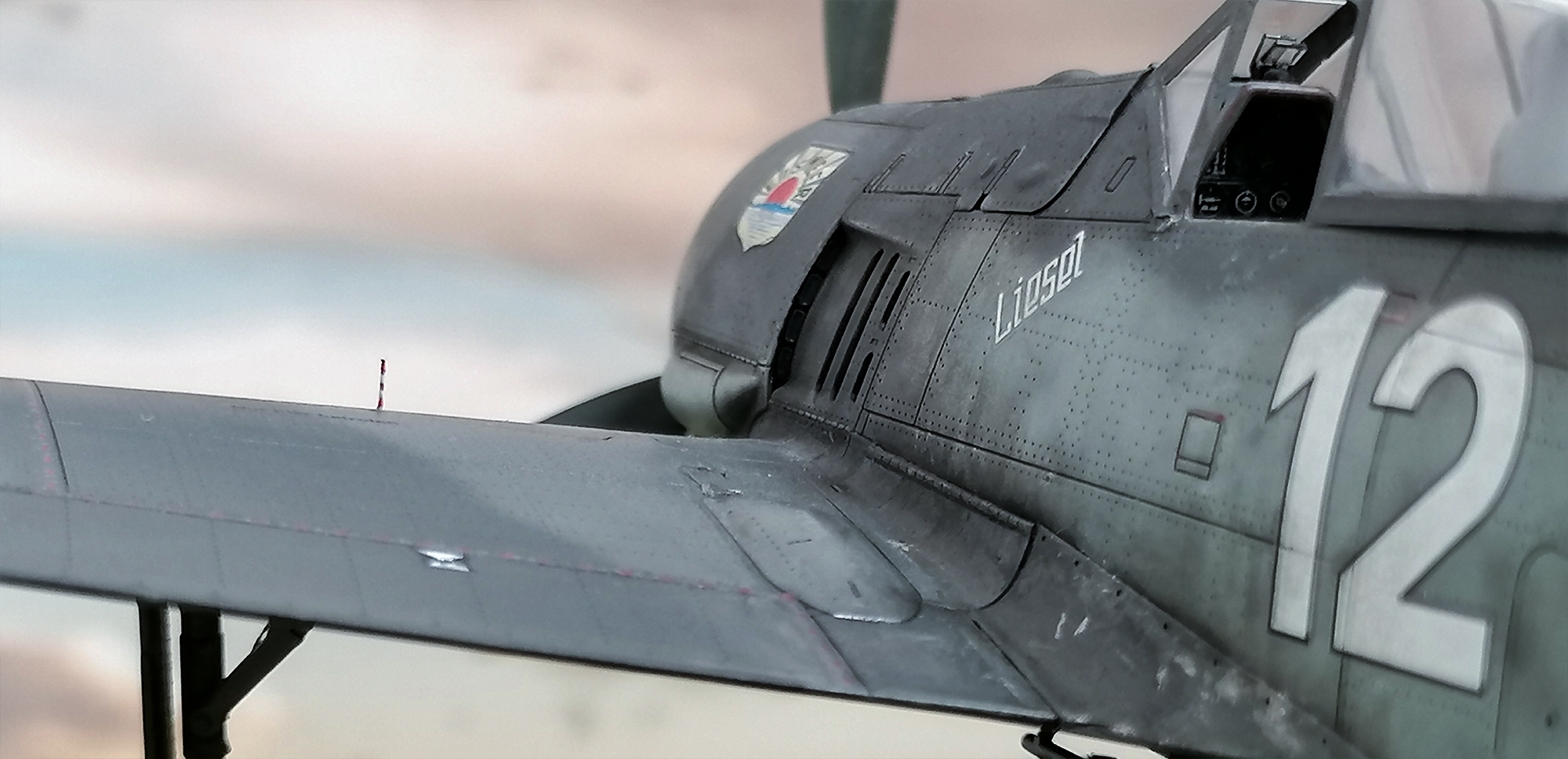
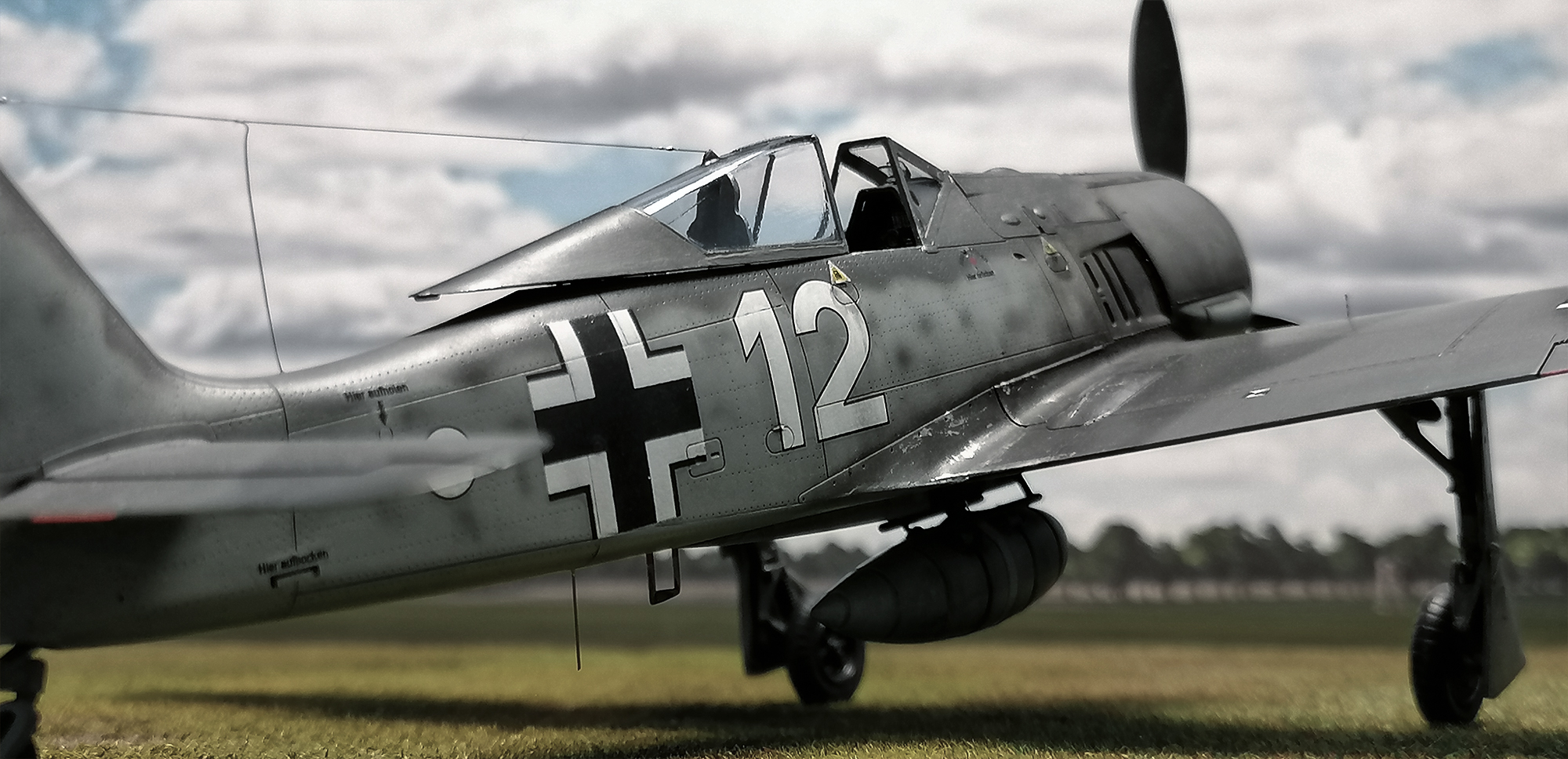
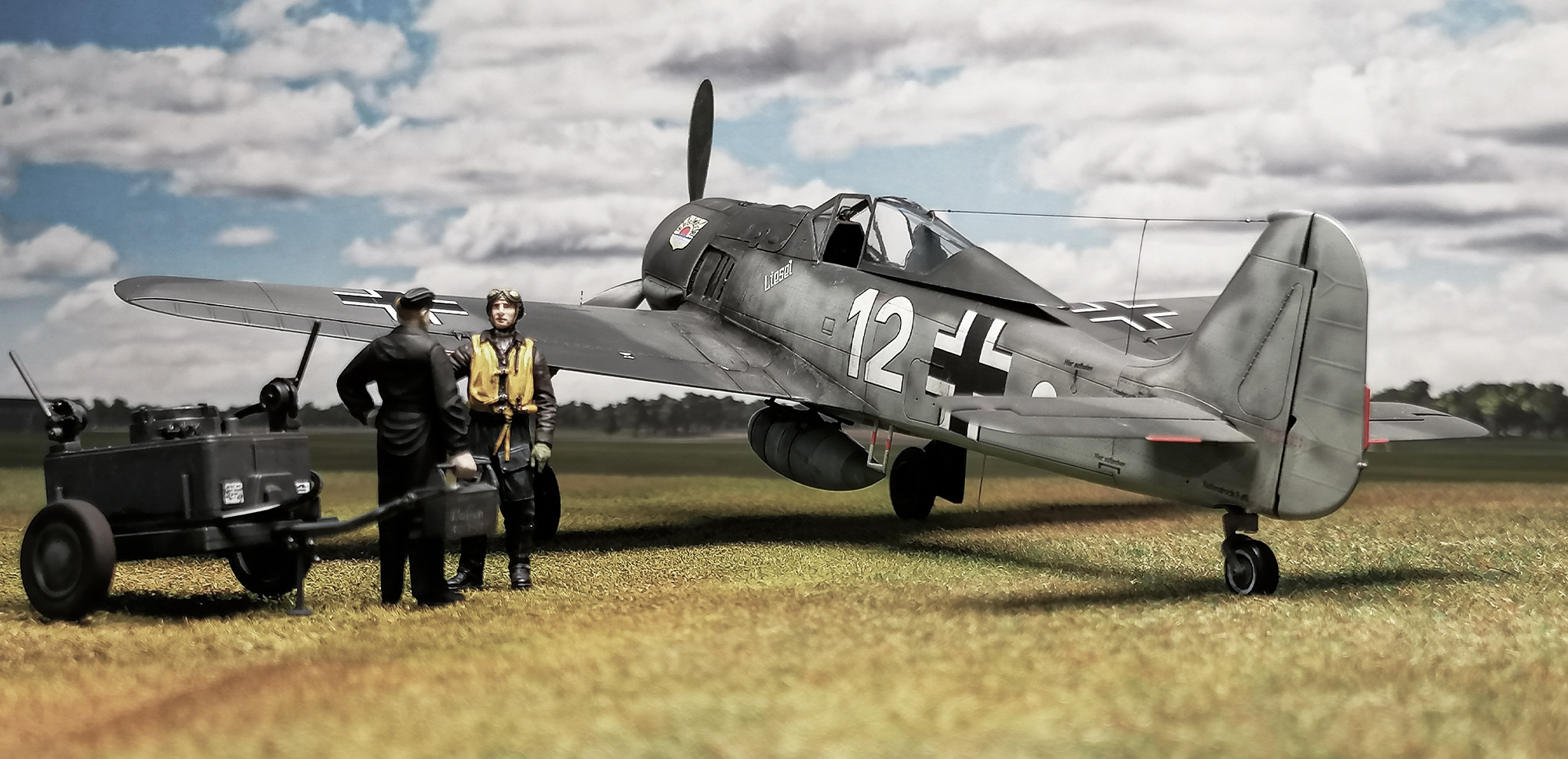
This build represents the Eduard Weekend Edition of the Fw 190 A-3/A-4 in 1/48 scale. The kit offers an excellent level of surface detail and a clean, manageable parts breakdown — not as complex as older Eduard toolings, and very well suited to a focused, enjoyable build. Extras from the Weekend Edition include photo-etched seatbelts. The decals are aftermarket Cartograf sheets from Kagero publication No. 15036 "Fw 190s over Europe", and the colour profile from the same book served as the reference for the camouflage scheme. I used AK-Interactive paints throughout and weathering products from AK-Interactive and AMMO by Mig Jimenez.
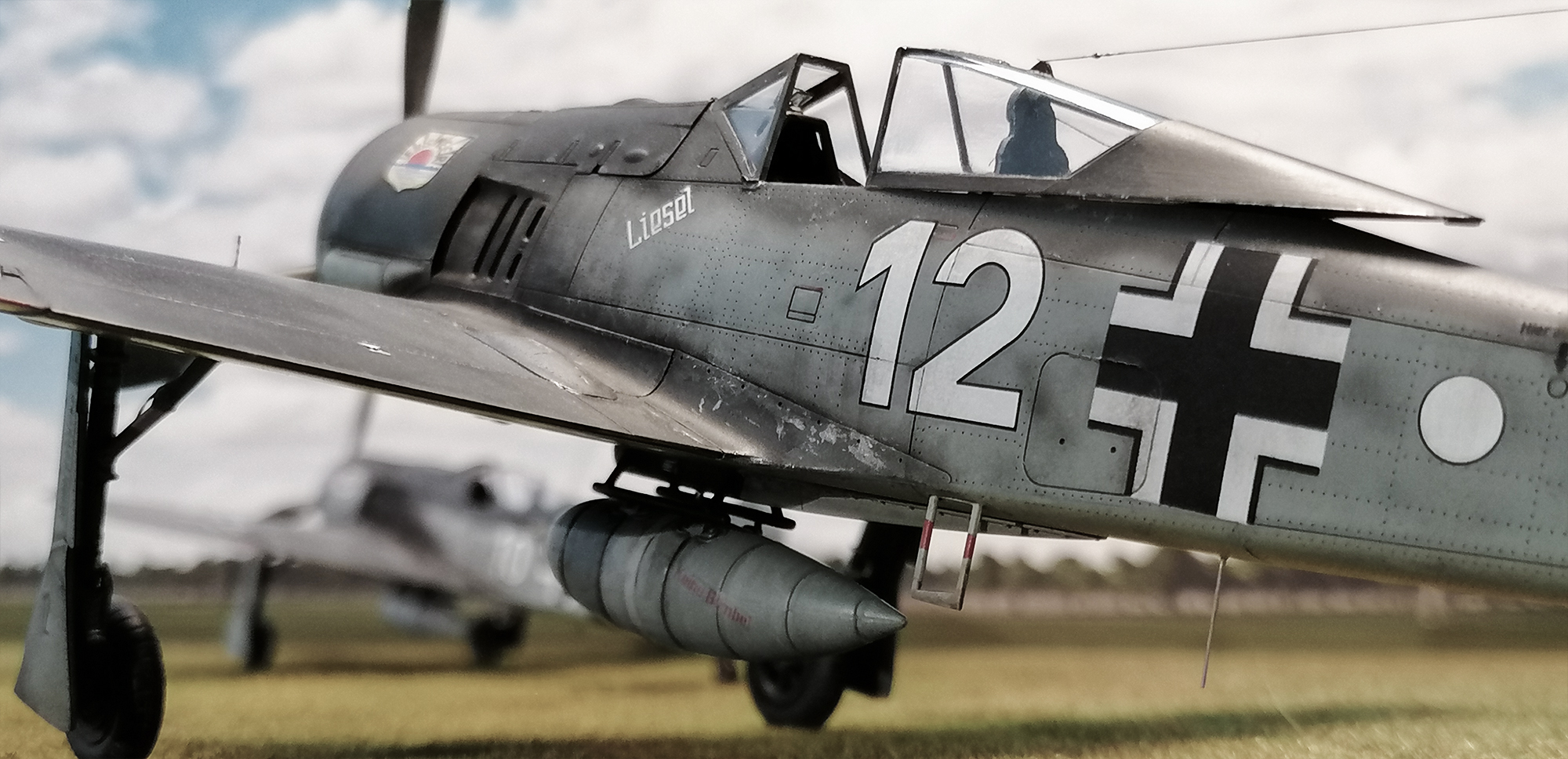
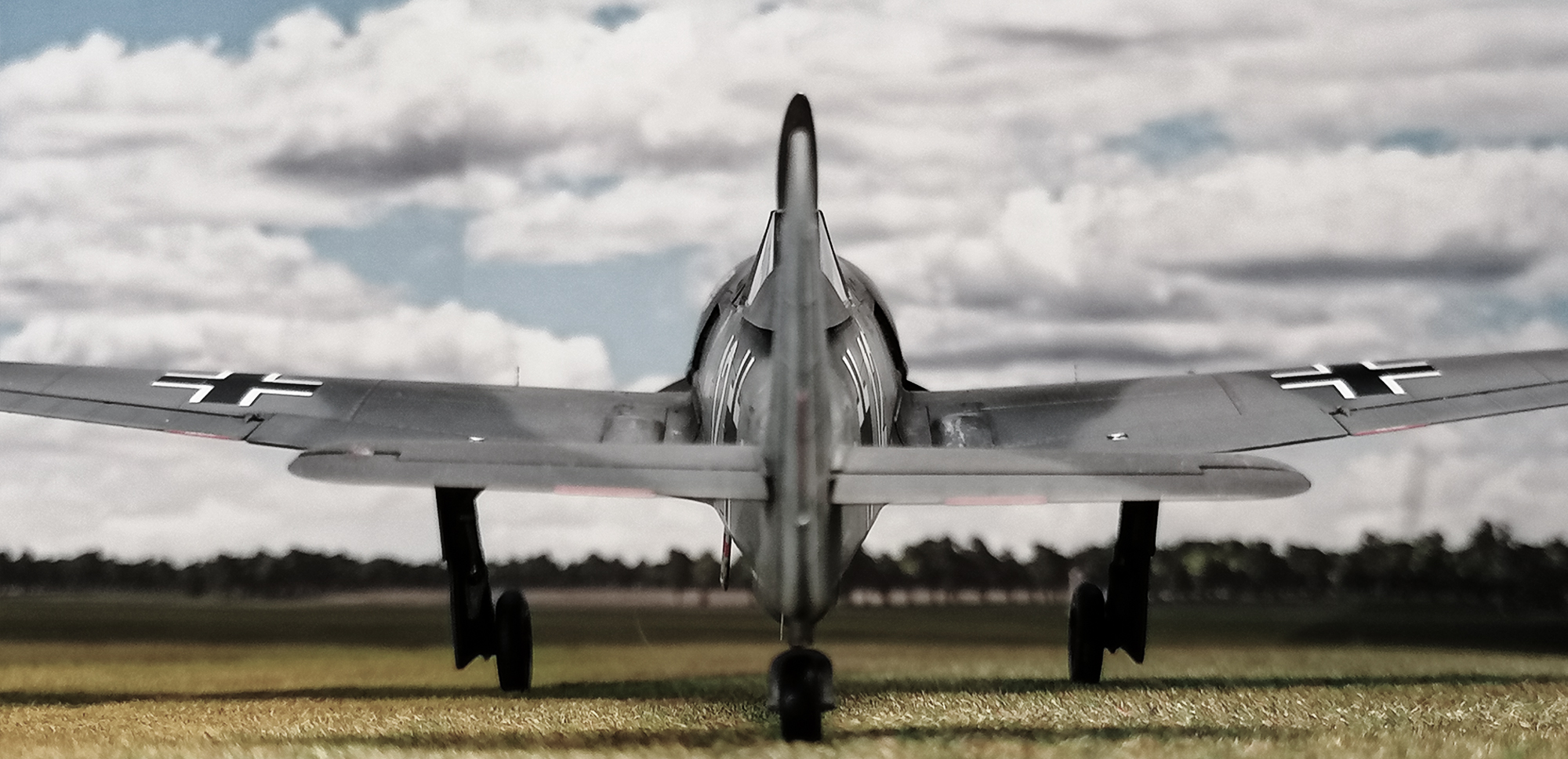
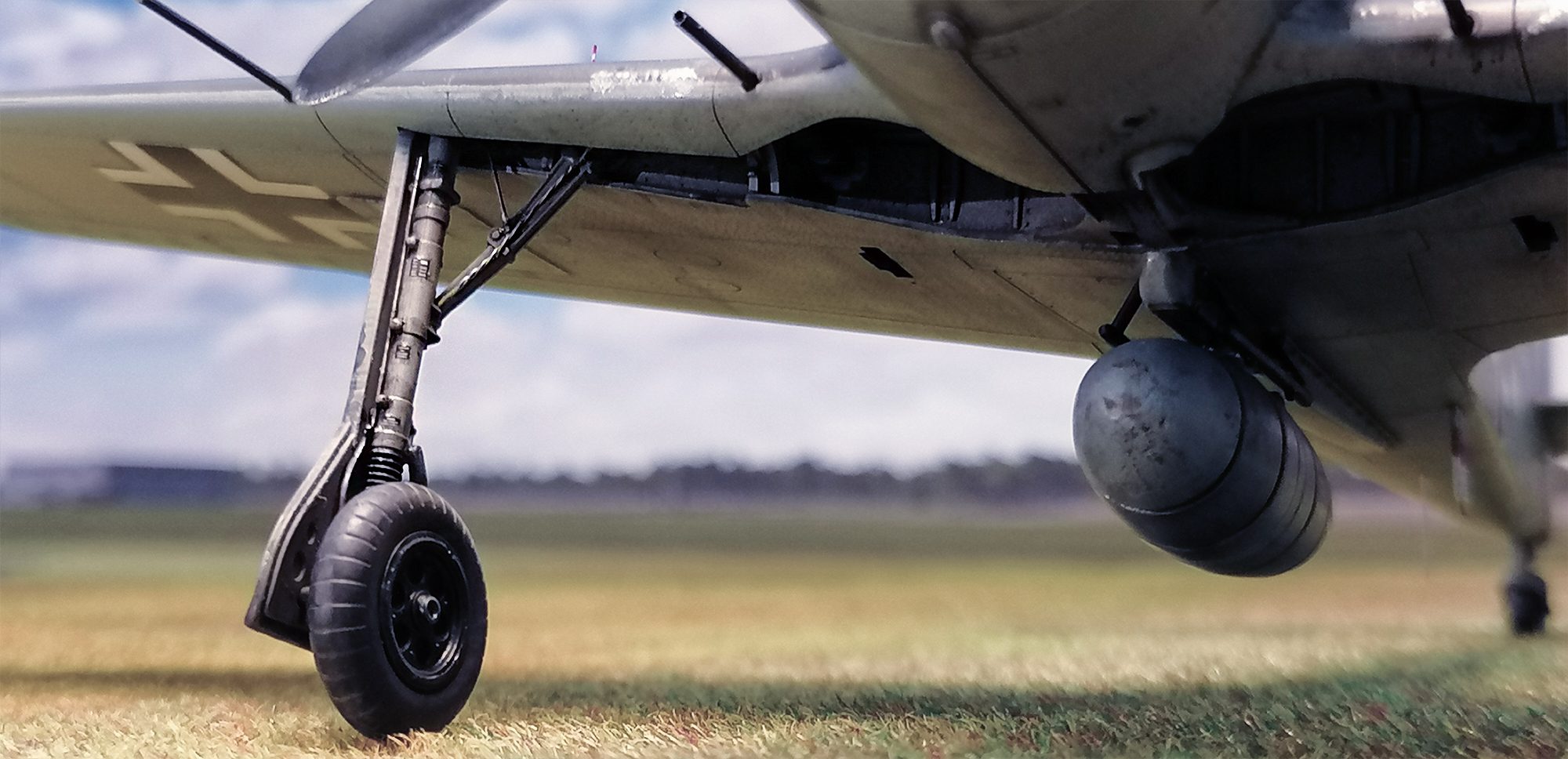
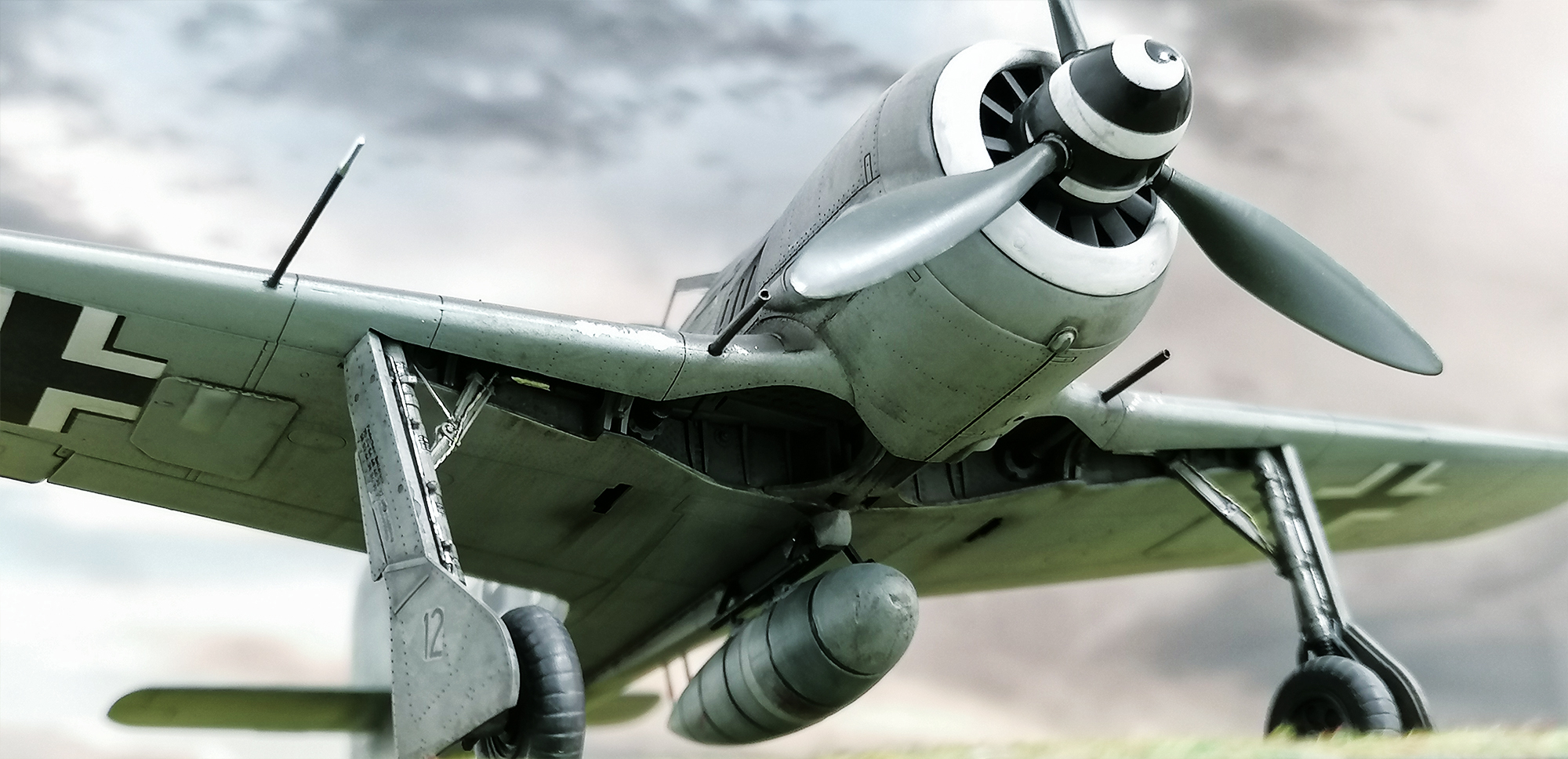
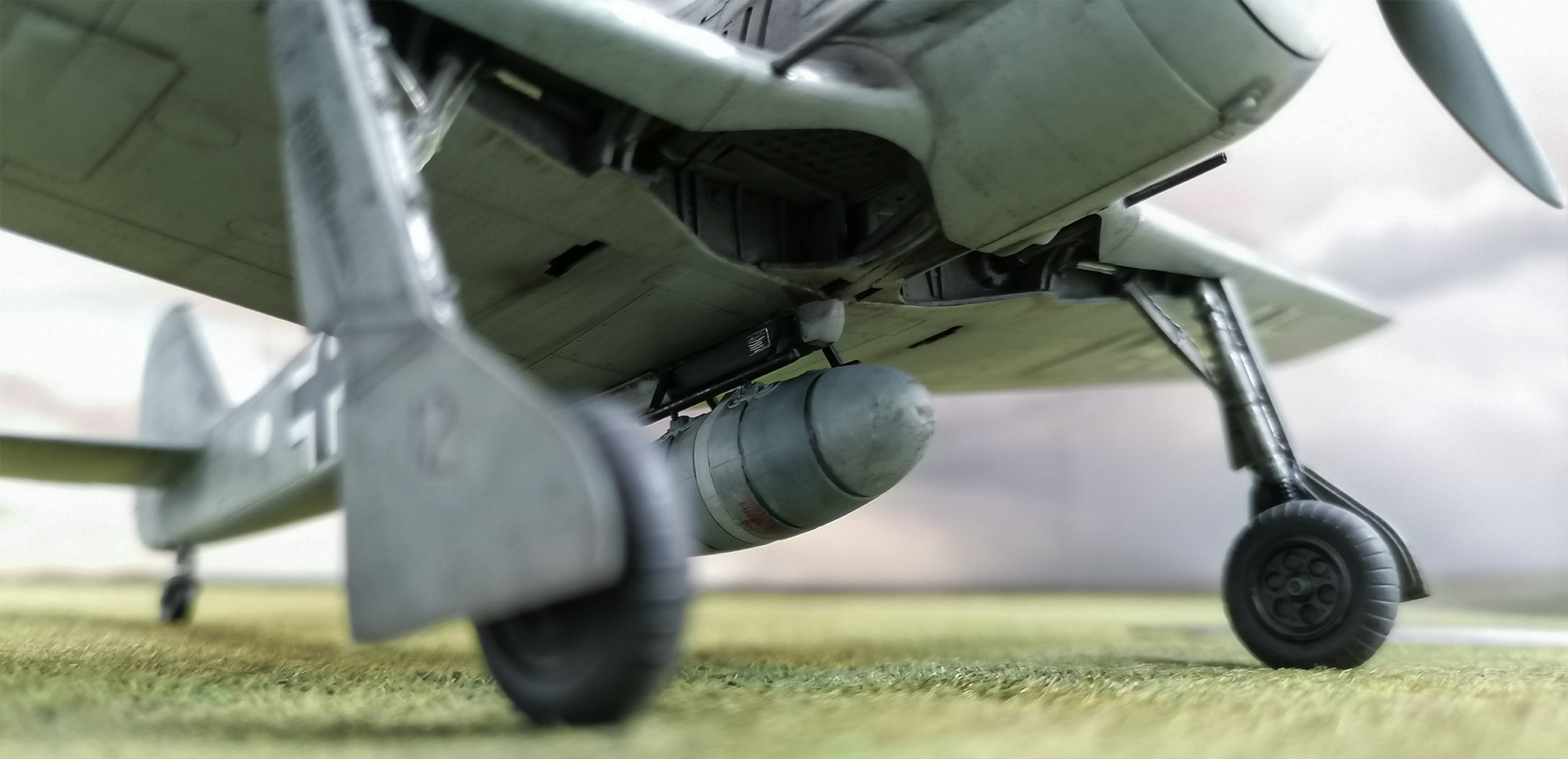
The aircraft depicted is "White 12", flown by Fw. Ernst Mayer of 9./JG 5 at Herdla, Norway, in March 1945. The three-tone scheme — RLM 74 Graugrün on the upper surfaces, RLM 75 Grauviolett mottled across the flanks, and RLM 76 Lichtblau on all undersurfaces — was standard for late-war Luftwaffe fighters. The white nose marking identifies the aircraft as belonging to 9. Staffel, while the white fuselage dot places it within III. Gruppe. I included a series of macro photographs in this rollout specifically to document the weathering work in detail.
01
02
03
04
05
06
07
08
09
10
11
12
13
14
15
16
17
18